Plizio Visual Lab

Totes Gebirge
Plizio editorial teamData Sources
Mountain
—°3
Totes Gebirge (Austria)

Weather…

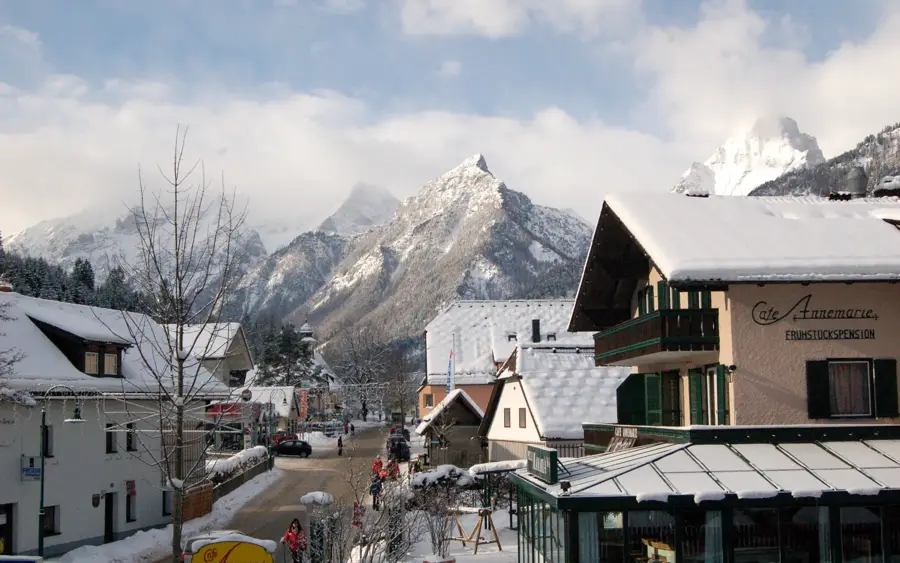
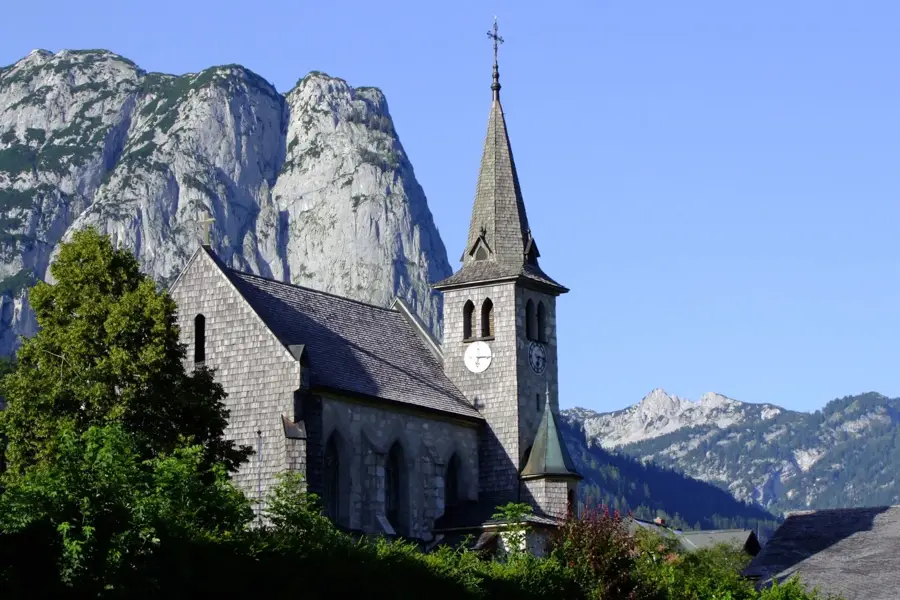
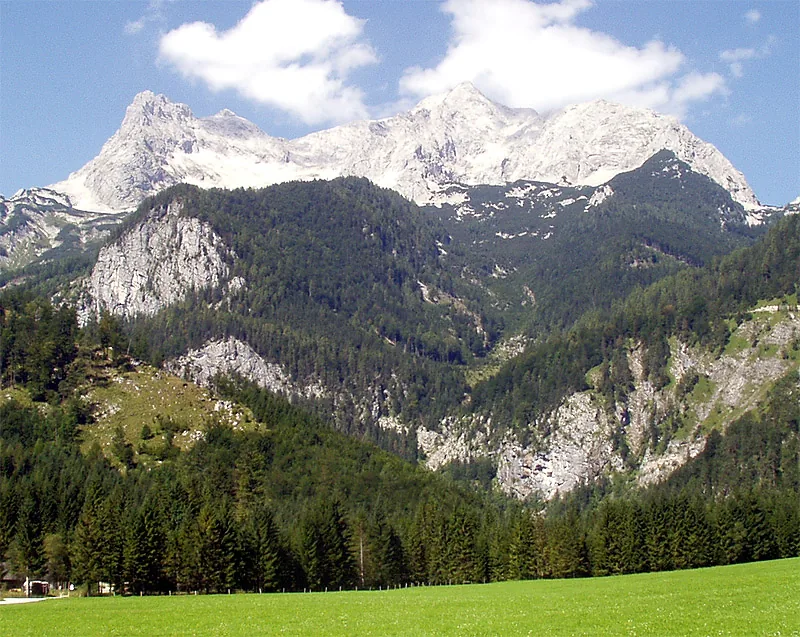
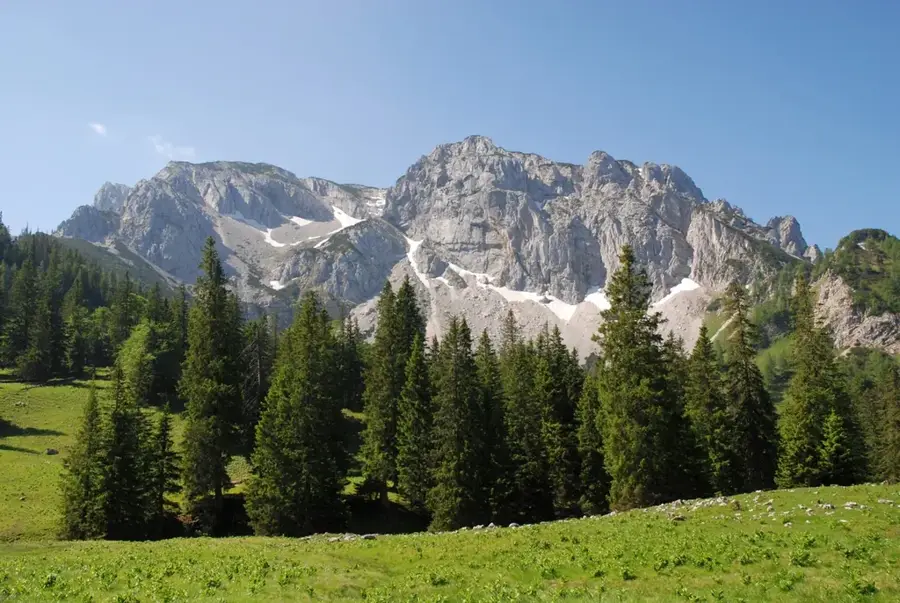
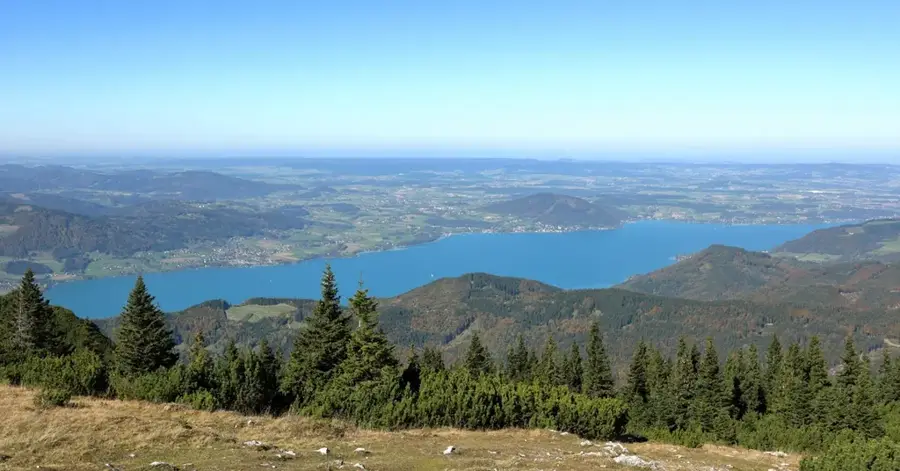
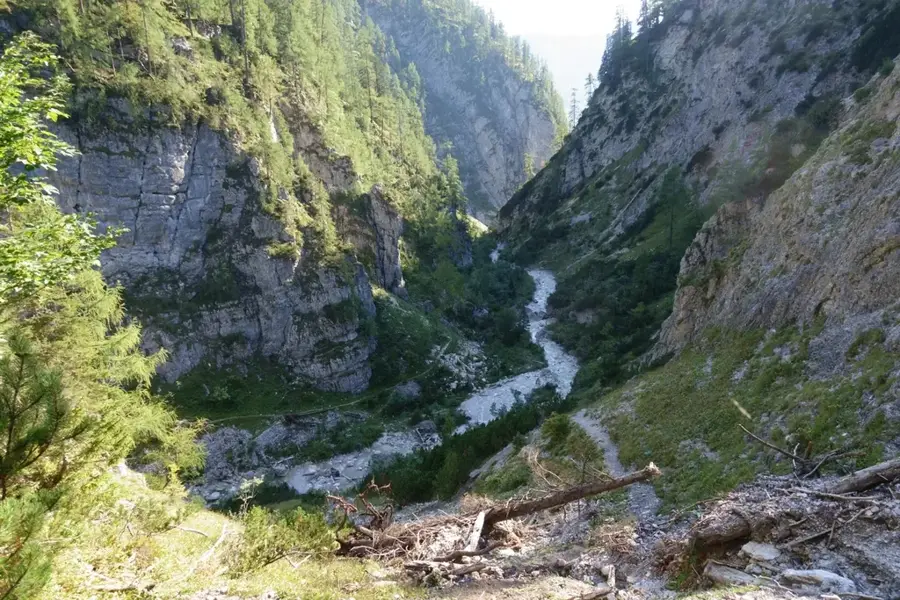
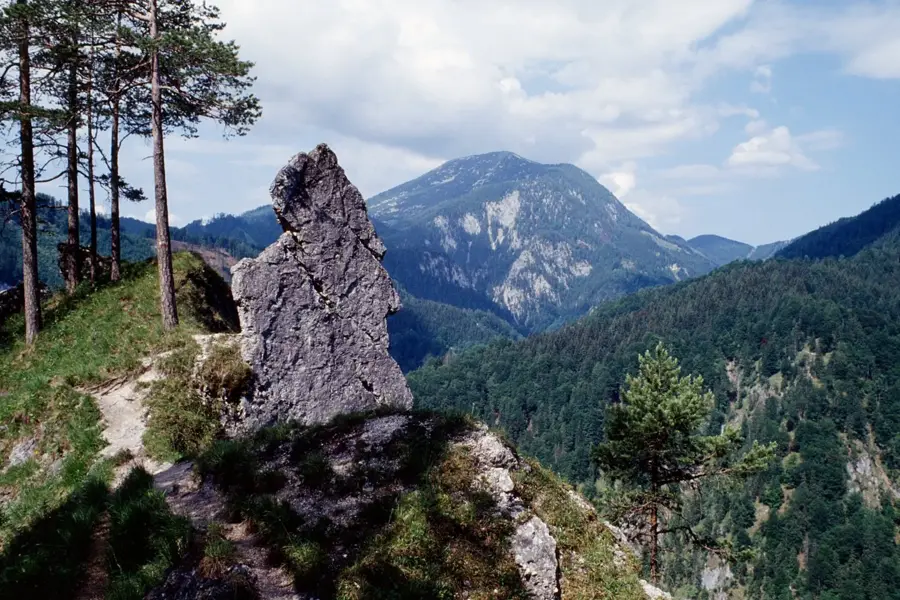
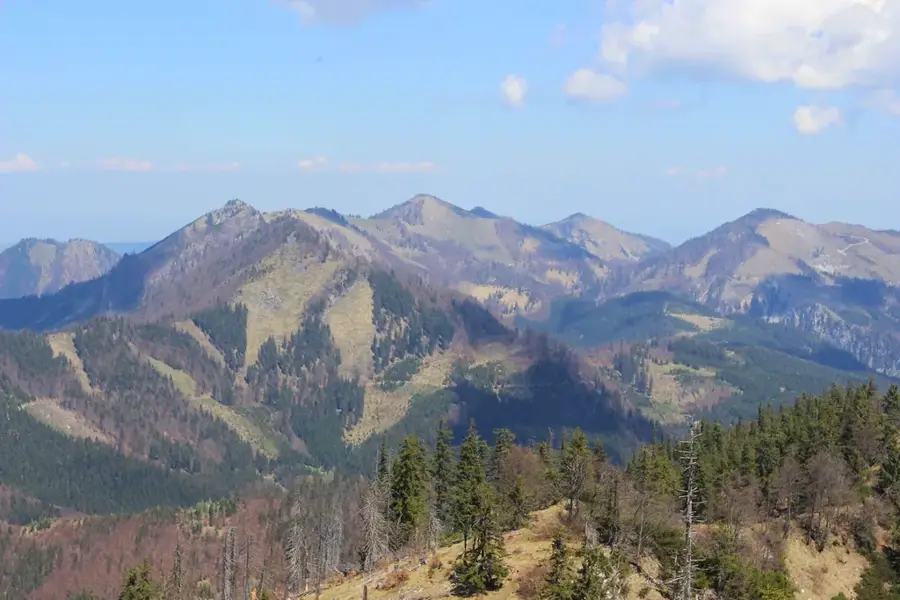
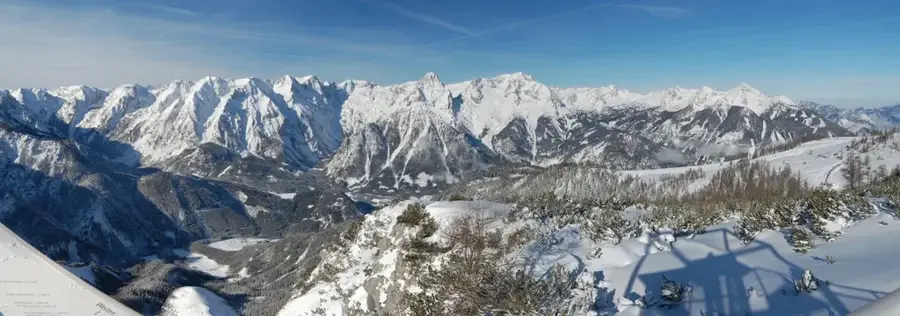
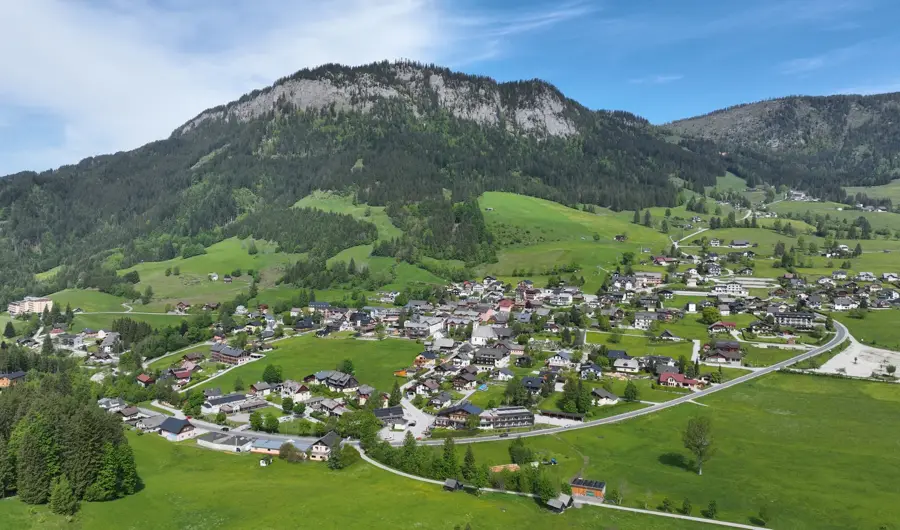
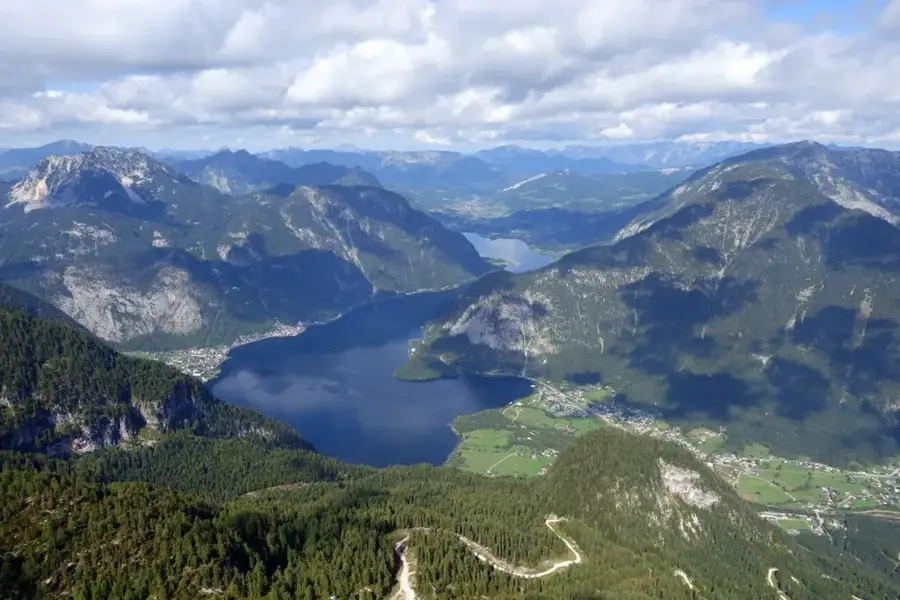
The Totes Gebirge (Dead Mountains) is an extensive karst plateau in the Northern Limestone Alps and covers parts of Styria and Upper Austria. With an area of around 1130 square kilometers, it is the largest karst massif in Central Europe and impresses with its barren, almost moon-like landscape on the high plateaus. The name derives from the relative lack of water and sparse vegetation in the central areas, although the peripheral zones with lakes like Grundlsee and Altausseer See are extremely water-rich. The highest peak is the Großer Priel at 2515 meters, a prominent lookout point offering wide views as far as the Bohemian Forest and the Hohe Tauern. Geologically, Dachstein limestone dominates, which through karstification has formed deep cave systems like the Hirlatzhöhle, one of the longest cave systems in Austria. Despite its barren appearance, the mountain range is home to specialized animal species such as the white-winged snowfinch and the alpine chough. Historically, the region was a hideout for poachers and resistance fighters during World War II. For mountaineers, the Totes Gebirge poses a special challenge due to navigation difficulties in fog and its sheer vastness. Tourism use includes hiking, climbing, and demanding ski tours in winter.

Best time to visit & climate

The most pleasant time to visit is Jun–Aug.

JanFebMarAprMayJunJulAugSepOctNovDec
Avg °C-5-5-1491315141061-4
Rain mm82678175140167177175132967376

📋 Practical info

🧭
Getting there
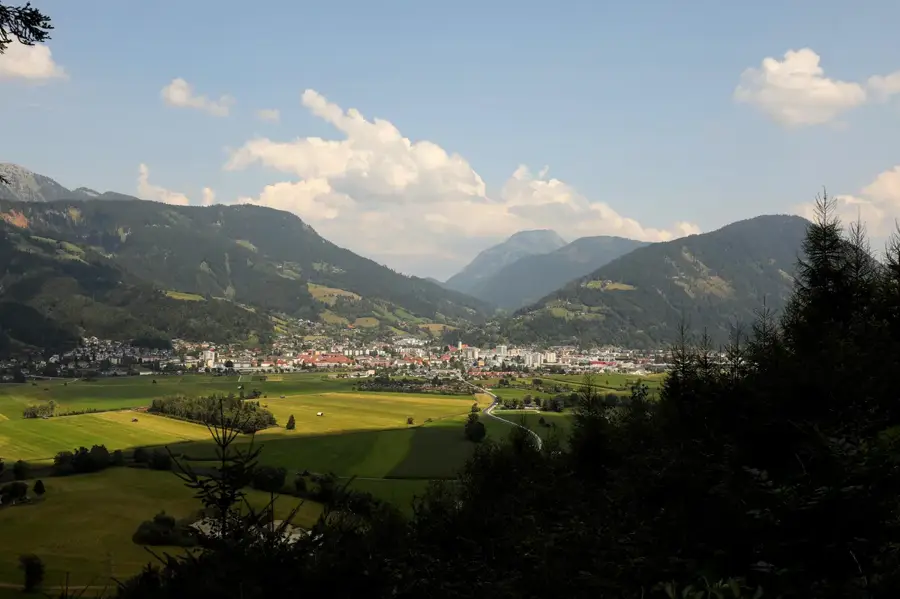
The massive plateau of the Totes Gebirge is most practically accessed from the surrounding valleys, such as Hinterstoder, the Ausseerland, or the Almtal. From these valley bases, generally steep, physically demanding, and well-marked trails ascend steadily into the expansive, rocky, and often barren high-altitude region.
📅
Best season
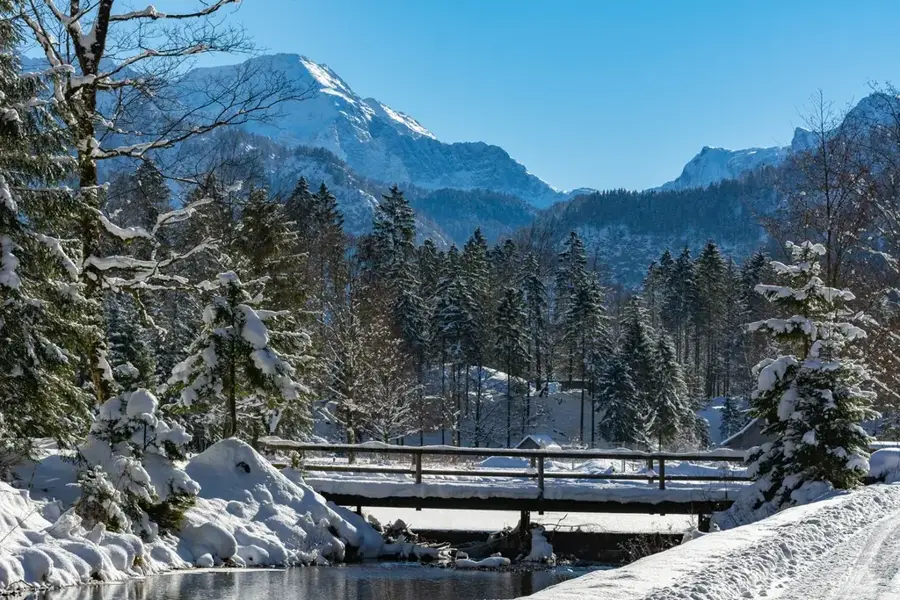
Due to the tremendous amounts of snow that linger stubbornly deep within the dolines, the classic summer hiking season usually only begins in July and extends through October. During late winter and early spring, the high plateau provides fantastic, yet highly demanding conditions tailored for experienced ski tourers.
⛰️
Terrain & paths
The name, meaning 'Dead Mountains', is fitting; it is a gigantic, karst plateau characterized by deep sinkholes, bizarre rock formations, and vast stretches devoid of vegetation. The trails demand absolute surefootedness on sharp-edged limestone and involve constant ups and downs, even when navigating the apparent plateau.
🎒
What to bring
For any excursion into this inhospitable karst landscape, exceptionally robust footwear with highly rigid soles is absolutely mandatory to protect against the razor-sharp rocks. Furthermore, owing to the extreme dryness on the plateau during summer, carrying substantial amounts of drinking water is vital, as springs are rare.
🅿️
Parking
At the common starting points, including Hinterstoder, near the Almsee, or in Bad Mitterndorf, visitors will typically find large parking areas, which often require a parking fee. Because the approach hikes can be incredibly long, it is highly advisable to park the car in the early morning hours to get a prompt start.
⚠️
Safety
Navigation across this karst plateau can become incredibly complex and perilous if fog suddenly descends, making a reliable GPS device an extremely strong recommendation. Additionally, one must never stray from the marked paths, as the numerous, often hidden karst fissures and dolines present a severe and fatal fall hazard.
⏱️
Time needed
Even for a relatively short crossing or a brief visit to one of the high-altitude mountain refuges, hikers must realistically budget for at least one long, incredibly strenuous day. To genuinely appreciate the vastness of this unique karst environment, multi-day hut-to-hut trekking tours are undeniably the best approach.

Geography

Coordinates
47.66670, 14.00000

Facts

  • The Großer Priel is the highest point at 2515 meters.
  • The plateau covers a total area of 1130 square kilometers.
  • The Hirlatzhöhle cave system is over 113 kilometers long.
  • It is the largest contiguous karst area in Central Europe.
  • Grundlsee at the edge of the mountains is the largest lake in Styria.
  • The Pühringerhütte is located centrally in the range at 1637 m.

Explore nearby

Notable places around
Route planner — Car & Motorhome

Where do you start? We build the route here, with stops and country notes along the way.

Vehicle
Only stops with (optional):

© OpenStreetMap contributors · OpenRouteService

Sights in the town Totes Gebirge (3)

Rote Kögel📍 landmark

Rote Kögel are red-colored hills in the Totes Gebirge.

Plankermira📍 landmark

A peak in the limestone mountains of the Totes Gebirge.

Feuertalberg📍 landmark

Feuertalberg is a mountain in the Totes Gebirge with a fire-like valley.

Sights nearby

Frequently asked questions

Why is it called the 'Dead Mountains'?
The name refers to the waterless, barren karst landscape of the plateau, which supports very little vegetation.
What is the highest peak?
The Großer Priel is the highest point at 2,515 meters.
Is there drinking water on the plateau?
Due to the karst rock, water drains away immediately; hikers must carry ample supplies.
Are the hikes difficult?
There are easy paths, but many tours require sure-footedness and good fitness in alpine terrain.
When is the best time to visit?
The best time for hiking is from June to September, when the trails are free of snow.
Totes Gebirge: where is it located?
Totes Gebirge is located in Upper Austria, Austria.
Totes Gebirge: what is there to see?
Highlights include Rote Kögel, Plankermira, Feuertalberg.
Totes Gebirge: when is the best time to visit?
The most pleasant time to visit is Jun, Aug.
Totes Gebirge: why is it worth visiting?

The Totes Gebirge (Dead Mountains) is an extensive karst plateau in the Northern Limestone Alps and covers parts of Styria and Upper Austria.
View on map → The Top 50 Attractions → OpenStreetMap →
Europe
Explore with Plizio Discover more places in Europe
More places in Austria →

Nearby cities

Nature
More places