Plizio Visual Lab

Hoher Dachstein
Plizio editorial teamData Sources
peak
—°
Hoher Dachstein (Austria)

Weather…

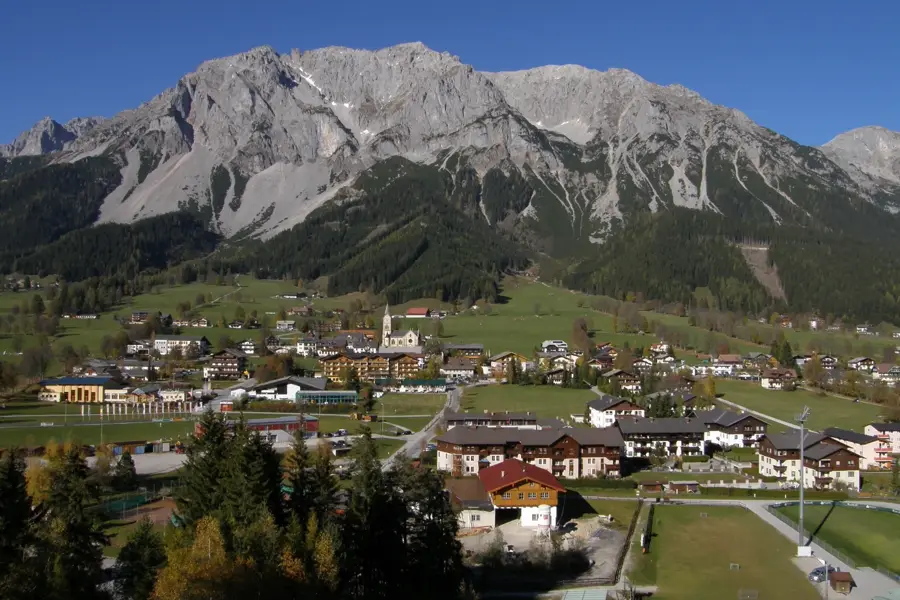
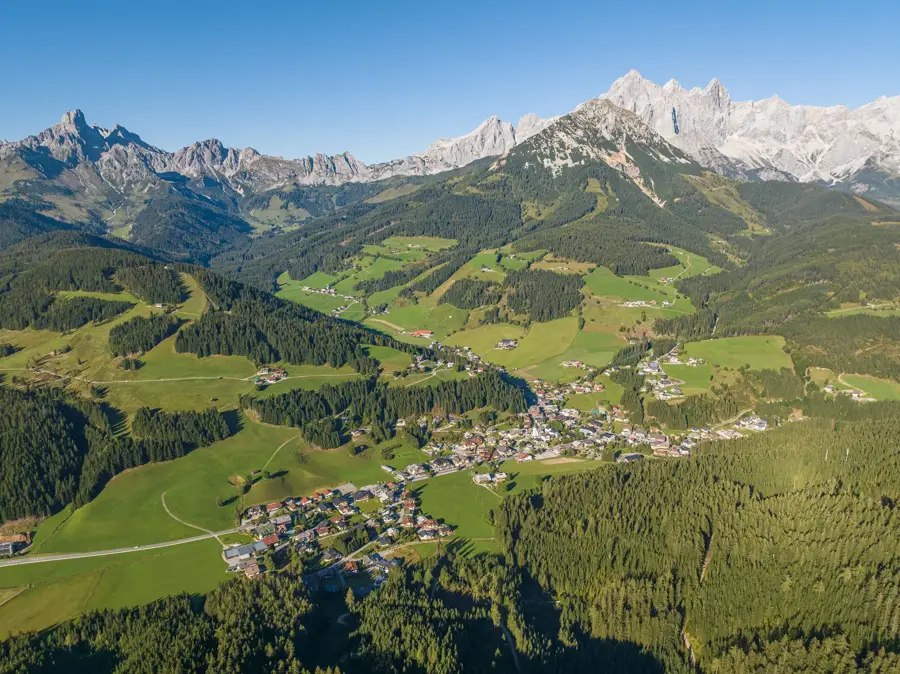
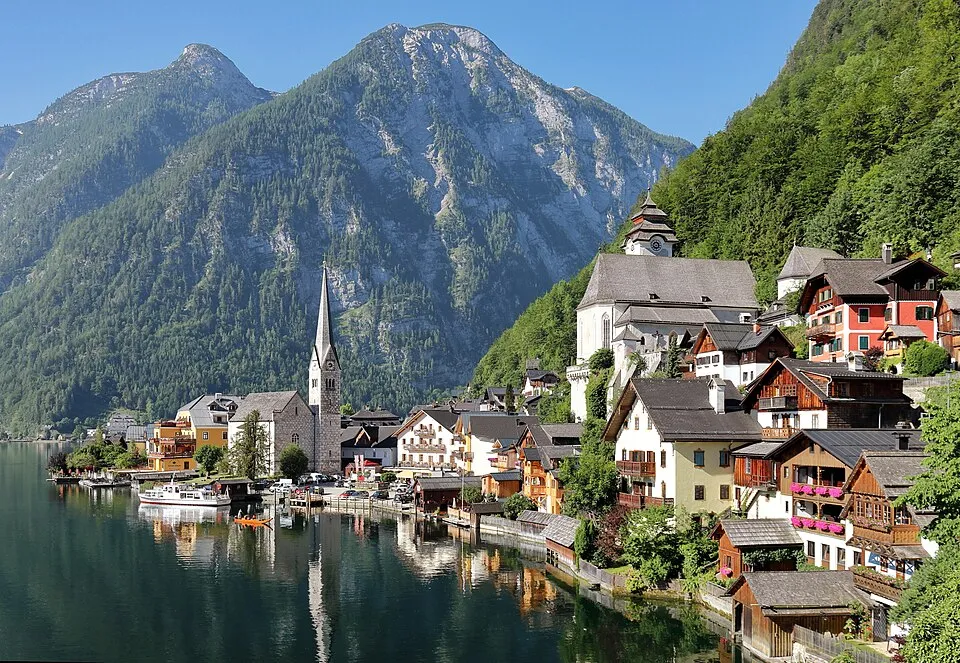
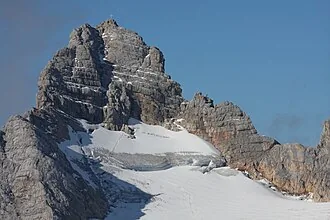
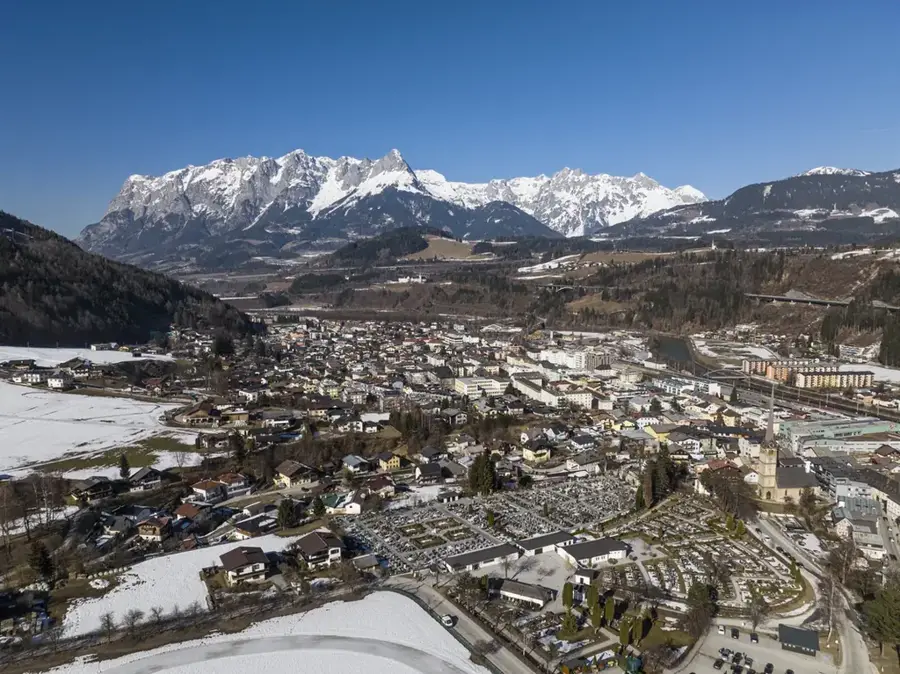
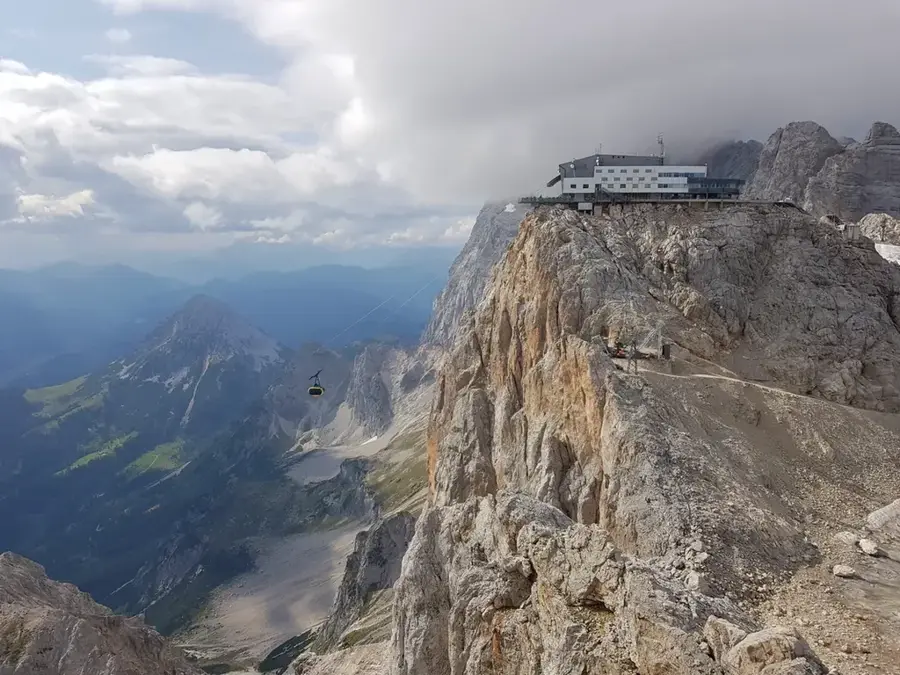
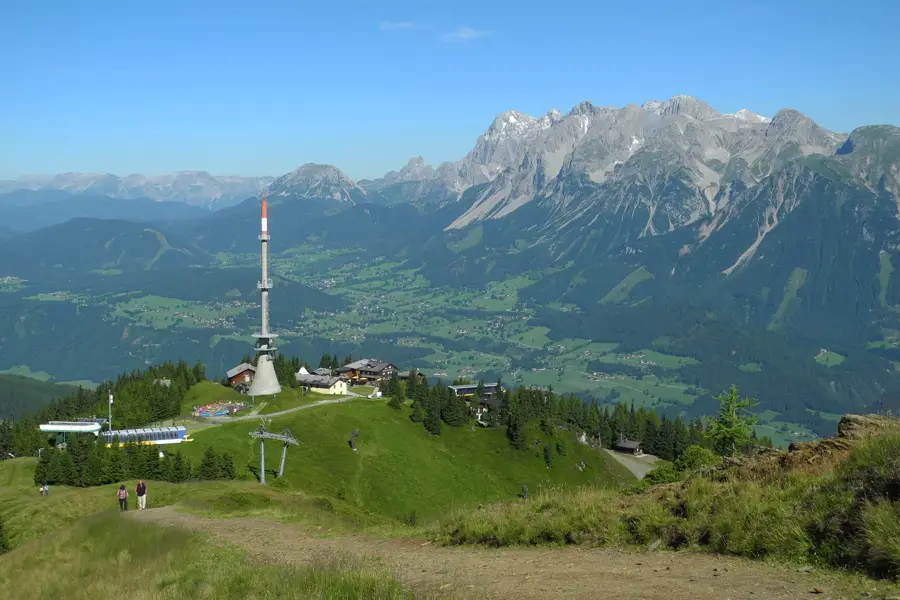
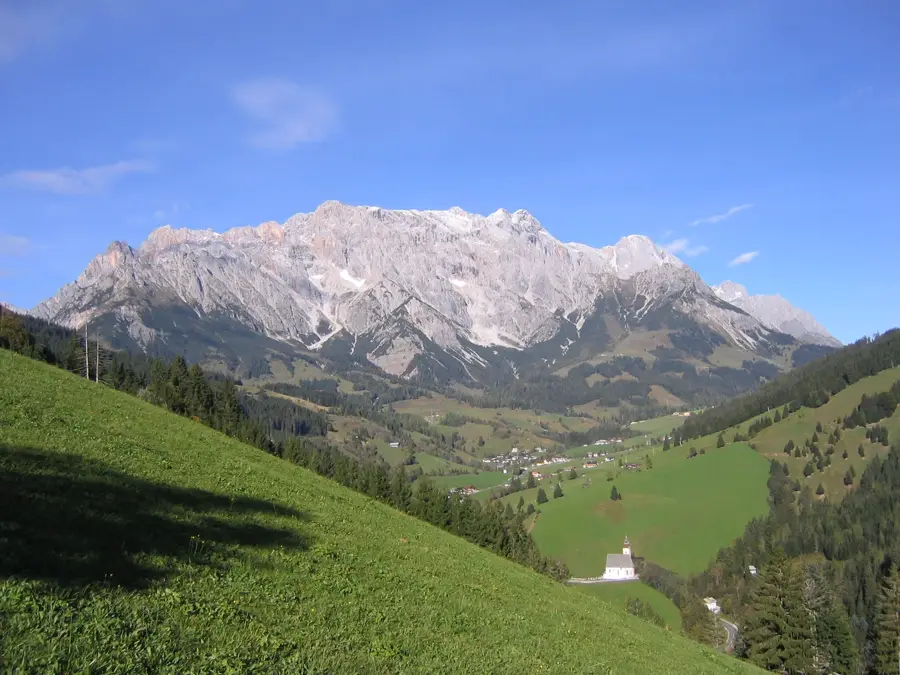
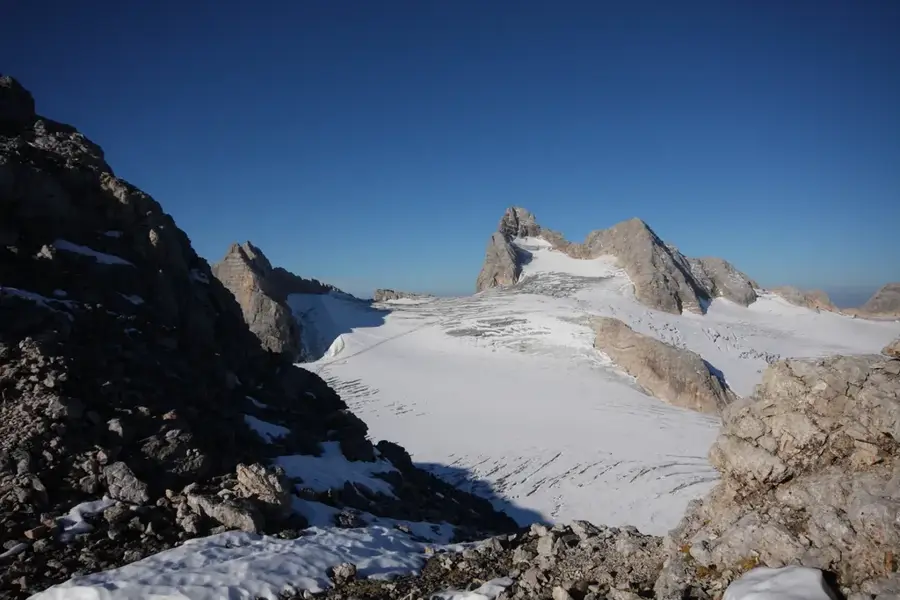
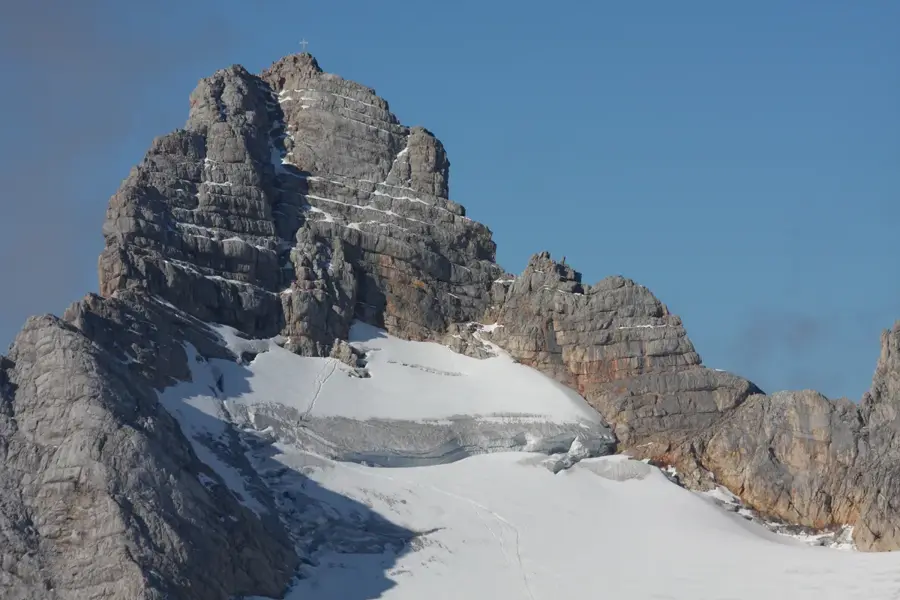
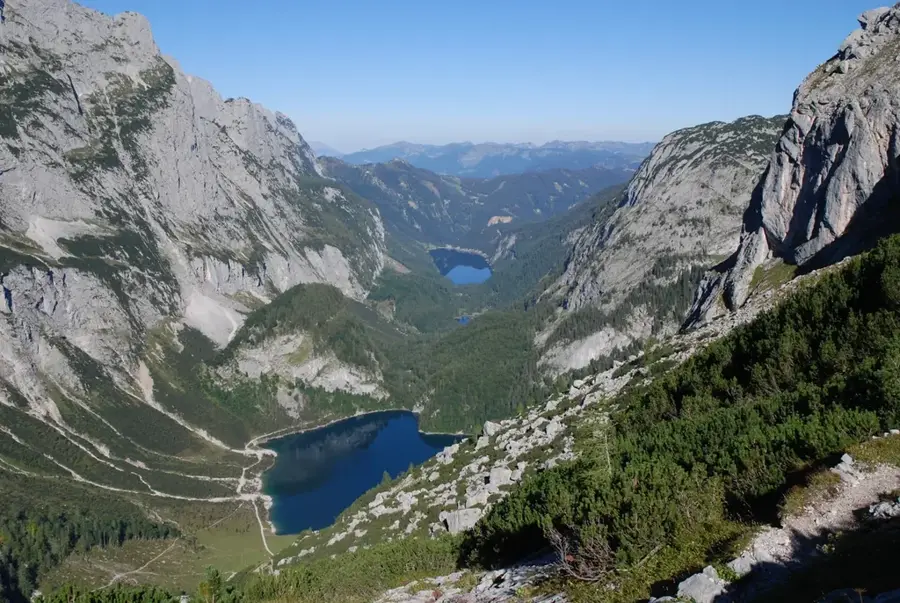
At 2,995 meters, the Hoher Dachstein is the highest peak in the Dachstein Mountains and the highest point of the Austrian states of Upper Austria and Styria. The massif is impressive for its distinctive double peak and extensive glacier areas, including the Hallstätter Glacier and the Schladminger Glacier. Geologically, the mountain is composed of Dachstein limestone, a light-colored Triassic rock responsible for the characteristic pale hue of its cliffs. The Hallstatt-Dachstein/Salzkammergut region was designated a UNESCO World Heritage site in 1997 due to its unique cultural and natural significance. Historically, the Dachstein was a stage for early mountaineering feats, with the first ascent by Peter Gappmayr in 1832 marking a significant milestone. Today, the Dachstein is a major tourist hub featuring attractions like the Skywalk and the suspension bridge, while remaining a key destination for alpinists with its challenging via ferratas and high-altitude tours.

Best time to visit & climate

The most pleasant time to visit is Jun–Aug.

JanFebMarAprMayJunJulAugSepOctNovDec
Avg °C-5-5-1491315141061-4
Rain mm82678175140167177175132967376

📋 Practical info

🧭
Getting there
Access to this prominent limestone peak is typically managed via modern cable car systems from the surrounding alpine valleys, which bring visitors close to the high glacier areas. Traditional hiking ascents from the base are generally reserved for highly experienced mountaineers due to the extreme elevation and challenging technical terrain.
📅
Best season
While the cable cars usually operate year-round to facilitate winter sports on the glacier, the prime season for general alpine touring and hiking generally peaks during the stable summer months. Venturing onto the high alpine trails outside of this summer window typically requires specialized knowledge of harsh winter mountain conditions.
⛰️
Terrain & paths
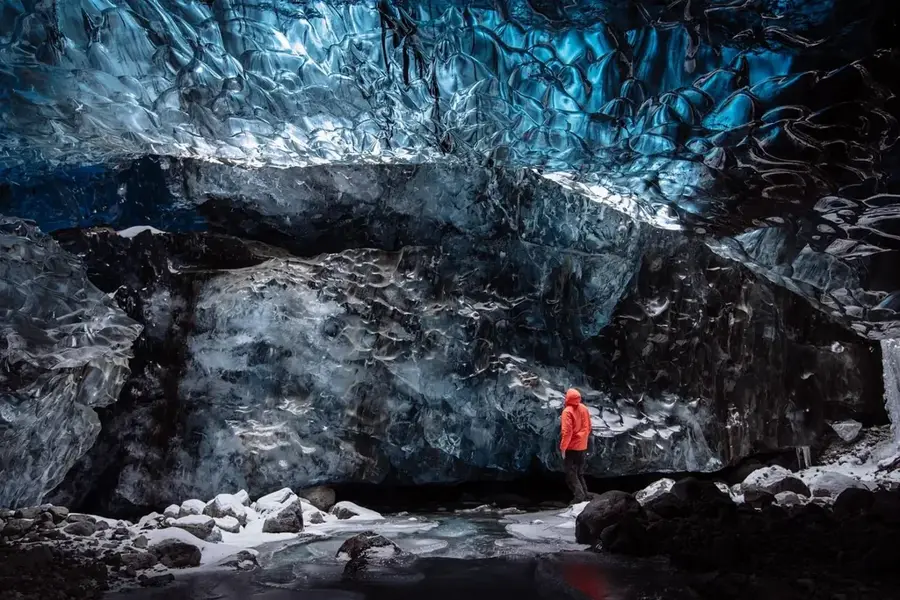
The environment surrounding the summit is typically defined by stark, jagged limestone rock faces, vast expanses of permanent glacial ice, and deeply crevassed zones. Visitors moving beyond the secured observation decks generally encounter extremely demanding alpine topography that requires absolute physical fitness and strict focus.
🎒
What to bring
For any exploration beyond the immediate cable car station, comprehensive high-alpine equipment is usually strictly required, including crampons, ice axes, and sturdy safety harnesses. Even for a brief visit to the viewing platforms, visitors should generally wear heavy, windproof winter clothing and high-quality polarized sunglasses.
🅿️
Parking
Large, well-organized parking facilities are usually located at the base stations of the primary cable cars in the valleys below, often accommodating significant numbers of tourists. It is generally advisable to arrive early during peak summer and winter seasons, as these lots can fill rapidly with day-trippers and extended-stay climbers.
⚠️
Safety
The high alpine environment here is inherently unpredictable, with sudden whiteouts, severe cold, and hidden glacial crevasses presenting constant, serious threats to the unprepared. Anyone venturing onto the glacier or the peak usually needs a professional guide, as venturing off secured routes without expertise is generally extremely dangerous.
⏱️
Time needed
A standard tourist visit utilizing the cable car to enjoy the panoramic views and secured ice attractions usually occupies a generous half-day. However, those planning a technical summit bid must generally allocate an entire, exhausting day, starting well before dawn to navigate the ice safely before afternoon warming.

Geography

Coordinates
47.47670, 13.60750

Facts

  • At 2,995 meters, the Dachstein narrowly misses the 3,000-meter mark.
  • The region was designated a UNESCO World Heritage site in 1997.
  • The Hallstätter Glacier is the largest glacier in the Northern Limestone Alps.
  • The first recorded ascent of the summit took place in the year 1832.
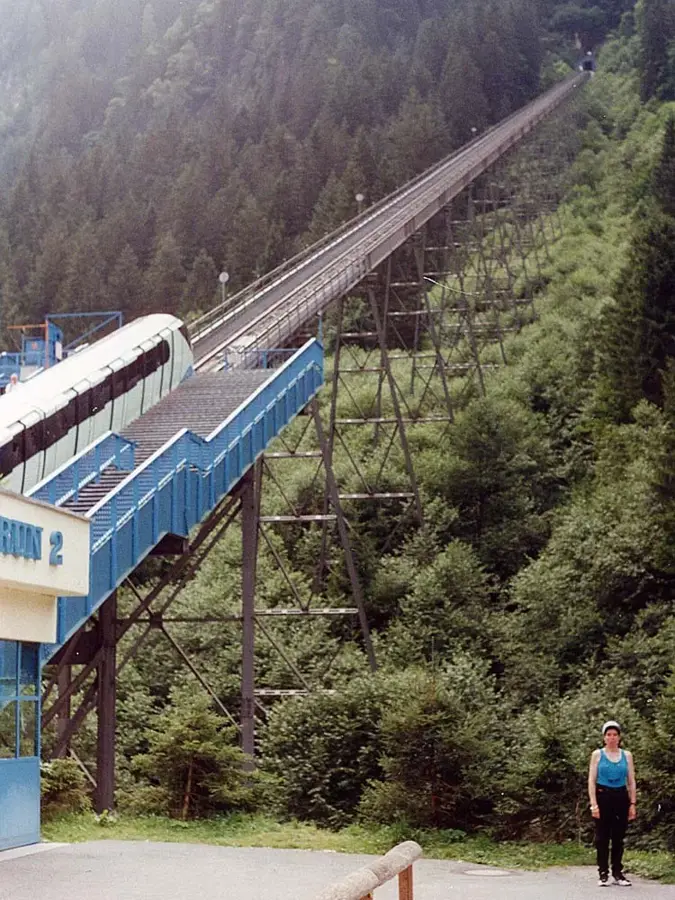
  • The Dachstein South Face cable car ascends 1,000 meters without pillars.
  • The highest suspension bridge in Austria is located on the Dachstein.

Explore nearby

Notable places around
Route planner — Car & Motorhome

Where do you start? We build the route here, with stops and country notes along the way.

Vehicle
Only stops with (optional):

© OpenStreetMap contributors · OpenRouteService

Sights nearby

Frequently asked questions

How high is the Hoher Dachstein?
It is 2,995 meters high and the highest peak in Styria and Upper Austria.
What attractions are there on the mountain?
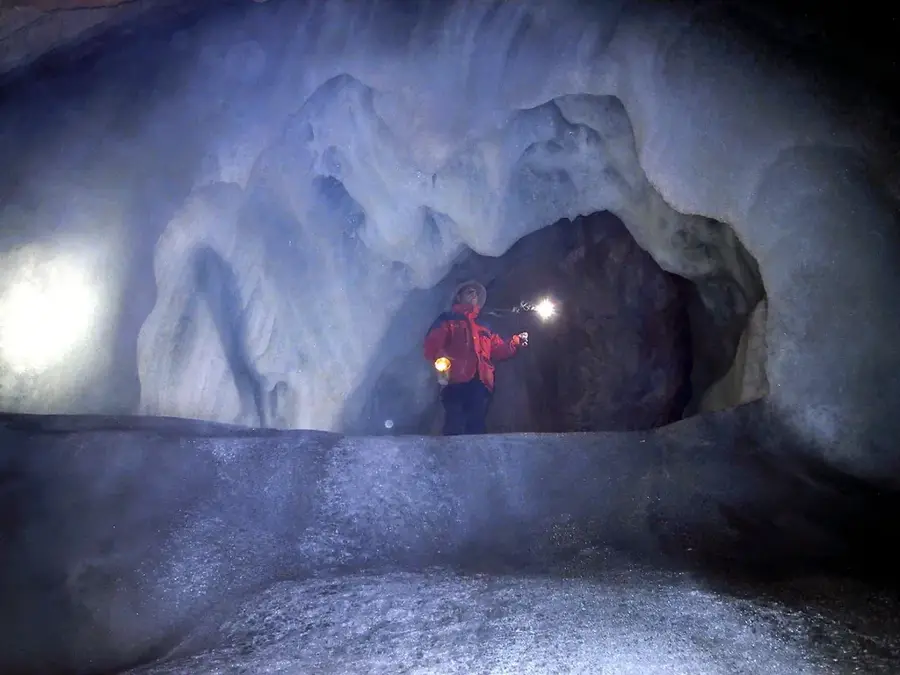
The Skywalk, the suspension bridge, the 'stairway to nothingness', and the Ice Palace.
Can you go up by cable car?
Yes, the Dachstein Glacier Cable Car takes visitors from Ramsau am Dachstein to the mountain station.
Is there snow there year-round?
There is snow year-round on the Dachstein Glacier, though summer skiing has been discontinued.
When was the first ascent?
Peter Gappmayr first reached the summit in 1832.
Hoher Dachstein: where is it located?
Hoher Dachstein is located in Salzburg, Austria.
Hoher Dachstein: when is the best time to visit?
The most pleasant time to visit is Jun, Aug.
Hoher Dachstein: why is it worth visiting?

At 2,995 meters, the Hoher Dachstein is the highest peak in the Dachstein Mountains and the highest point of the Austrian states of Upper Austria and Styria.
View on map → The Top 50 Attractions → OpenStreetMap →
Europe
Explore with Plizio Discover more places in Europe
More places in Austria →

Nearby cities

History & landmarks
Nature
More places