Plizio Visual Lab

Schneeberg
Plizio editorial teamData Sources
Mountain
—°7
Schneeberg (Austria)

Weather…

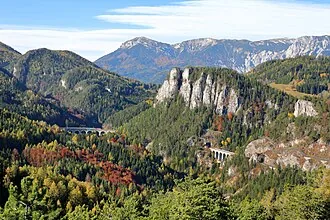
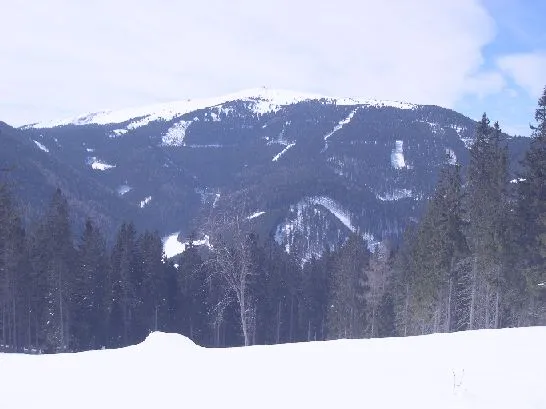
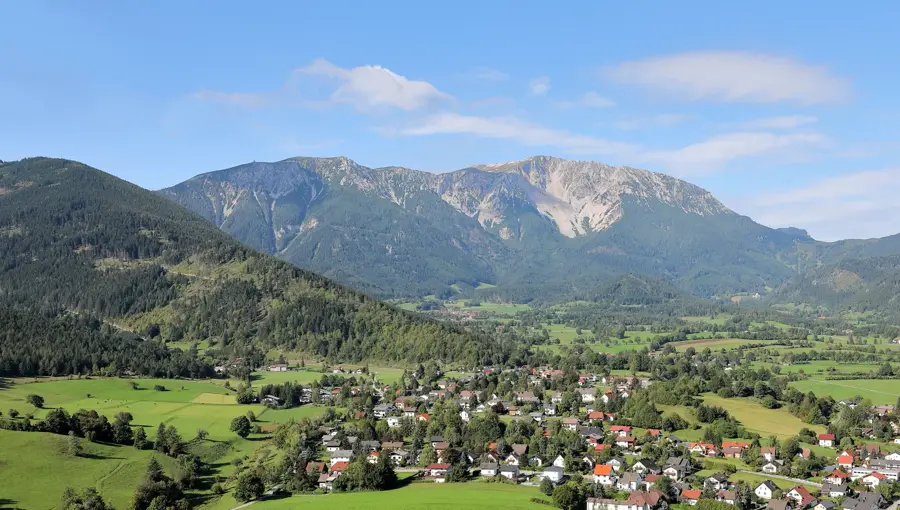
Schneeberg is the highest mountain in Lower Austria and, together with the neighboring Rax, forms the Rax-Schneeberg Group in the Northern Limestone Alps. Its highest point, the Klosterwappen, reaches an elevation of 2,076 meters above sea level. Due to its striking appearance and proximity to Vienna, it is a dominant feature of the landscape and a popular recreational area. A significant historical highlight is the Schneeberg Railway, a rack railway that has been transporting visitors to the high plateau since its opening in 1897. Furthermore, the mountain plays a crucial role in Vienna's water supply, as it hosts the springs for the First Vienna Mountain Spring Pipeline, which has provided the city with fresh drinking water since 1873. The flora of Schneeberg is characterized by alpine meadows and rare calciphilous plant species, while the wildlife includes chamois and various birds of prey.

Best time to visit & climate

The most pleasant time to visit is Jun–Aug.

JanFebMarAprMayJunJulAugSepOctNovDec
Avg °C-2041014192120151040
Rain mm433846418591888779544543

📋 Practical info

🧭
Getting there
The prominent Schneeberg mountain is most conveniently accessed via the village of Puchberg am Schneeberg, which typically serves as the base station for the famous cog railway. Hikers can also choose to conquer Lower Austria's highest peak by ascending from the Höllental valley or via other classic routes.
📅
Best season
The primary hiking season traditionally runs from late spring through autumn, when temperatures on the high plateau are generally quite pleasant. During the winter, the mountain often becomes a prime destination for experienced ski tourers, though regular hiking trails are usually heavily snowed in or icy.
⛰️
Terrain & paths
The landscape is remarkably diverse; the gentle, expansive alpine meadows of the high plateau stand in stark contrast to the incredibly steep, rocky flanks and gullies below. Depending on the chosen path, difficulty levels range from moderate walking trails to highly challenging, unsecured alpine ascents.
🎒
What to bring
Sturdy, ankle-supporting mountain boots and functional, layered outdoor clothing are an absolute must for any excursion on this mountain. Because weather in the Northern Limestone Alps can deteriorate remarkably fast, rain protection, warm layers, and plentiful drinking water should always be in your pack.
🅿️
Parking
Visitors will usually find generously sized parking areas, some of which require a parking fee, in Puchberg as well as at trailheads in Höllental and Losenheim. On sunny summer weekends, however, these spots tend to fill up extraordinarily quickly, so a very early morning arrival is highly recommended.
⚠️
Safety
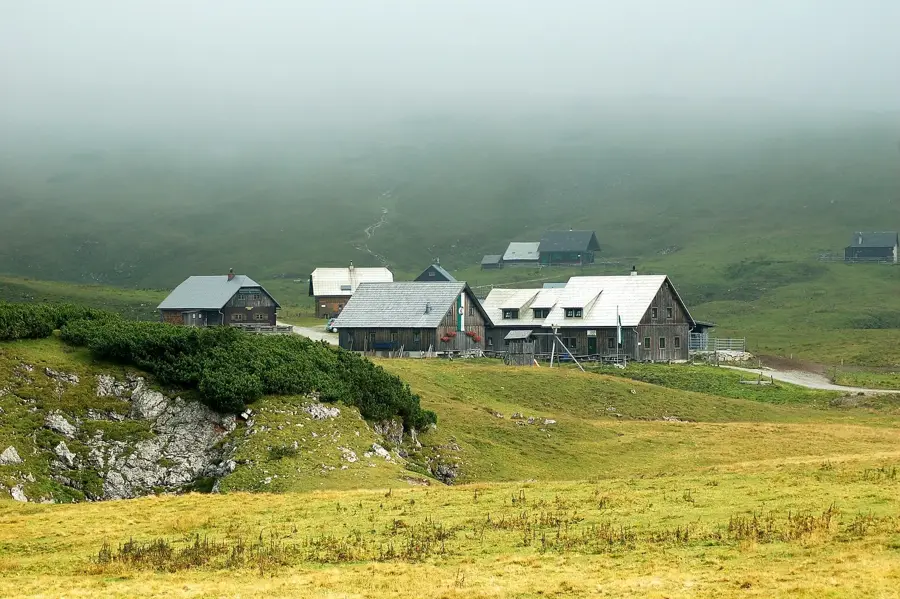
Due to its exposed, freestanding nature, the Schneeberg plateau is frequently subject to fierce winds and incredibly sudden weather shifts. If fog descends, it is absolutely critical for hikers to remain exclusively on marked paths, as navigation across the broad plateau can quickly become dangerously disorienting.
⏱️
Time needed
Utilizing the mountain railway for the ascent followed by a leisurely walk around the summit plateau usually makes for a very pleasant half-day trip. Conversely, those attempting a full ascent and descent on foot should realistically plan for a strenuous, full-day outing requiring excellent physical stamina.

Geography

Coordinates
47.75000, 15.80000

Facts

  • Klosterwappen is the highest peak in Lower Austria at 2,076 meters.
  • The Schneeberg rack railway was officially opened in the year 1897.
  • The mountain has supplied drinking water to Vienna since 1873.
  • Geologically, Schneeberg consists primarily of Wetterstein limestone.
  • The Empress Elisabeth Memorial Church is located at 1,796 meters.
  • On clear days, the Schneeberg is clearly visible from the city of Vienna.

Explore nearby

Notable places around
Route planner — Car & Motorhome

Where do you start? We build the route here, with stops and country notes along the way.

Vehicle
Only stops with (optional):

© OpenStreetMap contributors · OpenRouteService

Sights in the town Schneeberg (7)

Wasserleitungsmuseum🏛 museum

This museum documents the history of Vienna's water supply originating from the Schneeberg.

Kaiserstein📍 landmark

A peak on the Schneeberg massif, easily accessible for hikers.

Waxriegel🌿 nature

A popular viewpoint on the Schneeberg with a wide view over the Vienna Basin.

Klosterwappen📍 landmark

At 2,076 meters, Klosterwappen is the highest peak of the Schneeberg and Lower Austria.

Elisabethkirchlein📍 landmark

The small memorial church on the Schneeberg was built in honor of Empress Elisabeth.

Turmstein🌿 nature

A prominent rock on the Schneeberg offering expansive views of the surrounding Alpine landscape.

Sitzstatt🌿 nature

A viewpoint on the Schneeberg inviting visitors to rest and enjoy the panorama.

Sights nearby

Frequently asked questions

Where is the Schneeberg located?
It is the highest mountain in Lower Austria, located about 70 km southwest of Vienna.
How do you get to the summit?
By hiking or comfortably with the historic Schneebergbahn (cog railway) from Puchberg.
What is the highest point called?
The highest peak of the massif is the Klosterwappen at 2,076 meters.
What is the 'Salamander Train'?
That is what the modern, yellow-and-black painted railcars of the Schneebergbahn are called.
What role does the Schneeberg play for Vienna?
It is an important spring protection area for Vienna's mountain spring water supply.
Schneeberg: where is it located?
Schneeberg is located in Lower Austria, Austria.
Schneeberg: what is there to see?
Highlights include Wasserleitungsmuseum, Kaiserstein, Waxriegel.
Schneeberg: when is the best time to visit?
The most pleasant time to visit is Jun, Aug.
Schneeberg: why is it worth visiting?
Schneeberg is the highest mountain in Lower Austria and, together with the neighboring Rax, forms the Rax-Schneeberg Group in the Northern Limestone Alps.
View on map → The Top 50 Attractions → OpenStreetMap →
Europe
Explore with Plizio Discover more places in Europe
More places in Austria →

Nearby cities

History & landmarks