Plizio Visual Lab
Tartagal
ℹ️Practical info — Tartagal
▾
🌤 Weather — 5 days
📍 Nearby
Sights nearby
💡 Tips
- Summers are extremely hot; plan outdoor activities for early morning or late afternoon.
- Bus travel is the most practical way to reach other towns in Salta province.
- Keep insect repellent handy due to the tropical climate.
- The local culture is a blend of traditional Argentine and indigenous influences; respect local customs.
🍽 Food
Try these traditional baked empanadas filled with meat, potato, and egg at a local rotisería.
A hearty traditional stew, best enjoyed at traditional bodegones during colder months or national holidays.
Corn dough filled with meat, wrapped in husks, widely available at local food stalls.
🛍 Shopping · 🧘 Quiet spots
Look for indigenous Chané and Wichí wooden carvings and textiles in local artisan markets.
Buy locally made jams and pickled products at the municipal market.
A peaceful sanctuary positioned in the hills just outside the city, excellent for reflection and nature walks.
The central square is a great spot to sit under the shade of trees during the quieter afternoon hours.
Water temperature…
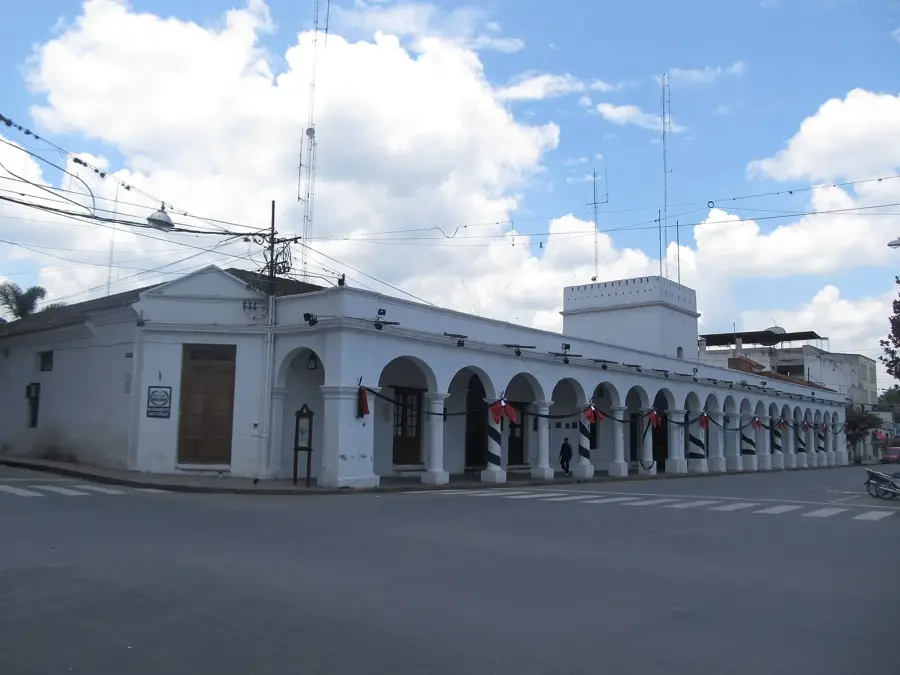
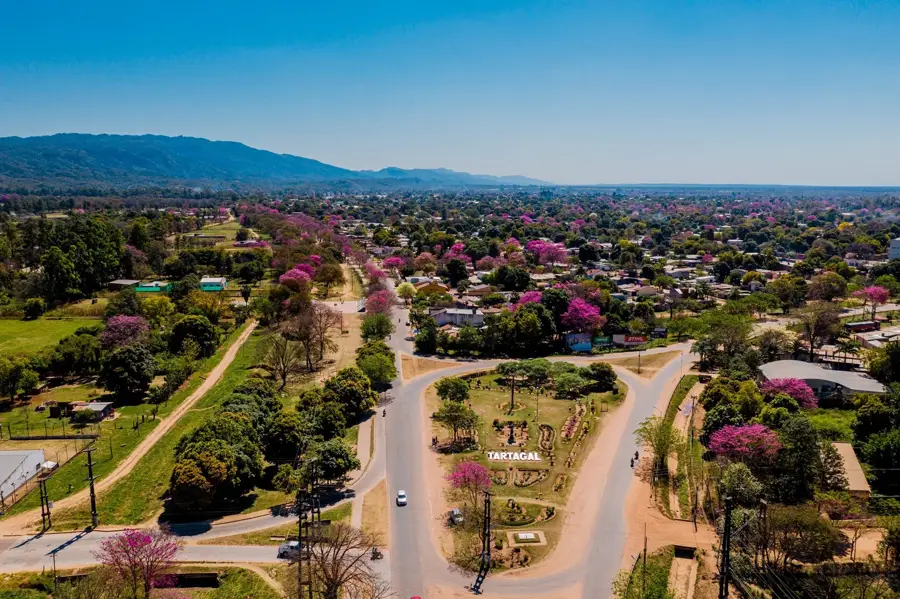
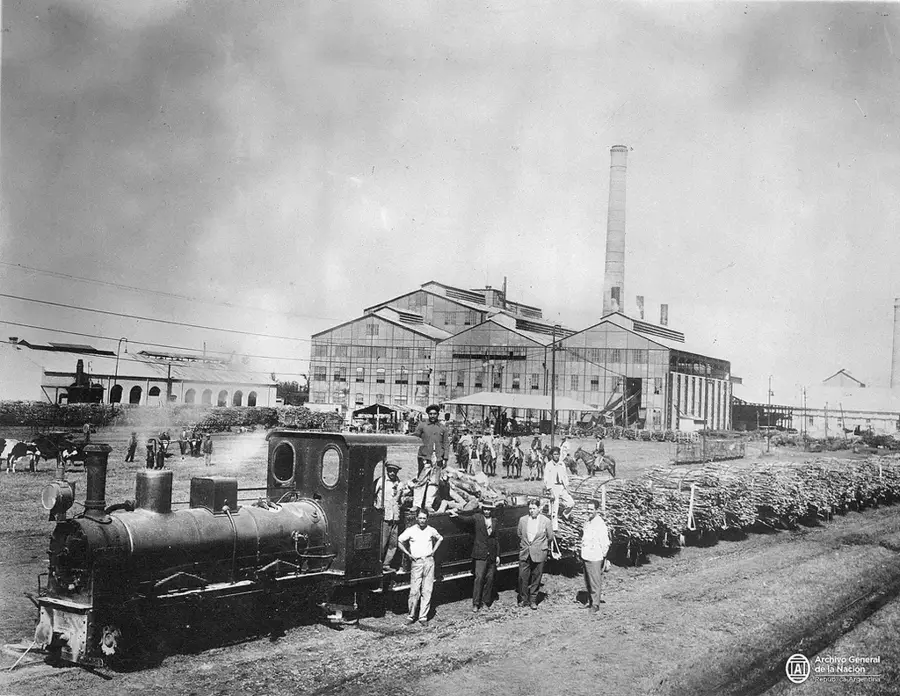
Tartagal is a strategically vital city located in northern Salta Province, approximately 50 kilometers from the border with Bolivia. Formally founded in 1924, its development was initially spurred by the expansion of the railway system into the northern territories. The city serves as the regional headquarters for Argentina's northern oil and gas industry, an economic sector that has driven its growth for nearly a century. In addition to energy, forestry is a key industry, as the surrounding dry forests yield valuable hardwoods for construction and export. Tartagal is also noted for its rich cultural diversity, being home to several indigenous groups, including the Wichí and Chiriguano peoples, who contribute to the city's unique social fabric. Recent years have seen significant investments in public infrastructure to support both the industrial sector and the rising population. Its position as a gateway to Bolivia and its wealth of natural resources establish Tartagal as a critical hub for regional trade and energy production.
- Location: Argentina
- Top sights: Iglesia Ortodoxa · Parroquia La Purísima · Centro Cultural Tartagal
- Nearby: San Ramón de la Nueva Orán (65 km)
- Population: ~60.819 (2026)
Best time to visit & climate
The most pleasant time to visit is May, Jul, Aug.
| Jan | Feb | Mar | Apr | May | Jun | Jul | Aug | Sep | Oct | Nov | Dec | |
|---|---|---|---|---|---|---|---|---|---|---|---|---|
| Avg °C | 27 | 26 | 25 | 23 | 19 | 18 | 18 | 21 | 24 | 27 | 28 | 27 |
| Rain mm | 167 | 182 | 131 | 66 | 22 | 10 | 5 | 4 | 10 | 47 | 89 | 159 |
Geography
Facts
- Tartagal was officially established on June 13, 1924.
- The city is the administrative capital of the General José de San Martín Department.
- The region once produced approximately 25% of Argentina's total natural gas.
- Seven different indigenous ethnic groups reside in the Tartagal area.
- The city is a key stop along the National Route 34 highway.
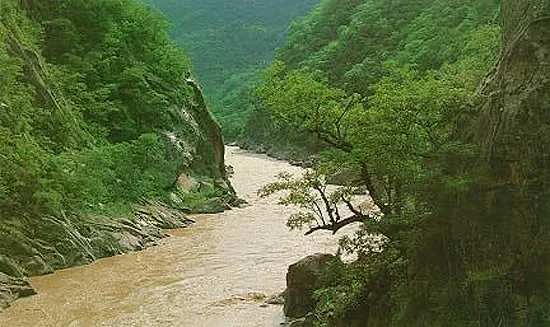
- In 2009, the city experienced a devastating mudslide caused by the Tartagal River.
Explore nearby
Notable places around

Route planner — Car & Motorhome
Where do you start? We build the route here, with stops and country notes along the way.
© OpenStreetMap contributors · OpenRouteService
Sights in the town Tartagal (6)
Capilla Santísima Trinidad⛪ church
Chapel of the Holy Trinity in Tartagal, a place for worship.
Capilla San Francisco Solano - La Loma
Old adobe chapel, seat of the Franciscan mission La Loma, with green spaces and a viewpoint.
Frequently asked questions
How many days do you need in Tartagal?
What is the best time to visit Tartagal?
How do you get to Tartagal?
What is Tartagal known for?
Is Tartagal family-friendly?
Tartagal: where is it located?
Tartagal: what is there to see?
Tartagal: when is the best time to visit?
Tartagal: why is it worth visiting?
Nearby cities