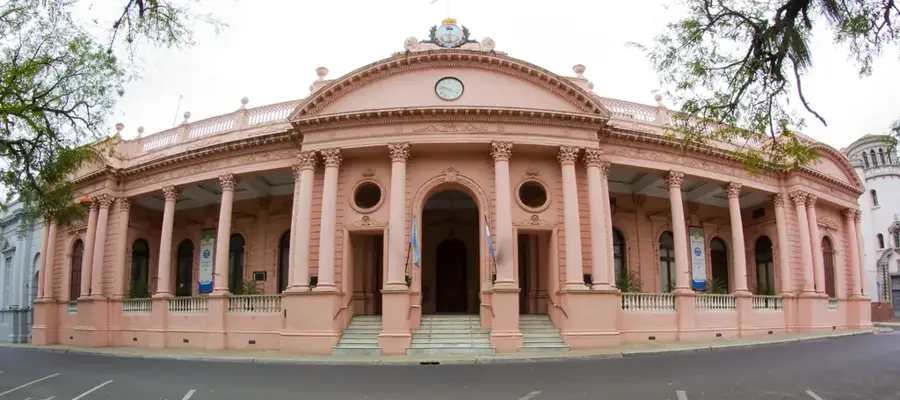

Museo Provincial de Ciencias Naturales "Dr. Arturo Umberto Illía"🏛 museum
This provincial natural history museum in Córdoba features extensive exhibits on regional paleontology, geology, and biodiversity.
🌐 cba.gov.ar🕒 Tu-Su 10:00-19:00
Plizio Visual Lab
The iconic local drink, found in every bar, especially in the Güemes neighborhood.
Grab this typical sausage sandwich from the carts in Parque Sarmiento.
Huge and delicious steak sandwiches to try at local fast-food joints.
Fruit-filled rather than dulce de leche, available at central bakeries.
Visit the bustling weekend market at Paseo de las Artes.
High-quality leather products can be found in the boutiques in the microcentro.
A massive green space featuring a rose garden and a scenic lake.
Enjoy the relaxing fountains and outdoor seating.
Water temperature…
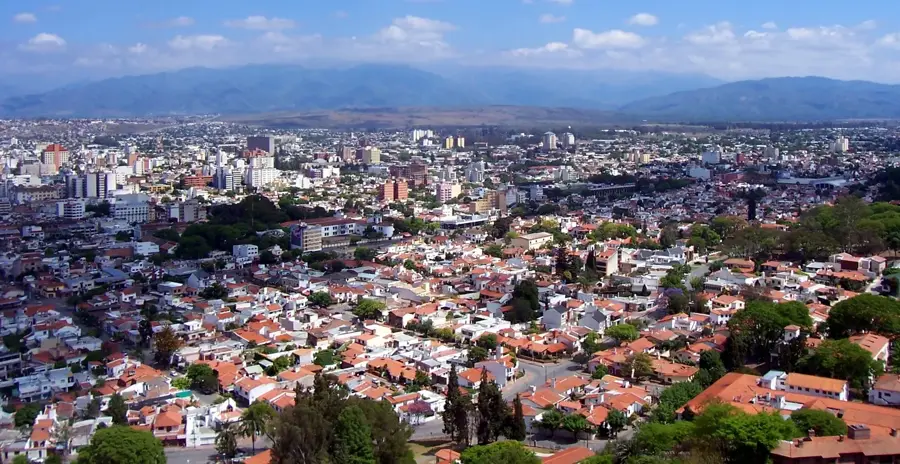
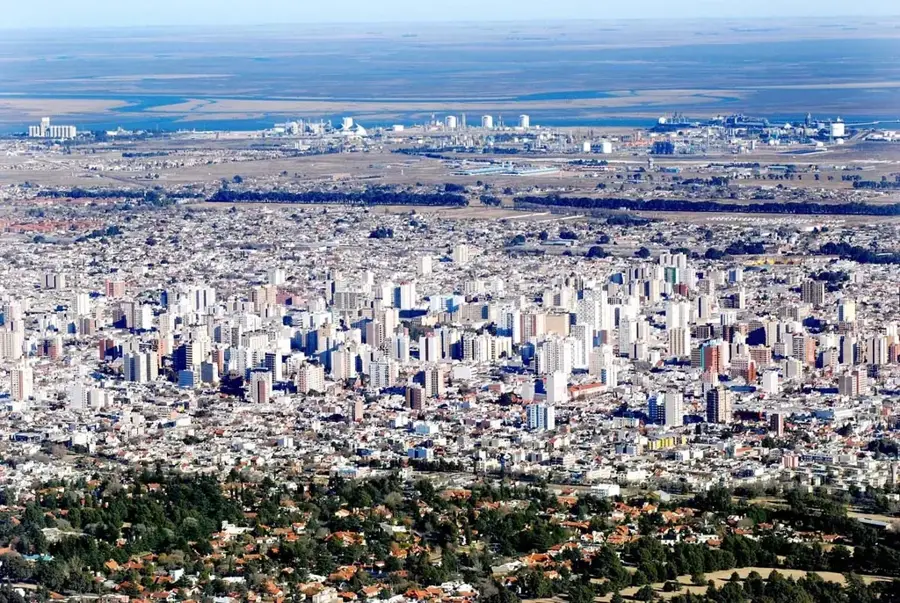
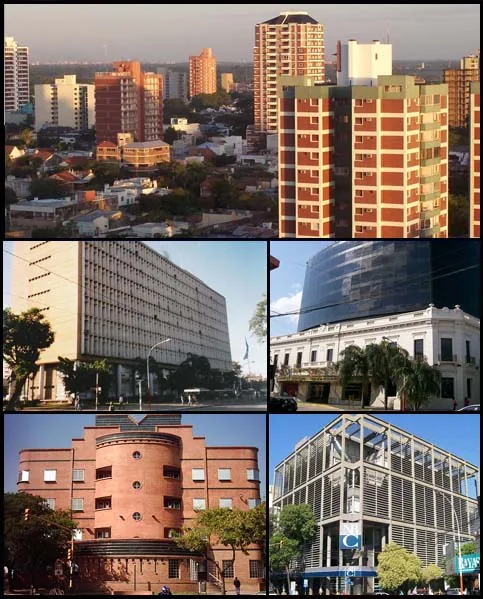
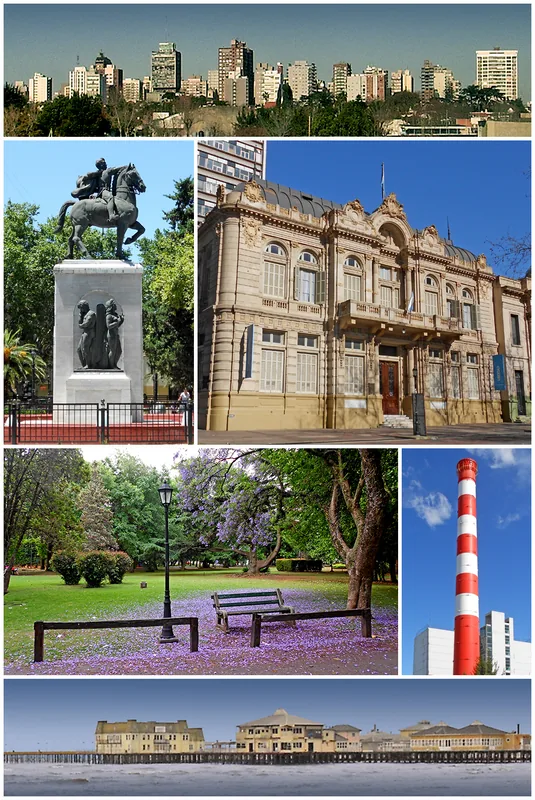
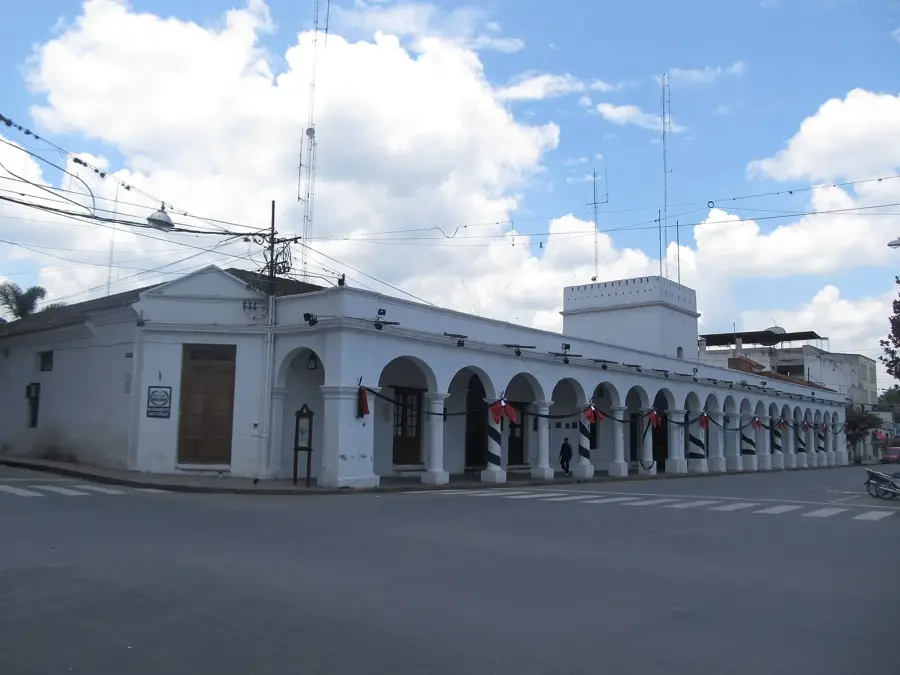
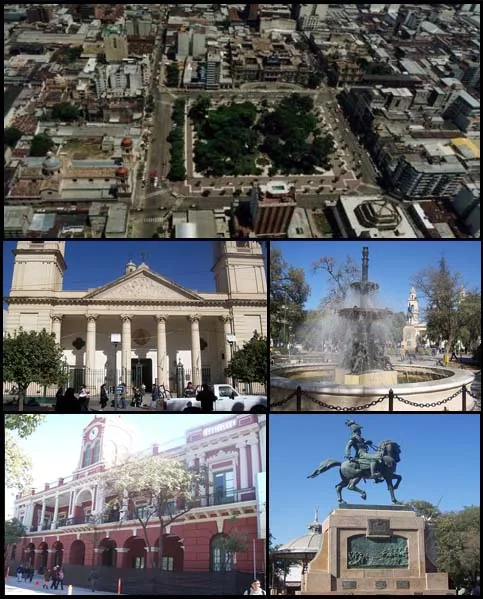
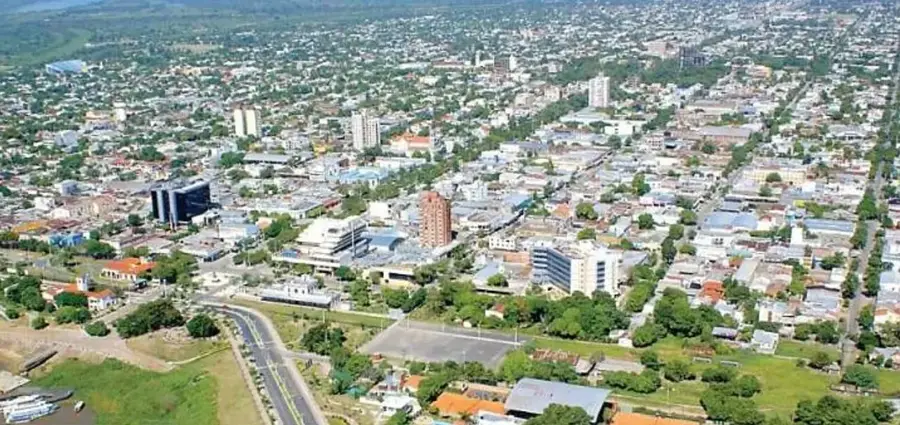
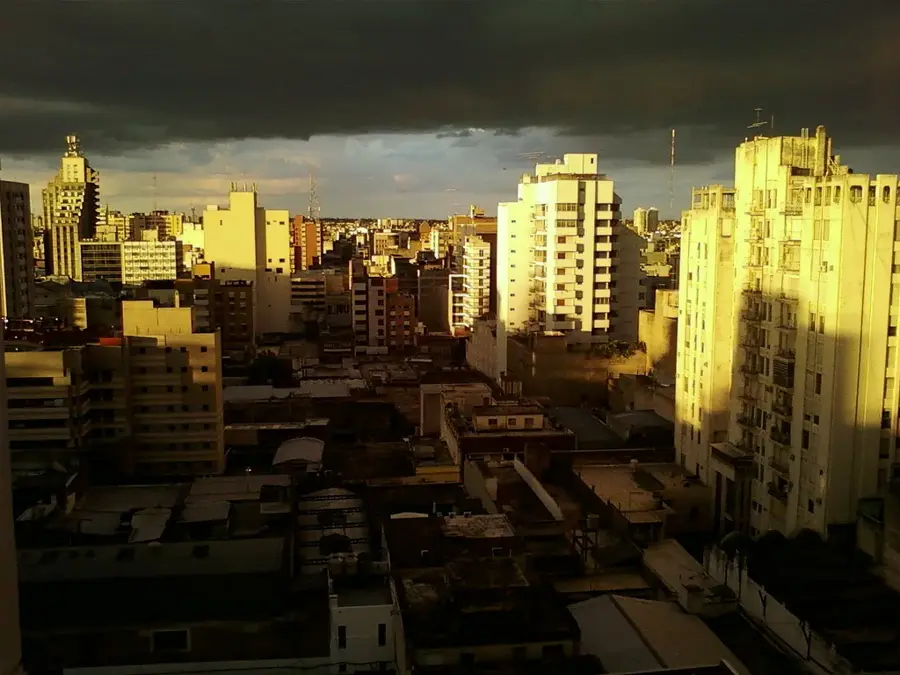
Córdoba, located in the geographical heart of Argentina, is the country's second-largest city and a major center for culture, industry, and education. Founded in 1573 by Jerónimo Luis de Cabrera, it served as an important religious and administrative capital during the Spanish colonial era. The city is famously known as 'La Docta' (The Learned) due to the presence of the National University of Córdoba, founded in 1613, which is one of the oldest in the Americas. The Jesuit Block and Estancias of Córdoba, a UNESCO World Heritage site, preserve the remarkable 17th-century architecture of the Jesuit order, including the university buildings, the Church of the Society of Jesus, and the residential quarters. Modern Córdoba is a dynamic metropolis characterized by its diverse economy, which includes a world-class automotive industry, aerospace development, and a burgeoning technology sector often referred to as a South American tech hub. The city's urban landscape features a blend of historic Spanish plazas and contemporary districts like Nueva Córdoba, bustling with a large student population and a bustling nightlife. Culturally, Córdoba is the birthplace of Cuarteto music, a high-energy genre that is a cornerstone of local identity and festivals. Geographically, the city lies in a fertile valley surrounded by the Sierras de Córdoba mountains, which offer memorable landscapes, rivers, and lakes for recreation and tourism. The temperate climate makes it a year-round destination for those seeking both urban sophistication and natural beauty. With its unique dialect, rich culinary traditions, including the famous 'Asado' and 'Fernet with Coca', and a strong sense of civic pride, Córdoba remains a vital pillar of Argentine social and economic life, balancing its deep-rooted traditions with a forward-looking industrial spirit.
The most pleasant time to visit is Mar, Apr, Oct.
| Jan | Feb | Mar | Apr | May | Jun | Jul | Aug | Sep | Oct | Nov | Dec | |
|---|---|---|---|---|---|---|---|---|---|---|---|---|
| Avg °C | 25 | 24 | 21 | 18 | 13 | 10 | 10 | 12 | 15 | 19 | 22 | 24 |
| Rain mm | 127 | 131 | 115 | 64 | 25 | 9 | 9 | 8 | 32 | 71 | 117 | 113 |
See what it looks like near Córdoba right now.
Cordoba: Bv Poniente Umberto Arturo Illia · 0.2 km · Open webcam on Windy · Webcams provided by Windy.com
Notable places around
Where do you start? We build the route here, with stops and country notes along the way.
© OpenStreetMap contributors · OpenRouteService
This provincial natural history museum in Córdoba features extensive exhibits on regional paleontology, geology, and biodiversity.
This Syriac Orthodox church in Córdoba provides a spiritual home for the Eastern Christian community, featuring distinct Middle Eastern liturgical traditions.