Plizio Visual Lab
Buenos Aires
ℹ️Practical info — Buenos Aires
▾
🌤 Weather — 5 days
📍 Nearby
Sights nearby
💡 Tips
- Buy a SUBE card immediately; it's mandatory for all public transport including the Subte and buses.
- Dinner is served very late here; restaurants often don't get busy until 9:00 PM or later.
- Keep an eye on your belongings in crowded tourist areas like La Boca and the San Telmo market.
- To change money, exchange cash via trusted 'cuevas' for the 'dólar blue' rate, which is much better than the official one.
- Taxis are black and yellow, but ride-sharing apps like Cabify or Uber are widely used, safer, and often cheaper.
🍽 Food
The classic thick sirloin steak; best enjoyed at a traditional parrilla in Palermo or San Telmo.
A thick, onion and double-cheese stuffed pizza, famous at historic pizzerias on Avenida Corrientes.
While locals drink mate at home, try mate-flavored treats or classic pastries in a traditional 'Café Notable'.
🛍 Shopping · 🧘 Quiet spots
The famous Sunday street market on Calle Defensa, packed with antiques, leather goods, and crafts.
The best neighborhood for independent boutique clothing, shoes, and contemporary Argentine design.
A busy downtown pedestrian street, well-suited for quickly finding leather jackets, alfajores, and souvenirs.
A massive, peaceful nature reserve right next to Puerto Madero with long trails near the river.
Extensive parks with rose gardens and lakes, first-rate for a picnic or renting a pedal boat.
Water temperature…
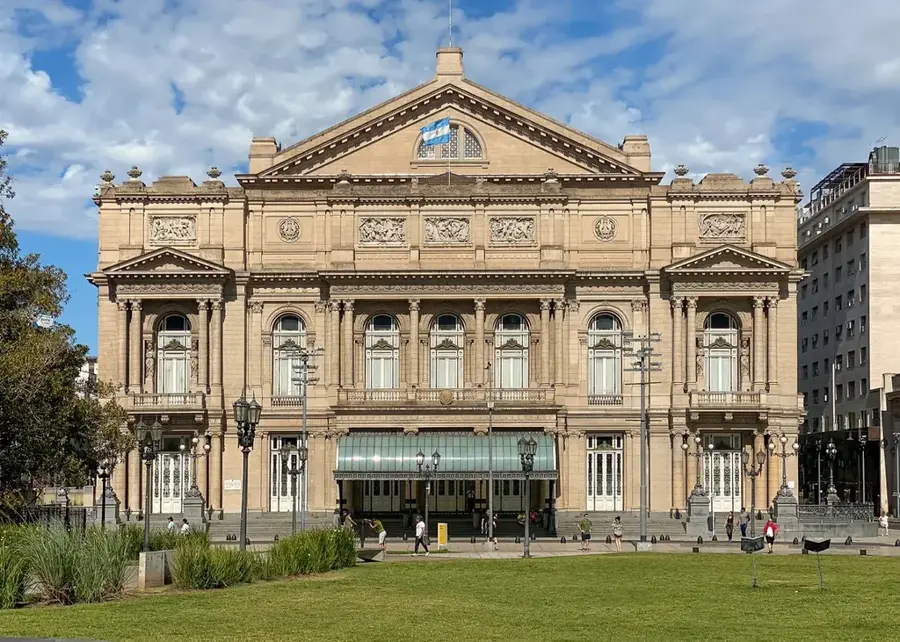
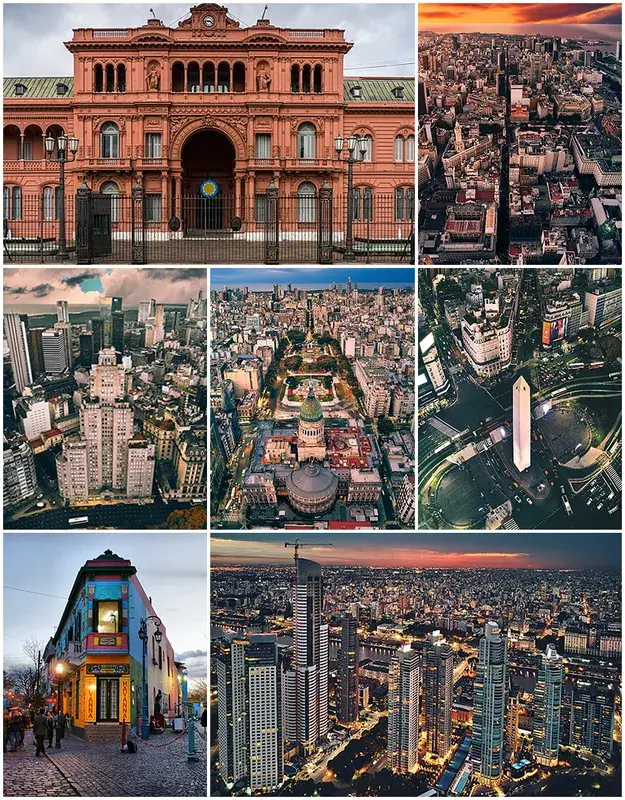
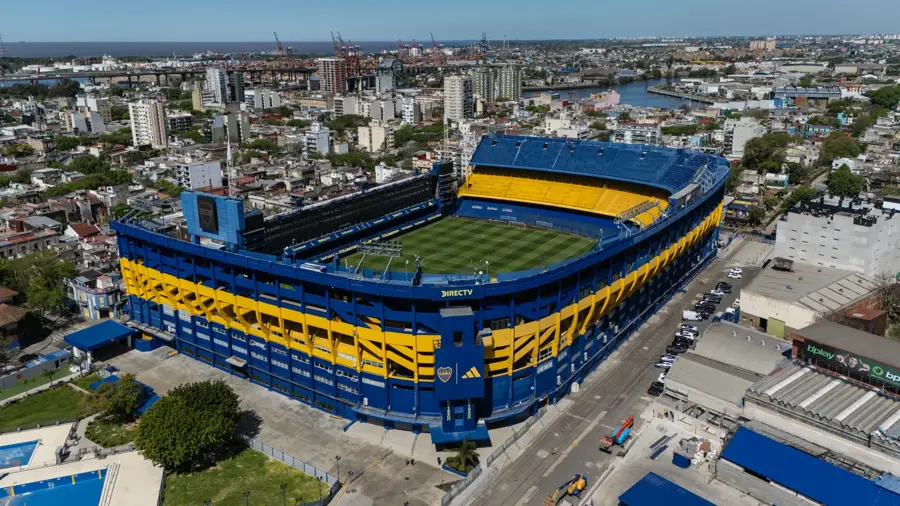
Buenos Aires is the spirited, cosmopolitan capital of Argentina and one of the largest urban areas in the Southern Hemisphere, situated on the western shore of the Río de la Plata estuary. Originally founded in 1536 and refounded in 1580, the city grew from a colonial backwater into a wealthy global metropolis during the late 19th and early 20th centuries, fueled by waves of European immigration. This history is etched into its grand architecture, which earned it the nickname 'The Paris of the South,' particularly in neighborhoods like Recoleta and Retiro. The city is a major political and financial center, anchored by the historic Plaza de Mayo and the iconic Casa Rosada presidential palace. Buenos Aires is the birthplace of the tango, a dance and musical genre that embodies the city's melancholic yet passionate spirit, still celebrated in neighborhood milongas. It is also a city of letters, boasting more bookstores per capita than any other city in the world, including the magnificent El Ateneo Grand Splendid. The Teatro Colón is a crown jewel of its cultural scene, ranked as one of the world's finest opera houses for its acoustic excellence. Economically, the Port of Buenos Aires is the gateway for the country's agricultural exports, while the city's service and technology sectors drive modern growth. The inhabitants, known as 'Porteños,' are famous for their intense love for football, with the city hosting dozens of clubs, most notably the fierce rivals Boca Juniors and River Plate. Public education is a point of pride, led by the University of Buenos Aires (UBA), which is free and open to all. With its diverse barrios, from the colorful streets of La Boca to the sleek skyscrapers of Puerto Madero, Buenos Aires is a dynamic blend of historic tradition and contemporary innovation, maintaining its status as Latin America's cultural capital.
- Location: Argentina
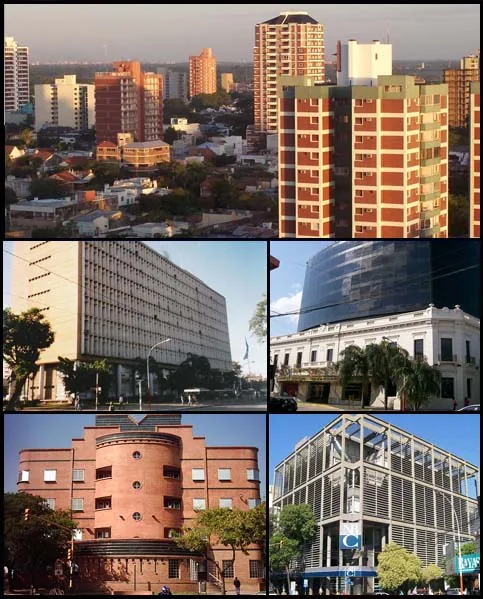
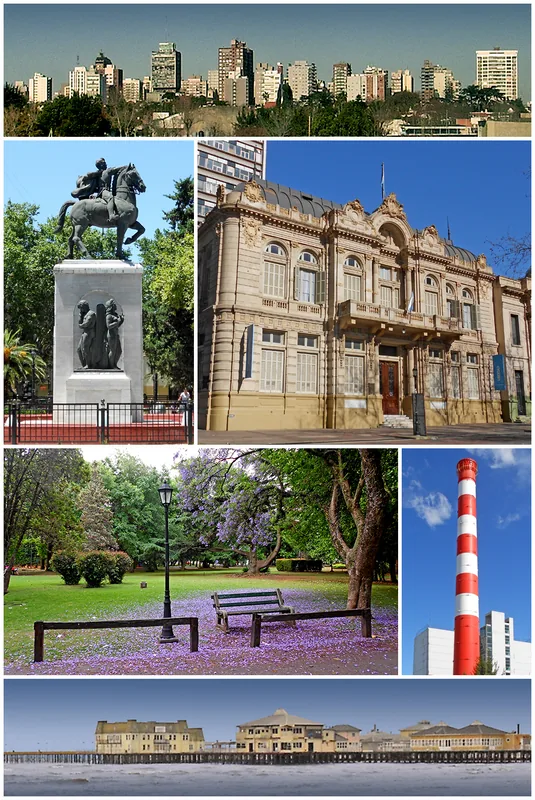
- Top sights: Lisandro de la Torre · Gran Logia de la Argentina de Libres y Aceptados Masones · Apolo
- Nearby: Lanús (6 km)
- Population: ~2.891.082 (2024)
Best time to visit & climate
The most pleasant time to visit is Mar, Nov, Dec.
| Jan | Feb | Mar | Apr | May | Jun | Jul | Aug | Sep | Oct | Nov | Dec | |
|---|---|---|---|---|---|---|---|---|---|---|---|---|
| Avg °C | 25 | 24 | 21 | 17 | 13 | 10 | 9 | 11 | 13 | 17 | 20 | 23 |
| Rain mm | 110 | 125 | 122 | 100 | 72 | 49 | 68 | 69 | 80 | 113 | 104 | 97 |
Live webcam – Buenos Aires
See what it looks like near Buenos Aires right now.
Autonomous City of Buenos Aires: OFICINA EXTERNA · 0 km · Open webcam on Windy · Webcams provided by Windy.com
Geography
Facts
- Buenos Aires was founded twice: in 1536 and successfully in 1580.
- The 67-meter Obelisk stands at the intersection of Avenida 9 de Julio and Corrientes.
- The city's 'Subte' subway system opened in 1913, the first in the Southern Hemisphere.
- The Port of Buenos Aires handles about 60% of Argentina's total maritime trade.
- The city's official area is 203 square kilometers, but the metro area is much larger.
- The University of Buenos Aires (UBA) is free for both domestic and foreign students.
- El Ateneo Grand Splendid was named the world's most beautiful bookstore by National Geographic.
- The city hosted the first-ever Pan American Games in 1951.
Explore nearby
Notable places around
Route planner — Car & Motorhome
Where do you start? We build the route here, with stops and country notes along the way.
© OpenStreetMap contributors · OpenRouteService
Sights in the town Buenos Aires (9)
Frequently asked questions
How many days do you need for Buenos Aires?
What is the best time to visit?
What is the best way to get around?
What should you eat locally?
Is Buenos Aires family-friendly?
Buenos Aires: where is it located?
Buenos Aires: what is there to see?
Buenos Aires: when is the best time to visit?
Buenos Aires: why is it worth visiting?
Nearby cities