Plizio Visual Lab
Paraná
ℹ️Practical info — Paraná
▾
🌤 Weather — 5 days
📍 Nearby
Sights nearby
💡 Tips
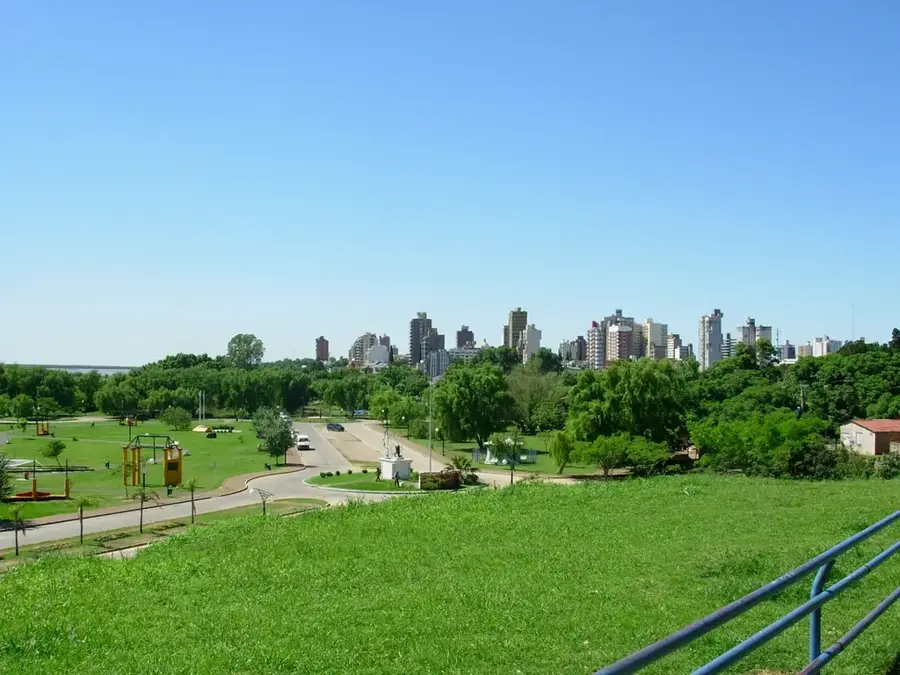
- The Urquiza Park is the highlight of the city, offering impressive elevated views over the Paraná River.
- Walk the entire Costanera; it's beautifully maintained and has great spots to drink mate.
- The pedestrian street (San Martín) is the main commercial hub, convenient for a late afternoon stroll.
- Consider a boat tour on the river to see the islands and the city skyline from the water.
🍽 Food
A unique local specialty, fish empanadas available near the river.
The region's premier river fish, grilled to perfection.
Excellent choices can be found in the pedestrian zone.
🛍 Shopping · 🧘 Quiet spots
A lively market for fresh local produce and regional goods.
Authentic Argentine artisan products.
The high paths of the park are well-suited for watching the sunset.
A relaxed sandy spot by the river, especially quiet outside summer weekends.
Water temperature…
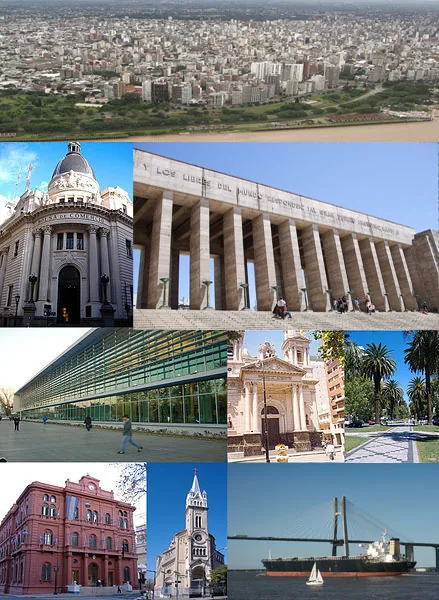
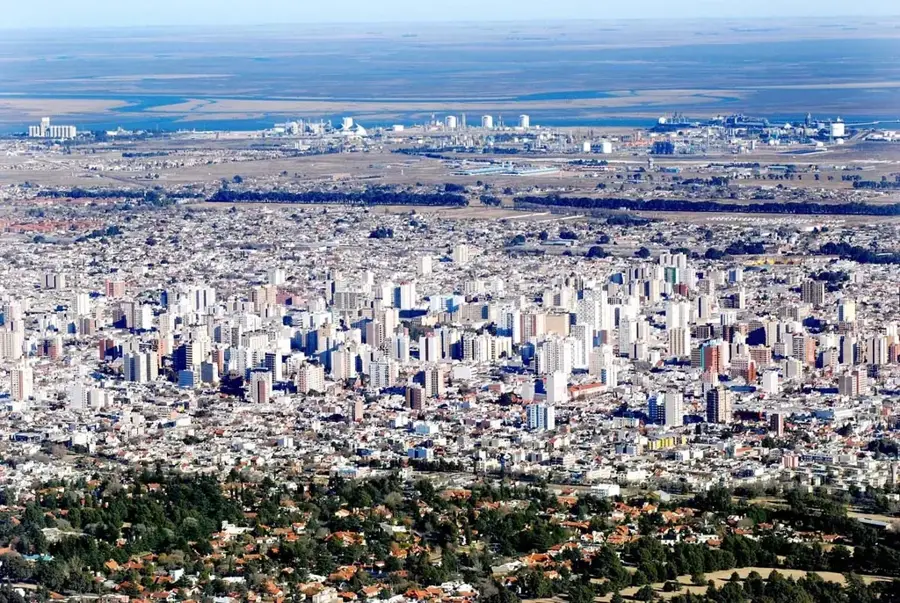
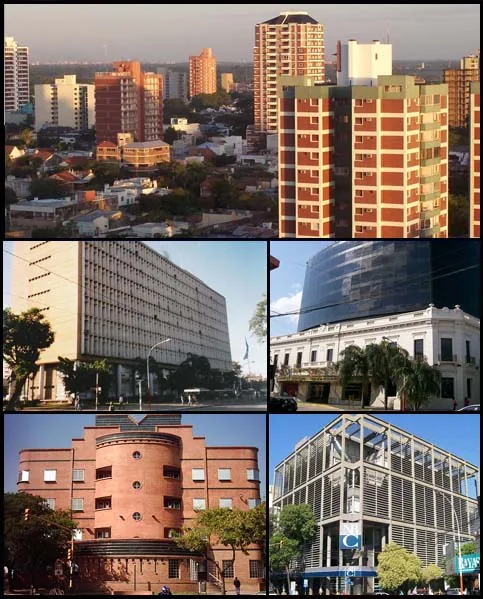
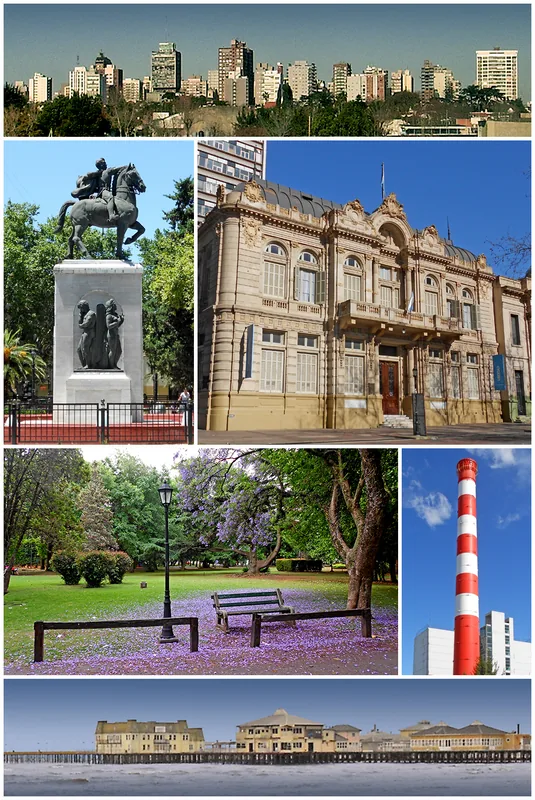
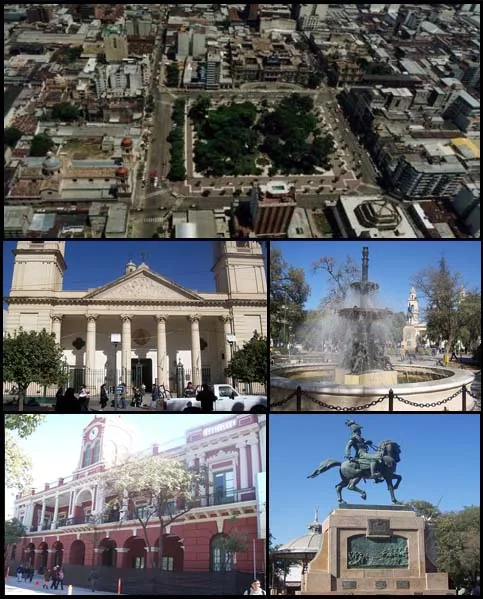
Paraná, the capital of the Entre Ríos province, is a city defined by its commanding position over the river that shares its name and its pivotal role in Argentine history. Founded as a small settlement in the early 18th century, it rose to national prominence in 1853 when it was designated the capital of the Argentine Confederation. This decade-long tenure as the nation's political heart shaped its urban layout, resulting in a wealth of neoclassical government buildings and grand public spaces. Geographically, the city is unique for its rolling terrain, or 'cuchillas', which provide dramatic elevation changes and viewpoints overlooking the vast Paraná River. The centerpiece of the city's natural beauty is Parque Urquiza, a tiered park designed by Carlos Thays that provides lush greenery and panoramic river vistas. A major feat of regional infrastructure is the Subfluvial Tunnel, which connects Paraná to the city of Santa Fe beneath the riverbed, breaking the isolation of the Mesopotamian region. Economically, the city is a hub for provincial administration and a key center for the trade of agricultural commodities, including wheat, soybeans, and citrus. Cultural life in Paraná is deeply rooted in its riverine identity, celebrated through local festivals, arts, and a cuisine that features fresh-water fish like dorado and boga. The city is also a significant educational center, hosting several campuses of the National University of Entre Ríos. Today, Paraná balances its historical gravity with a modern service-based economy and a growing tourism sector focused on river sports and historical tours. Its residents, known as Paranaenses, maintain a relaxed lifestyle centered around the waterfront and the city's numerous plazas. With its blend of 19th-century grandeur and spirited natural scenery, Paraná stands as one of the most distinguished and culturally rich cities in the Argentine Northeast.
- Location: Argentina
- Top sights: Teatro Municipal 3 de Febrero · Parque Urquiza - Costanera Baja · Parque Urquiza - Costanera Alta
- Nearby: Rosario (68 km)
- Population: ~247.139 (2026)
Best time to visit & climate
The most pleasant time to visit is Apr, Sep, Oct.
| Jan | Feb | Mar | Apr | May | Jun | Jul | Aug | Sep | Oct | Nov | Dec | |
|---|---|---|---|---|---|---|---|---|---|---|---|---|
| Avg °C | 27 | 26 | 23 | 19 | 15 | 12 | 11 | 13 | 16 | 20 | 23 | 25 |
| Rain mm | 114 | 138 | 155 | 130 | 58 | 32 | 25 | 37 | 57 | 119 | 140 | 149 |
Geography
Facts
- National capital of the Argentine Confederation from 1853 to 1861.
- Formally established as a parish settlement on October 23, 1730.
- The Subfluvial Tunnel connecting it to Santa Fe is nearly 3 km long.
- Parque Urquiza covers 44 hectares of landscaped river cliffs.
- Average elevation of the city is 77 meters above sea level.
- The city's metropolitan population is approximately 350,000.
- Home to the General Urquiza Theater, a landmark of regional culture.
- Key hub for the shipping of citrus fruits and grains from Entre Ríos.
Explore nearby
Notable places around
Route planner — Car & Motorhome
Where do you start? We build the route here, with stops and country notes along the way.
© OpenStreetMap contributors · OpenRouteService
Sights in the town Paraná (15)
Frequently asked questions
How many days do you need for Paraná?
When is the best time to visit?
How do you get to Paraná?
What should you try locally?
Is Paraná family-friendly?
Paraná: where is it located?
Paraná: what is there to see?
Paraná: when is the best time to visit?
Paraná: why is it worth visiting?
Nearby cities