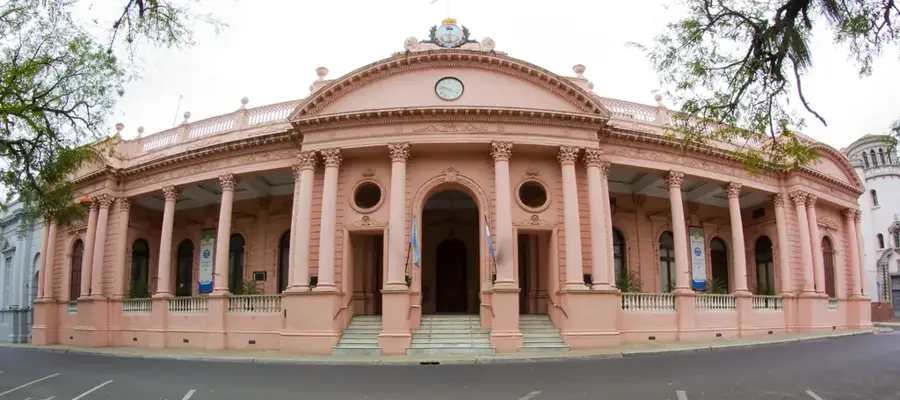
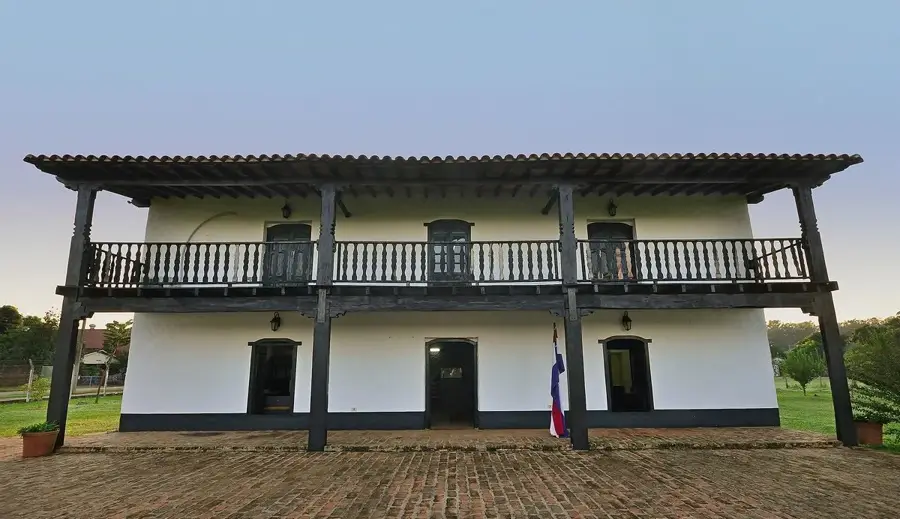
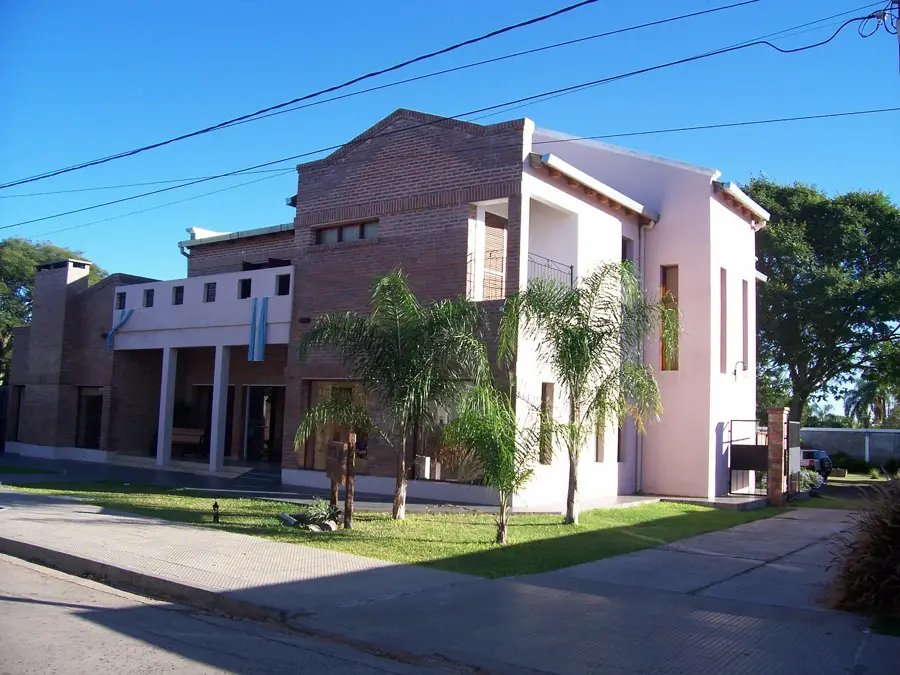
Museo Ichoalay🏛 museum
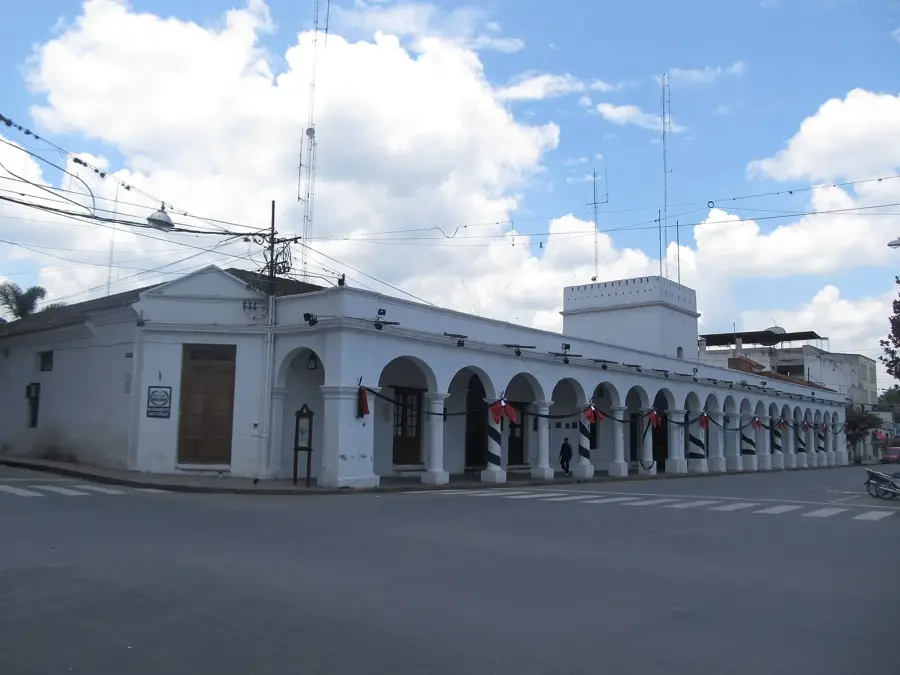
Established in 1949, this regional museum deeply explores the indigenous histories and early colonial settlement of Resistencia.
🌐 museoichoalay.blogspot.com🕒 Mo-Fr 08:30-12:30,14:30-18:30; PH off
Plizio Visual Lab
Buy this cheese snack and cold mate from street vendors for a picnic in the park.
Look for this traditional Guarani flatbread in local bakeries.
Try fresh fish at seafood restaurants along the river.
Buy woven baskets made by the Qom people at local artisan markets or cultural centers.
Discover quality leather items in stores around the pedestrian street (peatonal).
An expansive park great for a relaxing mate in the afternoon.
A tranquil lagoon within the city for a relaxed walk.
Water temperature…
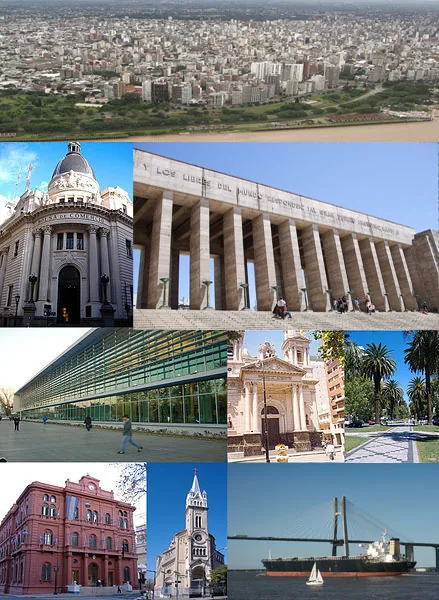
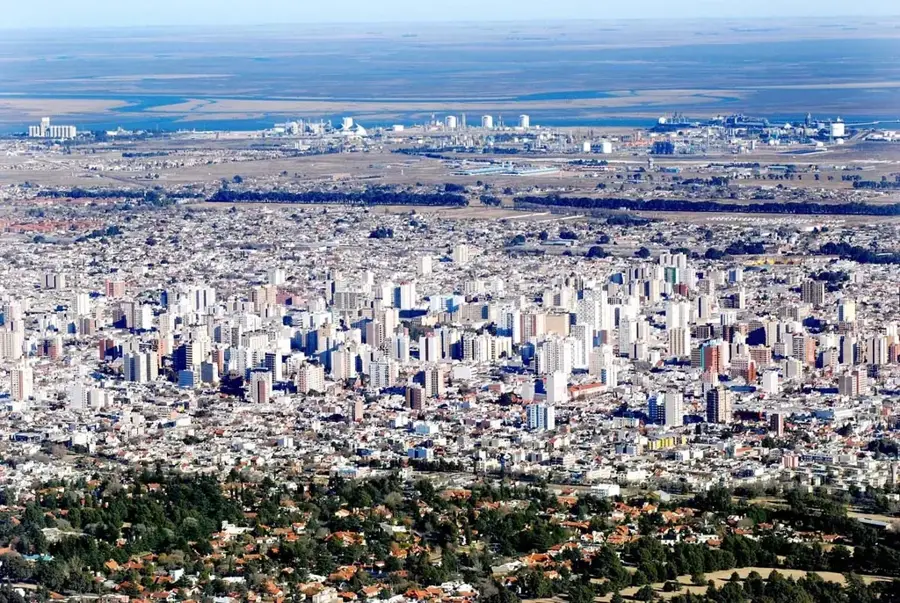
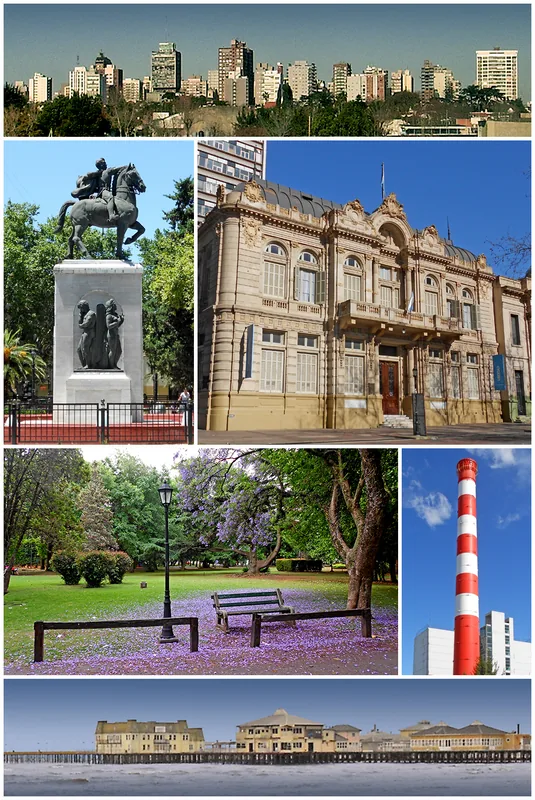
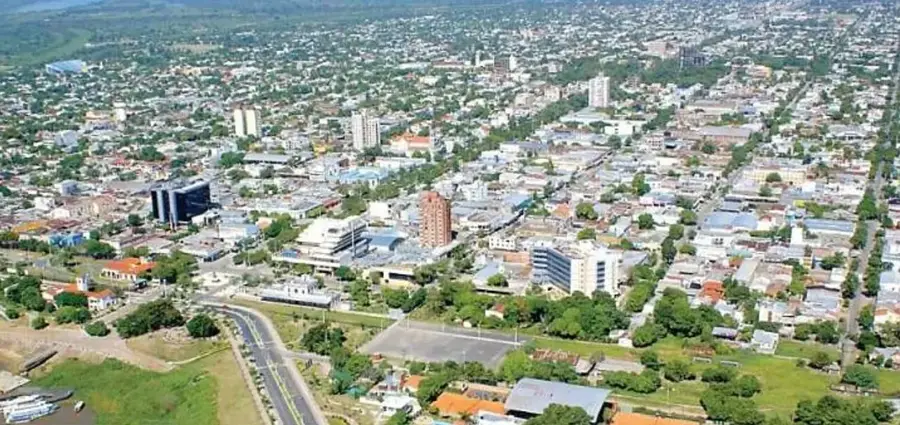
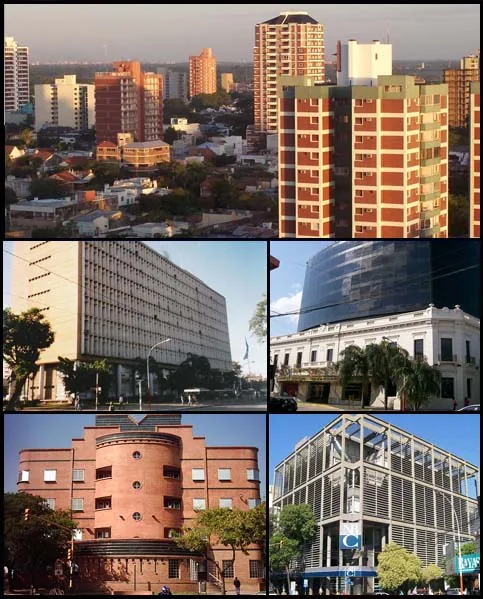
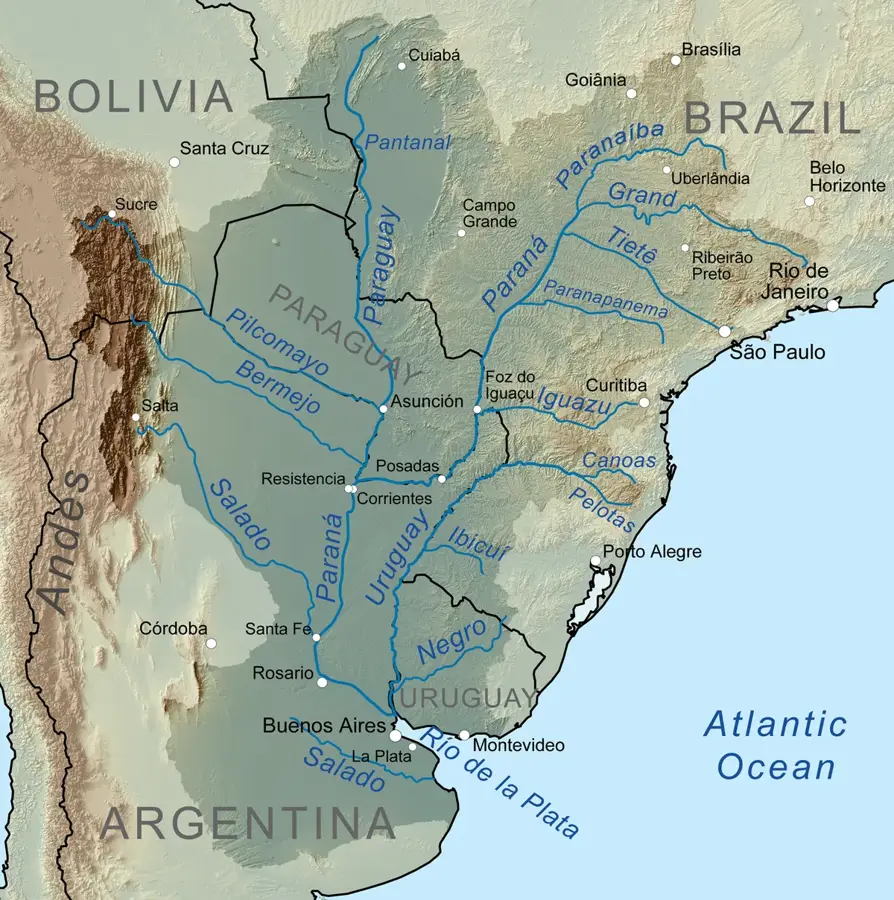
Resistencia, the capital of Chaco province in northeastern Argentina, is a unique urban destination famously known as the 'National Capital of Sculptures'. This title is earned by the more than 600 statues and artistic works that decorate its sidewalks, squares, and parks, making art accessible to every passerby. Founded in 1878 by Italian immigrants from the Friuli region, the city was built on the site of a former Jesuit mission and named for the 'resistance' of the early settlers against the elements and indigenous hostilities. Situated in a humid subtropical plain near the Paraná River, the city is characterized by its lush, green environment and the presence of the Negro River, which meanders through the urban area. Economically, Resistencia serves as the administrative, financial, and cultural heart of the Chaco region, with its development closely tied to cotton production and forestry. The city’s cultural calendar is highlighted by the International Sculpture Biennial, a major global event where world-class sculptors create monumental pieces in public view. Architecturally, Resistencia features wide avenues and a grid layout that incorporates greenery and art at every corner, reflecting a modern and progressive urban vision. As an educational hub, it hosts the National University of the Northeast (UNNE), contributing to a bustling intellectual and social atmosphere. The local gastronomy is a flavorful mix of Italian traditions brought by the founders and regional Chaco specialties, often featuring river fish and local game. Residents, known as Resistencianos, take immense pride in their open-air museum status and their reputation as a hospitable, art-loving community. Despite its challenging climate, the city gives a high quality of life with its numerous cultural centers, theaters, and proximity to the wild beauty of the Chaco wetlands. Resistencia stands out in Argentina as a model of how public art can define and elevate the identity of a modern provincial capital.
The most pleasant time to visit is Jul–Sep.
| Jan | Feb | Mar | Apr | May | Jun | Jul | Aug | Sep | Oct | Nov | Dec | |
|---|---|---|---|---|---|---|---|---|---|---|---|---|
| Avg °C | 28 | 27 | 25 | 22 | 18 | 16 | 15 | 17 | 19 | 23 | 25 | 27 |
| Rain mm | 169 | 125 | 149 | 162 | 93 | 70 | 36 | 38 | 59 | 146 | 182 | 156 |
Notable places around
Where do you start? We build the route here, with stops and country notes along the way.
© OpenStreetMap contributors · OpenRouteService
Established in 1949, this regional museum deeply explores the indigenous histories and early colonial settlement of Resistencia.