Plizio Visual Lab
San Salvador de Jujuy
ℹ️Practical info — San Salvador de Jujuy
▾
🌤 Weather — 5 days
📍 Nearby
Sights nearby
💡 Tips
- The city sits at over 1,200 meters; drink plenty of water and take it easy on your first day.
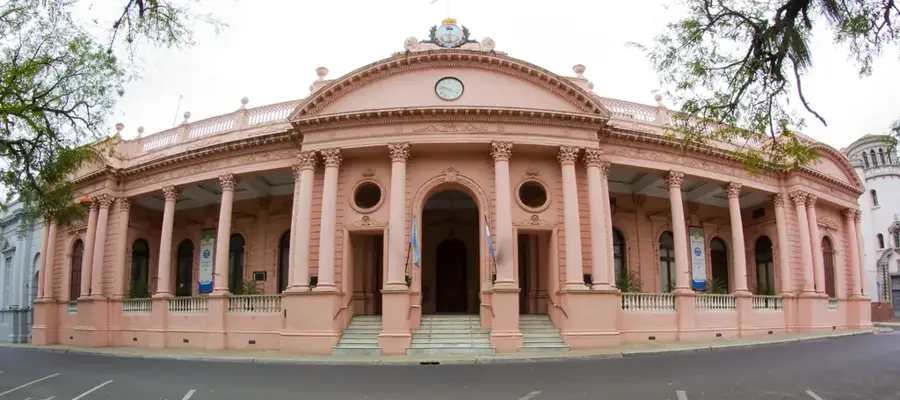
- Visit the Casa de Gobierno to see the historic first Argentine flag preserved inside.
- This city is the great logistics hub for taking day trips up into the Quebrada de Humahuaca.
- Temperatures drop significantly at night, even in summer, so always carry a warm sweater.
🍽 Food
Try llama steaks or stews at restaurants specializing in Andean cuisine.
Local empanadas often include peas and potatoes, served at almost every traditional tavern.
A sweet, warm purple corn drink served with fried dough, a typical late-afternoon snack.
🛍 Shopping · 🧘 Quiet spots
A great place to buy woven Andean textiles, ponchos, and silver jewelry.
Visit this bustling local market for fresh produce, spices, and everyday regional items.
A beautifully landscaped park running along the riverbed right through the city.
The main urban park, excellent for relaxing under the shade of native trees.
A short drive away, these natural hot springs offer a peaceful mountain retreat.
Water temperature…
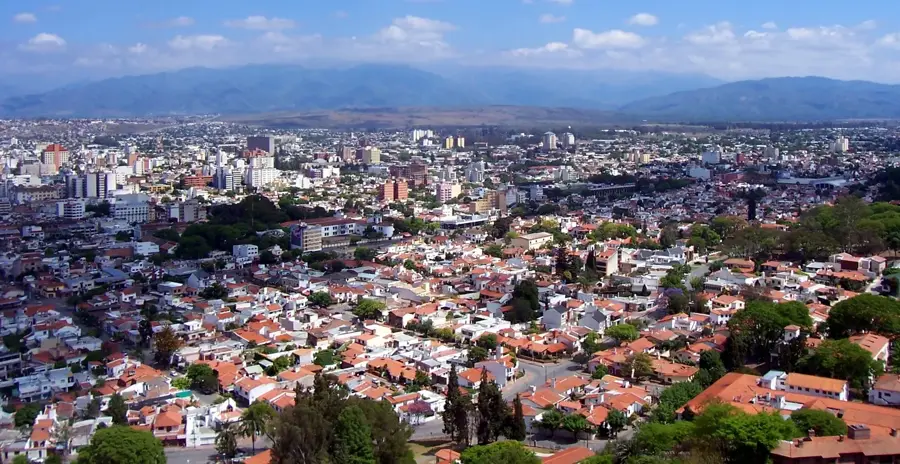
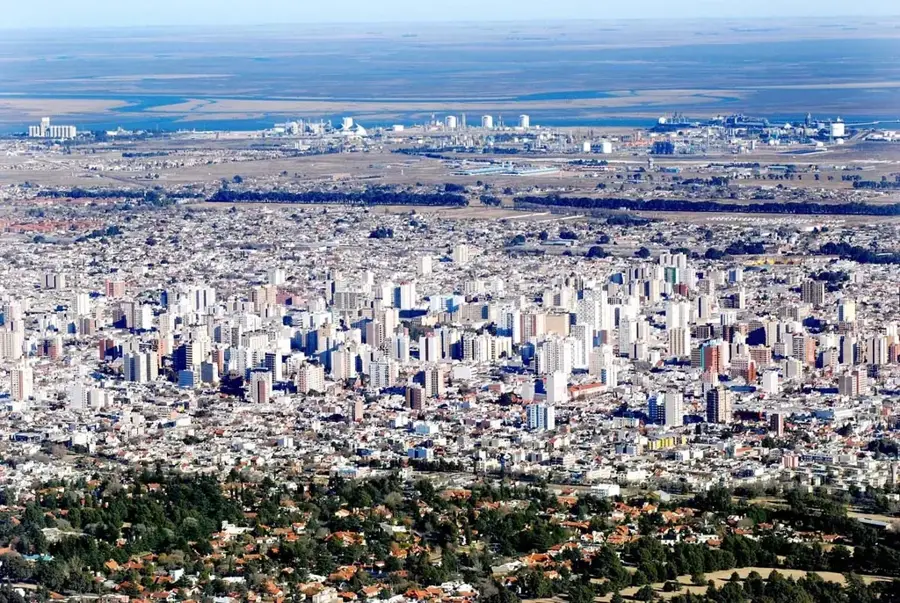
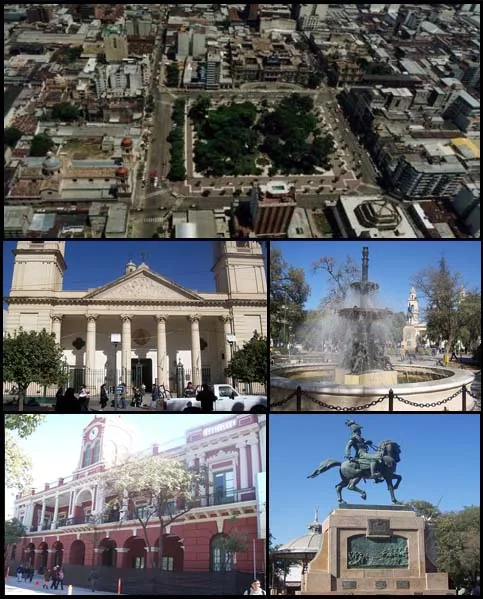
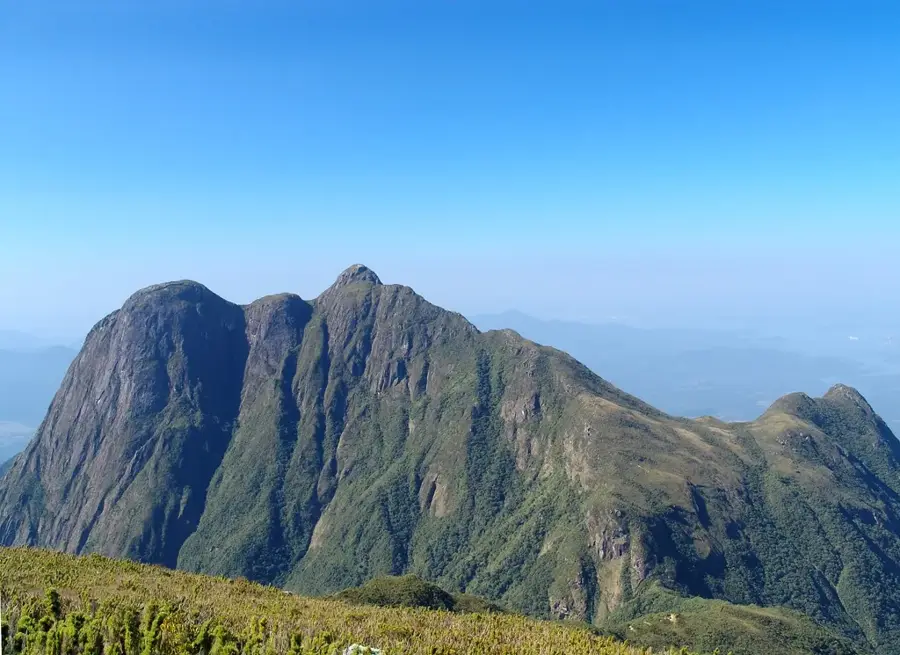
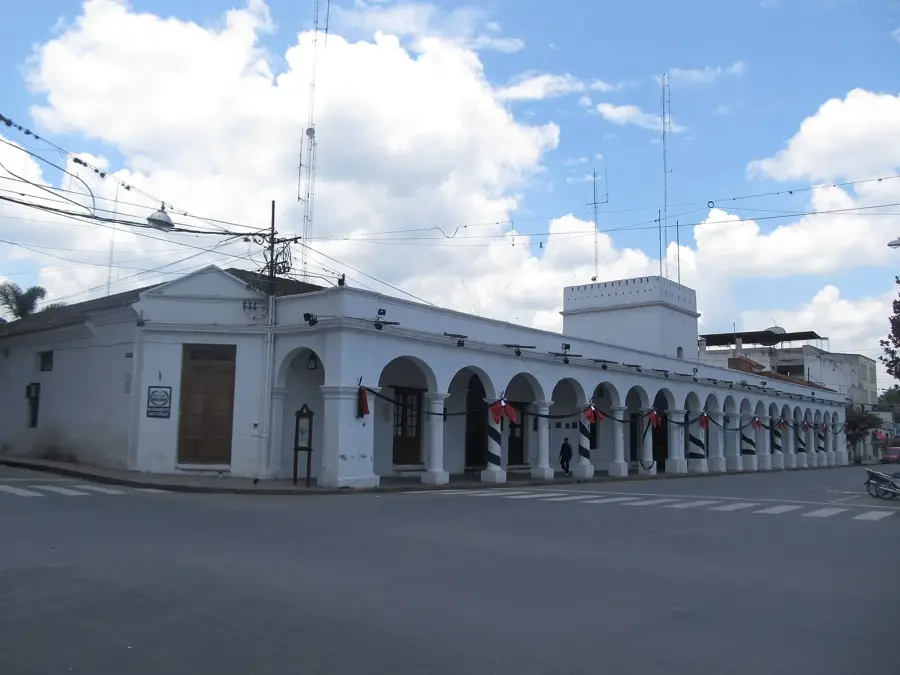
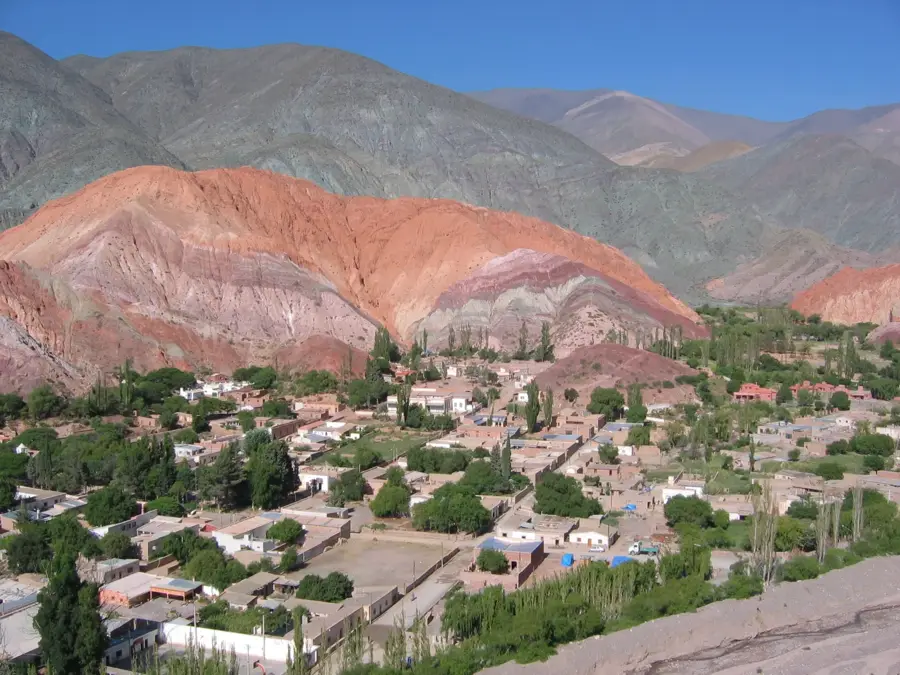
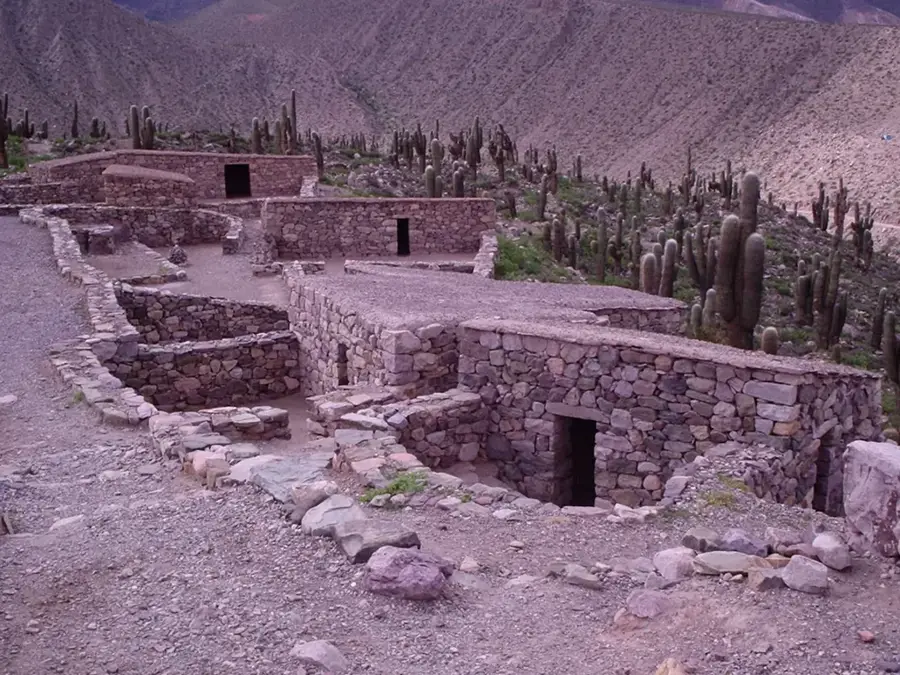
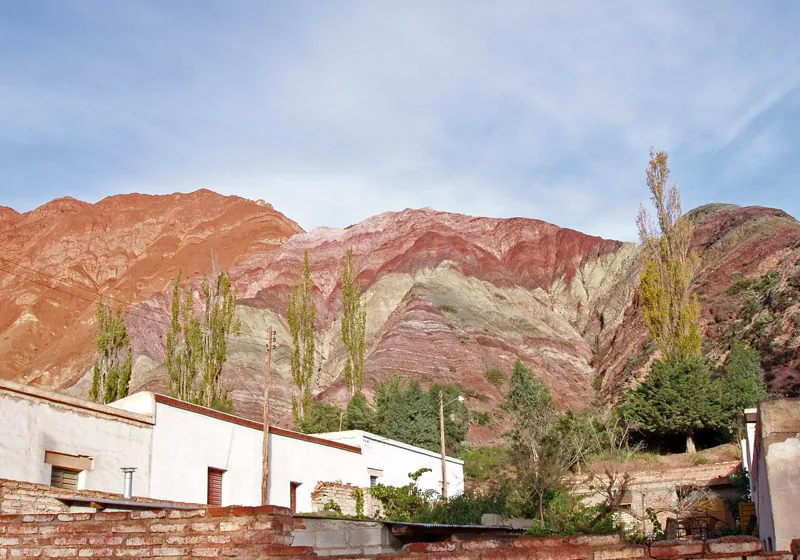
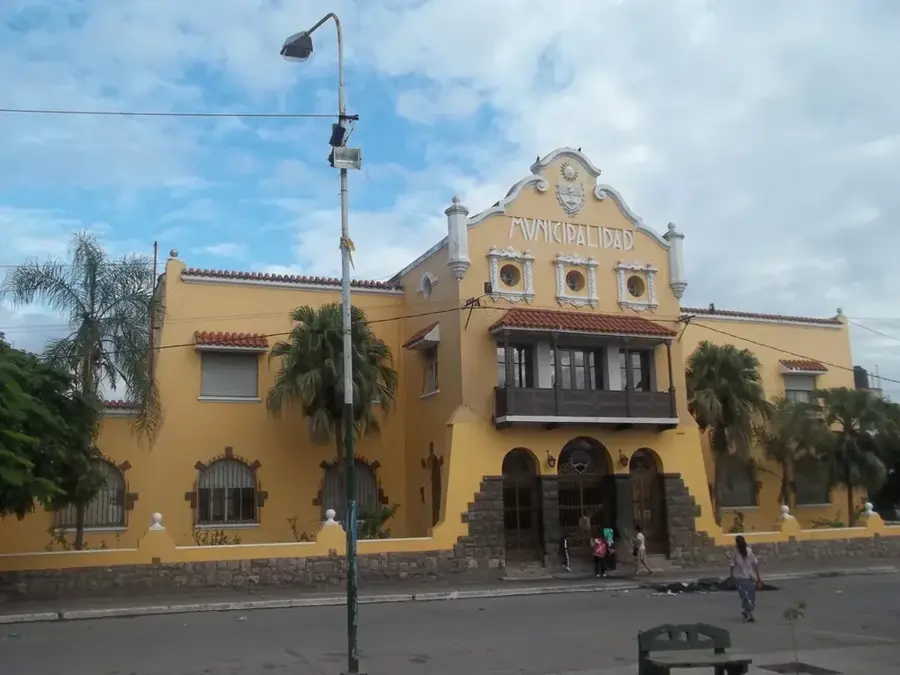
San Salvador de Jujuy, often referred to as 'Tacita de Plata' (Little Silver Cup), is the capital of the Jujuy Province in the rugged northwestern tip of Argentina. Set in a valley at the southern end of the Quebrada de Humahuaca, the city sits at an elevation of 1,259 meters above sea level, surrounded by the dramatic foothills of the Andes. Founded in 1593 by Francisco de Argañaráz y Murguía, the city played a crucial role in the Argentine War of Independence, most notably during the 'Exodo Jujeño' of 1812, when the entire population evacuated to prevent resources from falling into royalist hands. The city's architecture reflects its deep colonial roots, centered on the Plaza Belgrano. The Cathedral of San Salvador is a highlight, featuring a gold-leafed Baroque pulpit carved by indigenous artisans. Economically, San Salvador de Jujuy is a regional hub for administration, commerce, and mining. The province is part of the 'Lithium Triangle,' making the city a strategic center for the global energy transition, alongside traditional industries like sugar cane, tobacco, and steel production at the Altos Hornos Zapla complex. The city's culture is a bustling tapestry of Andean traditions and Spanish influences. Indigenous heritage remains powerful here, celebrated through the cult of Pachamama and the high-energy Carnival of Jujuy, characterized by colorful costumes and folk music instruments like the quena and charango. The climate is subtropical highland, with dry winters and warm, rainy summers that sustain the lush 'Yungas' forests nearby. As the primary gateway to the UNESCO World Heritage site of Quebrada de Humahuaca, the city attracts international travelers seeking to explore the Seven-Colored Hill and ancient pre-Inca ruins. San Salvador de Jujuy remains a soulful and authentic destination, where history, industry, and ancient mountain traditions coexist in the high-altitude landscape of northern Argentina.
- Location: Argentina
- Top sights: Catedral Basílica Santísimo Salvador · Casa de Gobierno · Cerro de Claros
- Nearby: Palpalá (10 km)
- Population: ~257.970 (2026)
Best time to visit & climate
The most pleasant time to visit is Sep–Nov.
| Jan | Feb | Mar | Apr | May | Jun | Jul | Aug | Sep | Oct | Nov | Dec | |
|---|---|---|---|---|---|---|---|---|---|---|---|---|
| Avg °C | 12 | 11 | 11 | 8 | 5 | 4 | 4 | 6 | 8 | 10 | 11 | 12 |
| Rain mm | 156 | 157 | 116 | 53 | 12 | 5 | 3 | 4 | 5 | 36 | 61 | 142 |
Geography
Facts
- San Salvador de Jujuy is the seat of the oldest university in the Argentine Northwest.
- The city's nickname 'Tacita de Plata' refers to its bright, clean mountain appearance.
- The historical 'Jujuy Exodus' is commemorated every year on August 23rd.
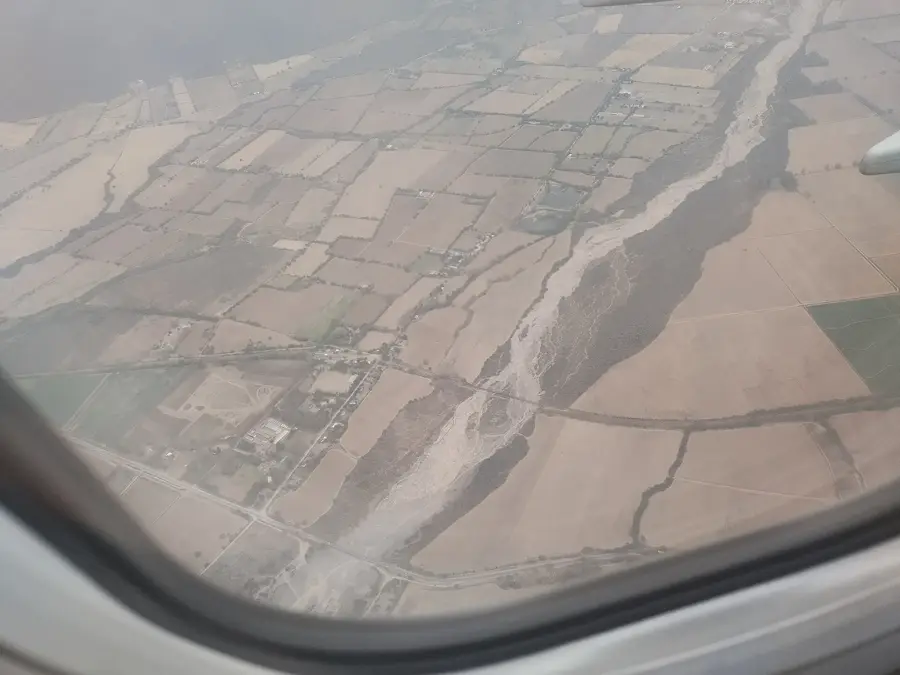
- It is located at the confluence of the Rio Grande and the Rio Xibi Xibi.
- The city is a major center for the production of lead, silver, and zinc in Argentina.
- The Cathedral's pulpit is considered the finest example of wood carving in the country.
- The surrounding 'Yungas' cloud forest is a biodiversity hotspot nearby.
- The city is only 1,600 km from Buenos Aires but shares more culture with Bolivia.
Explore nearby
Notable places around
Route planner — Car & Motorhome
Where do you start? We build the route here, with stops and country notes along the way.
© OpenStreetMap contributors · OpenRouteService
Sights in the town San Salvador de Jujuy (15)
Frequently asked questions
How many days do you need for San Salvador de Jujuy?
When is the best time to visit?
How do you get there?
What local food should you try?
Is San Salvador de Jujuy family-friendly?
San Salvador de Jujuy: where is it located?
San Salvador de Jujuy: what is there to see?
San Salvador de Jujuy: when is the best time to visit?
San Salvador de Jujuy: why is it worth visiting?
Nearby cities