Plizio Visual Lab
Corrientes
ℹ️Practical info — Corrientes
▾
🌤 Weather — 5 days
📍 Nearby
Sights nearby
💡 Tips
- The city gets exceptionally hot and humid in summer (Dec-Mar); sightseeing is best done early morning or late afternoon.
- The Costanera (riverside promenade) comes alive at sunset and is the safest, most scenic place for an evening walk.
- When using public buses (colectivos), you need a SUBE card, which you can charge at local kiosks.
- Beware that the siesta here is sacred-most businesses close between 1 PM and 5 PM.
🍽 Food
Try these delicious river fish grilled or in empanadas at the restaurants along the Costanera.
A traditional cheese bread widely available in bakeries and from street vendors-excellent with mate.
Often served fried or boiled as a hearty side dish to local meats.
🛍 Shopping · 🧘 Quiet spots
A great spot to buy local produce, cheeses, and regional spices in the city center.
Buy handcrafted mate cups and bombillas (straws) from artisan stalls along the pedestrian streets.
A lush, historical park where the river gently flows, handy for relaxing under the shade of massive trees.
A tranquil viewpoint on the Costanera offering impressive views of the General Belgrano Bridge.
Water temperature…
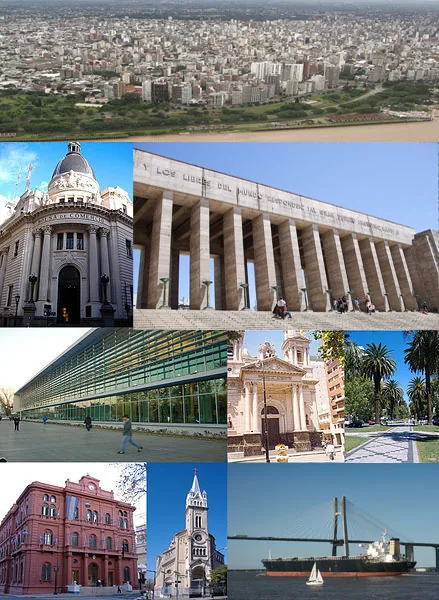
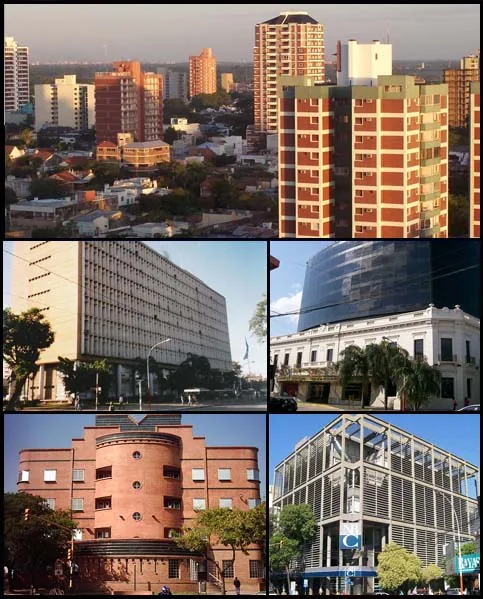
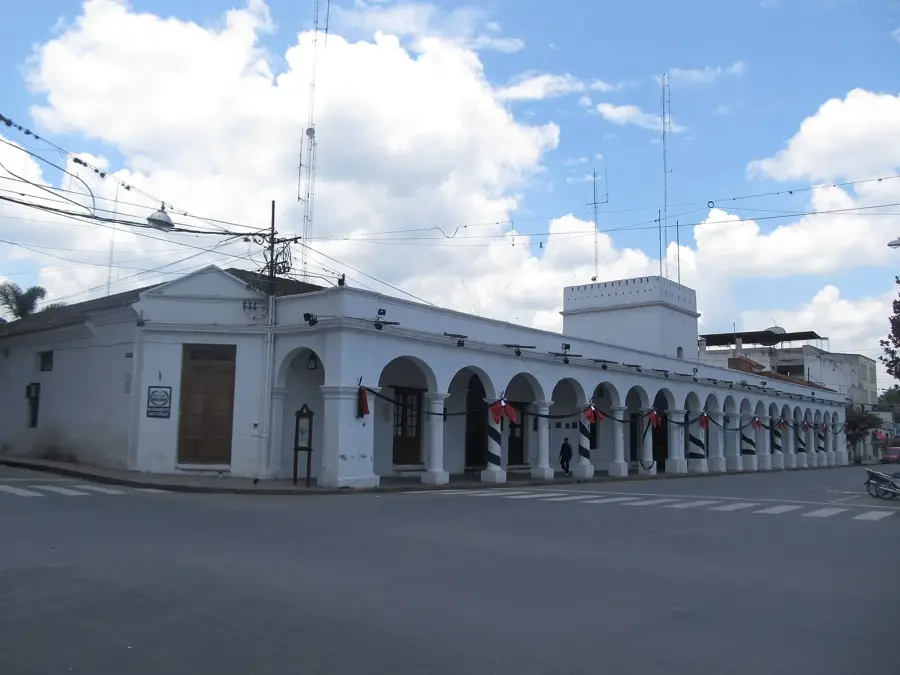
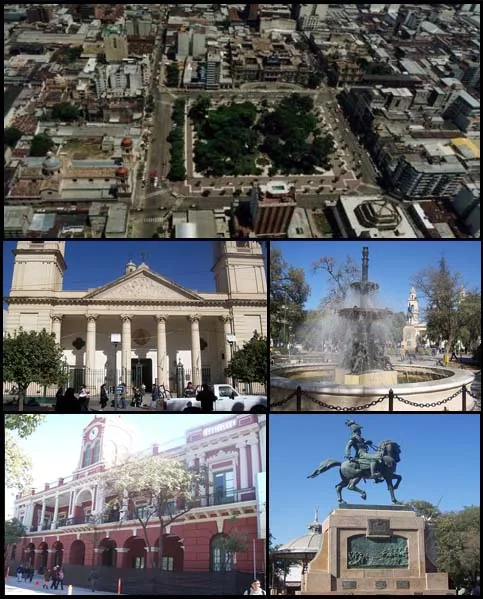
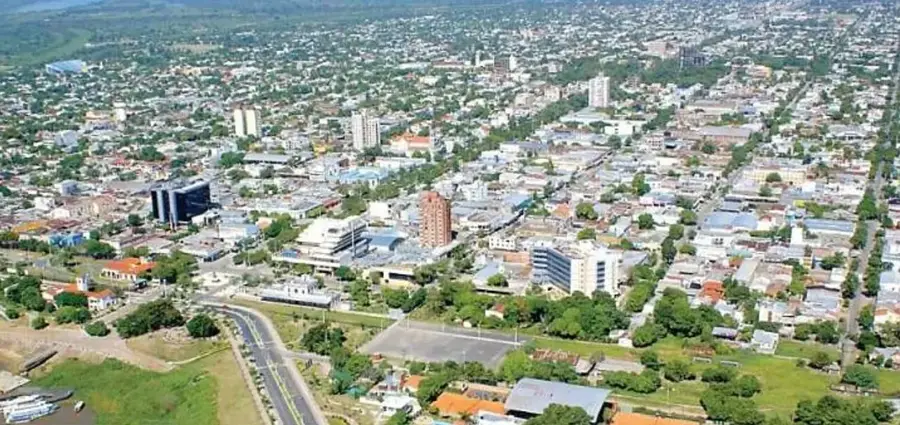
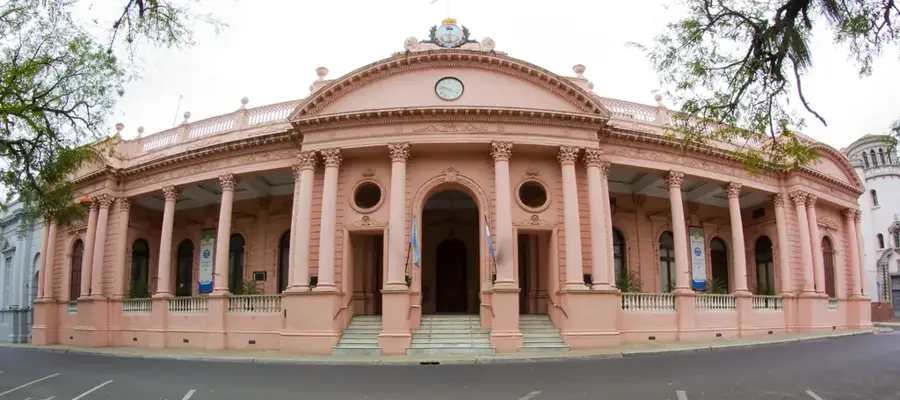
Corrientes, the capital city of the Corrientes Province in northeastern Argentina, stands as a beacon of history and culture along the banks of the majestic Paraná River. Established on April 3, 1588, by Juan Torres de Vera y Aragón, it is one of the oldest cities in the country, originally named San Juan de Vera de las Siete Corrientes due to the seven currents formed by the river's unique geography at this point. The city's layout blends colonial heritage with modern urban development, centered around the historic Plaza 25 de Mayo. Significant landmarks include the Church of the Cross of Miracles (Iglesia de la Cruz de los Milagros), which houses a legendary charred cross from the city's founding era. Economically, Corrientes serves as a major administrative, educational, and commercial hub for the Mesopotamia region. Its economy is heavily supported by the surrounding agricultural activities, including citrus production, tobacco, and extensive cattle ranching, while the Port of Corrientes remains an essential link for river-borne trade. The city is also a renowned academic center, home to the National University of the Northeast (UNNE), which attracts students from across the region. Culturally, Corrientes is the undisputed 'National Capital of Carnival,' hosting elaborate parades that showcase the region's artistic flair and animated spirit. It is also the spiritual home of Chamamé music, a genre that blends European instruments with indigenous Guaraní rhythms, recognized by UNESCO as Intangible Cultural Heritage of Humanity. The subtropical climate, characterized by humid summers and mild winters, supports a lush landscape that can be enjoyed along the Costanera, a scenic riverside boulevard. As a gateway to the Esteros del Iberá wetlands, Corrientes has unparalleled opportunities for eco-tourism, allowing visitors to experience the diverse flora and fauna of Argentina's interior. The city’s identity is deeply tied to its 'Litoral' roots, offering a unique mix of traditional folklore, historical resilience, and contemporary South American life.
- Location: Argentina
- Top sights: Iglesia San Francisco · Santisima Cruz de los Milagros · Iglesia Catedral
- Population: ~346.334 (2026)
Best time to visit & climate
The most pleasant time to visit is Jul–Sep.
| Jan | Feb | Mar | Apr | May | Jun | Jul | Aug | Sep | Oct | Nov | Dec | |
|---|---|---|---|---|---|---|---|---|---|---|---|---|
| Avg °C | 28 | 27 | 25 | 22 | 18 | 16 | 15 | 17 | 19 | 23 | 25 | 27 |
| Rain mm | 169 | 125 | 149 | 162 | 93 | 70 | 36 | 38 | 59 | 146 | 182 | 156 |
Geography
Facts
- Corrientes was founded in 1588, making it a key historical site in Spanish colonization.
- The city is located at the confluence of the Paraná and Paraguay rivers.
- It holds the title of the 'National Capital of Carnival' in Argentina.
- The Costanera San Martín is a 5-kilometer long promenade along the river.
- Chamamé music originated here as a fusion of Guaraní and European cultures.
- The General Belgrano Bridge connects the city to the province of Chaco.
- The 'Cruz de los Milagros' is a major religious icon and pilgrimage site.
- The average summer temperature often exceeds 33°C (91°F) due to its subtropical location.
Explore nearby
Notable places around
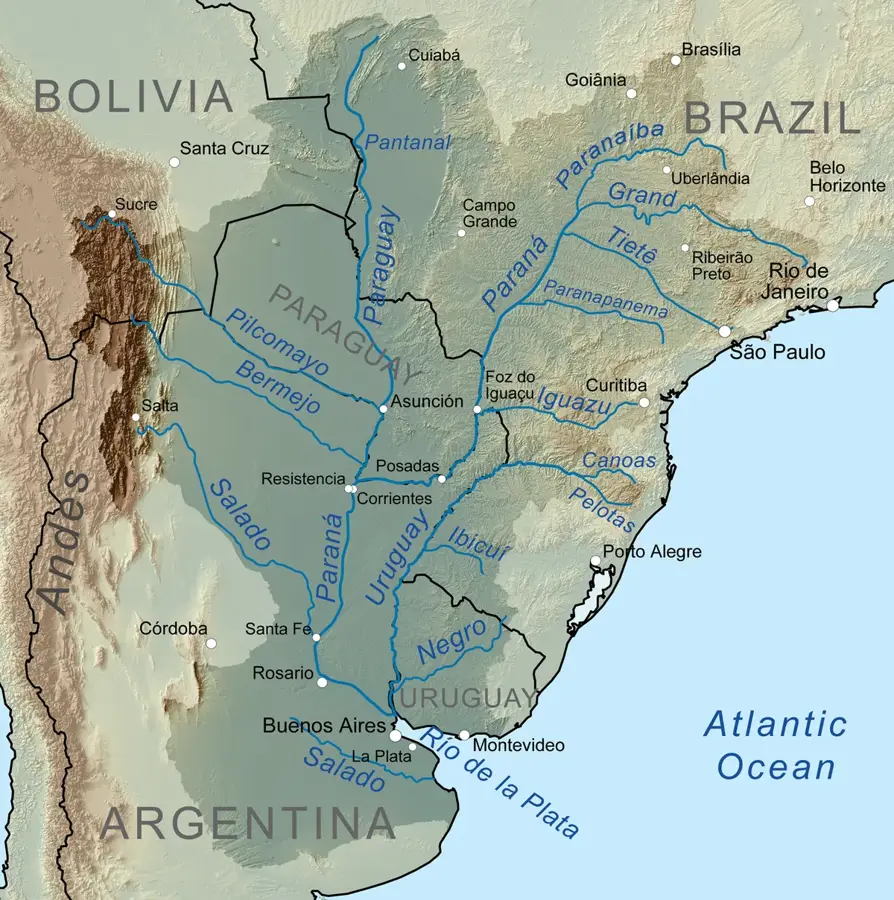
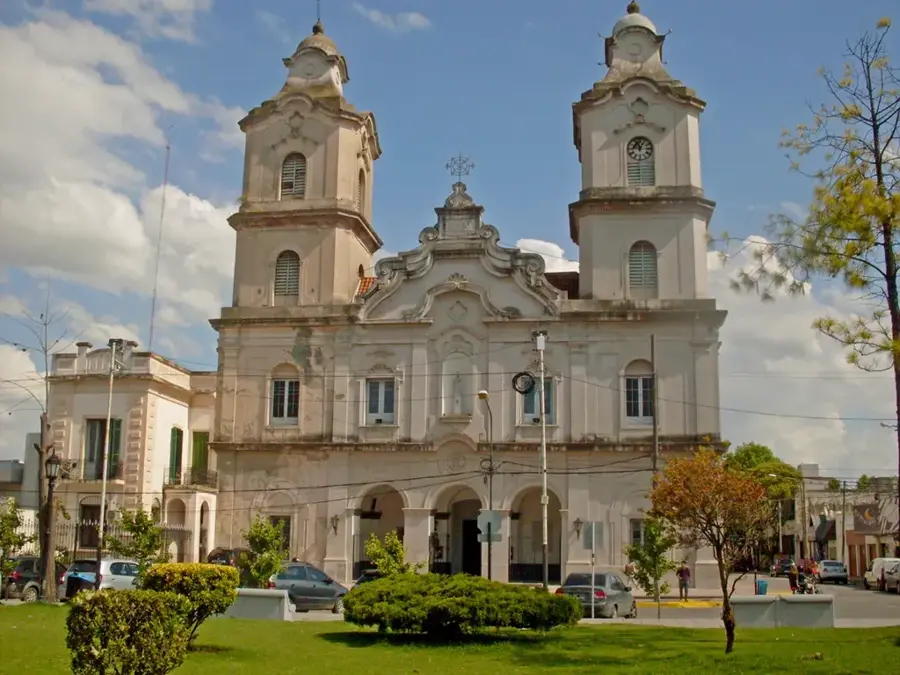
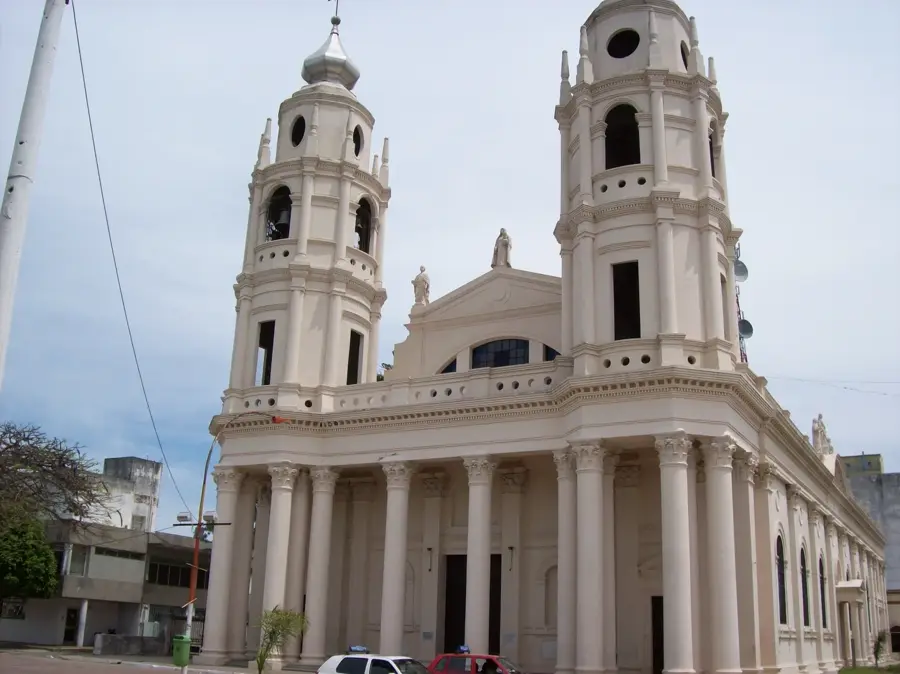
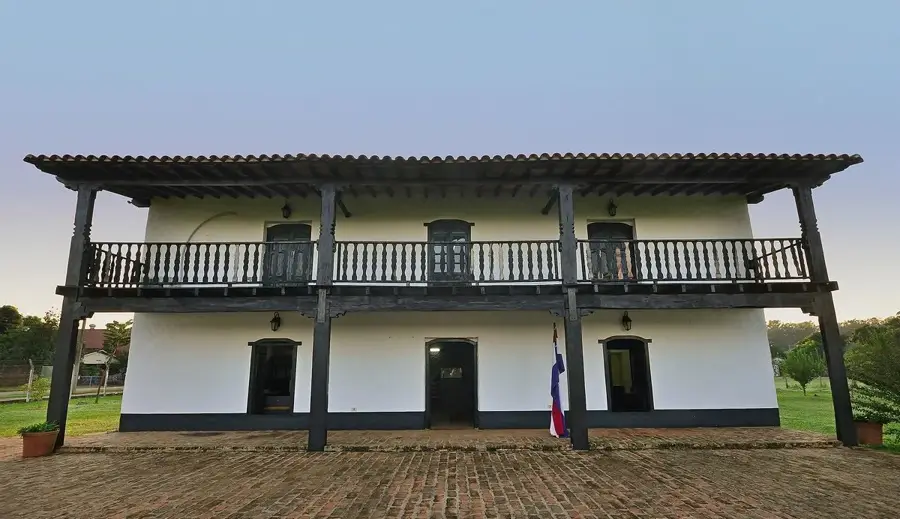
Route planner — Car & Motorhome
Where do you start? We build the route here, with stops and country notes along the way.
© OpenStreetMap contributors · OpenRouteService
Sights in the town Corrientes (17)
Frequently asked questions
How many days do you need for Corrientes?
When is the best time to visit?
How do you get there?
What local food is worth trying?
Is Corrientes family-friendly?
Corrientes: where is it located?
Corrientes: what is there to see?
Corrientes: when is the best time to visit?
Corrientes: why is it worth visiting?
Nearby cities