Plizio Visual Lab
Neuquén
ℹ️Practical info — Neuquén
▾
🌤 Weather — 5 days
📍 Nearby
Sights nearby
💡 Tips
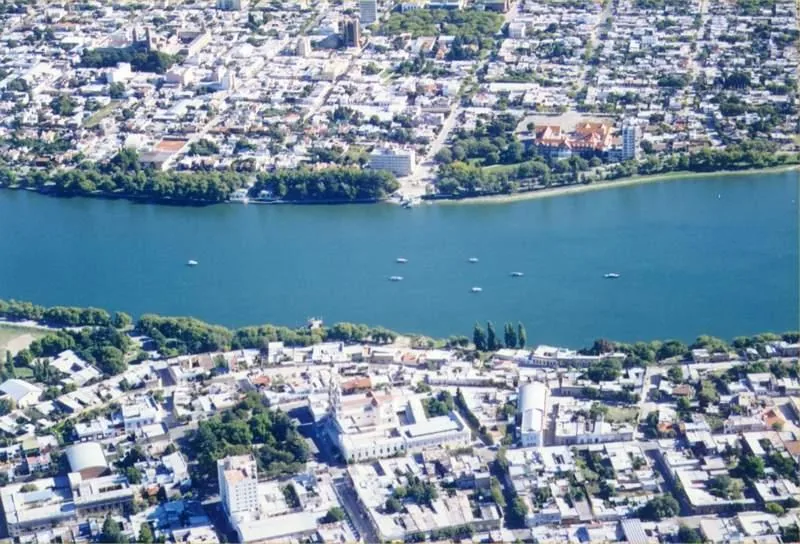
- Take a walk along the Paseo de la Costa at sunset; the views over the Limay River are impressive.
- The city acts as a major transport hub; flights and long-distance buses connect here, making it a great base for exploring Patagonia.
- Visit the Museo Nacional de Bellas Artes (MNBA), one of the finest art museums outside Buenos Aires.
- Traffic can be surprisingly heavy during rush hours; allow extra time if driving through the city center.
- Be prepared for drastic temperature drops at night, even after hot summer days.
🍽 Food
The region is famous for its apples; try fresh apple cider or local apple pastries.
Enjoy fresh Patagonian trout (Trucha) prepared with herbs and butter at a nice restaurant.
Taste dishes made with 'hongos de pino' (pine mushrooms), often served with pasta or meat.
🛍 Shopping · 🧘 Quiet spots
A modern mall for comprehensive retail therapy and dining.
Check out the local artisan fair on weekends for handcrafted silver and leather goods.
A large park with forested trails, convenient for jogging, walking, and escaping the urban noise.
A relaxed riverside beach area to sit by the water, especially peaceful on weekday mornings.
Water temperature…
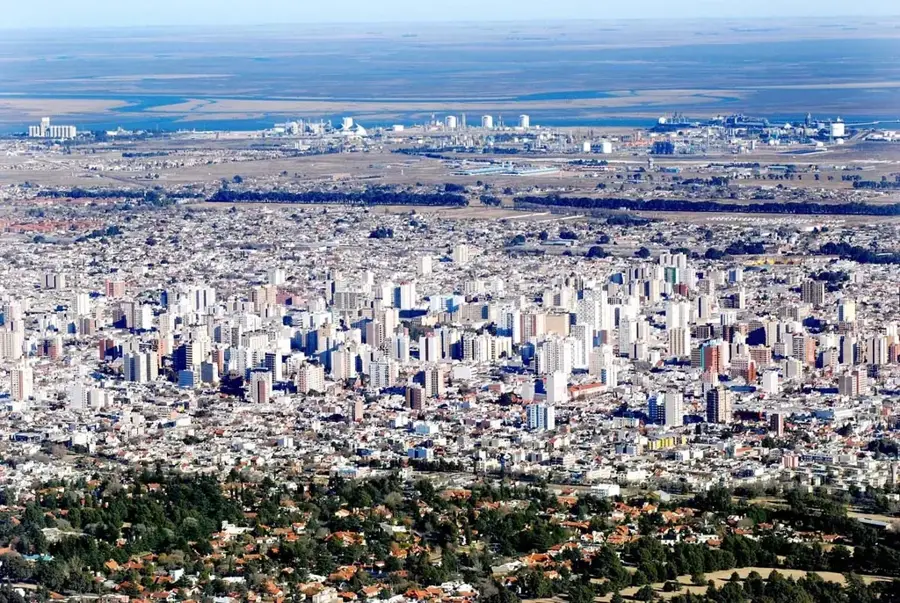
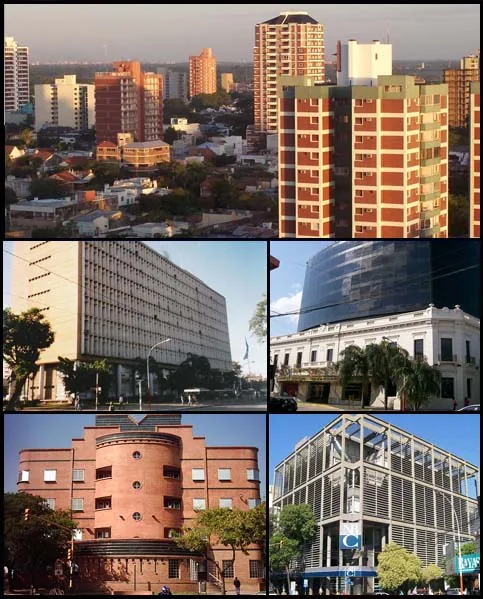
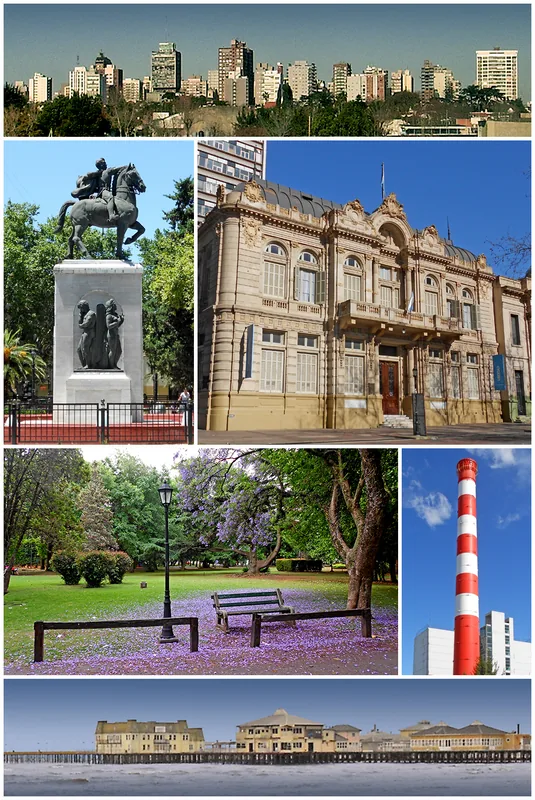
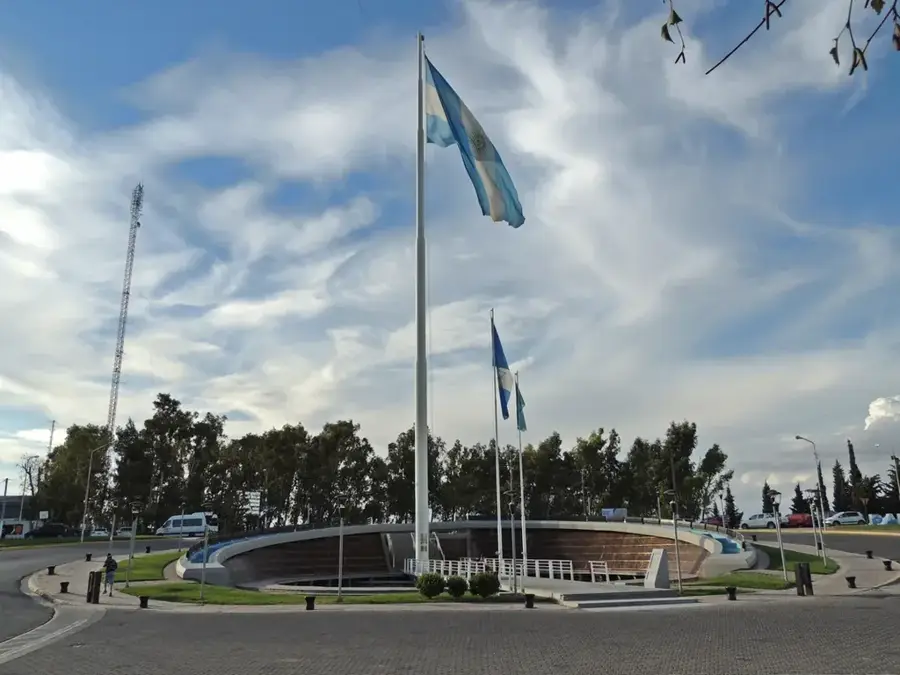
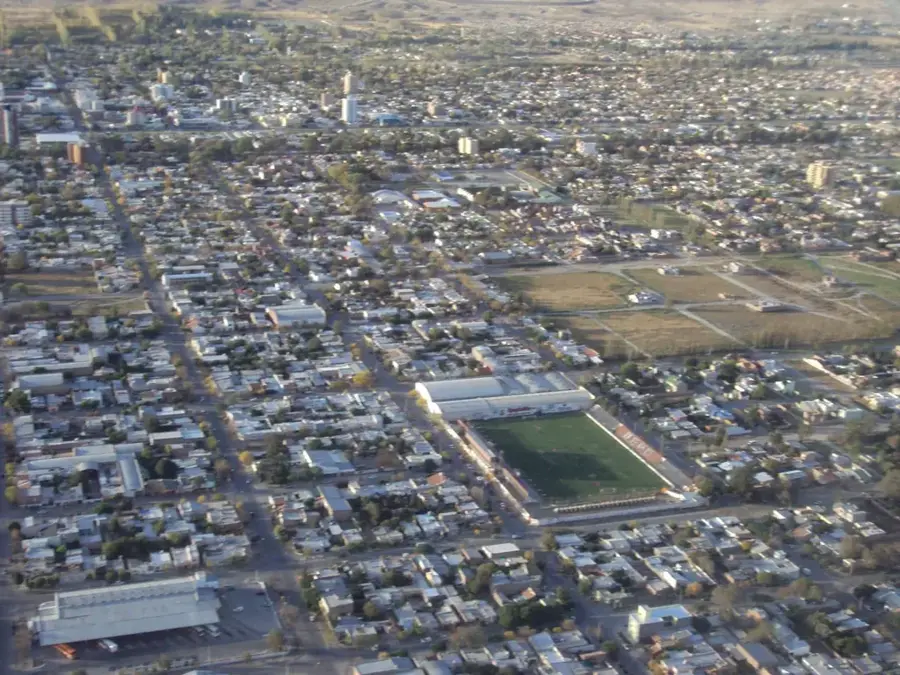
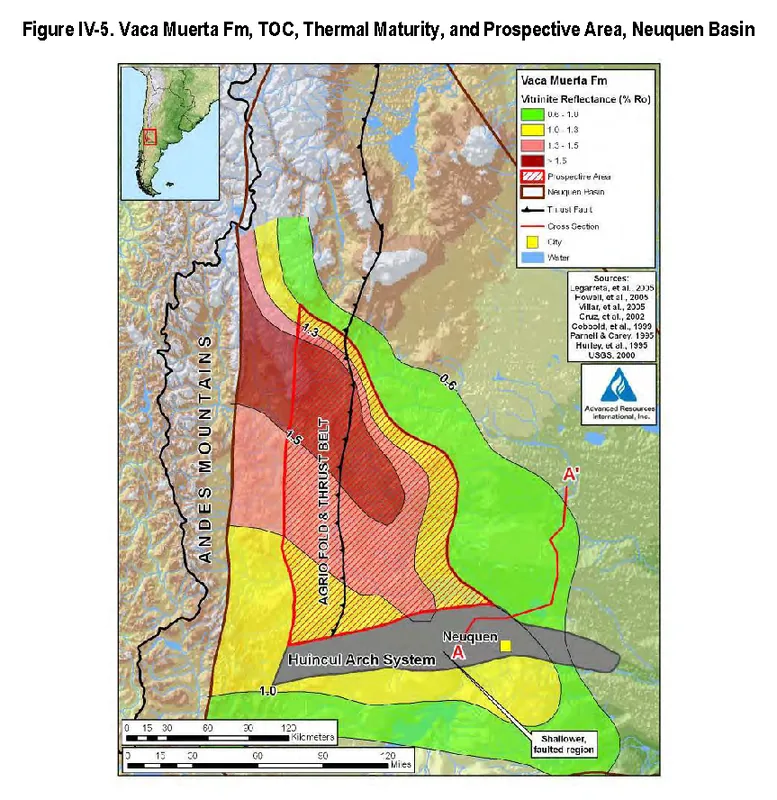
Neuquén is the largest city in Argentine Patagonia and the capital of the Neuquén Province, situated at the confluence of the Limay and Neuquén rivers. Established as the capital in 1904, it strategically replaced Chos Malal due to its better connectivity provided by the expanding railway network. The city serves as the ultimate gateway to the Lake District and the Andes, but it has developed a powerful identity of its own as a regional powerhouse. Its economy is predominantly driven by the energy sector, specifically as the logistical hub for the Vaca Muerta shale formation, which contains some of the world's largest unconventional oil and gas reserves. This industrial boom has led to rapid urbanization, characterized by a skyline of modern office buildings and upscale residential developments. Culturally, Neuquén stands out with its branch of the National Museum of Fine Arts (MNBA), reflecting its status as the 'Capital of the South.' The landscape is a mix of high desert plateaus and lush river valleys, where irrigation supports a significant fruit-growing industry, particularly apples and pears. The city's social life revolves around the 'Paseo de la Costa,' a scenic riverfront development that provides recreation and dining options against the backdrop of the Limay River. Demographically, Neuquén is one of the fastest-growing cities in Argentina, attracting professionals and workers from across the country, creating a diverse and ambitious population. It is also a major educational center, home to the National University of Comahue. Despite its industrial importance, the city maintains a high quality of life with numerous parks, sports facilities, and a spirited commercial district. Neuquén embodies the spirit of modern Argentina, resilient, resourceful, and constantly evolving at the intersection of nature and industry.
- Location: Argentina
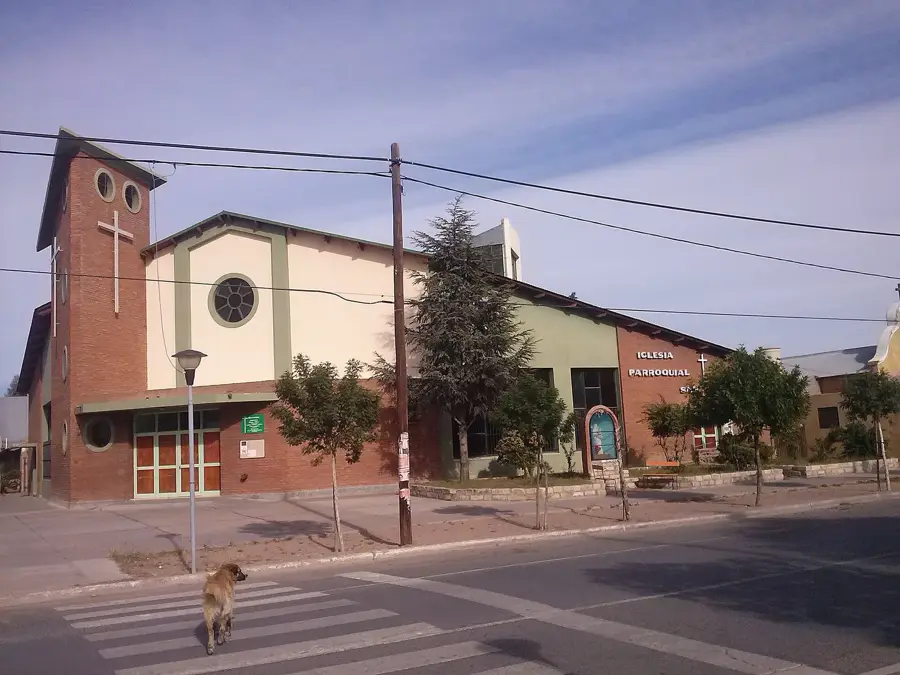
- Top sights: Catedral María Auxiliadora · Museo Nacional de Bellas Artes Neuquén · Delegación Municipal Centro
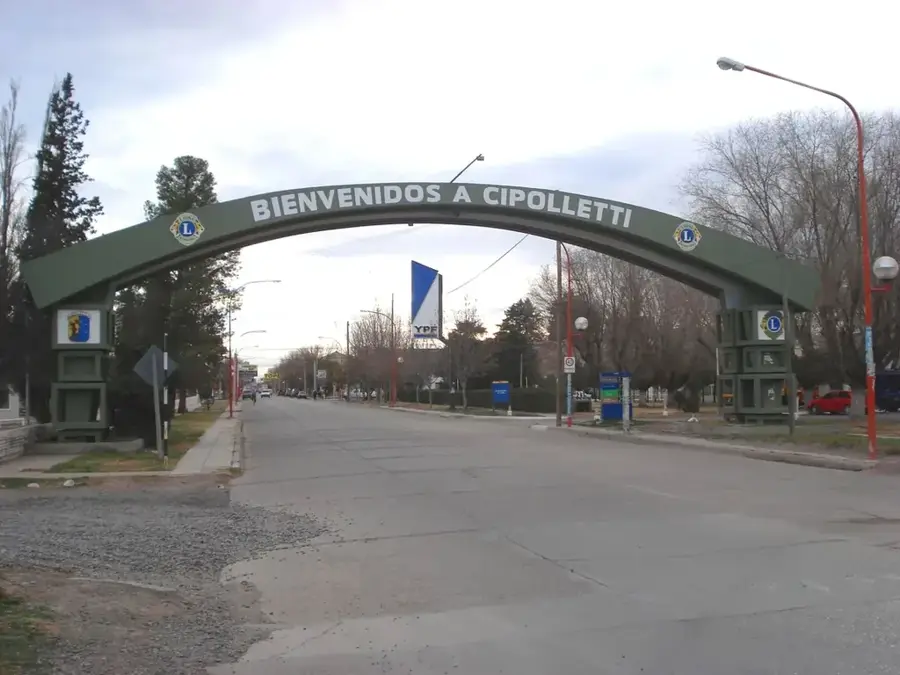
- Nearby: Cipolletti (8 km)
- Population: ~231.198 (2026)
Best time to visit & climate
The most pleasant time to visit is Feb, Mar, Dec.
| Jan | Feb | Mar | Apr | May | Jun | Jul | Aug | Sep | Oct | Nov | Dec | |
|---|---|---|---|---|---|---|---|---|---|---|---|---|
| Avg °C | 24 | 23 | 19 | 14 | 9 | 6 | 5 | 7 | 11 | 14 | 19 | 22 |
| Rain mm | 22 | 20 | 11 | 30 | 26 | 13 | 35 | 12 | 17 | 37 | 14 | 14 |
Live webcam – Neuquén
See what it looks like near Neuquén right now.
Neuquén › South-east · 3.1 km · Open webcam on Windy · Webcams provided by Windy.com
Geography
Facts
- Neuquén became the provincial capital in 1904, moving from Chos Malal.
- The city is located at the 'Confluencia' of the Neuquén and Limay rivers.
- It is known as the headquarters of the National University of Comahue.
- The MNBA Neuquén was designed by architect Mario Roberto Álvarez.
- Neuquén serves as the primary gateway to the massive Vaca Muerta energy project.
- The city's climate is semi-arid, with significant wind patterns from the west.
- Presidente Perón International Airport is the busiest in the Patagonia region.
- The metropolitan area is known as 'Gran Neuquén' and is a major commercial hub.
Explore nearby
Notable places around
Route planner — Car & Motorhome
Where do you start? We build the route here, with stops and country notes along the way.
© OpenStreetMap contributors · OpenRouteService
Sights in the town Neuquén (10)
Museo Nacional de Bellas Artes Neuquén🏛 museum
The Neuquén branch of the National Museum of Fine Arts exhibits renowned artworks.
Frequently asked questions
How many days do you need for Neuquén?
When is the best time to visit?
How do you get there?
What should you try locally?
Is Neuquén family-friendly?
Neuquén: where is it located?
Neuquén: what is there to see?
Neuquén: when is the best time to visit?
Neuquén: why is it worth visiting?
Nearby cities