Plizio Visual Lab
Tucumano-Bolivian Forest
Weather…
Water temperature…
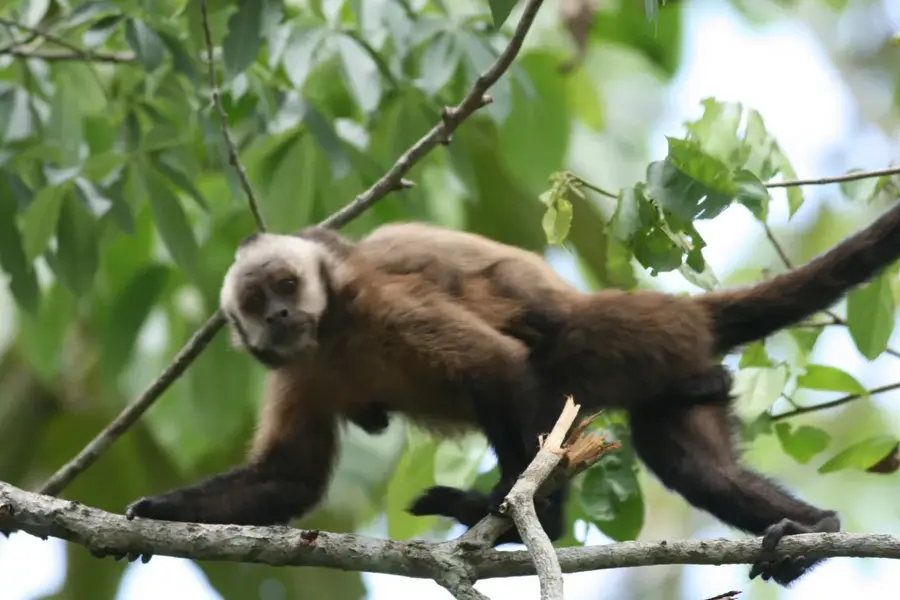
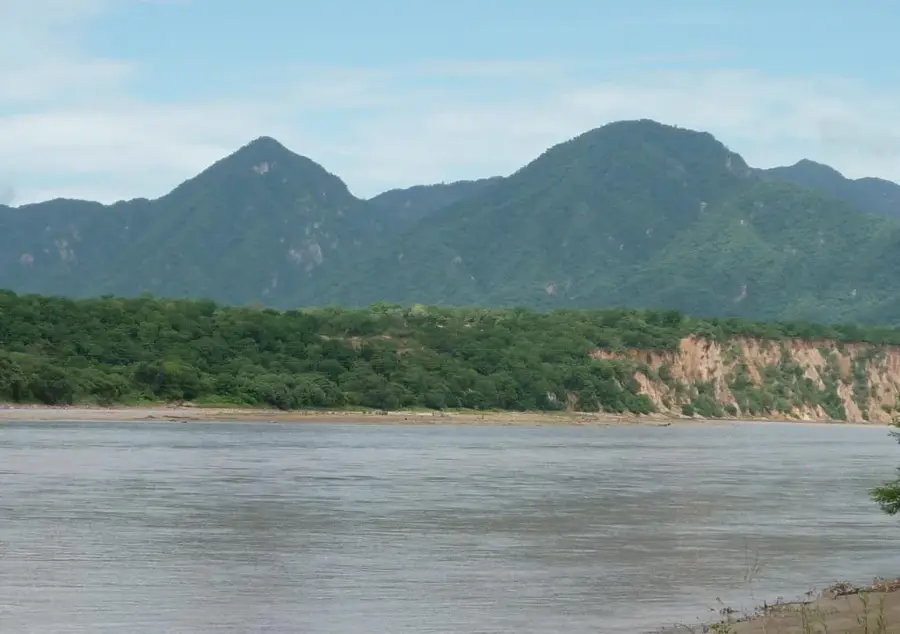
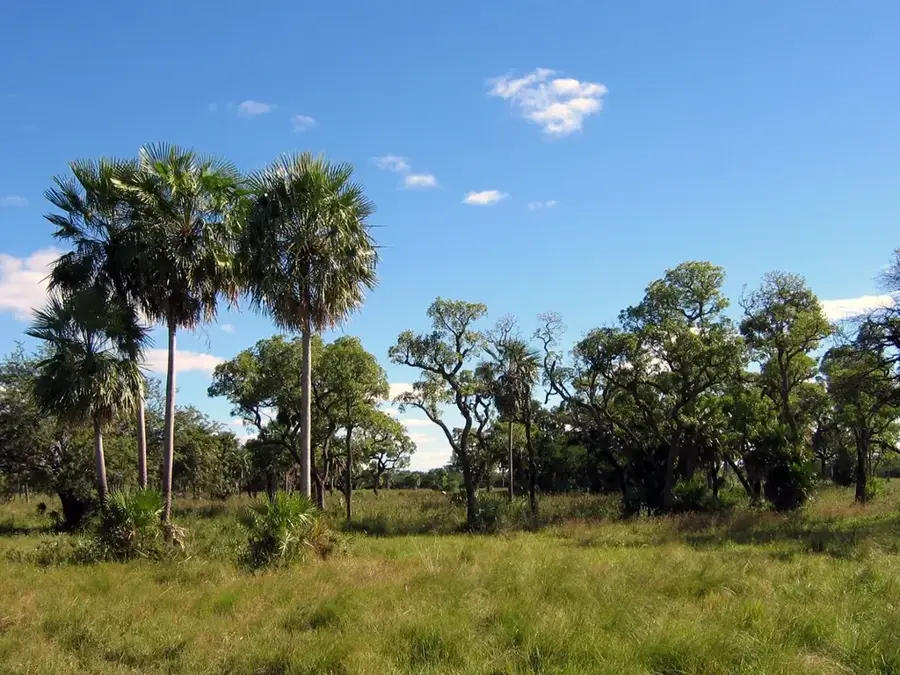
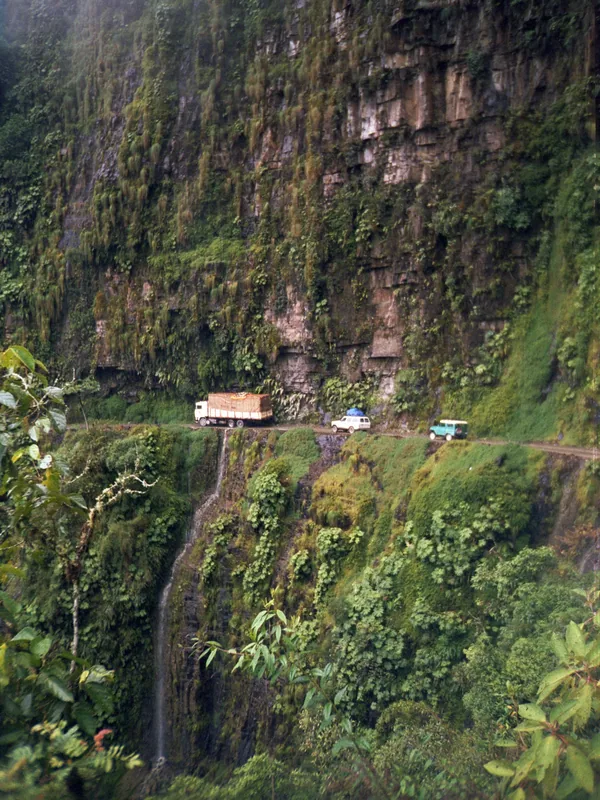
The Tucumano-Bolivian Forest is a unique forest ecosystem stretching along the eastern slopes of the Andes from southern Bolivia to northwestern Argentina. Often referred to as the 'Southern Yungas,' this region is characterized by a humid subtropical climate and a distinct vertical zoning of vegetation. At elevations between 400 and 3,000 meters, dense cloud forests can be found, hosting an enormous biodiversity, including numerous tree species such as the Andean alder and the Andean podocarp. Historically, the forest served as a vital corridor for species movement between the Amazon basin and the more southern regions of the continent. The area plays a crucial role in the regional water balance by capturing cloud moisture and feeding the rivers of the surrounding arid lands. Scientifically, the forest is of great significance for studying climate change and its effects on the shifting of vegetation boundaries. Despite conservation efforts, the ecosystem is threatened by agriculture and deforestation, making the preservation of remaining fragments in national parks like the Tariquía Reserve even more important.
Best time to visit & climate
The most pleasant time to visit is May, Aug, Sep.
| Jan | Feb | Mar | Apr | May | Jun | Jul | Aug | Sep | Oct | Nov | Dec | |
|---|---|---|---|---|---|---|---|---|---|---|---|---|
| Avg °C | 25 | 24 | 23 | 22 | 19 | 18 | 18 | 20 | 23 | 25 | 26 | 25 |
| Rain mm | 148 | 151 | 111 | 59 | 19 | 9 | 5 | 2 | 8 | 43 | 80 | 135 |
📋 Practical info
Geography
Facts
- The forest spans a vertical zone ranging from 400 to 3,000 meters.
- Characteristic tree species belong to the Podocarpus and Alnus genera.
- The region receives annual precipitation amounts of up to 2,000 mm.
- It is a vital habitat for the Andean condor and the spectacled bear.
- The Tariquía Reserve in Bolivia preserves large sections of this forest.
- It forms an ecological bridge between the tropics and temperate zones.
Explore nearby
Notable places around

Route planner — Car & Motorhome
Where do you start? We build the route here, with stops and country notes along the way.
© OpenStreetMap contributors · OpenRouteService
Sights nearby
Frequently asked questions
What is special about this forest?
Where can this forest be found?
How difficult are the hikes?
Is there parking there?
When is the best time to visit?
Tucumano-Bolivian Forest: where is it located?
Tucumano-Bolivian Forest: when is the best time to visit?
Tucumano-Bolivian Forest: why is it worth visiting?

Nearby cities
Nature
More places