Plizio Visual Lab
Santiago del Estero
ℹ️Practical info — Santiago del Estero
▾
🌤 Weather — 5 days
📍 Nearby
Sights nearby
💡 Tips
- Plan outdoor activities for early morning or late evening, as it gets extremely hot in summer.
- Visit a peña on the weekends to experience local folklore music (Chacarera) live.
- Be prepared for a long siesta; many shops only reopen at 6 PM during the summer.
- Use taxis or remises at night, as they are cheap and safer than walking in unlit areas.
🍽 Food
Try these traditional corn dishes at the stalls in the local market.
Buy these local sweet pastries from traditional bakeries.
Enjoy these at a traditional peña or casual restaurants.
🛍 Shopping · 🧘 Quiet spots
Look for traditional drums (Bombos Legüeros) in local artisan workshops.
Discover handmade baskets and fabrics at the Mercado Armonía.
A large city park with eucalyptus trees, well-suited for a walk near the river.
A scenic riverfront promenade for a relaxing sunset stroll.
Water temperature…
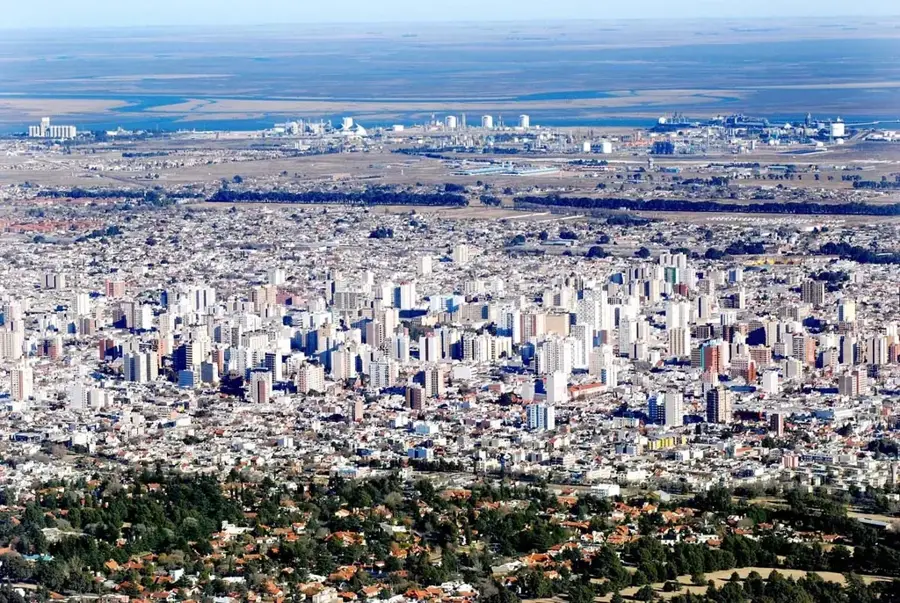
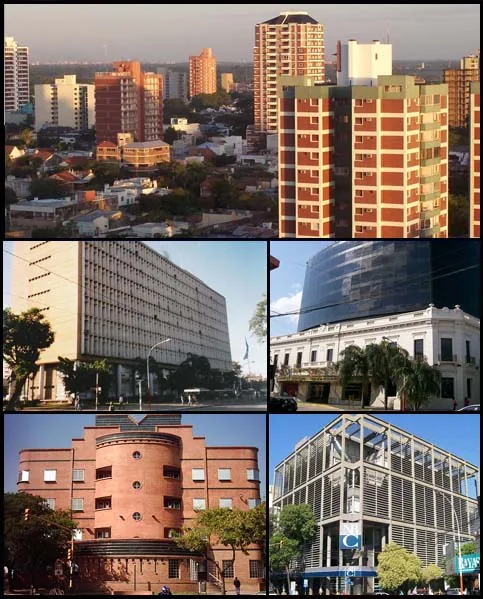
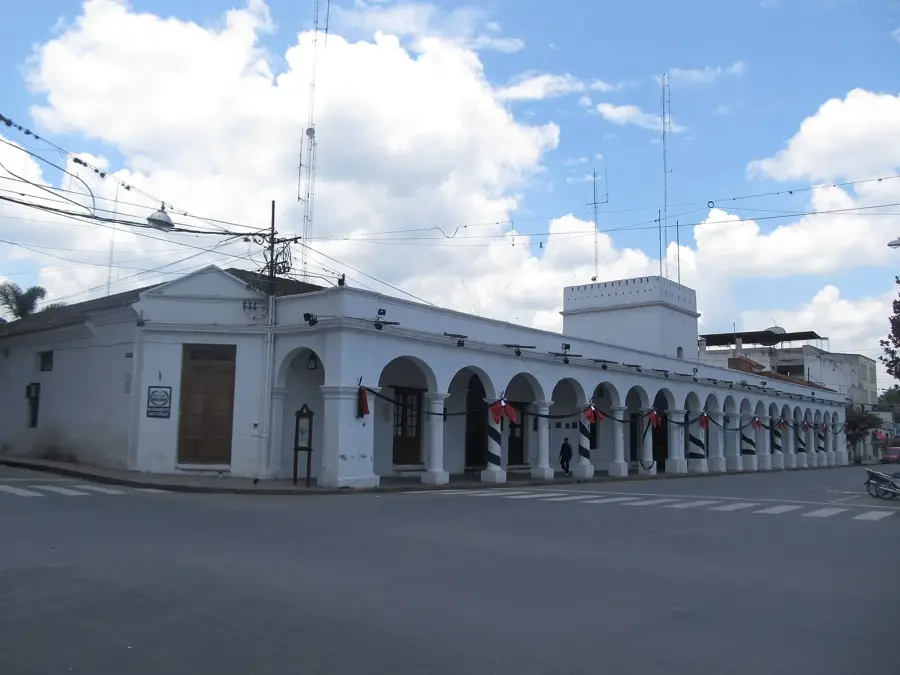
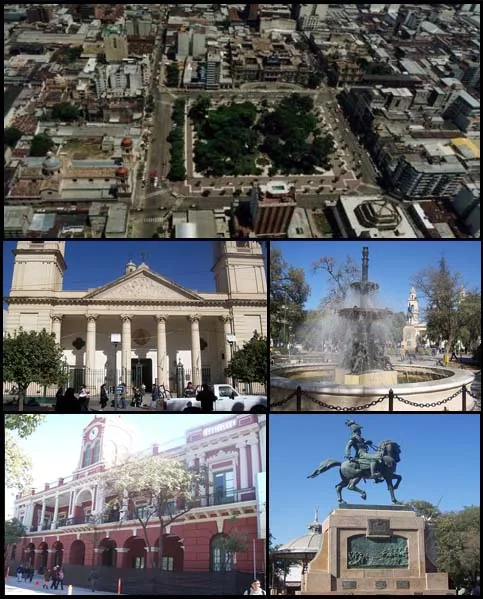
Santiago del Estero, revered as the 'Madre de Ciudades' (Mother of Cities), holds the prestigious title of the oldest continuously inhabited city in Argentina founded by Spanish settlers. Established in 1553 by Francisco de Aguirre along the banks of the Dulce River, it served as the launching point for expeditions that founded other major cities like Tucumán and Córdoba. The city is the indisputable soul of Argentine folklore, particularly the Chacarera music and dance, which remains a living tradition in its streets and social clubs. Geographically, it is located in a semi-arid plain where the climate is characterized by intense summer heat, often the highest in the country, shaping the local lifestyle around the afternoon siesta and a lively nightlife. In recent decades, the city has undergone a dramatic modernization, exemplified by the Bicentennial Cultural Center, a world-class museum complex, and the cutting-edge Estadio Único Madre de Ciudades. Economically, Santiago del Estero is a major administrative hub and a center for regional trade, supported by the province's agricultural output of cotton, cattle, and grains. The city's religious heritage is profound, as it was the seat of Argentina's first bishopric; its cathedral stands as a monument to centuries of faith. A unique aspect of its culture is the lingering influence of the Quechua language, which is still spoken in parts of the province and deeply informs local poetry and song. Gastronomy here is a highlight, with the 'Empanada Santiagueña' being a national treasure, alongside traditional sweets made from carob beans. Residents, known as Santiagueños, are famous for their hospitality and their rhythmic, unhurried approach to life. Santiago del Estero is not merely a historical relic but a bustling urban center that successfully bridges its ancient colonial roots with ambitious 21st-century development, making it a cornerstone of Argentine national identity.
- Location: Argentina
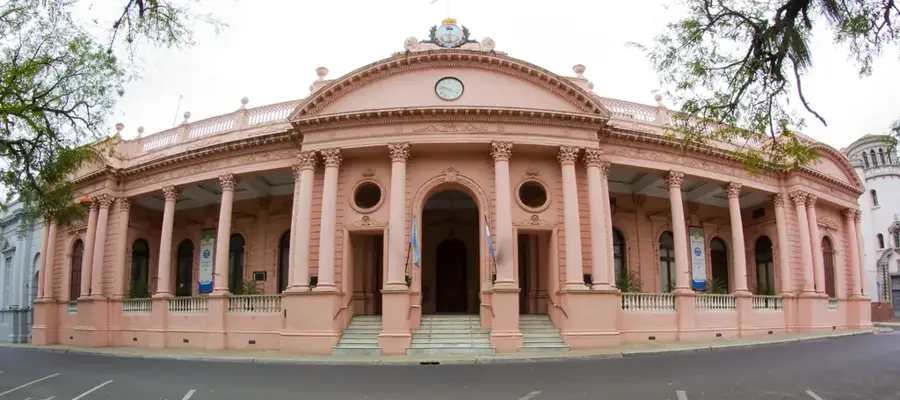
- Top sights: Casa de Gobierno · Catedral Nuestra Señora del Carmen · Museo de Bellas Artes “Ramón Gómez Cornet”
- Nearby: Termas de Río Hondo (69 km)
- Population: ~252.192 (2026)
Best time to visit & climate
The most pleasant time to visit is Apr, May, Sep.
| Jan | Feb | Mar | Apr | May | Jun | Jul | Aug | Sep | Oct | Nov | Dec | |
|---|---|---|---|---|---|---|---|---|---|---|---|---|
| Avg °C | 28 | 27 | 25 | 21 | 17 | 14 | 13 | 16 | 20 | 24 | 27 | 28 |
| Rain mm | 129 | 108 | 103 | 52 | 16 | 14 | 3 | 4 | 15 | 52 | 78 | 109 |
Live webcam – Santiago del Estero
See what it looks like near Santiago del Estero right now.
Santiago del Estero: Plaza Libertad Santiago del Estero - Catedral Basílica Nuestra Señora del Carmen · 0.9 km · Open webcam on Windy · Webcams provided by Windy.com
Geography
Facts
- Established on July 25, 1553, making it Argentina's oldest city.
- Located on the banks of the Dulce River at 187 meters altitude.
- Home to the Estadio Único Madre de Ciudades, opened in 2021.
- The city population is approximately 260,000 residents.
- Famous as the birthplace of Chacarera, a central folk dance.
- Regularly records the highest temperatures in Argentina, over 45°C.
- The Bicentennial Cultural Center occupies the former Government Palace.
- Historically the primary religious and political center of colonial Tucumán.
Explore nearby
Notable places around
Route planner — Car & Motorhome
Where do you start? We build the route here, with stops and country notes along the way.
© OpenStreetMap contributors · OpenRouteService
Sights in the town Santiago del Estero (13)
Frequently asked questions
How many days do you need in Santiago del Estero?
What is the best time to visit Santiago del Estero?
How do you get to Santiago del Estero?
What is Santiago del Estero known for?
Is Santiago del Estero family-friendly?
Santiago del Estero: where is it located?
Santiago del Estero: what is there to see?
Santiago del Estero: when is the best time to visit?
Santiago del Estero: why is it worth visiting?
Nearby cities