Plizio Visual Lab
Salta
ℹ️Practical info — Salta
▾
🌤 Weather — 5 days
📍 Nearby
Sights nearby
💡 Tips
- Shops and businesses typically close between 1 PM and 5 PM for the siesta, so plan your shopping accordingly.
- The teleférico (cable car) to San Bernardo hill gets crowded at sunset; go earlier for shorter lines.
- Altitude sickness is generally not an issue in the city itself, but take it easy if traveling to higher surrounding areas.
- Try a peña (folk music club) late at night, as the real atmosphere starts after 10 PM.
🍽 Food
Baked and incredibly juicy, a must-try at any traditional restaurant or street vendor.
Great for cooler days, this hearty stew is usually found in peñas and traditional eateries.
Sweet corn dough wrapped in corn husks, sold by local vendors around the main square.
🛍 Shopping · 🧘 Quiet spots
The best place to buy authentic regional handicrafts and ponchos.
The streets around the main square are filled with boutique shops and local goods.
Take the cable car or walk up for a peaceful panoramic view of the city.
A large park with a lake, handy for a quiet afternoon stroll.
Water temperature…
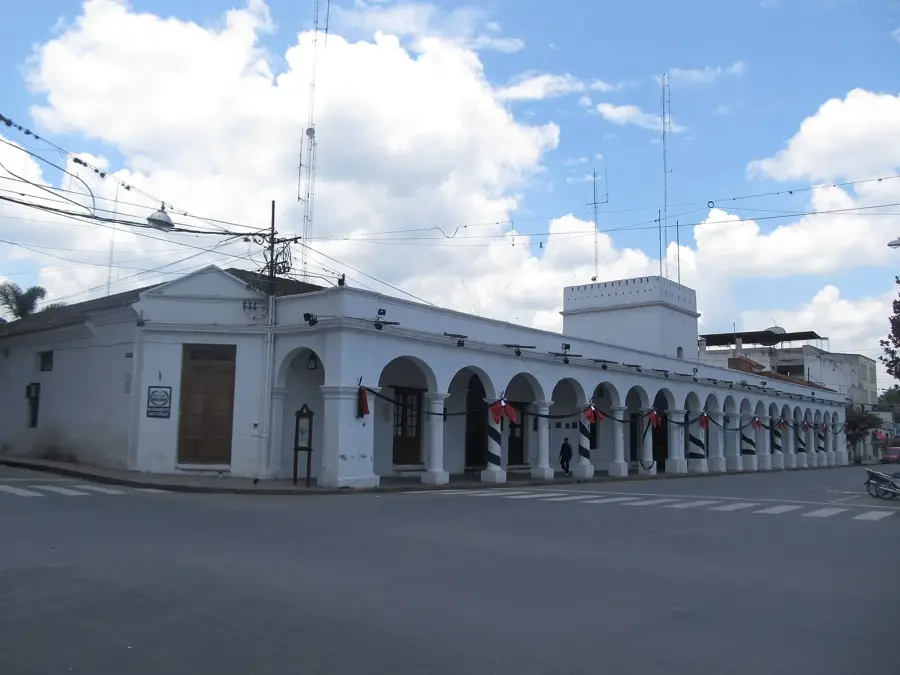
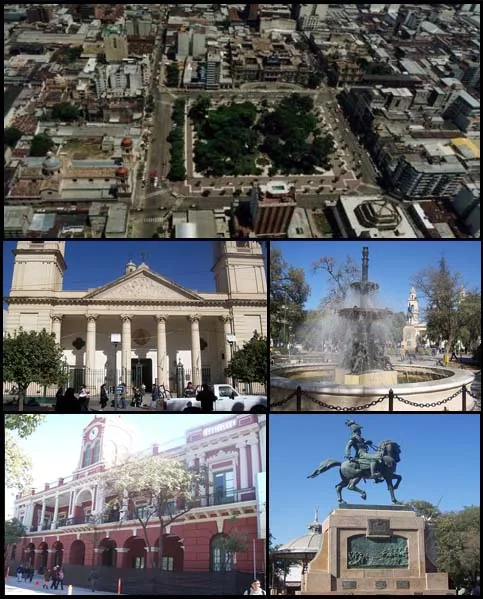
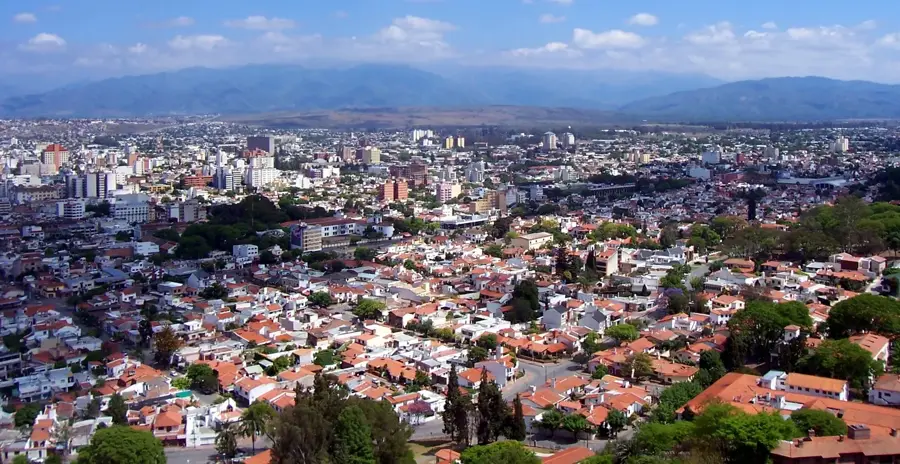
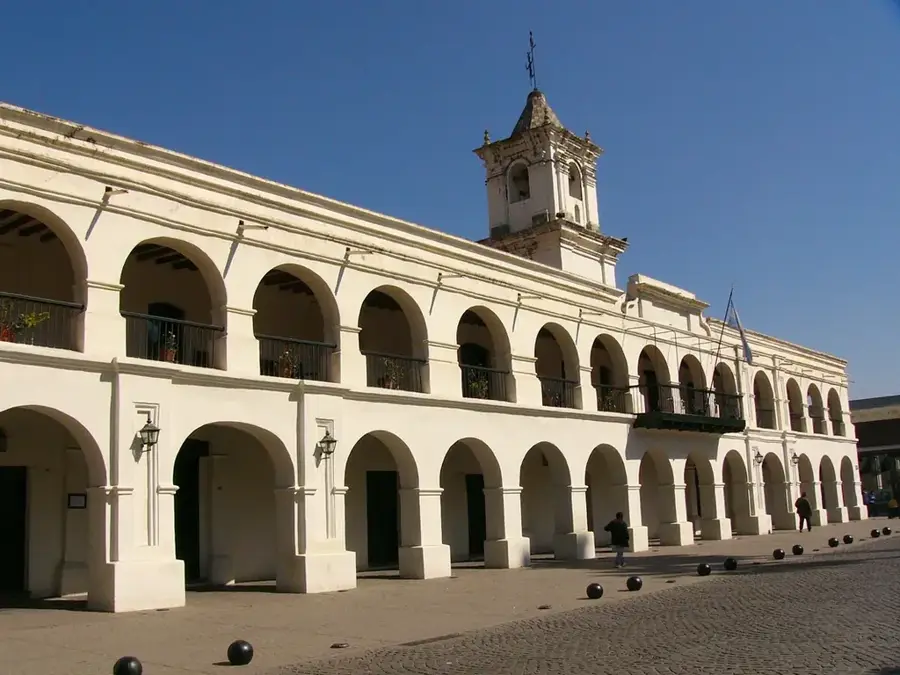
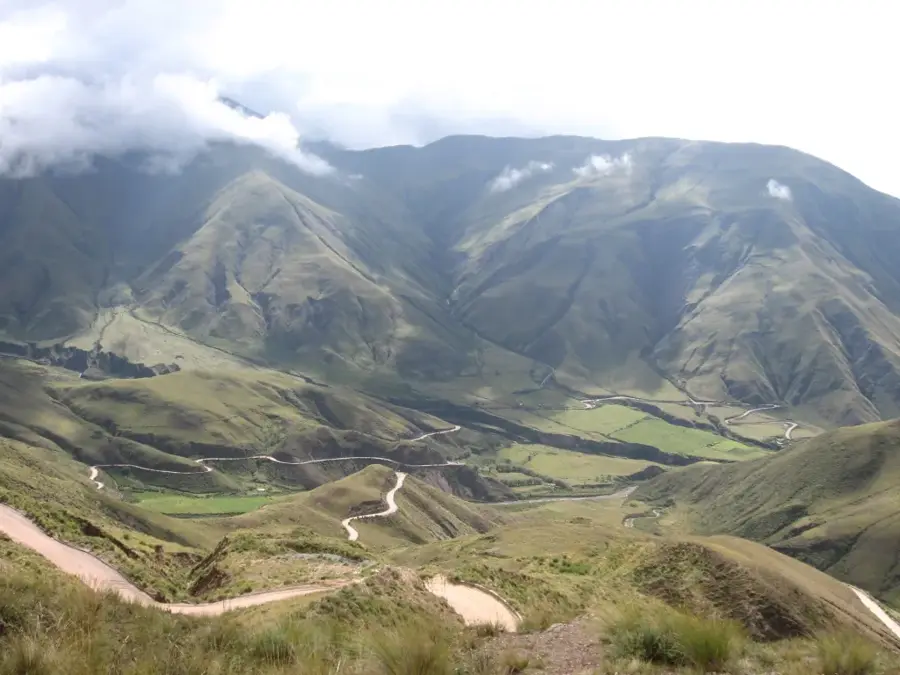
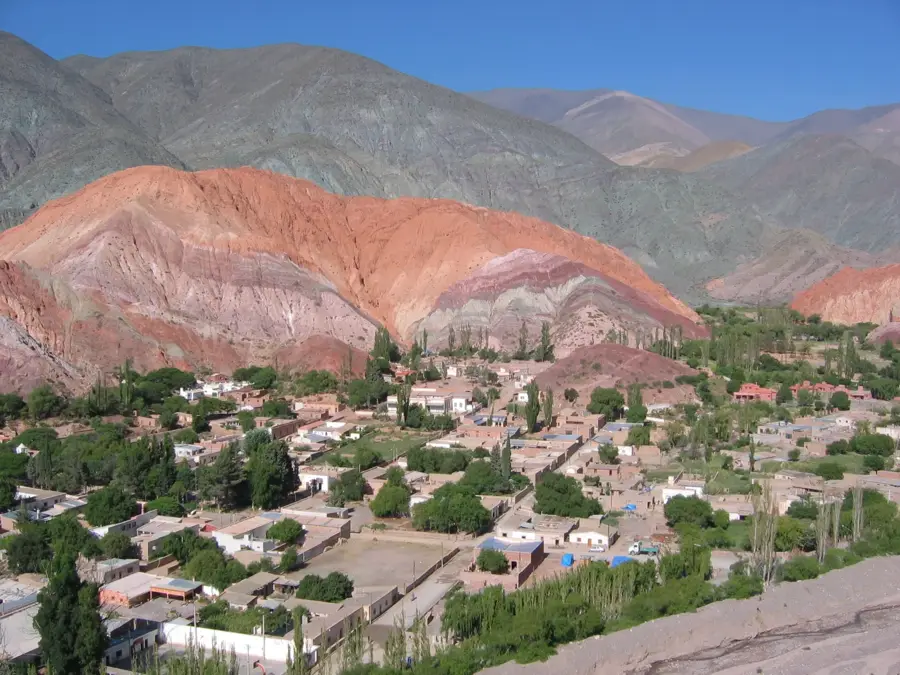
Salta, widely celebrated as 'Salta la Linda' (Salta the Beautiful), is the capital city of the Salta province in northwestern Argentina, set in the Lerma Valley at the edge of the Andes Mountains. Founded on April 16, 1582, by Hernando de Lerma, it is one of the oldest and best-preserved colonial cities in the country, boasting a skyline defined by Spanish terracotta tiles and ornate church spires. The heart of the city, Plaza 9 de Julio, is surrounded by historical landmarks such as the 18th-century Cabildo and the pink-hued Cathedral of Salta, which serves as a site of national pilgrimage. At an altitude of 1,187 meters, the city provides a pleasant subtropical highland climate, making it a comfortable base for exploring the rugged Puna plateau. Salta's economy is a blend of traditional agriculture, mining services, and a thriving tourism sector. It is the starting point for the world-renowned 'Tren a las Nubes' (Train to the Clouds), a marvel of engineering that climbs to incredible heights in the Andes. The city's cultural identity is deeply tied to the Gaucho heritage and the wars of independence led by General Martín Miguel de Güemes. This rich history is complemented by a bustling folklore scene, where local 'peñas' offer a mix of traditional music, dance, and regional cuisine, including the famous Salta empanadas. The city is also a significant educational hub, home to several universities that contribute to its youthful and intellectual atmosphere. Modern Salta has seen substantial investment in sustainable urban planning, ensuring that its historic charm is preserved alongside contemporary developments in telecommunications and transport. As a gateway to the spectacular Quebrada de Humahuaca and the high-altitude vineyards of Cafayate, Salta remains an indispensable part of Argentina's northern economic and cultural landscape.
- Location: Argentina
- Top sights: Iglesia de San Alfonso · Plaza General Güemes · Museo Pajcha Arte Etnico Americano
- Nearby: Palpalá (33 km)
- Population: ~520.683 (2026)
Best time to visit & climate
The most pleasant time to visit is Sep–Nov.
| Jan | Feb | Mar | Apr | May | Jun | Jul | Aug | Sep | Oct | Nov | Dec | |
|---|---|---|---|---|---|---|---|---|---|---|---|---|
| Avg °C | 18 | 17 | 16 | 14 | 11 | 10 | 9 | 11 | 13 | 16 | 17 | 18 |
| Rain mm | 184 | 164 | 116 | 57 | 12 | 5 | 2 | 3 | 5 | 29 | 65 | 141 |
Geography
Facts
- Salta was founded on April 16, 1582, by Spanish officer Hernando de Lerma.
- The city's official elevation is 1,187 meters (3,894 feet) above sea level.
- The Cabildo of Salta served as the city hall from 1626 until 1888.
- The Train to the Clouds travels over 434 kilometers in its round trip to the border.
- General Martín Miguel de Güemes, a hero of independence, was born here in 1785.
- The Museum of High Altitude Archaeology (MAAM) opened its doors in 2004.
- San Bernardo Hill can be reached by a cable car system installed in 1987.
- The city's population exceeds 530,000 inhabitants as of the latest estimates.
Explore nearby
Notable places around
Route planner — Car & Motorhome
Where do you start? We build the route here, with stops and country notes along the way.
© OpenStreetMap contributors · OpenRouteService
Sights in the town Salta (15)
Frequently asked questions
How many days do you need in Salta?
What is the best time to visit Salta?
How do you get to Salta?
What food is a must-try in Salta?
Is Salta family-friendly?
Salta: where is it located?
Salta: what is there to see?
Salta: when is the best time to visit?
Salta: why is it worth visiting?
Nearby cities