Plizio Visual Lab
Bahía Blanca
ℹ️Practical info — Bahía Blanca
▾
🌤 Weather — 5 days
📍 Nearby
Sights nearby
💡 Tips
- Strong winds are common; dress in layers and carry a windbreaker.
- Downtown attractions are mostly walkable, but use local buses (micros) to reach the port area.
- Avoid walking near the industrial port areas at night; stick to the city center.
- Try to visit the museums around the center on weekends, as they often have extended hours.
🍽 Food
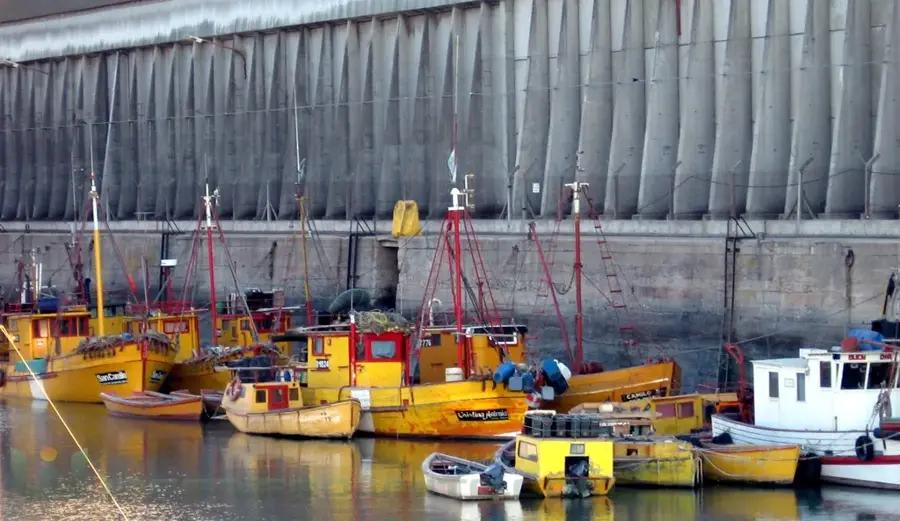
Enjoy a platter of fried calamari and local catch at a seafood restaurant near the port of Ingeniero White.
Grab some freshly made churros filled with dulce de leche from a downtown bakery for your afternoon mate.
Experience an authentic Argentine barbecue at a traditional parrilla on Avenida Alem.
🛍 Shopping · 🧘 Quiet spots
Browse the weekend artisan fairs often held in the parks near this scenic walking path.
Look for high-quality leather belts and wallets in specialty shops around Plaza Rivadavia.
The city's largest green space, first-rate for a relaxing afternoon walk or a picnic away from the traffic.
Take a quiet stroll along the water in the late afternoon to watch the ships and enjoy the sea breeze.
Water temperature…
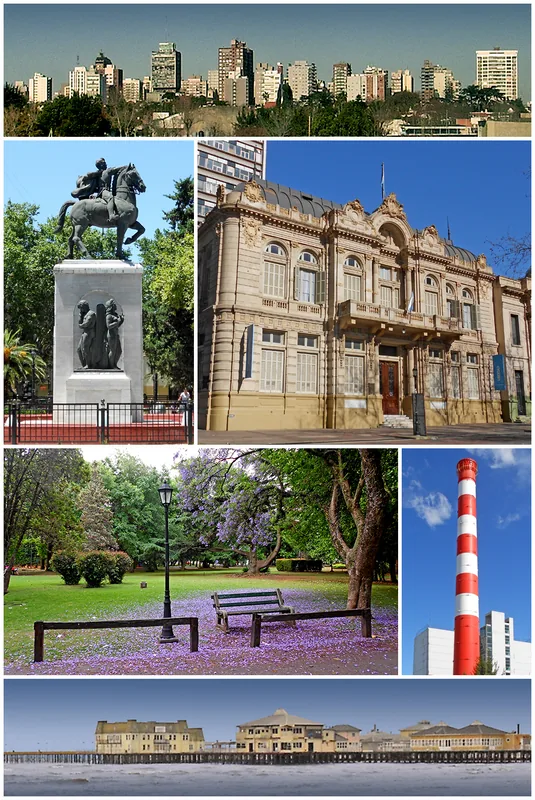
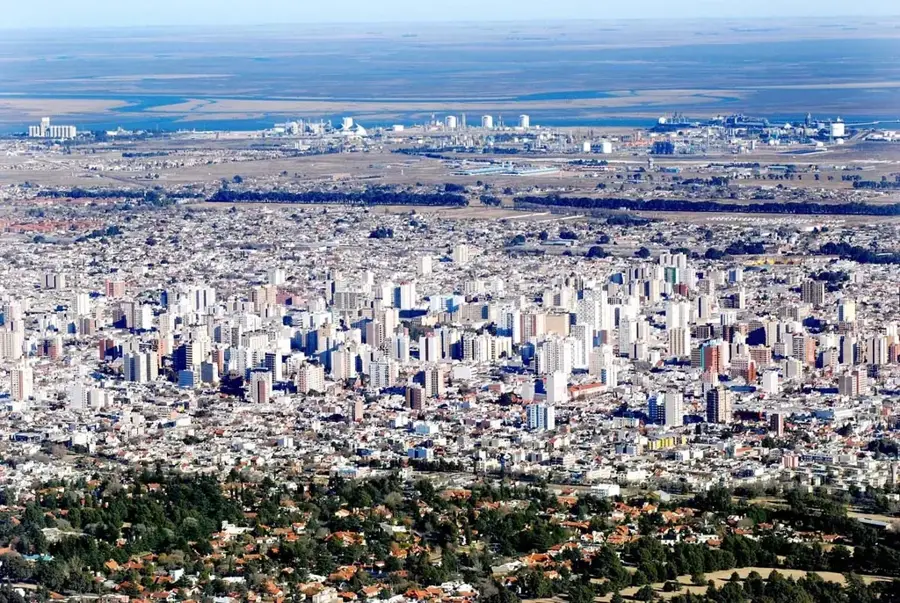
Bahía Blanca is a key port city and industrial hub in the south of Buenos Aires Province, serving as a strategic gateway to Patagonia and the Pampas region. The city's name translates to 'White Bay,' referring to the coastal salt deposits seen by early explorers. Its economy is fundamentally based on its deep-water port, through which vast quantities of grain, chemicals, and oil are exported to world markets. Bahía Blanca is not only an industrial giant but also an important educational center with several prestigious universities. Interestingly, the city is considered the basketball capital of Argentina, as many internationally renowned players, including Manu Ginóbili, started their careers here. Beautiful parks, theaters, and neoclassical buildings in the city center testify to its rich past and development.
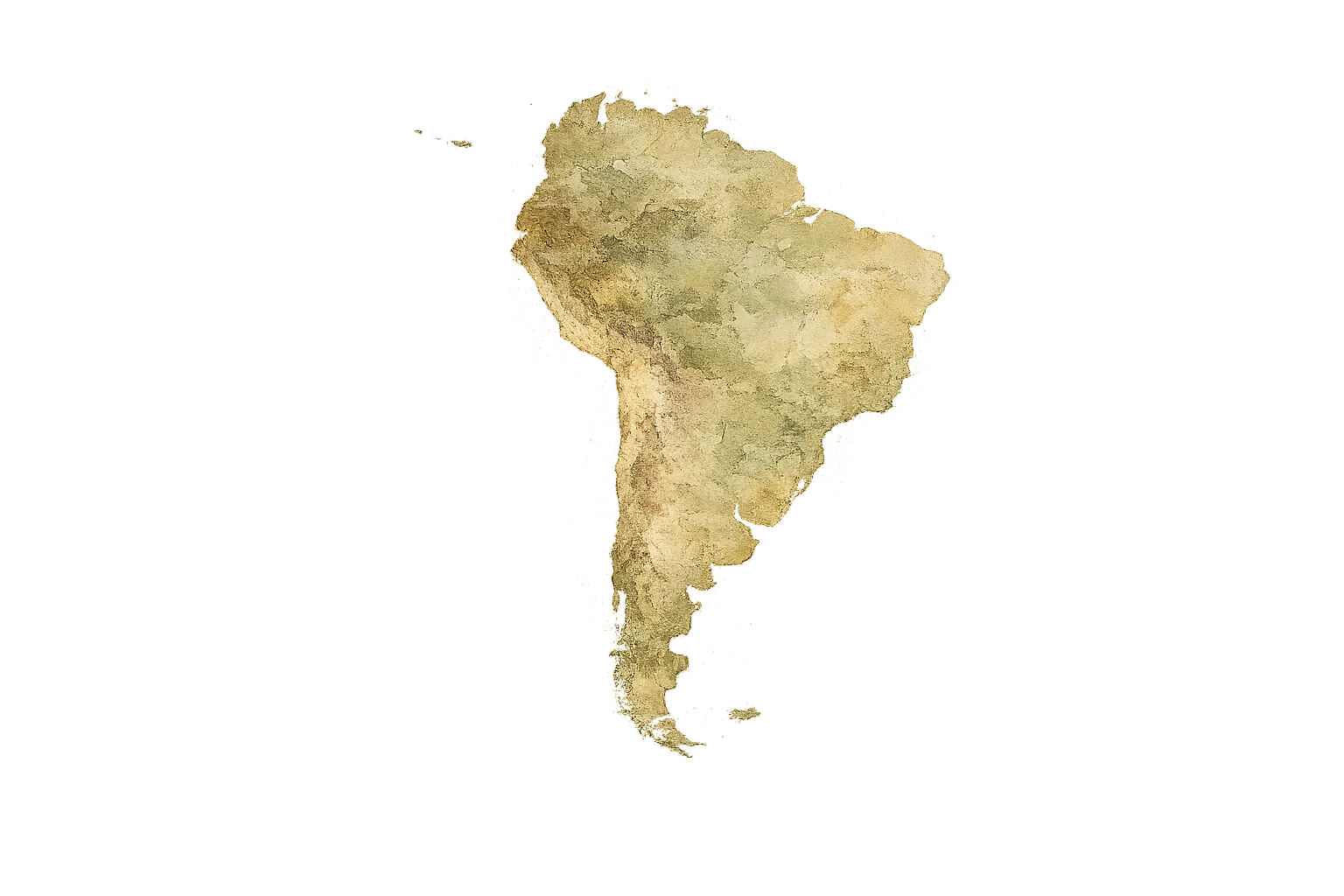
- Location: Argentina
- Top sights: Teatro Municipal · Museo de Bellas Artes y Arte Contemporáneo · Museo y Parque Estereoscópico El Histórico
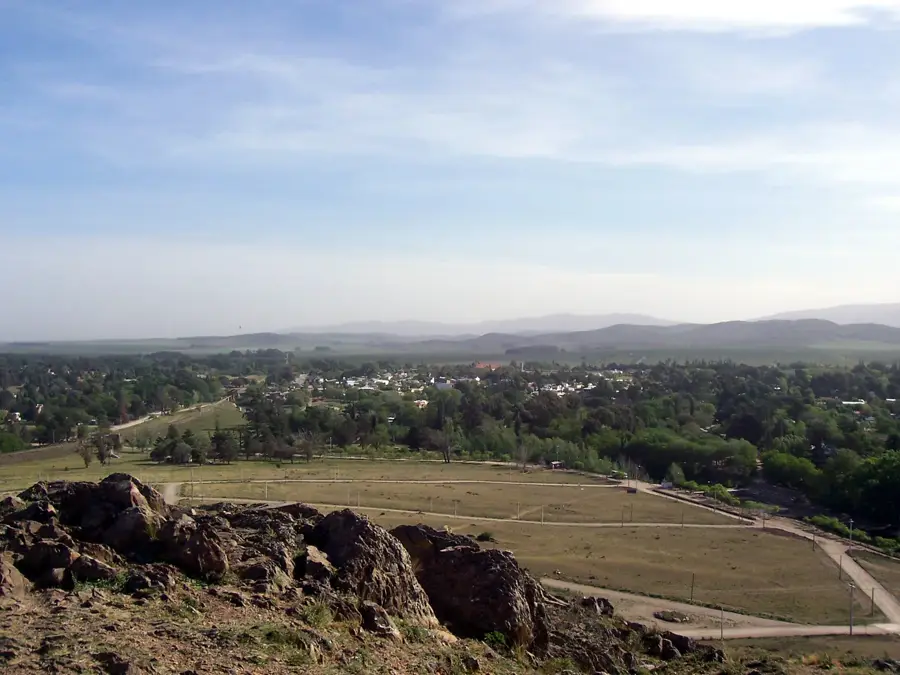
- Nearby: Sierra de la Ventana (61 km)
- Population: ~299.101 (2026)
Best time to visit & climate
The most pleasant time to visit is Feb, Mar, Dec.
| Jan | Feb | Mar | Apr | May | Jun | Jul | Aug | Sep | Oct | Nov | Dec | |
|---|---|---|---|---|---|---|---|---|---|---|---|---|
| Avg °C | 24 | 23 | 20 | 15 | 11 | 7 | 6 | 9 | 11 | 15 | 19 | 23 |
| Rain mm | 62 | 66 | 68 | 59 | 38 | 21 | 35 | 32 | 50 | 87 | 71 | 56 |
Geography
Facts
- Founded in 1828 as a military fortress.
- The deep-water port has a draft reaching 14 meters.
- Home to one of the largest petrochemical complexes in the country.
- The city's basketball teams are legendary in national championships.
- Plaza Rivadavia, the central square, is the heart of social life.
- Serves as a vital railway junction for agricultural shipments.
- Birthplace of Manu Ginobili, the successful NBA basketball player.
- The city contains more than 20 different museums.
Explore nearby
Notable places around
Route planner — Car & Motorhome
Where do you start? We build the route here, with stops and country notes along the way.
© OpenStreetMap contributors · OpenRouteService
Sights in the town Bahía Blanca (12)
Frequently asked questions
How many days do you need for Bahía Blanca?
What is the best time to visit?
How do you get there?
What should you eat there?
Is the city family-friendly?
Bahía Blanca: where is it located?
Bahía Blanca: what is there to see?
Bahía Blanca: when is the best time to visit?
Bahía Blanca: why is it worth visiting?
Nearby cities