Plizio Visual Lab
Palpalá
ℹ️Practical info — Palpalá
▾
🌤 Weather — 5 days
📍 Nearby
Sights nearby
💡 Tips
- While known for industry, it's a great stepping stone to the nearby natural reserves in the Jujuy valleys.
- Take a short, inexpensive bus ride to San Salvador de Jujuy for a wider variety of dining options.
- Visit the historic Altos Hornos Zapla area to understand the region's steelmaking heritage.
- Summer months can bring heavy showers, so always carry a light rain jacket.
🍽 Food
Enjoy these local empanadas, often baked and deeply flavorful, at neighborhood eateries.
A hearty traditional stew, well-suited for cooler days, served in modest local diners.
Try this sweet corn dish wrapped in corn husks at regional food stalls.
🛍 Shopping · 🧘 Quiet spots
The central area gives basic amenities and local everyday stores.
Look for small craft stores selling items that reflect the city's industrial past.
Head to the nearby wooded hills for a peaceful walk in nature.
The town's small central plazas are quiet spots to rest and people-watch.
Water temperature…
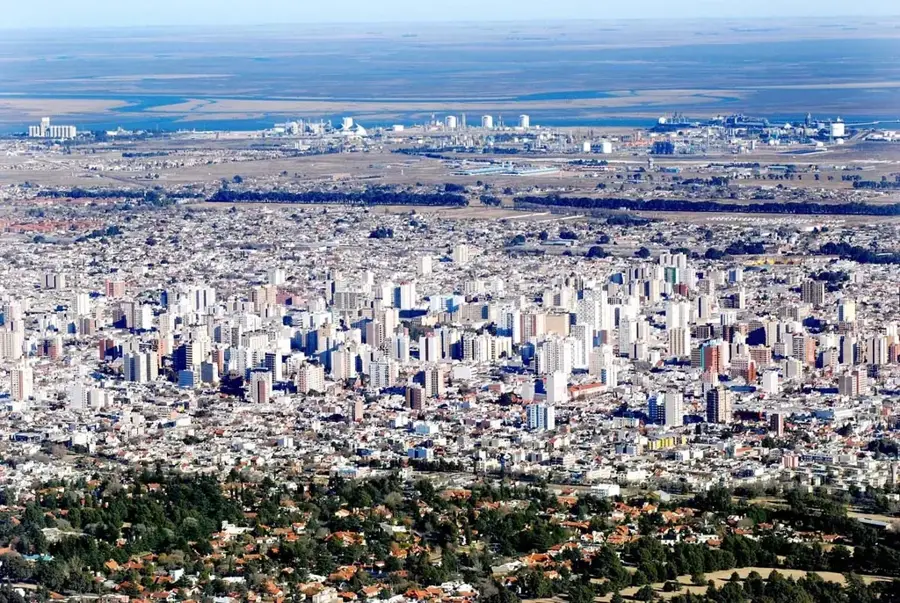
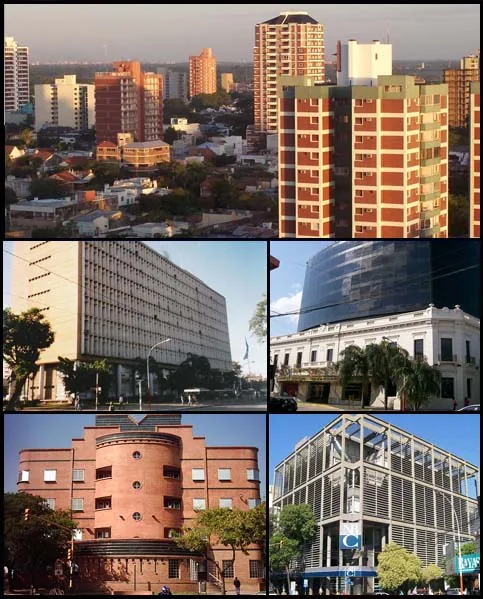
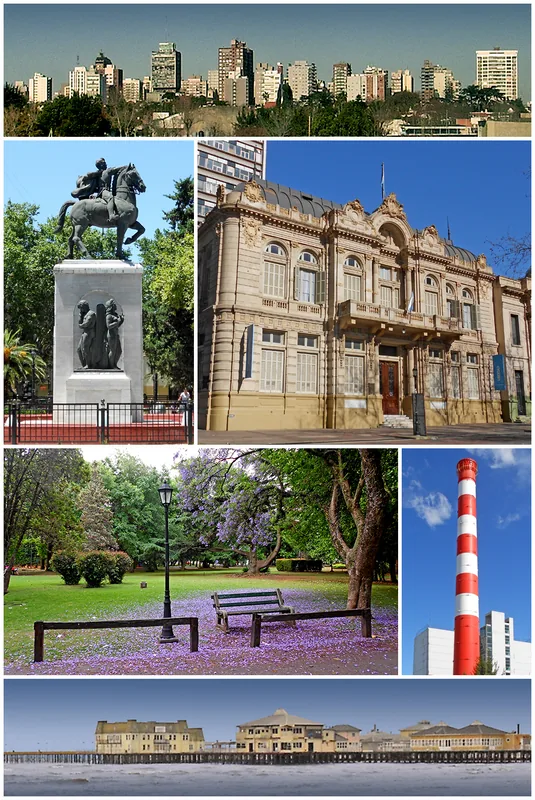
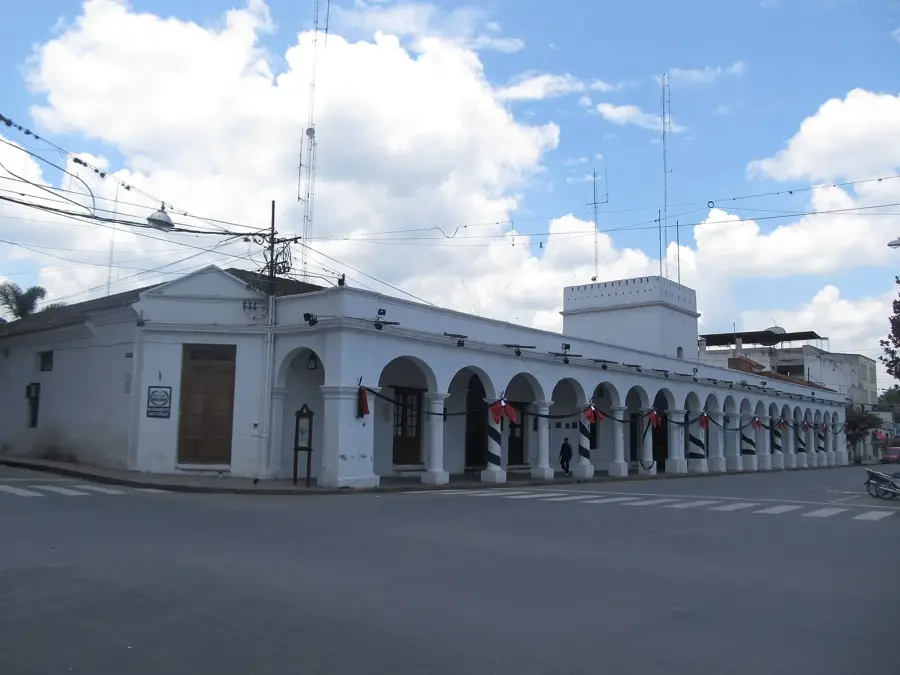
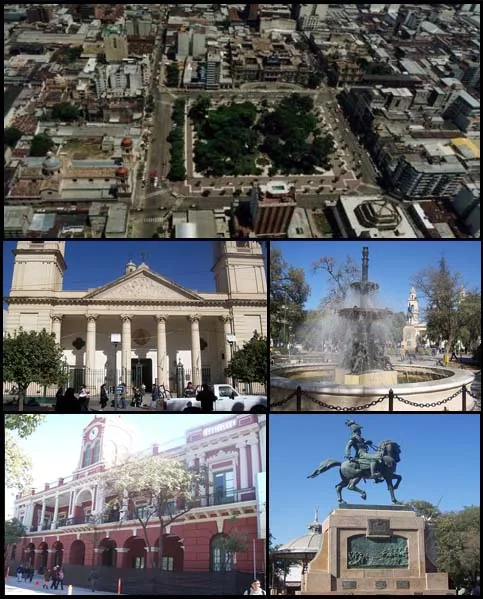
Palpalá is a significant industrial city in Jujuy Province, located just south of the capital, San Salvador. Known as the 'Iron Capital of Argentina,' its history and identity are inextricably linked to the 'Zapla' steelworks (Altos Hornos Zapla), the first integrated steel plant in the country. The city grew rapidly in the mid-20th century as a hub for heavy industry and mining, attracting workers from all over the region. Today, Palpalá is working to diversify its economy and enhance its urban spaces, featuring beautiful parks and a growing services sector. The city maintains a strong industrial character while being surrounded by the beautiful forested hills of the 'Yungas' region. It remains a symbol of Argentina's mid-century industrial ambition and a key node in the provincial economy.
- Location: Argentina
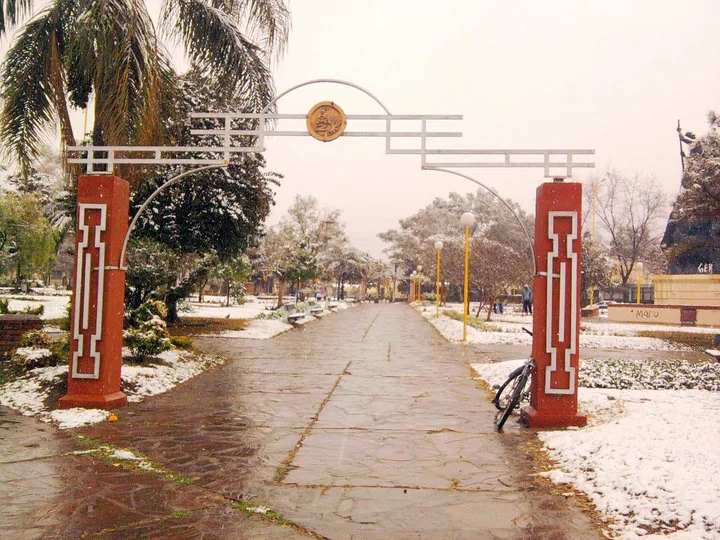
- Top sights: Paseo de los Duendes · Paseo de las Flores · Anfiteatro Arroyo Las Martas
- Nearby: San Pedro de Jujuy (38 km)
- Population: ~48.199 (2026)
Best time to visit & climate
The most pleasant time to visit is Apr, Aug, Sep.
| Jan | Feb | Mar | Apr | May | Jun | Jul | Aug | Sep | Oct | Nov | Dec | |
|---|---|---|---|---|---|---|---|---|---|---|---|---|
| Avg °C | 24 | 23 | 22 | 20 | 16 | 15 | 14 | 17 | 20 | 24 | 25 | 25 |
| Rain mm | 160 | 163 | 119 | 56 | 13 | 5 | 3 | 4 | 5 | 37 | 60 | 148 |
Geography
Facts
- Founded in 1948 as an industrial town.
- Home to Altos Hornos Zapla, the country's first steel plant.
- The first Argentine steel was cast here in 1945.
- Known as the 'Iron Capital' of the country.
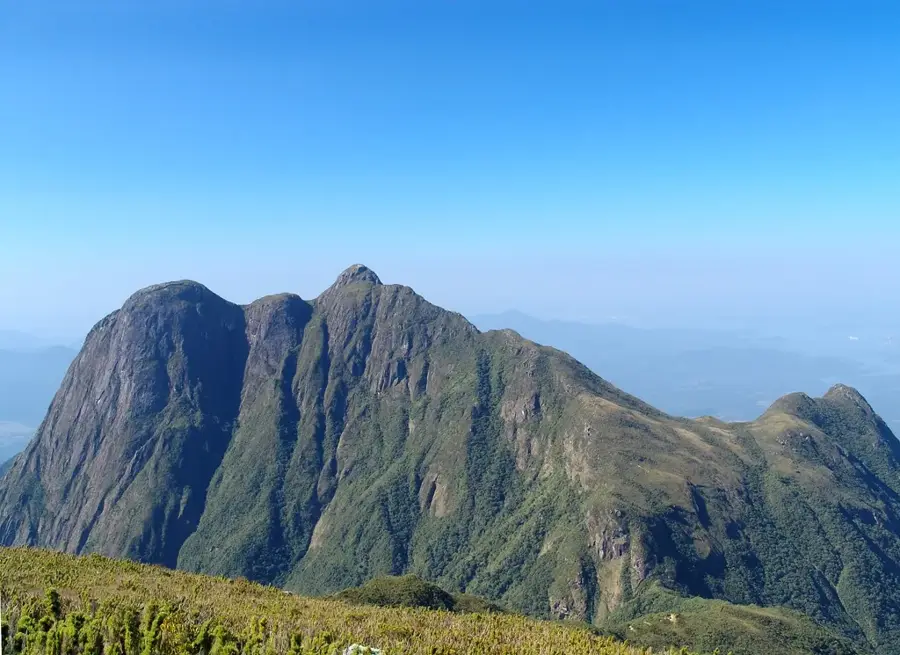
- Located in the ecological transition zone between the mountains and the plains.
- The 'Parque Industrial' is one of the largest in the province.
- Famous for its 'Paseo de las Flores' and well-maintained public gardens.
- A vital center for the processing of minerals from the Puna.
Explore nearby
Notable places around
Route planner — Car & Motorhome
Where do you start? We build the route here, with stops and country notes along the way.
© OpenStreetMap contributors · OpenRouteService
Sights in the town Palpalá (9)
Frequently asked questions
How many days do you need for Palpalá?
When is the best time to visit?
How do you get there?
Are there local dishes worth trying?
Is Palpalá family-friendly?
Palpalá: where is it located?
Palpalá: what is there to see?
Palpalá: when is the best time to visit?
Palpalá: why is it worth visiting?

Nearby cities