Plizio Visual Lab

Quebrada de Humahuaca
Plizio editorial teamData Sources
Relief
—°10
Quebrada de Humahuaca (Argentina)

Weather…

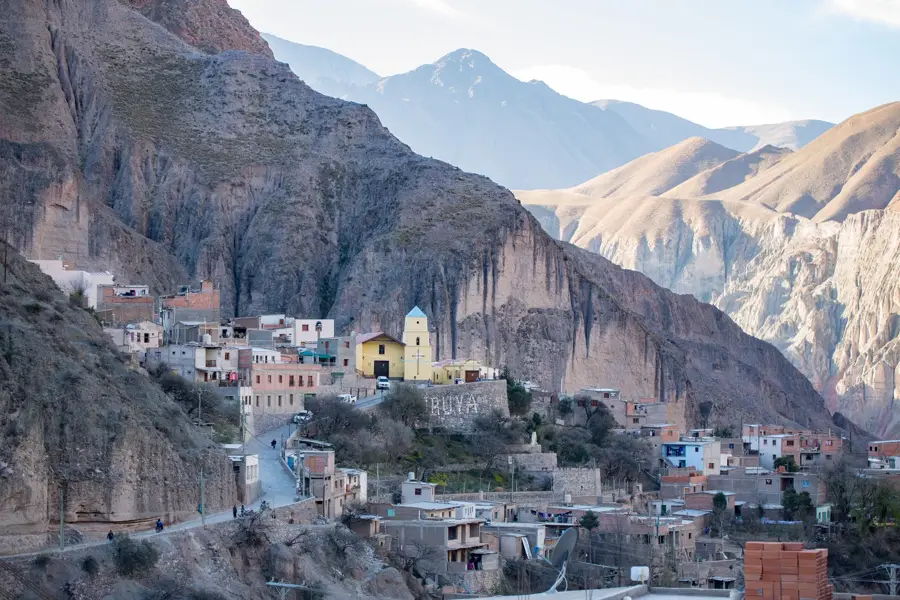
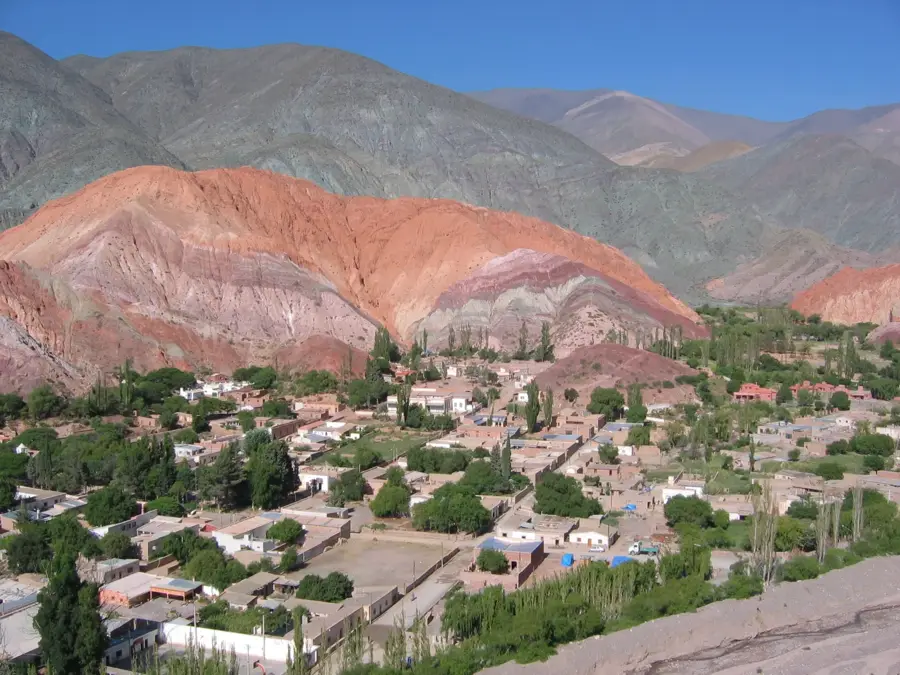
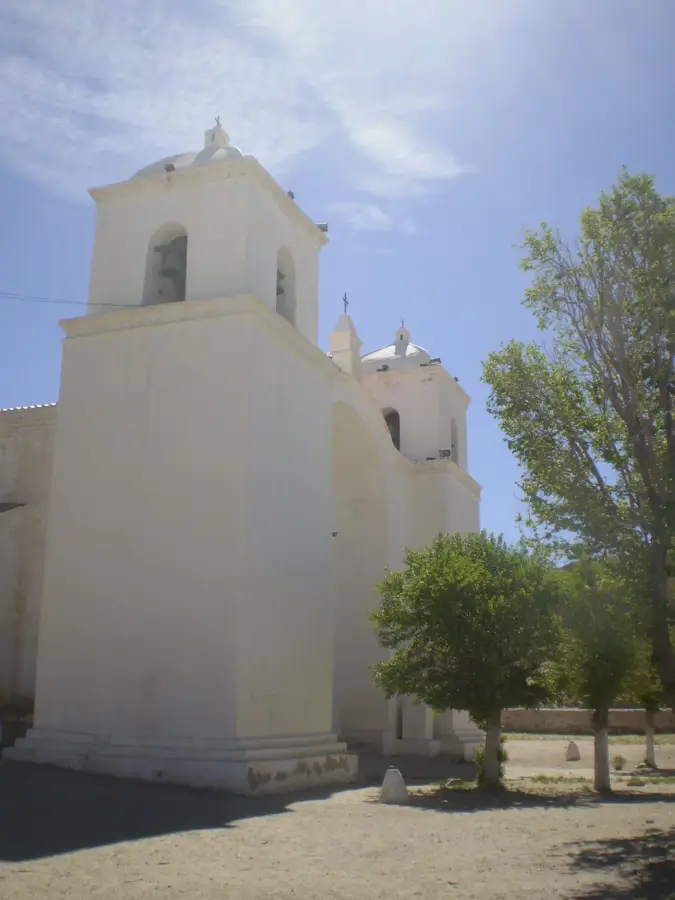
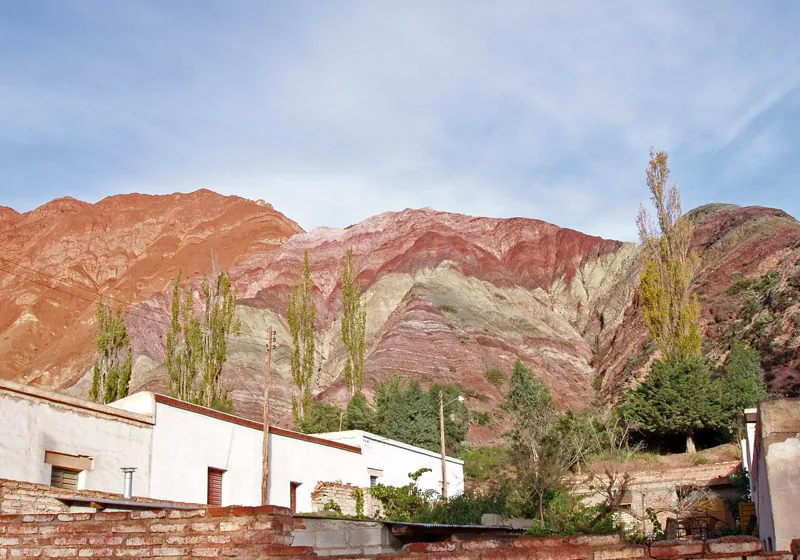
The Quebrada de Humahuaca is a spectacular and colorful mountain valley located in the province of Jujuy, declared a UNESCO World Heritage Site in the cultural landscape category. This 155-kilometer-long depression, traversed by the Grande River, has been an essential commercial and cultural route for millennia between the high Andean region and the warm valleys. It is famous for its multicolored mountains, such as the 'Cerro de los Siete Colores' in Purmamarca and the 'Serranía de Hornocal' in Humahuaca, whose geological strata reveal millions of years of Earth's history. The Quebrada is home to photogenic colonial villages, historic churches, and pre-Inca ruins (pucarás), keeping alive ancestral traditions and popular festivals that attract thousands of visitors annually.

Best time to visit & climate

The most pleasant time to visit is Sep–Nov.

JanFebMarAprMayJunJulAugSepOctNovDec
Avg °C11101084334791112
Rain mm134133100391043383755124

📋 Practical info

🧭
Getting there
The colorful valley is generally accessed via the well-maintained national highway running straight through the region. Scheduled buses regularly connect the most important historical settlements.
📅
Best season
Spring and autumn typically offer the most pleasant climate for general exploration. The summer months, by contrast, can become very hot and occasionally bring sudden, heavy downpours.
⛰️
Terrain & paths
The terrain includes sometimes dusty, rocky paths that lead up to various striking viewpoints. The base elevation of the valley is already considerable, making simple walking somewhat tiring.
🎒
What to bring
Good walking shoes, strong UV protection, and a wide hat are mandatory under the intense high-altitude sun. Since temperatures drop sharply in the evening, warm layers are highly recommended.
🅿️
Parking
In the small villages of the valley, designated parking lots are usually found near the central squares. It is highly advisable to leave your car there and thoroughly explore the towns on foot.
⚠️
Safety
Due to the considerable altitude, you should allow yourself sufficient time to acclimatize to completely avoid discomfort. Drink plenty of water and actively avoid physical overexertion.
⏱️
Time needed
To properly experience the various facets and villages of this extensive valley at a relaxed pace, you typically plan for one to two full days. Short stops generally take about an hour each.

Geography

Coordinates
-23.18330, -65.35000

Facts

  • The valley is 155 km long and is located at over 2,000 m altitude.
  • The Hill of Seven Colors displays sediments from different geological periods.
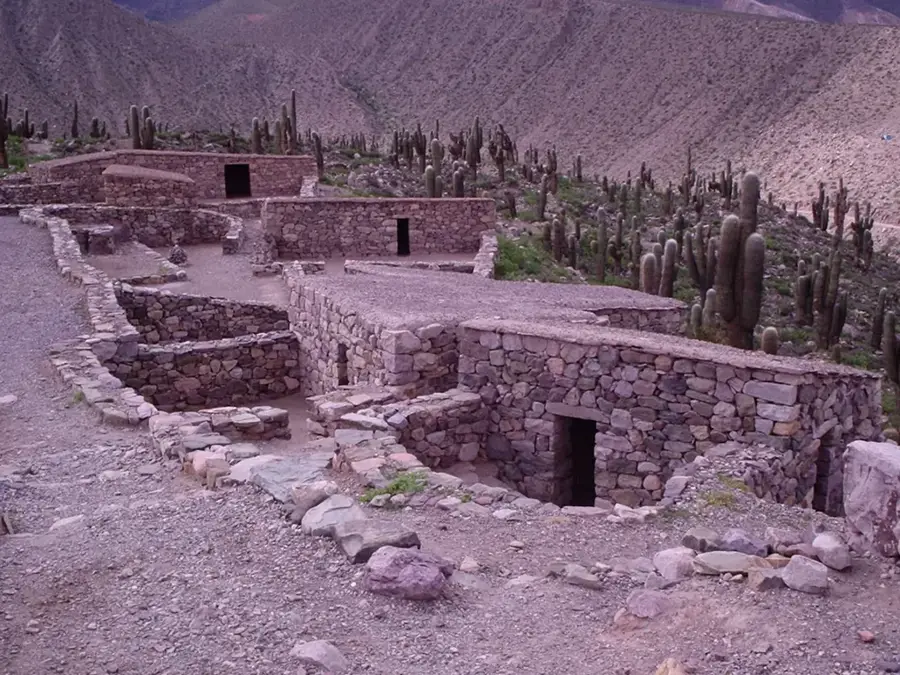
  • Pucará de Tilcara is the most important archaeological site in the valley.
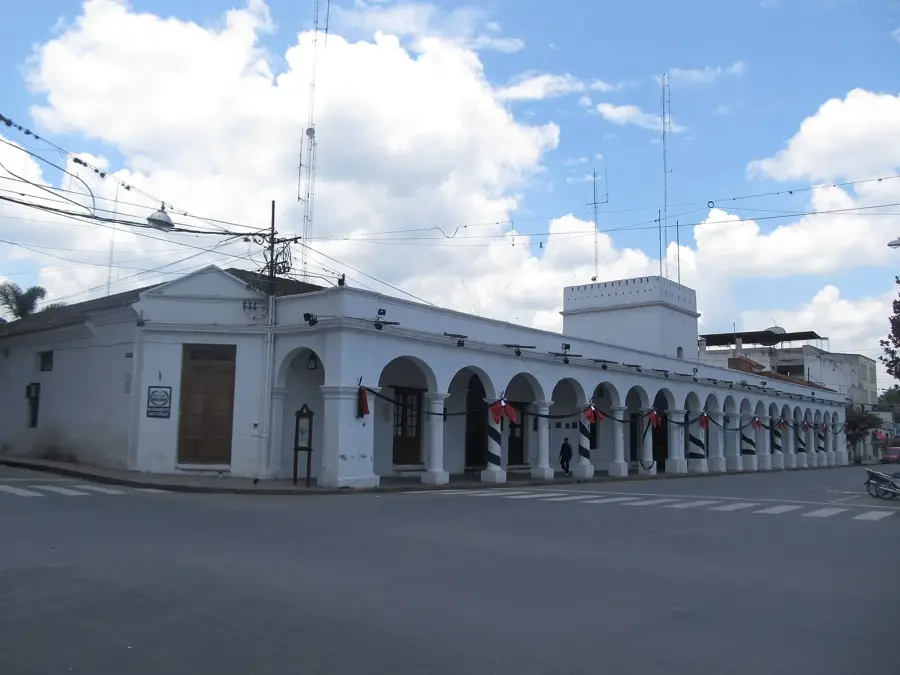
  • Humahuaca is the largest town and the historical center of the region.
  • It is famous for its Carnival, full of indigenous symbolism.
  • Route 9 runs the entire length of the Quebrada, offering panoramic views.

Explore nearby

Notable places around

Route planner — Car & Motorhome

Where do you start? We build the route here, with stops and country notes along the way.

Vehicle
Only stops with (optional):

© OpenStreetMap contributors · OpenRouteService

Sights in the town Quebrada de Humahuaca (10)

Reloj San Francisco Solano📍 landmark

This distinct clock mechanism in the Quebrada de Humahuaca area is a recognizable local attraction often drawing curious onlookers.

Museo Arqueológico Municipal🏛 museum

This municipal archaeological museum displays fascinating pre-Columbian artifacts that shed light on the indigenous cultures of the Humahuaca gorge.

Condor de metal📍 landmark

A prominent metal condor sculpture serves as a striking artistic tribute to the majestic bird native to the Andean skies.

Peña Blanca📍 landmark

The Peña Blanca presents a remarkable natural rock formation whose pale cliffs beautifully contrast with the rugged surrounding landscape.

Cerro Negro🌿 nature

The dark slopes of Cerro Negro stand out dramatically against the colorful mountainous terrain of the Quebrada de Humahuaca.

Ruinas de Coctaca🏺 historical

The sprawling archaeological ruins of Coctaca showcase extensive agricultural terraces built by pre-Columbian societies for cultivating crops.

Templo bautista evangelico Eben-ezer⛪ religious

This Baptist Evangelical temple provides a modest and welcoming spiritual center for its congregation in the heart of the gorge.

Centro gnostico netzah⛪ religious

This local Gnostic center hosts spiritual meetings and esoteric studies for practitioners residing in the Humahuaca valley.

Los testigos de Jehova⛪ religious

This modern meeting hall is regularly used by Jehovah's Witnesses for Bible study and community worship in the region.

Humahuaca Municipal Market🎭 culture

At the Humahuaca Municipal Market, vendors sell regional specialties such as colorful corn varieties and handmade woven crafts.

Sights nearby

Frequently asked questions

Why is the Quebrada de Humahuaca so famous?
Because of its spectacular geological colors and rich cultural history.
Should one book a guided tour?
Yes, guides provide deeper insights into indigenous culture and history.
How is the weather there?
Dry and sunny, but at night it can get very cold at high altitude.
What is a must-see there?
The 'Hill of Seven Colors' (Cerro de los Siete Colores) in Purmamarca.
Is it well-suited for children?
Yes, there are many accessible viewpoints, but mind the altitude.
Quebrada de Humahuaca: where is it located?
Quebrada de Humahuaca is located in Argentina.
Quebrada de Humahuaca: what is there to see?
Highlights include Reloj San Francisco Solano, Museo Arqueológico Municipal, Condor de metal.
Quebrada de Humahuaca: when is the best time to visit?
The most pleasant time to visit is Sep, Nov.
Quebrada de Humahuaca: why is it worth visiting?
The Quebrada de Humahuaca is a spectacular and colorful mountain valley located in the province of Jujuy, declared a UNESCO World Heritage Site in the cultural landscape category.
View on map → The Top 50 Attractions → OpenStreetMap →
South America
Explore with Plizio Discover more places in South America
More places in Argentina →

Nearby cities

History & landmarks
More places