Plizio Visual Lab
Oberá
ℹ️Practical info — Oberá
▾
🌤 Weather — 5 days
📍 Nearby
Sights nearby
💡 Tips
- If possible, plan your visit in September during the fascinating National Immigrant's Festival.
- A rental car is highly practical as public buses to the waterfalls run infrequently.
- Watch your clothes; the red soil (tierra colorada) leaves stubborn stains.
- Try the thermal baths located in the forest, a great way to relax on cooler days.
- Enjoy the unique cultural blend of Eastern European, Scandinavian, and local Argentine influences.
🍽 Food
Due to the Eastern European heritage, you will find these filled dumplings in many local eateries.
Try this dish popularized by Middle Eastern immigrants at downtown food stands.
Engage in the traditional drinking of mate, which is an essential part of daily life here.
🛍 Shopping · 🧘 Quiet spots
Buy fresh black or green tea, as Misiones is a major tea-producing region.
Visit local bakeries for a diverse selection of sweets with European roots.
Spend some time at this waterfall and adjoining park area, first-rate for a relaxing break.
Soak in these quiet thermal pools beautifully surrounded by native forest vegetation.
Water temperature…
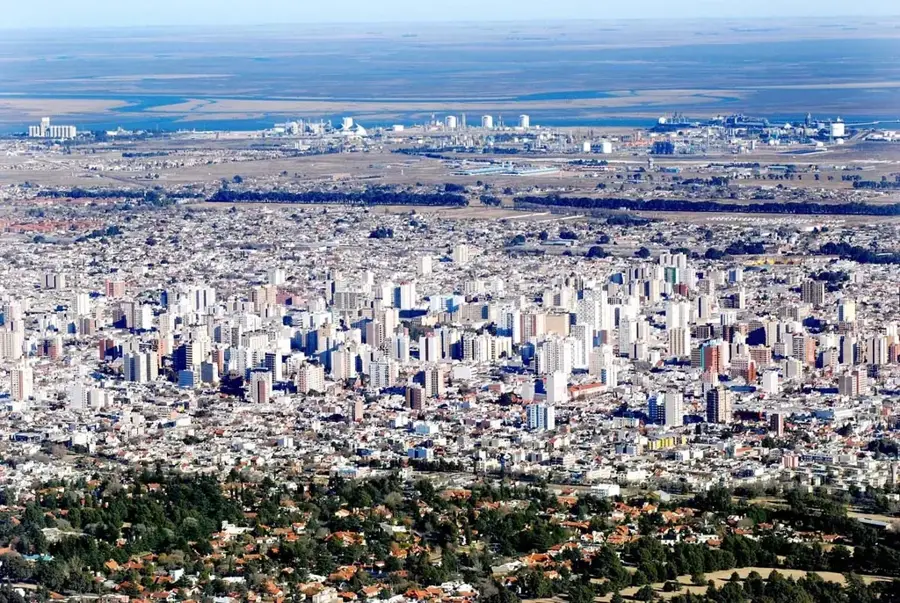
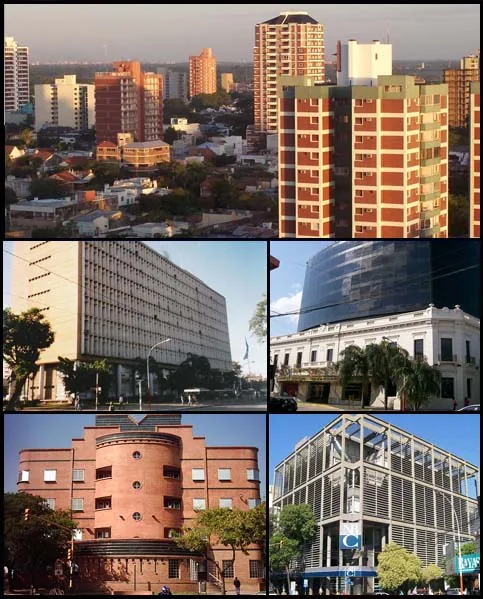
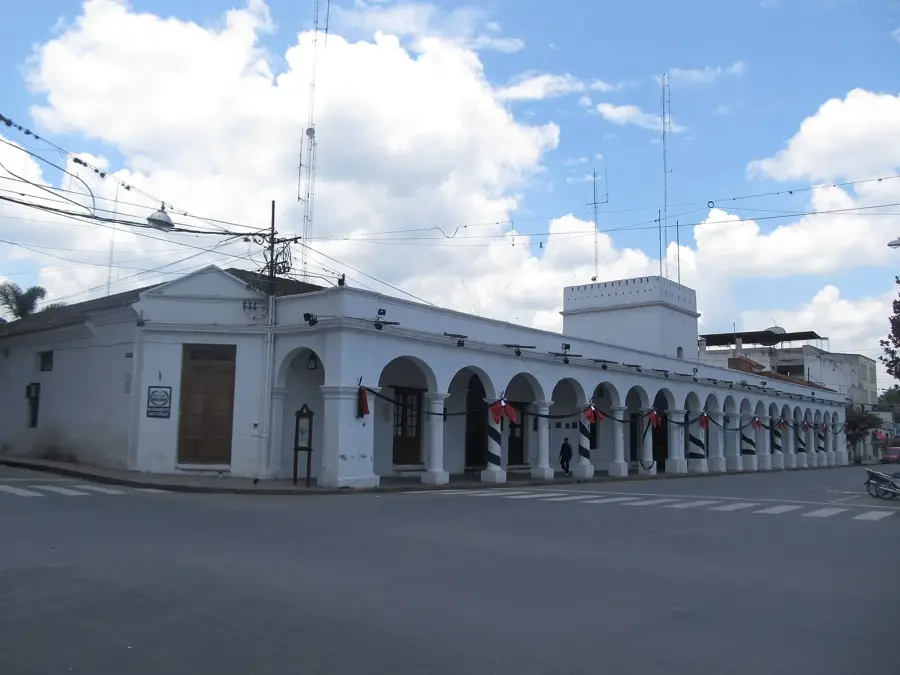
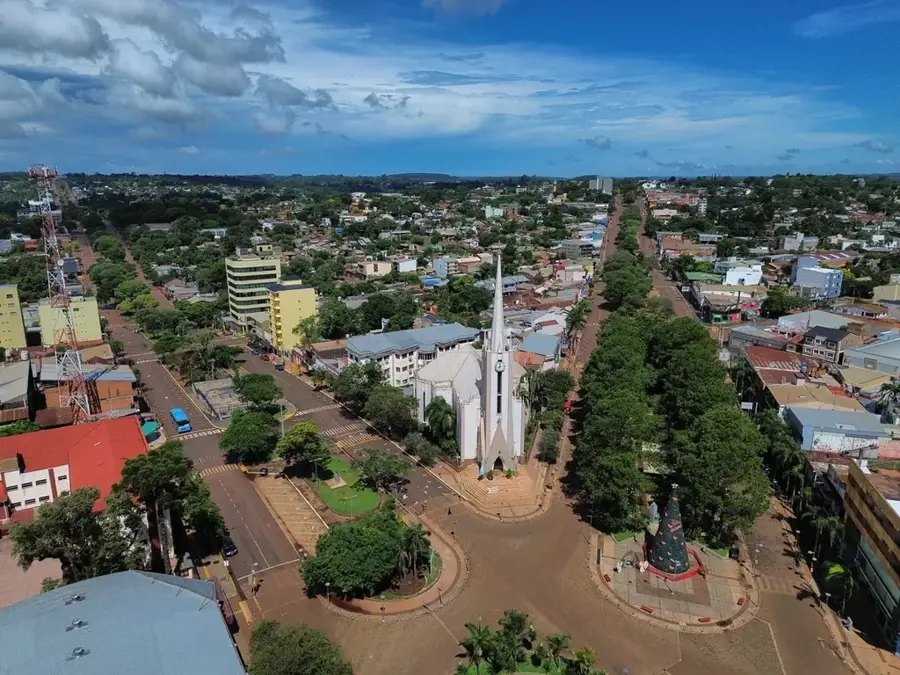
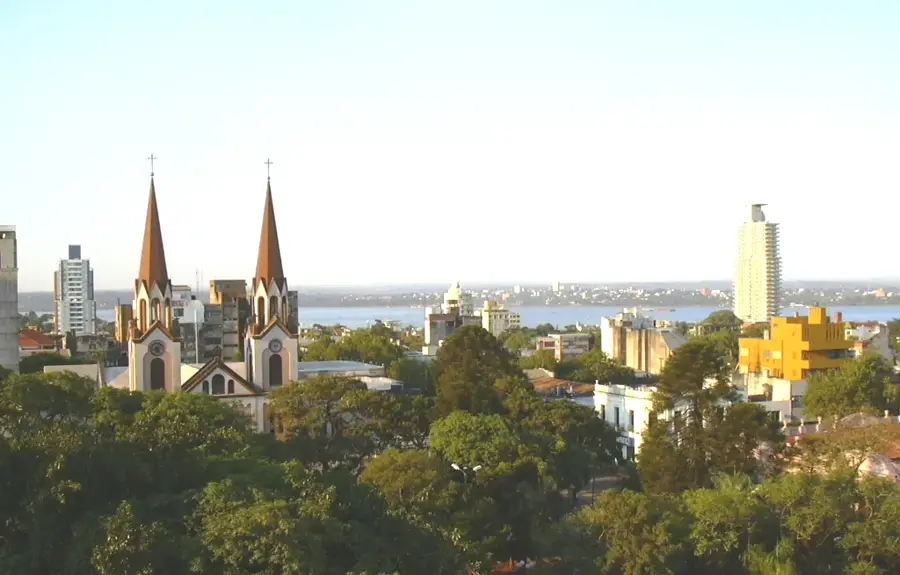
Oberá is the second-largest city in the Misiones province, characterized by its extraordinary cultural diversity. The city was founded in 1928 by Swedish immigrants, followed by settlers from Germany, Poland, Japan, and many other nations. This blend of traditions continues to shape the social life and architecture of the city today. Every year, it hosts the National Immigrant Festival, where various communities showcase their cuisine, dances, and customs. Economically, Oberá is a major hub for the cultivation and processing of tea and yerba mate, for which the region is internationally famous. The surrounding landscape is defined by its characteristic red soil and dense subtropical forest, home to numerous waterfalls and nature parks. The city serves as an important educational and health center for the central part of the province. Oberá combines modern infrastructure with a deep appreciation for the roots of its diverse founding generations.
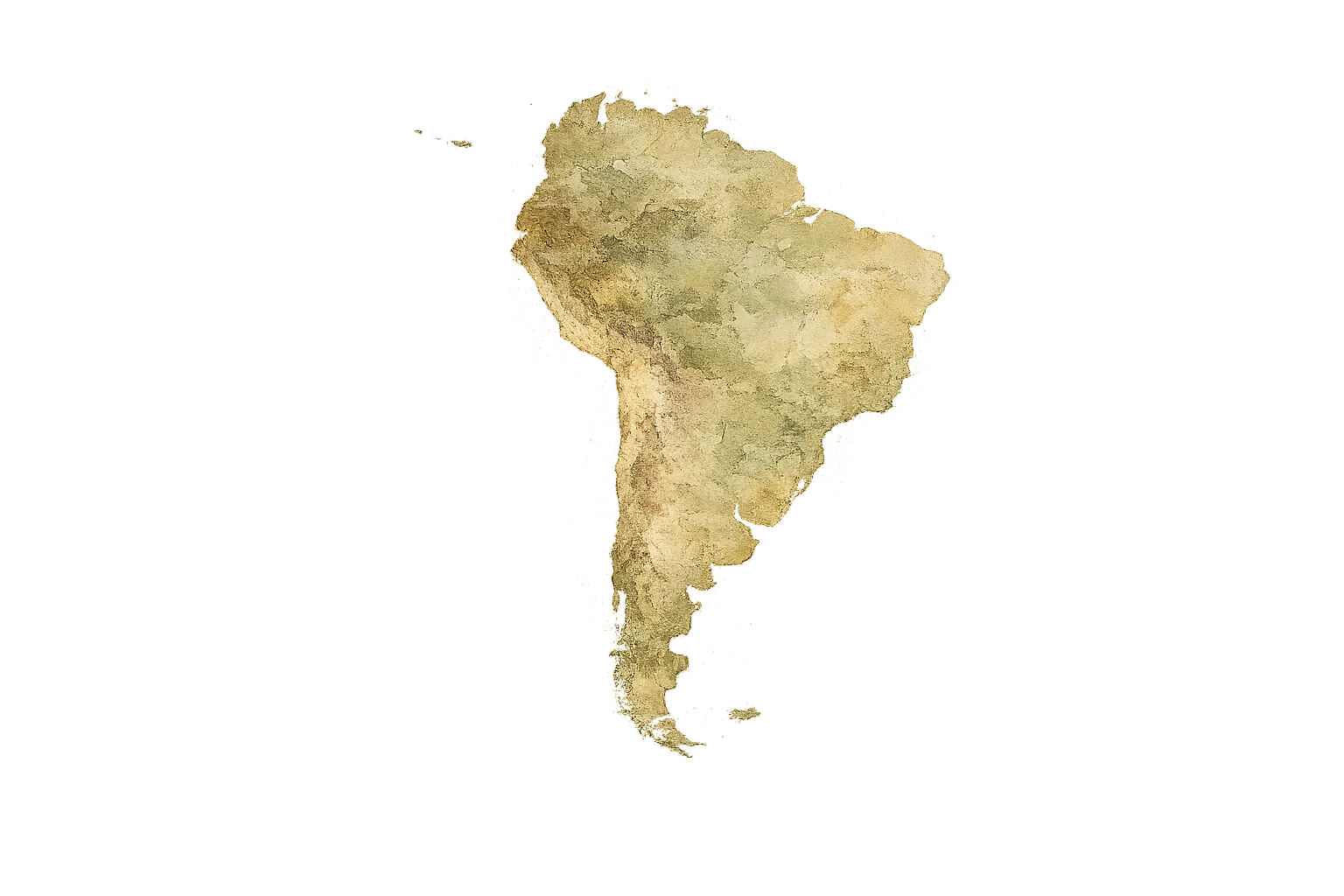
- Location: Argentina
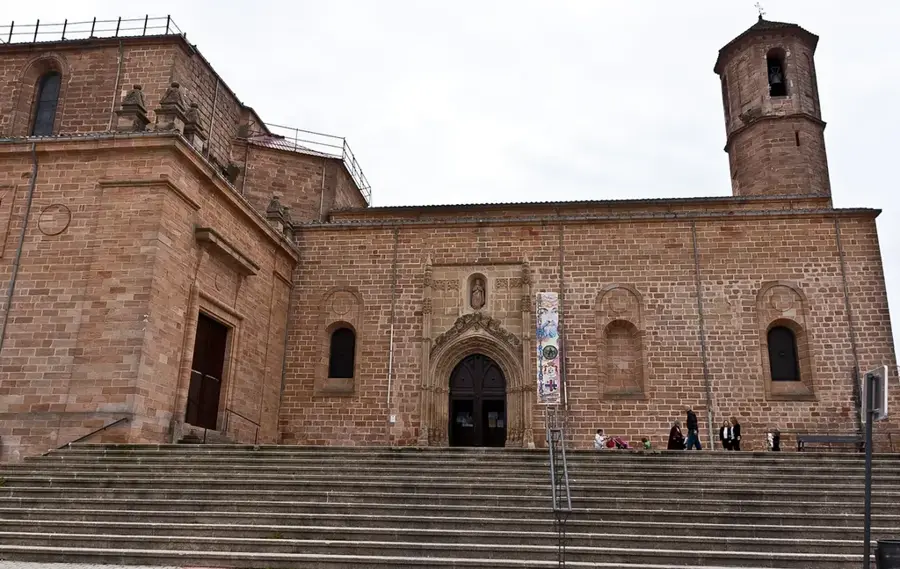
- Top sights: Catedral San Antonio de Padua · Jardín Botánico y museo de ciencias naturales · Museo de Arte y Diseño
- Nearby: Eldorado (88 km)
- Population: ~56.528 (2026)
Best time to visit & climate
The most pleasant time to visit is Apr, Aug, Sep.
| Jan | Feb | Mar | Apr | May | Jun | Jul | Aug | Sep | Oct | Nov | Dec | |
|---|---|---|---|---|---|---|---|---|---|---|---|---|
| Avg °C | 26 | 26 | 24 | 21 | 17 | 15 | 14 | 16 | 18 | 21 | 23 | 25 |
| Rain mm | 153 | 122 | 133 | 176 | 149 | 115 | 99 | 92 | 122 | 206 | 178 | 179 |
Geography
Facts
- Founded on July 9, 1928, by European immigrants.
- Permanent host city of the National Immigrant Festival.
- The most important center for tea production in Argentina.
- The name Oberá means 'Bright' or 'Shining' in the Guaraní language.
- Home to the 'Alberto Roth' Botanical Garden.
- The city is located approximately 95 kilometers from the provincial capital, Posadas.
Explore nearby
Notable places around
Route planner — Car & Motorhome
Where do you start? We build the route here, with stops and country notes along the way.
© OpenStreetMap contributors · OpenRouteService
Sights in the town Oberá (13)
Frequently asked questions
How many days do you need for Oberá?
When is the best time to visit?
How do you get there?
What should you try locally?
Is Oberá family-friendly?
Oberá: where is it located?
Oberá: what is there to see?
Oberá: when is the best time to visit?
Oberá: why is it worth visiting?
Nearby cities