Plizio Visual Lab

Santa María la Mayor
Plizio editorial teamData Sources
Historical site
—°8
Santa María la Mayor (Argentina)

Weather…

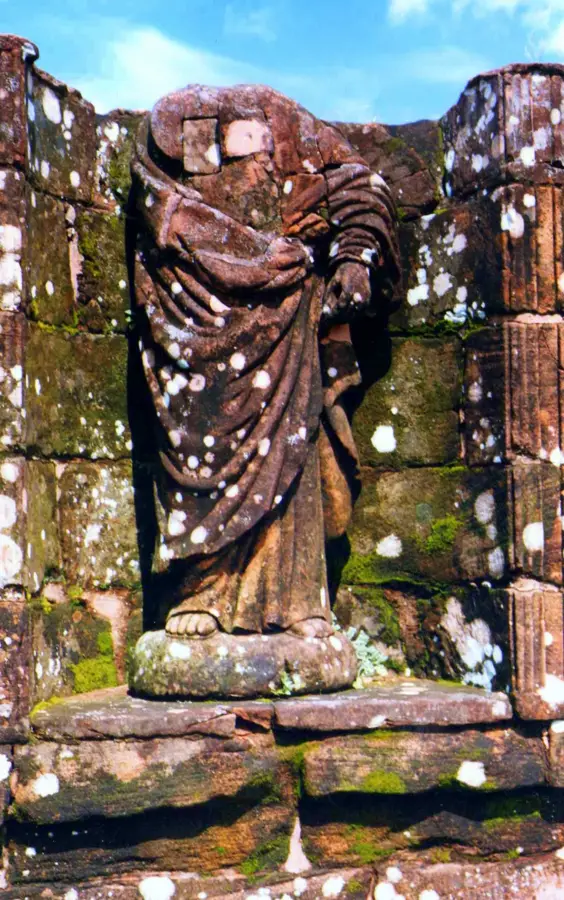
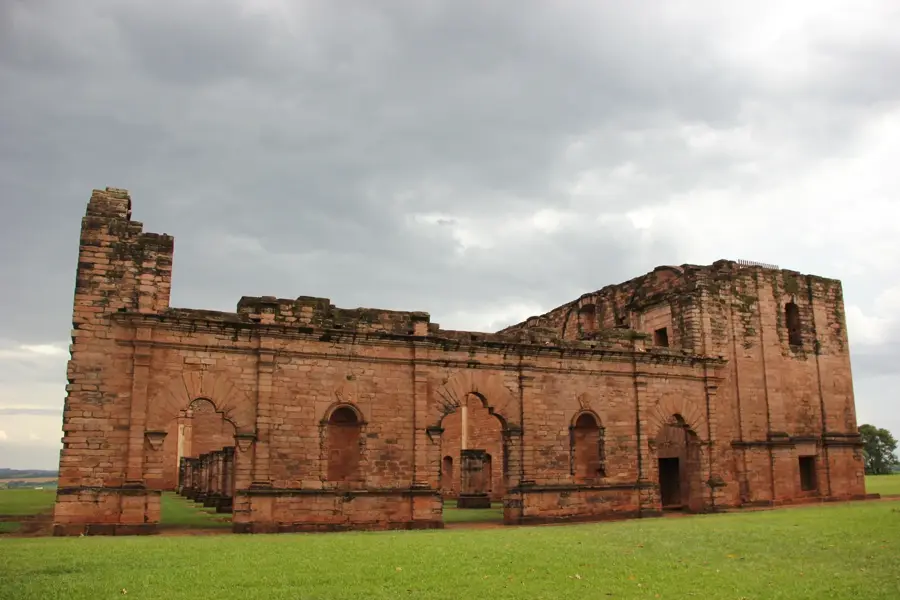
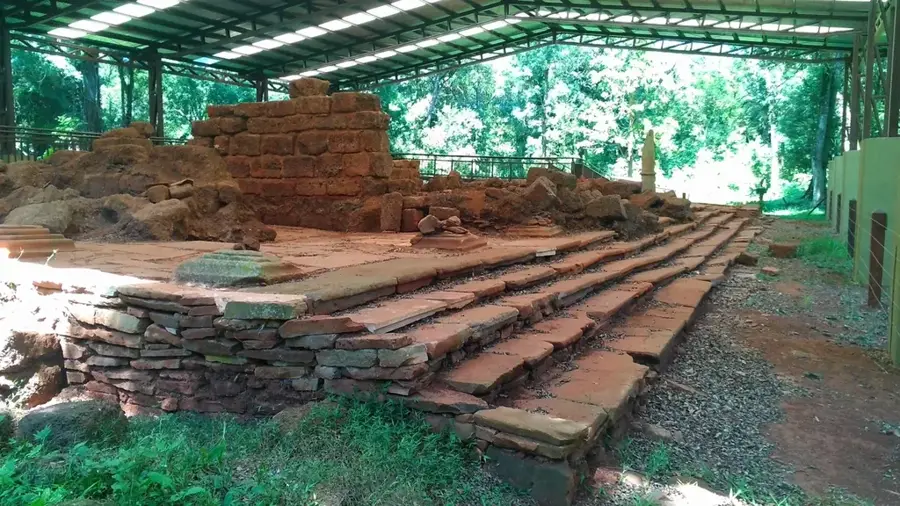
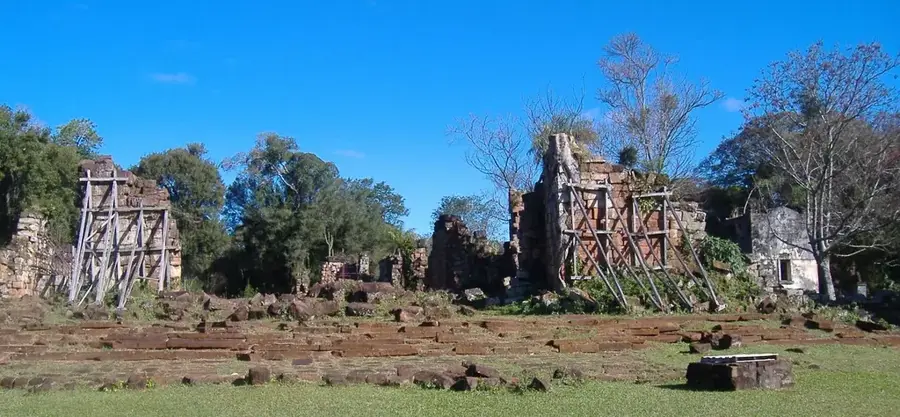
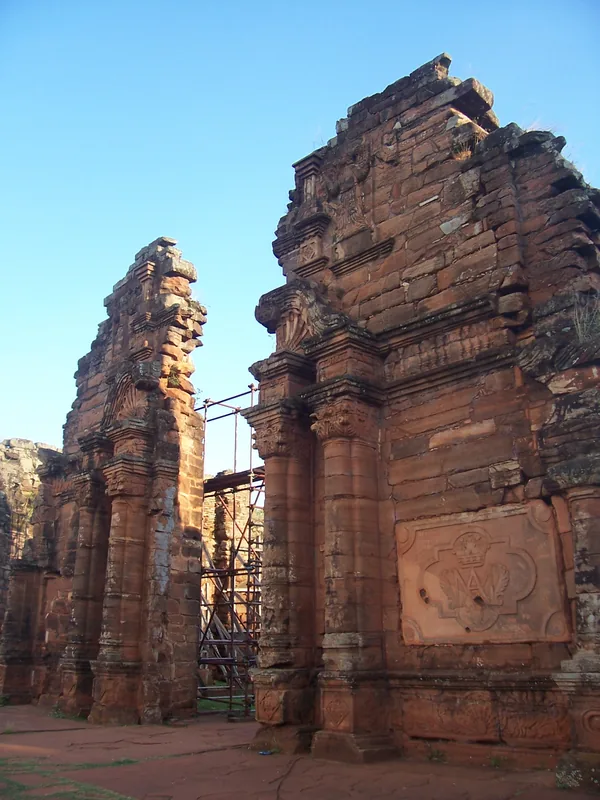
The Jesuit reduction of Santa María la Mayor is located in the Concepción department of Misiones Province and serves as an outstanding example of the social and architectural organization of Jesuit missions. It was founded in 1626 by Father Diego de Boroa and moved to its current location in 1633. Unlike other missions, Santa María la Mayor was spared the most severe attacks by the Bandeirantes, allowing for more stable development. The complex included a large church, schools, workshops, and a sophisticated irrigation system. Unique are the remains of the Jesuit 'residence' and the layout of the Guaraní living quarters, which offer clear insight into the daily life of the community. At its peak, approximately 1,000 people lived here. After 1767, the mission declined rapidly, yet the massive stone ruins remained. Since 1984, it has been a UNESCO World Heritage site. Archaeological excavations on-site have unearthed numerous artifacts now displayed in a small local museum, documenting the cultural fusion of European and indigenous traditions.

Best time to visit & climate

The most pleasant time to visit is Apr, Aug, Sep.

JanFebMarAprMayJunJulAugSepOctNovDec
Avg °C272625211715141618212326
Rain mm1521221431791411089091128220178184

📋 Practical info

🚪
Visiting
The site is open to visitors and can be explored both inside the church and around the mission grounds. Entry typically requires a small fee, and guided tours are often available.
🕒
Typical hours
Churches and mission sites in Argentina usually open around 9:00 AM and close in the late afternoon. Exact hours may vary by season, so checking locally is advisable.
📷
Photography
Photography is generally permitted inside the church and throughout the grounds. However, flash may be restricted during services or in sensitive areas.
⏱️
Time needed
Plan for approximately one to two hours to appreciate the architecture, exhibits, and surrounding landscape. Those interested in history may wish to allow extra time for the museum.
Combine with
Combine your visit with other nearby Jesuit missions such as San Ignacio Miní or Santa Ana. Many travelers create a multi-day itinerary through the Misiones region.
🧭
Getting there
The mission is located in the rural area of Misiones province, accessible by car or bus from the nearest town. A guided tour often includes transportation from major hotels.
💡
Insider tip
Arrive early in the morning to enjoy cooler temperatures and fewer crowds. Bring insect repellent and comfortable walking shoes for the grassy terrain.

Geography

Coordinates
-27.88630, -55.34000

Facts

  • Founded by Father Diego de Boroa in 1626
  • Relocated to its present site in the year 1633
  • Added to the UNESCO World Heritage list in 1984
  • Remains of the priest's house are well preserved
  • Featured a specialized foundry for casting bells
  • Unique layout of the Guaraní dwellings is still visible

Explore nearby

Notable places around

Route planner — Car & Motorhome

Where do you start? We build the route here, with stops and country notes along the way.

Vehicle
Only stops with (optional):

© OpenStreetMap contributors · OpenRouteService

Sights in the town Santa María la Mayor (8)

Viviendas🏺 historical

The archaeological remains of the stone dwellings where the Guarani families once lived.

Iglesia🏺 historical

The ruins of the main stone church, showing the grand scale of the original 17th-century Jesuit mission.

Huerta🏺 historical

The mission orchard once cultivated citrus trees and medicinal plants brought from Europe alongside local species.

Cerro Inglés🌿 nature

A scenic peak in the Misiones region, known for its red soil and views of the surrounding subtropical forest.

Capilla abandonada📍 landmark

An abandoned rural chapel whose simple facade and weathered walls reflect the solitary spiritual life of the countryside.

Ruinas Jesuíticas de Santa María la Mayor📍 landmark

These sandstone ruins are among the best-preserved examples of Jesuit architecture in the region, featuring intricate carved reliefs.

Jesús Buen Pastor📍 landmark

A small Christian site dedicated to Jesus the Good Shepherd, serving as a quiet place for local devotional prayer.

Feria Franca🎭 culture

A weekly market where local producers gather to sell fresh fruit, vegetables, and artisanal Misiones products.

🕒 Fr 07:00-12:00

Sights nearby

Frequently asked questions

What is Santa María la Mayor?
It is another historic Jesuit mission in Misiones and part of the UNESCO Guaraní reductions heritage. Today mainly ruins and wall remnants remain.
How much time do you need on site?
1 to 2 hours is often enough for the ruins. If you want a calmer historical experience, combine it with other mission sites.
Is the place good for families?
Yes, if children enjoy being outdoors and short cultural visits. The site is easy to take in, but sun protection matters.
When is the best time to visit?
The drier months and early hours are most pleasant. Then the paths are better and the light is softer for photos.
What is the mission known for?
It is known as part of the Jesuit missions of Misiones and for linking religion, architecture, and Guaraní culture. The ruins are impressive despite their simplicity.
Santa María la Mayor: where is it located?
Santa María la Mayor is located in Argentina.
Santa María la Mayor: what is there to see?
Highlights include Viviendas, Iglesia, Huerta.
Santa María la Mayor: when is the best time to visit?
The most pleasant time to visit is Apr, Aug, Sep.
Santa María la Mayor: why is it worth visiting?
The Jesuit reduction of Santa María la Mayor is located in the Concepción department of Misiones Province and serves as an outstanding example of the social and architectural organization of Jesuit missions.
View on map → The Top 50 Attractions → OpenStreetMap →
South America
Explore with Plizio Discover more places in South America
More places in Argentina →

Nearby cities

History & landmarks
More places