Plizio Visual Lab

Apollonia
Plizio editorial teamData Sources
Historical site
—°8
Apollonia (Albania)

Weather…

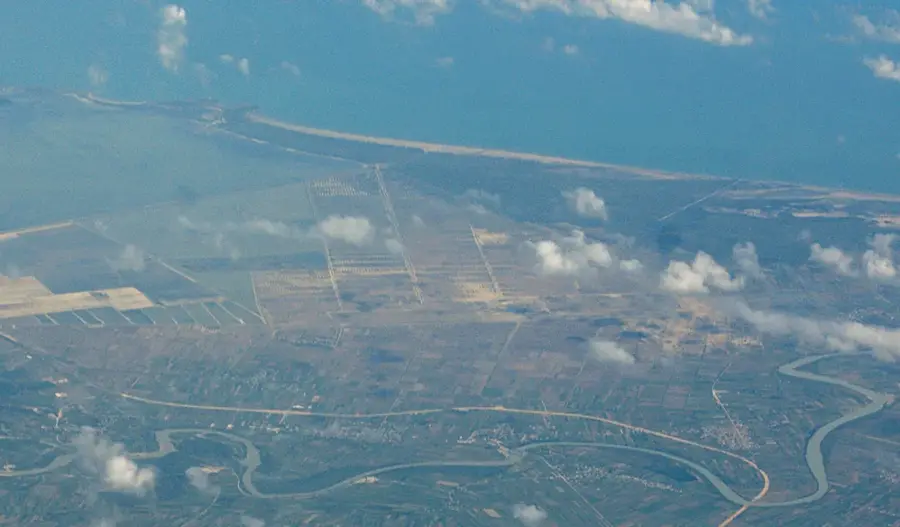
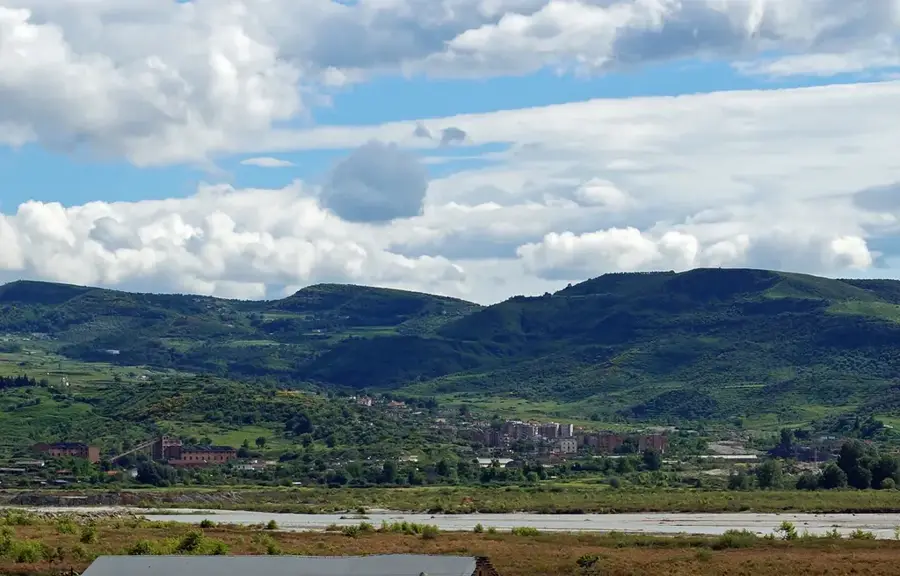
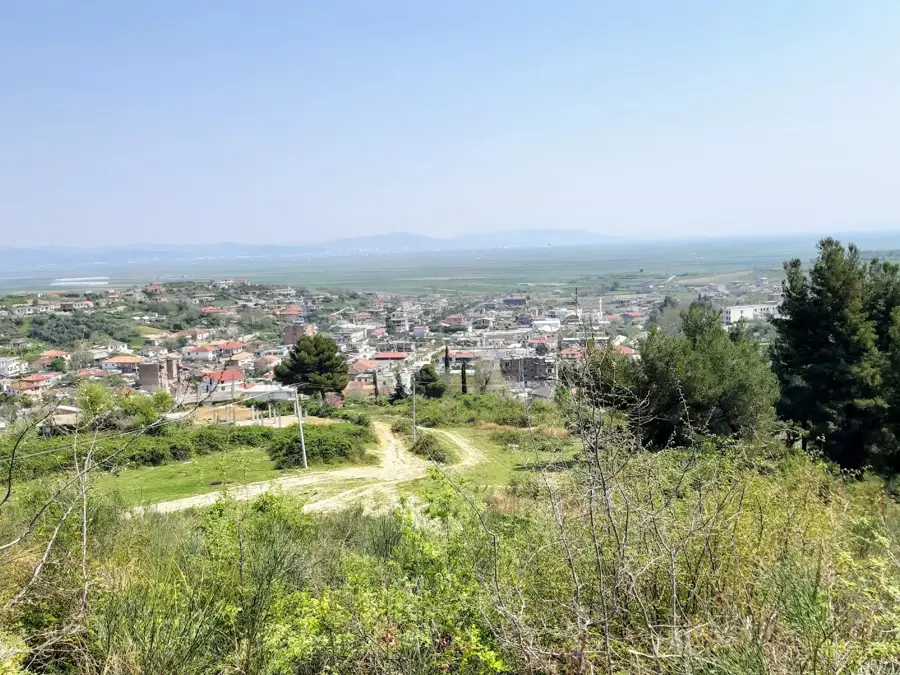
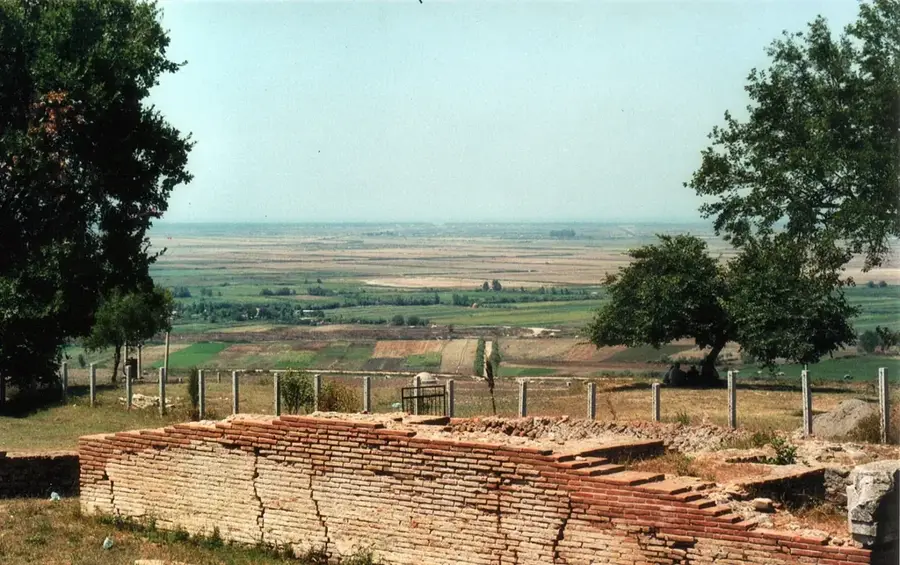
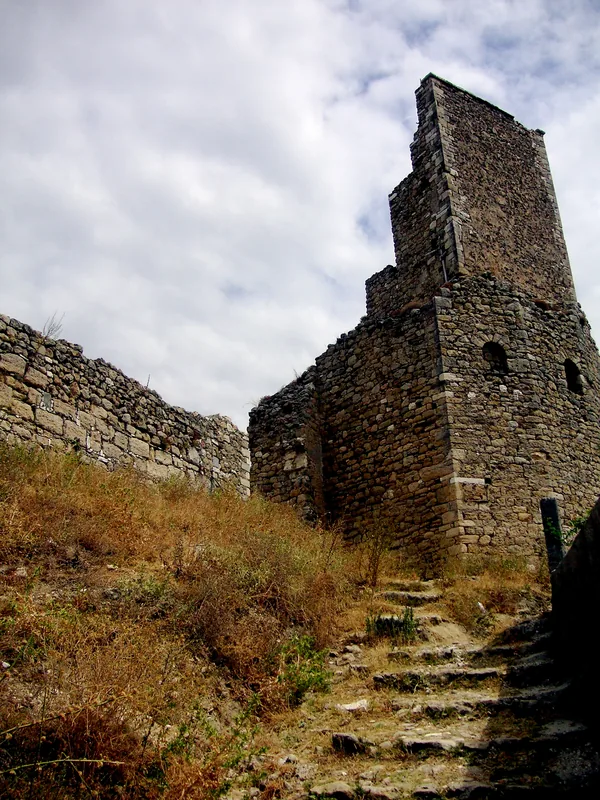
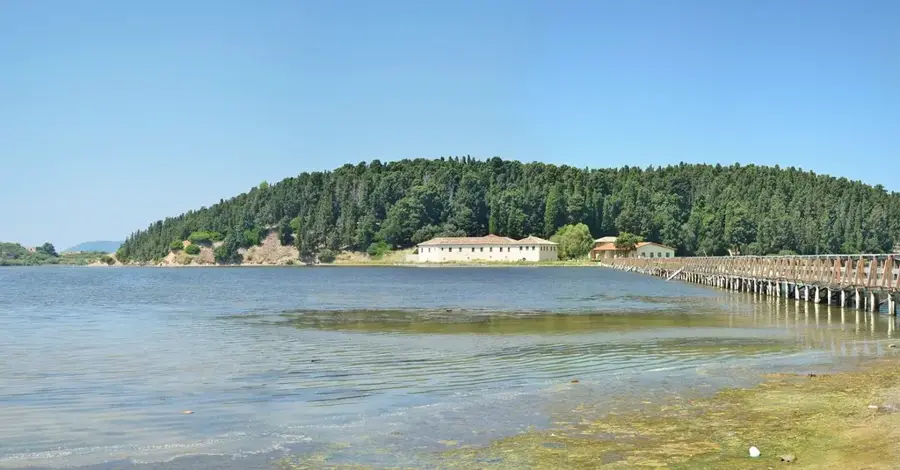
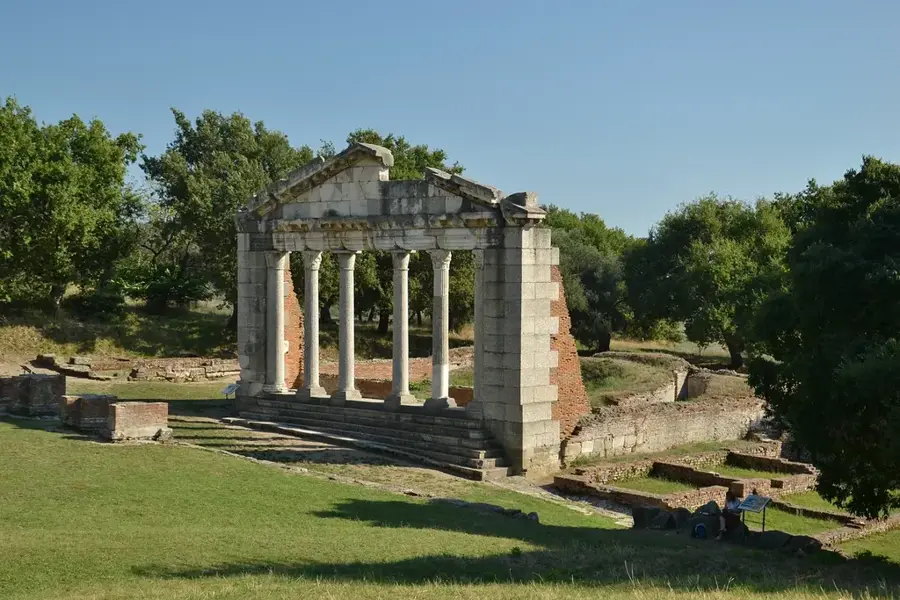
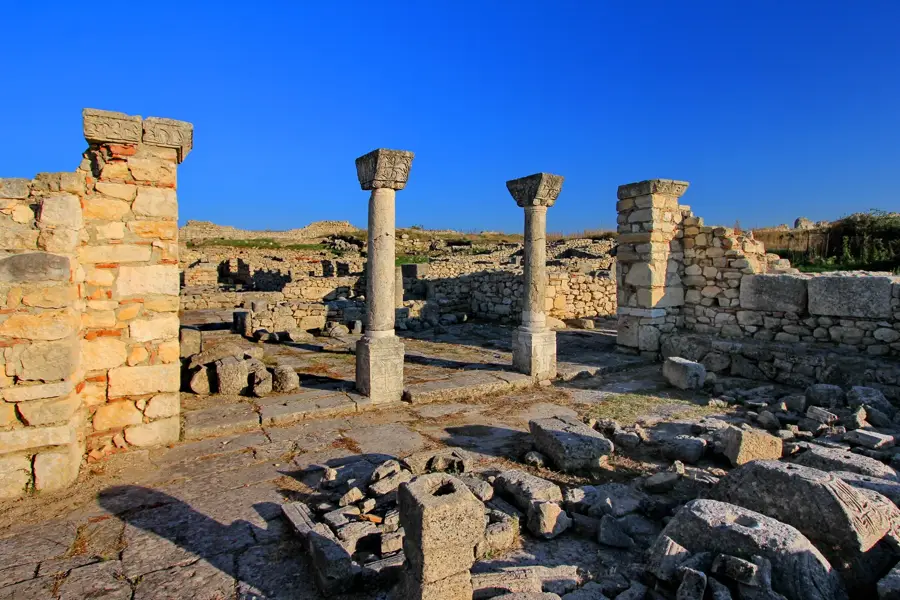
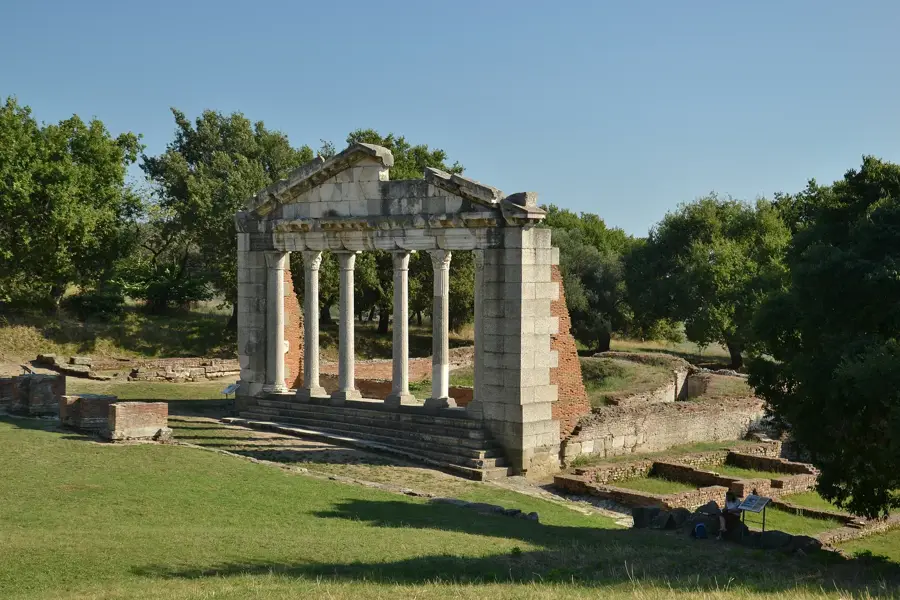
Apollonia was a significant ancient Greek colony in Illyria, established around 588 BC by settlers from Corinth and Corcyra on the right bank of the Vjosa River. The city evolved into a major economic and cultural hub in the Adriatic region, renowned for its prestigious school of philosophy and rhetoric. During the Roman period, it maintained its importance as a free city and a key starting point of the Via Egnatia trade route. It is historically notable that the future Emperor Augustus was studying in Apollonia in 44 BC when he received news of Julius Caesar's assassination. The archaeological site features well-preserved structures, including the Bouleuterion (the council house), a library, and an impressive 2nd-century AD monumental facade. The city's decline began in the 4th century AD following a massive earthquake that rerouted the river and turned the harbor into a silty marshland.

Best time to visit & climate

The most pleasant time to visit is May–Jul.

JanFebMarAprMayJunJulAugSepOctNovDec
Avg °C101012151823262622191511
Rain mm103908261573622268098123128

📋 Practical info

🚪
Visiting
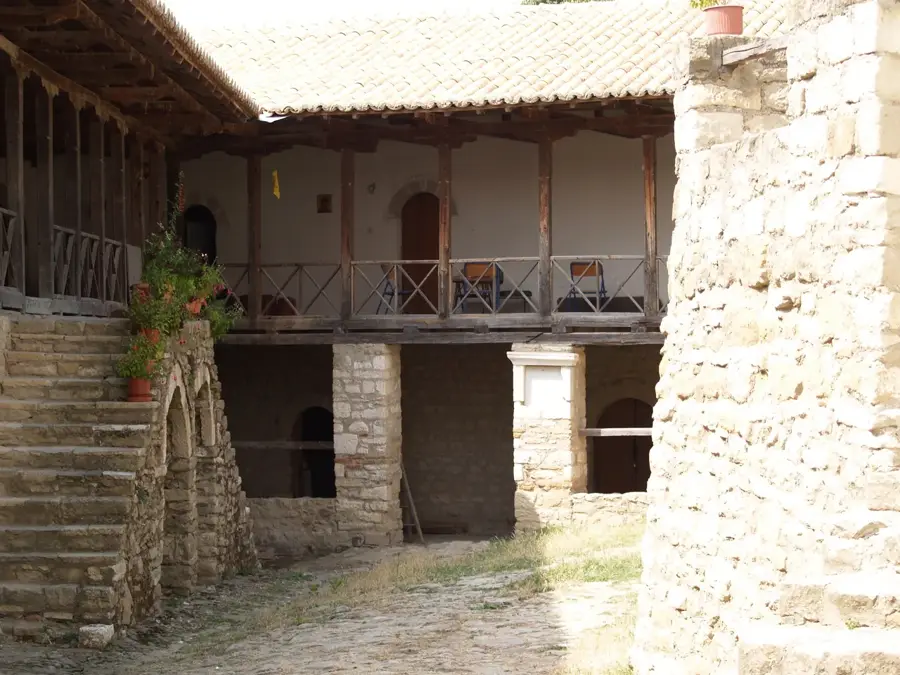
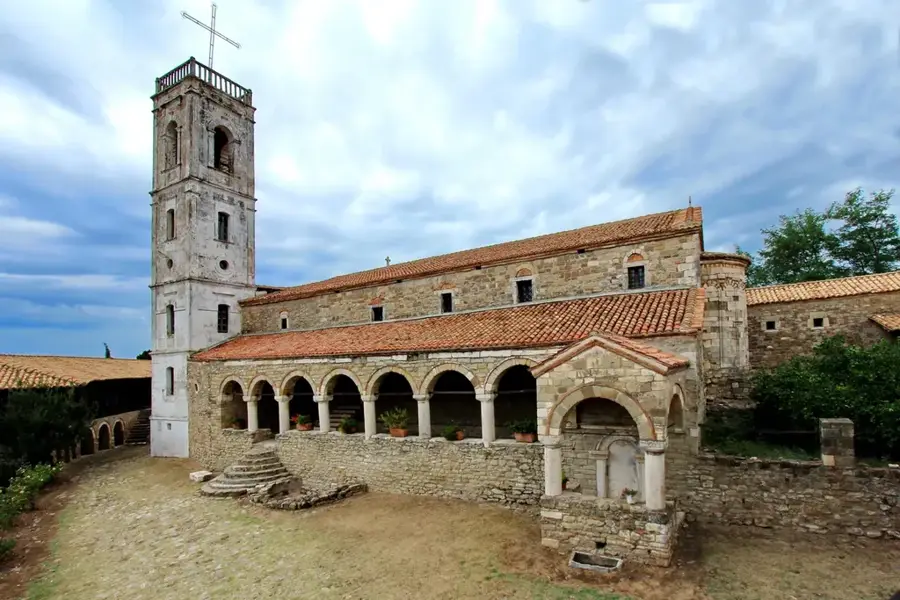
This expansive ancient Greek and Roman archaeological park allows visitors to freely wander among the impressive ruins of temples, theaters, and civic buildings. A beautifully restored medieval monastery on the site also houses an excellent museum displaying artifacts.
🕒
Typical hours
The archaeological park and its accompanying museum typically maintain generous opening hours throughout the week, often extending their schedule during the peak summer tourist season. It is generally advisable to arrive earlier in the day to avoid the afternoon heat.
📷
Photography
Photography is strongly encouraged across the vast outdoor archaeological site, where the classical ruins against the landscape create memorable compositions. Inside the monastery museum, visitors are usually asked to avoid using flash photography to protect delicate relics.
⏱️
Time needed
To properly explore the extensive spread of the ancient city ruins and carefully examine the detailed exhibits within the on-site museum, you should plan for at least two to three hours. History buffs will easily find themselves spending a full half-day wandering here.
Combine with
Exploring this fascinating classical antiquity site pairs wonderfully with a visit to the nearby coastal city of Vlorë, where you can enjoy beautiful beaches and further historical monuments. The animated local culture makes it a great next stop after your adventure.
🧭
Getting there
The ancient site is located just a short drive from the modern city of Fier, making it very straightforward to reach by rental car with ample parking available near the entrance. While some buses operate, driving or taking a taxi remains the most convenient option.
💡
Insider tip
Since the archaeological site is quite exposed with very little natural shade available, bringing plenty of water, wearing a wide-brimmed hat, and applying sunscreen are necessities. Taking a stroll to the site's highest point rewards you with great panoramic views.

Geography

Coordinates
40.72260, 19.46780

Facts

  • Founded in 588 BC by colonists from Corinth and Corfu.
  • Home to a famous academy of philosophy and rhetoric.
  • Augustus Caesar studied here in 44 BC.
  • Served as a crucial hub for the Roman Via Egnatia.
  • Suffered decline after an earthquake in the 4th century AD.
  • The site includes a well-preserved 13th-century Byzantine monastery.

Explore nearby

Notable places around

Route planner — Car & Motorhome

Where do you start? We build the route here, with stops and country notes along the way.

Vehicle
Only stops with (optional):

© OpenStreetMap contributors · OpenRouteService

Sights in the town Apollonia (8)

Street H

Ancient street with column remains and building foundations, part of Apollonia's city plan.

Baths

Ruins of a Roman bath complex with preserved pools and heating channels.

Villas excavated by L.Rey

Roman villas excavated by archaeologist Léon Rey.

Museo Aecheologico🏛 museum

Archaeological museum displaying finds from Apollonia and the surrounding area.

🆓

Archaeological Museum of Apollonia🏛 museum

Museum with sculptures, pottery and inscriptions from the ancient city of Apollonia.

Monastery of St. Mary of Apollonia

Medieval monastery in Pojan, Albania, located on the site of the ancient city.

West Gate

Ruins of the western city gate of Apollonia, once the main entrance.

Sights nearby

Frequently asked questions

What was Apollonia in the past?
One of the most important Greek colonies on the Adriatic Sea, founded in the 6th century BC.
What is the most striking building?
The Bouleuterion (Monument of the Agonothetes) with its imposing columns.
Is there an on-site museum?
Yes, an archaeological museum is located within the medieval Monastery of St. Mary.
Is Apollonia accessible?
Only partially; many paths are uneven and hilly, making it difficult for wheelchairs.
When should you visit Apollonia?
Best in the late afternoon when the light bathes the ruins in golden colors.
Apollonia: where is it located?
Apollonia is located in Albania.
Apollonia: what is there to see?
Highlights include Street H, Baths, Villas excavated by L.Rey.
Apollonia: when is the best time to visit?
The most pleasant time to visit is May, Jul.
Apollonia: why is it worth visiting?
Apollonia was a significant ancient Greek colony in Illyria, established around 588 BC by settlers from Corinth and Corcyra on the right bank of the Vjosa River.
View on map → The Top 50 Attractions → OpenStreetMap →
Europe
Explore with Plizio Discover more places in Europe
More places in Albania →

Nearby cities

History & landmarks
Nature
More places