Plizio Visual Lab

Shkumbin River
Plizio editorial teamData Sources
River
—°
Shkumbin River (Albania)

Weather…

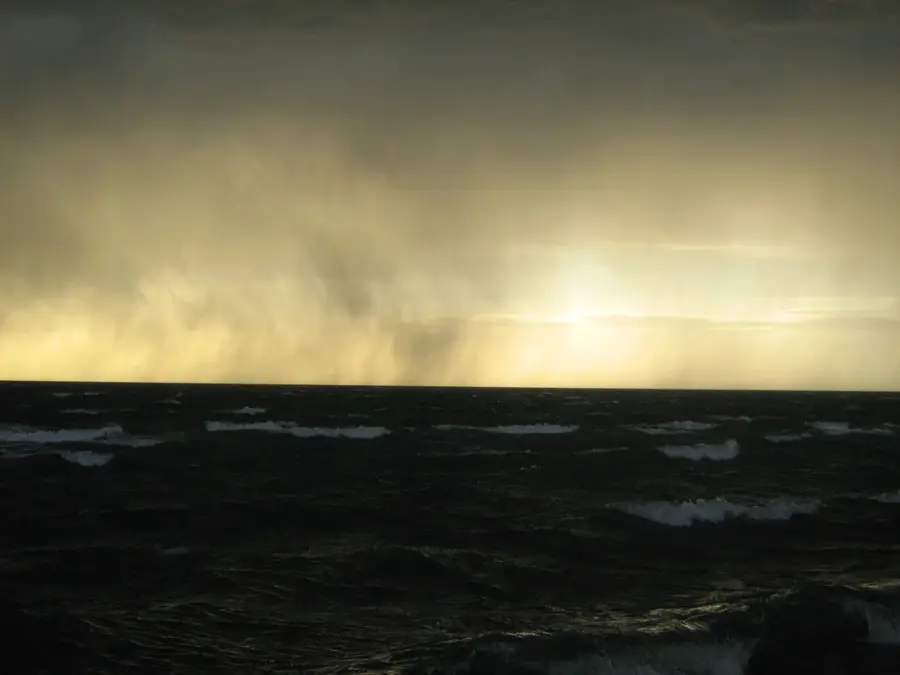
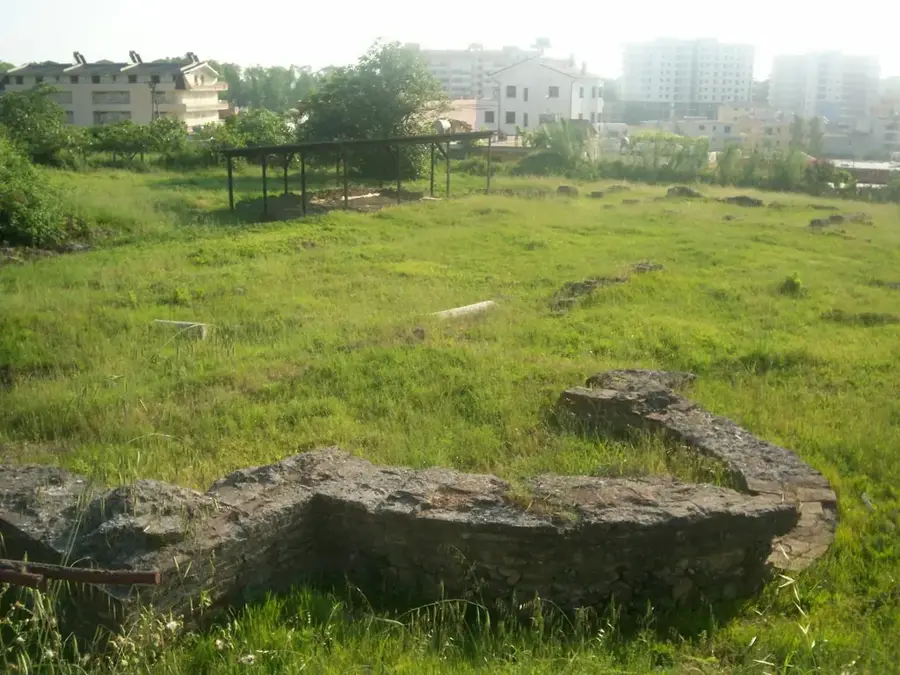
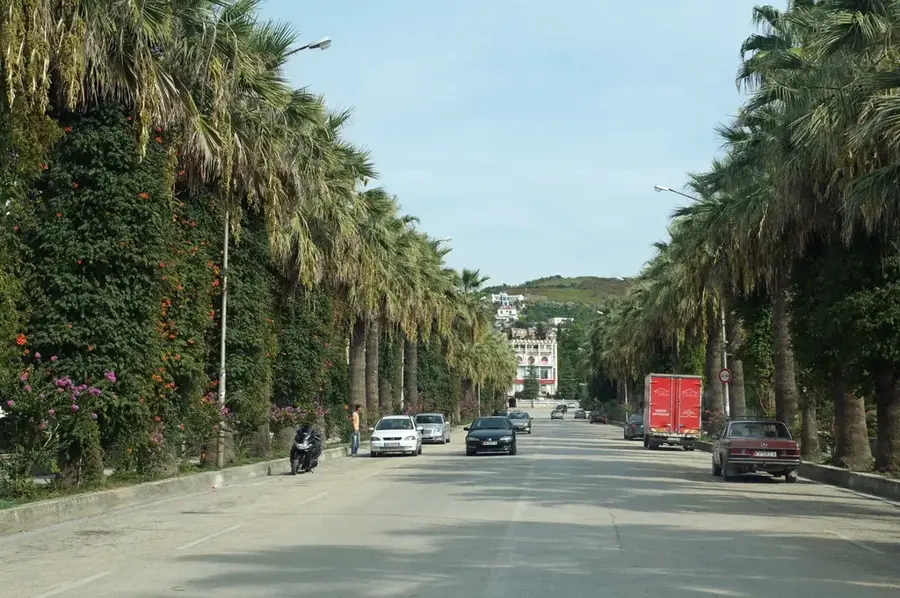
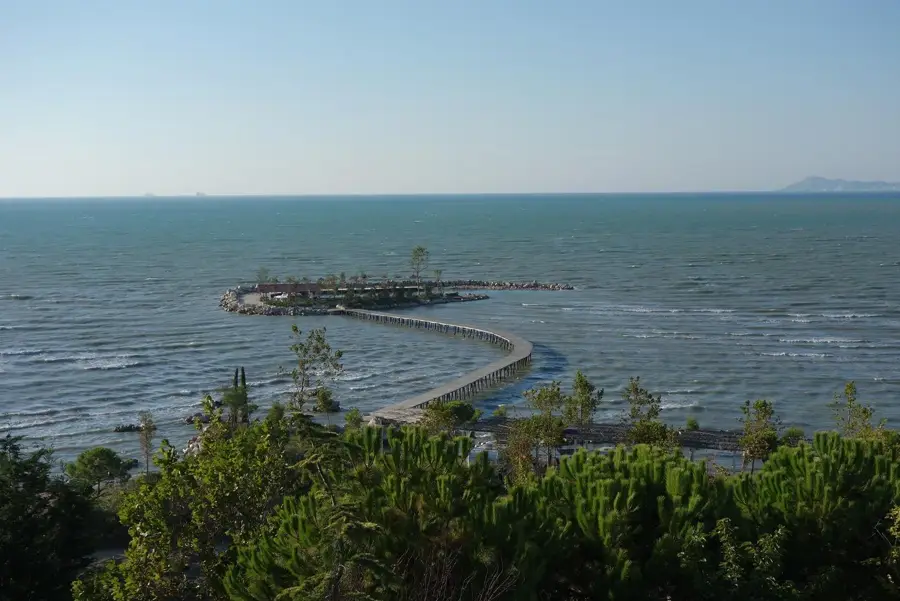
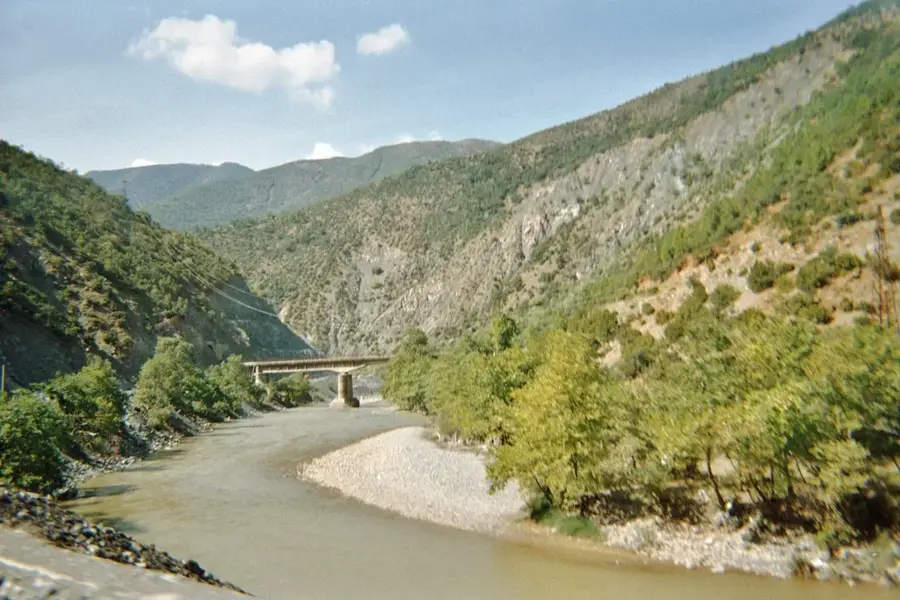
The Shkumbin River is a primary waterway in central Albania, stretching approximately 181 kilometers and serving as a major cultural divide within the country. Originating in the Valamara Mountains west of Lake Ohrid, it flows westward through rugged terrain and narrow gorges before emptying into the Adriatic Sea north of the Karavasta Lagoon. Historically, the river valley was of immense strategic importance, hosting the ancient Via Egnatia that connected Rome with Constantinople. Linguistically, the Shkumbin marks the traditional boundary between the Gheg dialects in the north and the Tosk dialects in the south. Its drainage basin spans about 2,444 square kilometers, supporting diverse ecosystems and critical agricultural plains in central Albania. Despite modern industrial pressure, the river remains a vital geographic feature, defining the landscape and historical movements of people through the Balkan Peninsula for millennia.

Best time to visit & climate

The most pleasant time to visit is May, Jun, Sep.

JanFebMarAprMayJunJulAugSepOctNovDec
Avg °C101012151923262623191511
Rain mm96857765604125257693113116

📋 Practical info

🧭
Getting there
Flowing right through central Albania, the river is easily accessible via the major east-west highway corridor that frequently parallels its banks. Major towns like Elbasan offer straightforward access to constructed riverside paths and historic bridges.
📅
Best season
Spring provides the most visually impressive water flow as snowmelt journeys towards the Adriatic, making it good for sightseeing. Summer is a popular time for locals to visit the banks, though the water volume typically decreases significantly during dry months.
⛰️
Terrain & paths
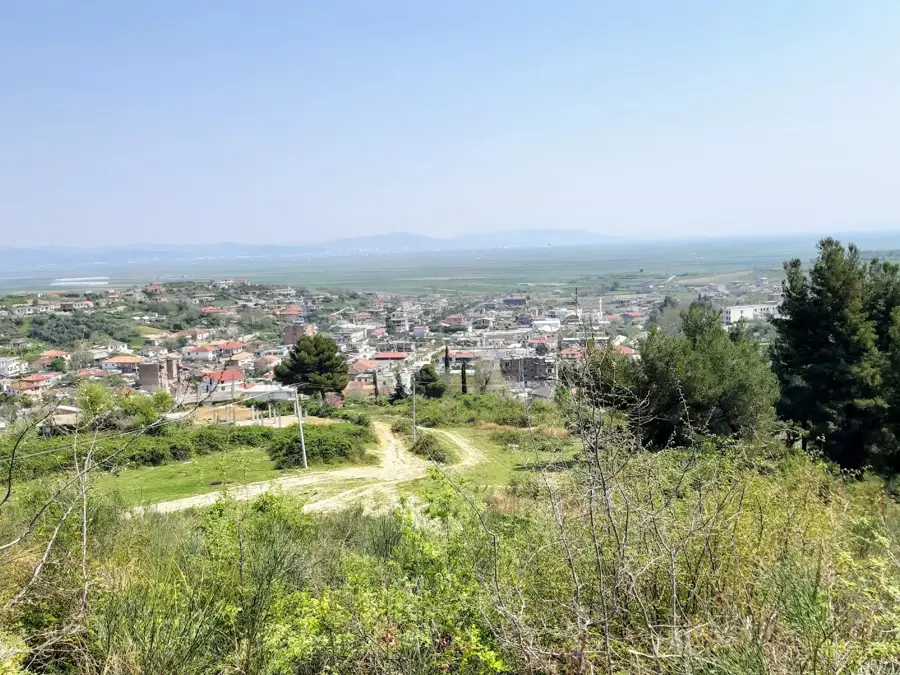
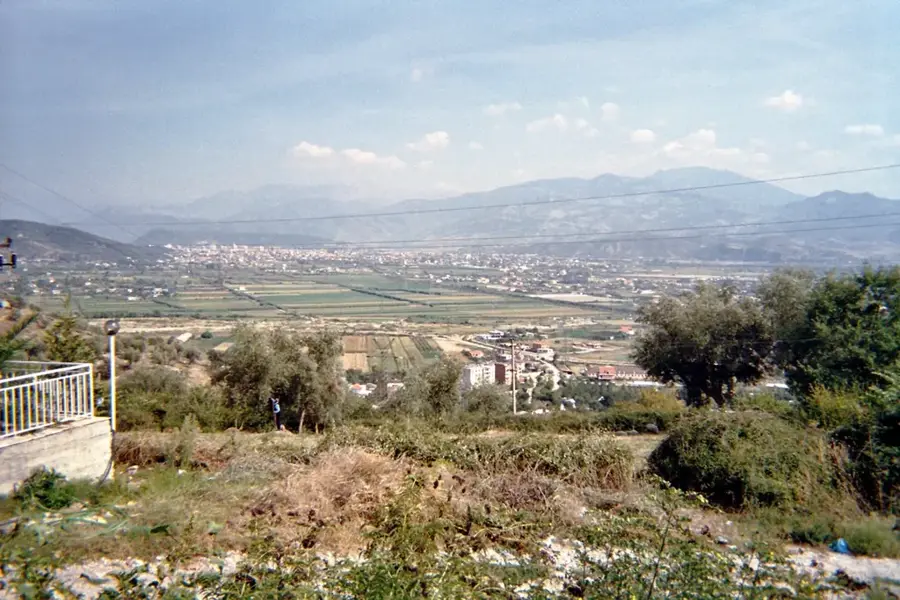
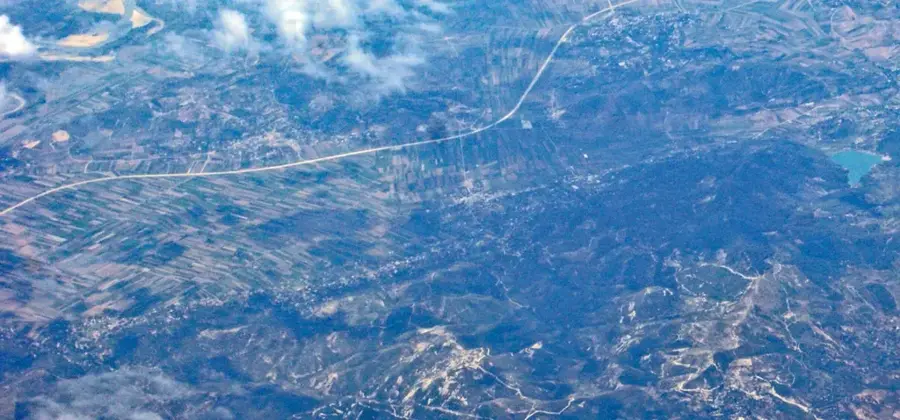
The river carves through a diverse landscape, starting in narrow mountainous gorges in the east and widening into sprawling, flat agricultural plains as it nears the coast. The banks range from steep, rocky cliffs to soft, accessible grassy meadows.
🎒
What to bring
For those exploring the cultural boundary and historical sites along the valley, casual walking shoes and weather-appropriate clothing are sufficient. If attempting to hike the rougher upper gorges, proper outdoor footwear and plenty of water are essential.
🅿️
Parking
Finding parking is generally very straightforward, especially within the towns and service stations that dot the highway parallel to the river. In more rural sections, numerous dirt tracks allow visitors to pull off the main road quite safely.
⚠️
Safety
The river's flow can be surprisingly powerful during the spring melt, so extreme caution is advised if walking near soft, eroded banks. Stick to recognized viewpoints and avoid wading into murky waters where underwater debris might be hidden.
⏱️
Time needed
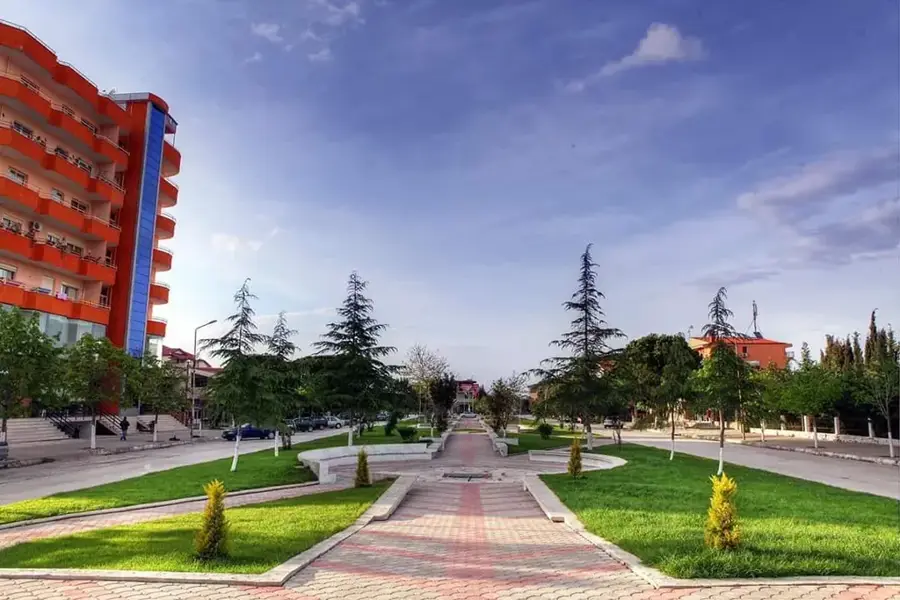
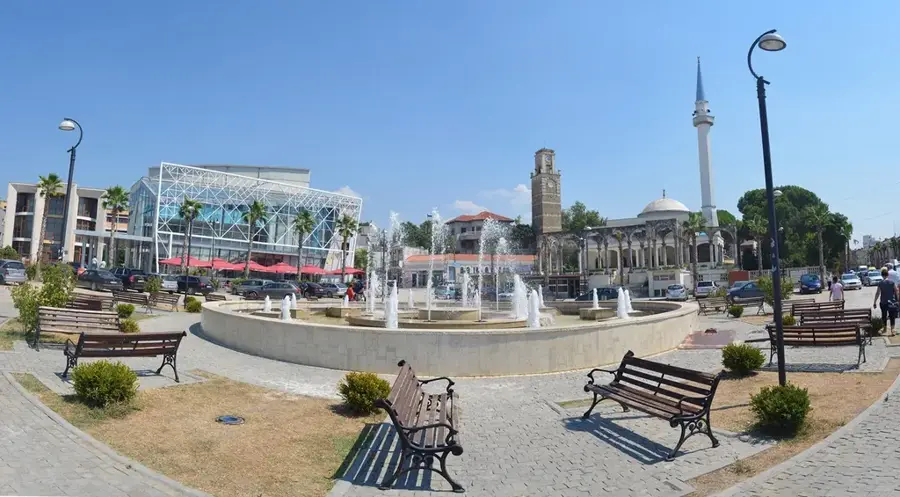
Interactions with the river typically consist of frequent scenic stops lasting around twenty minutes during a cross-country drive. Spending a relaxing afternoon walking the promenades in riverside cities is a wonderful way to experience the cultural heartland.

Geography

Coordinates
41.03000, 19.44000

Facts

  • The river has a total length of approximately 181 kilometers.
  • Its drainage basin covers an area of about 2,444 square kilometers.
  • It marks the linguistic border between Gheg and Tosk Albanian dialects.
  • The ancient Via Egnatia followed the river's path across central Albania.
  • The river source is located in the Valamara Mountains.
  • The Shkumbin empties into the Adriatic Sea north of Karavasta Lagoon.

Explore nearby

Notable places around
Route planner — Car & Motorhome

Where do you start? We build the route here, with stops and country notes along the way.

Vehicle
Only stops with (optional):

© OpenStreetMap contributors · OpenRouteService

Sights nearby

Frequently asked questions

Where does the Shkumbin flow?
It traverses Central Albania, flowing past the city of Elbasan to the sea.
What is the cultural significance of the river?
It is traditionally considered the border between the Gheg (north) and Tosk (south) dialects.
Are there historical routes along the river?
Yes, the ancient Roman Via Egnatia followed the Shkumbin valley for large sections.
Is the water of the Shkumbin clean?
In the mountains it is very clean, but it faces industrial pollution near Elbasan.
Can you hike along the Shkumbin?
Yes, the upper valley gives beautiful paths through hilly landscapes and villages.
Shkumbin River: where is it located?
Shkumbin River is located in Albania.
Shkumbin River: when is the best time to visit?
The most pleasant time to visit is May, Jun, Sep.
Shkumbin River: why is it worth visiting?

The Shkumbin River is a primary waterway in central Albania, stretching approximately 181 kilometers and serving as a major cultural divide within the country.
View on map → The Top 50 Attractions → OpenStreetMap →
Europe
Explore with Plizio Discover more places in Europe
More places in Albania →

Nearby cities