Attractions in Chad
The finest attractions in Chad at a glance: castles, natural wonders, historic old towns and more. Each place links to a detailed page with map, tips and photos.
Culture & History
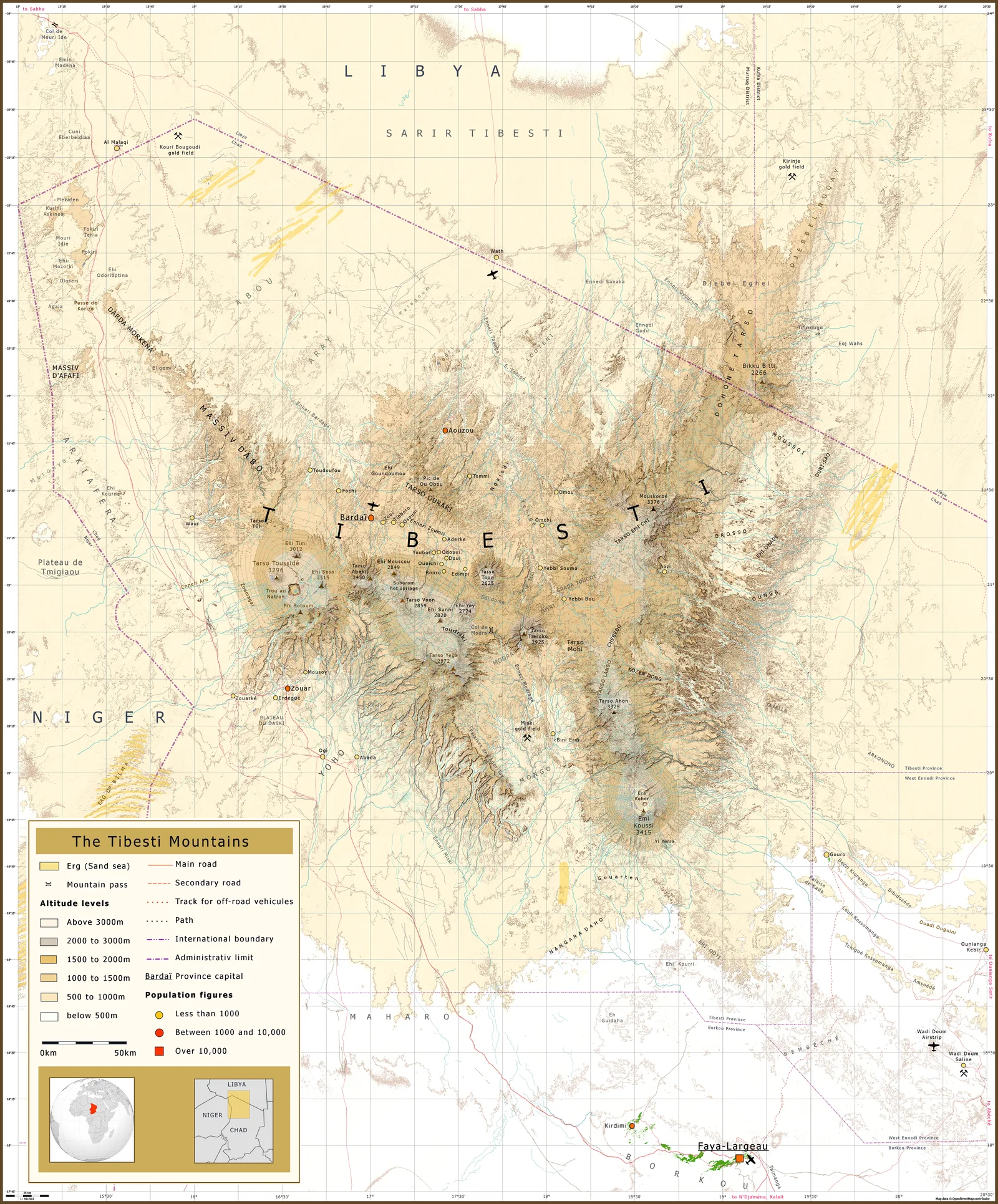
Aozou
An oasis town in the Tibesti Mountains, known for the historically disputed Aozou Strip and rugged Saharan landscapes.
Learn more →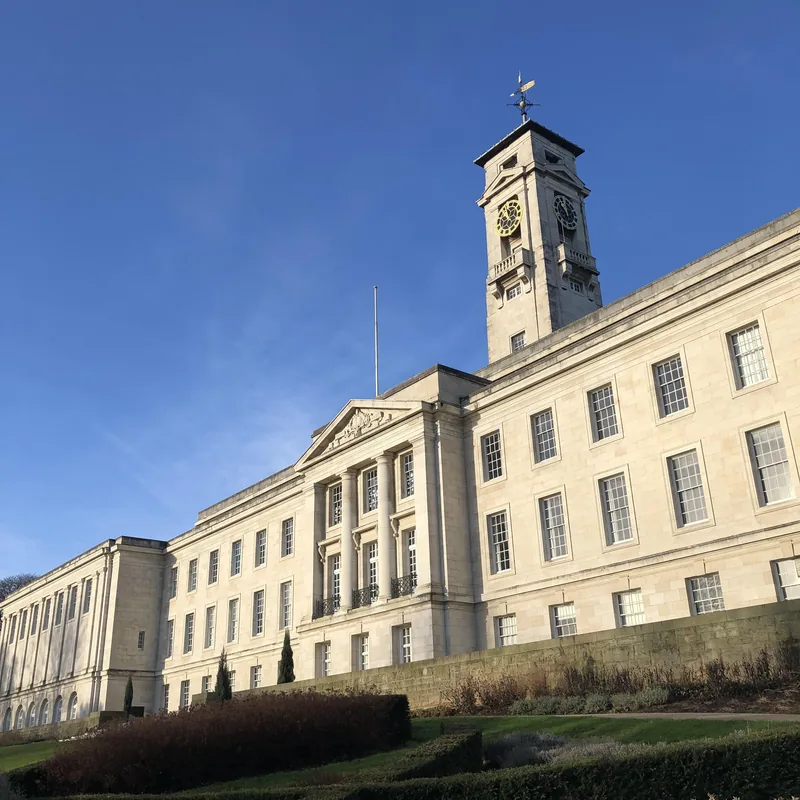
University of N'Djamena
The leading academic institution in the country with distinctive campus buildings.
Learn more →
Monument of Unity
A monumental landmark symbolizing the unity and sovereignty of the Chadian people.
Learn more →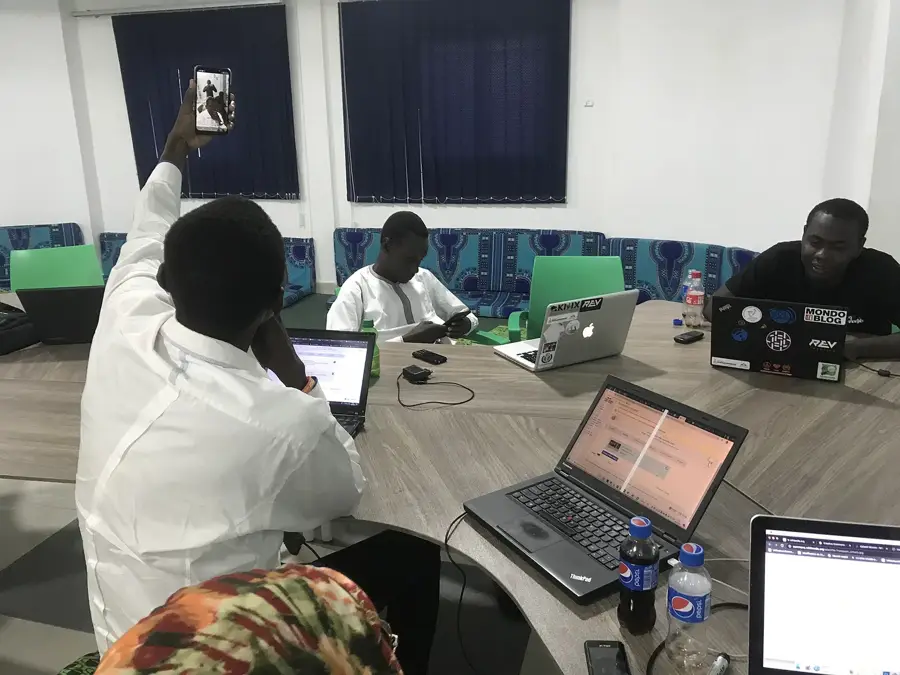
Place de la Nation
A large public square used for national ceremonies and festivities.
Learn more →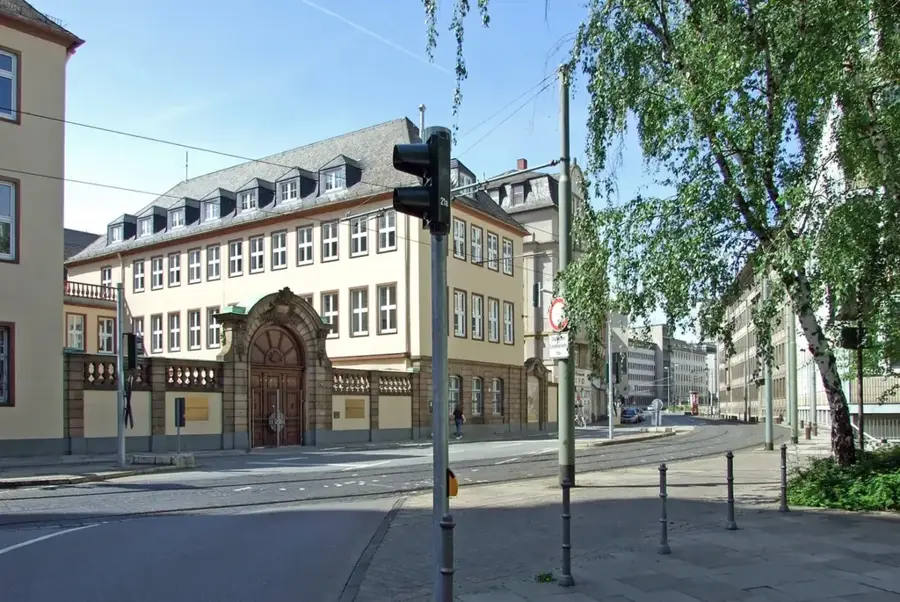
BEAC Building (N'Djamena)
The BEAC Building is the headquarters of the Bank of Central African States in N'Djamena.
Learn more →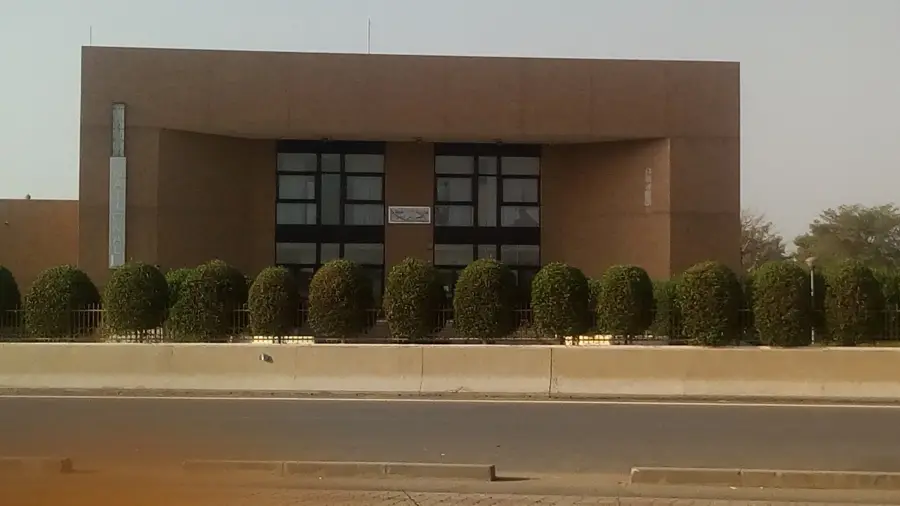
National Museum of Chad
Houses valuable archaeological and ethnographic collections related to the country's history.
Learn more →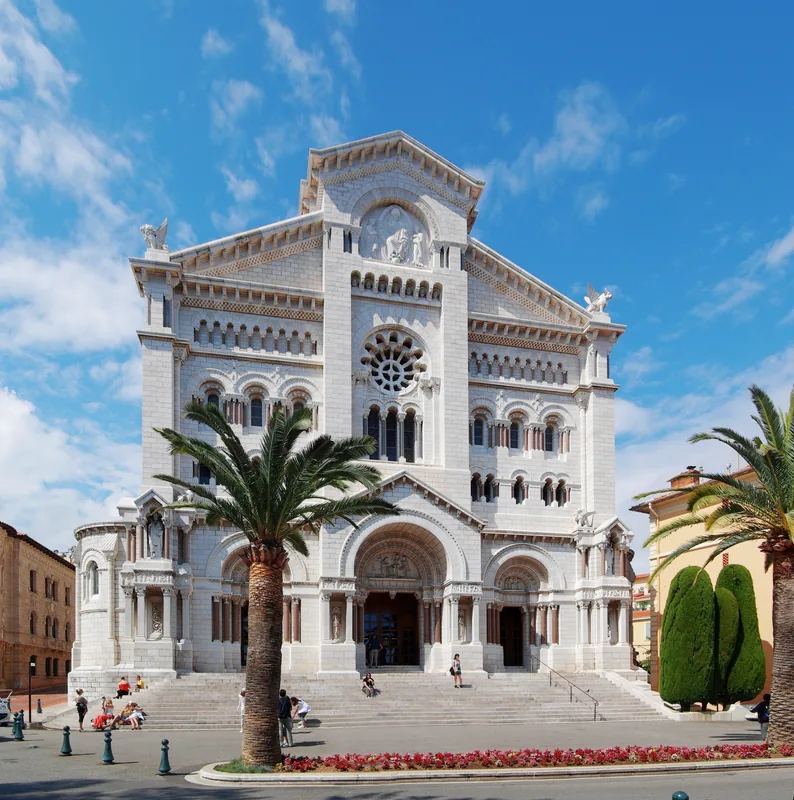
Notre-Dame Cathedral (N'Djamena)
The Roman Catholic cathedral of the capital, known for its modern architecture.
Learn more →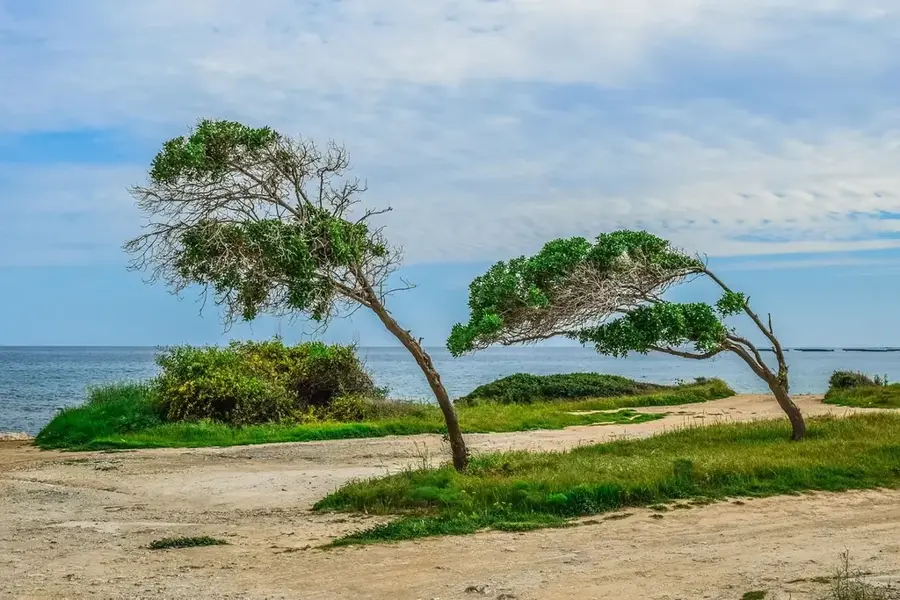
Governor's Palace (Faya-Largeau)
A colonial-era governor's palace in Faya-Largeau, in northern Chad's Sahara belt.
Learn more →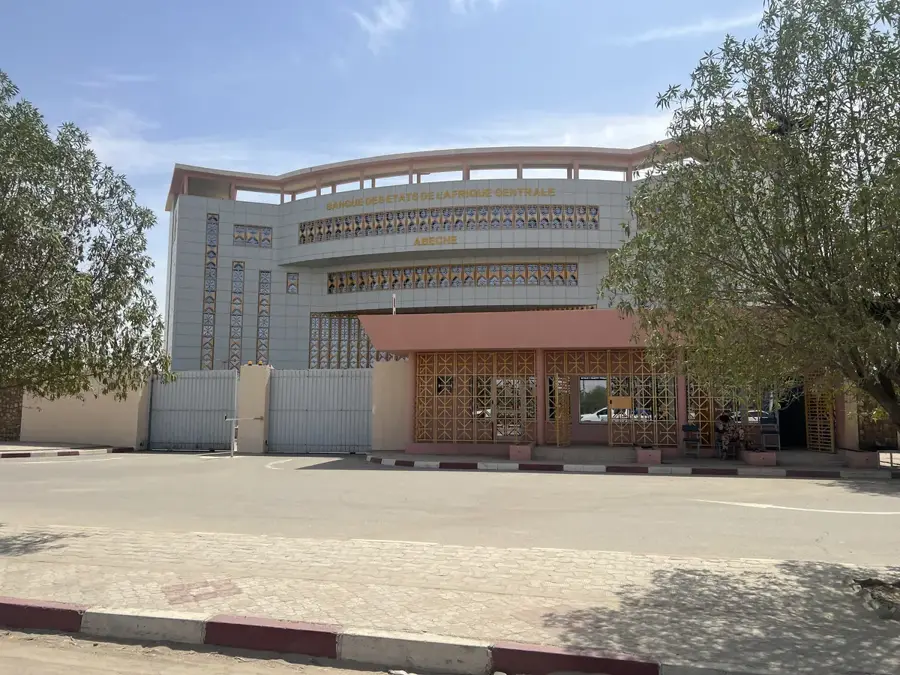
Sultan's Palace of Abéché
The historical residence of the Sultan of Wadai, a significant cultural monument.
Learn more →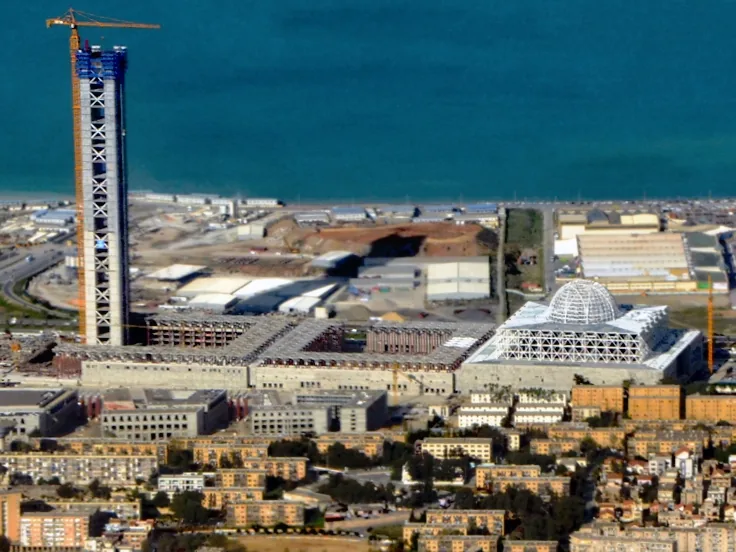
Grand Mosque of N'Djamena
The most important religious structure in the capital, featuring distinctive minarets.
Learn more →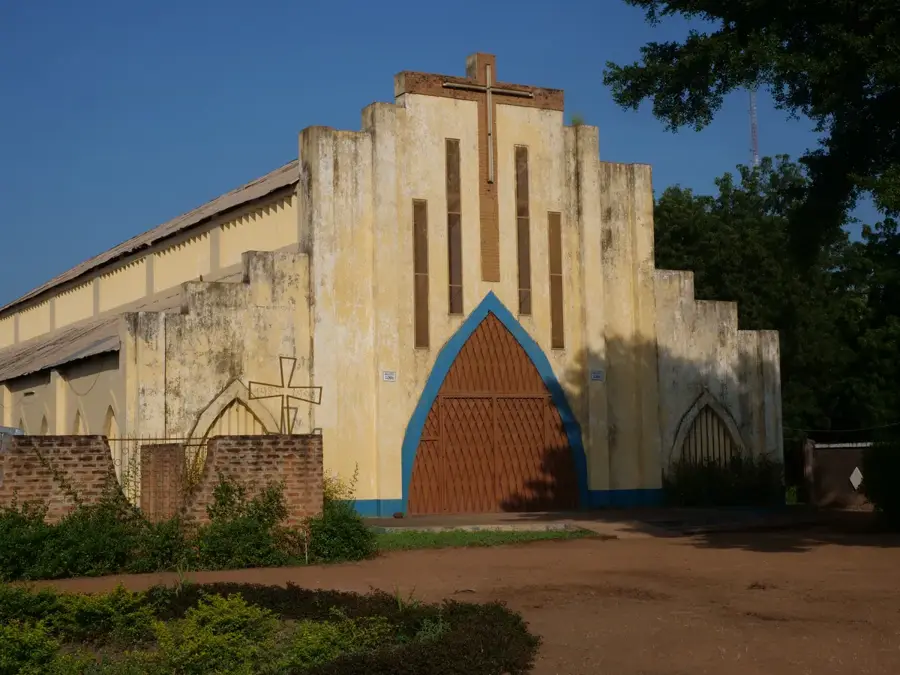
Cathedral of Moundou
The Notre-Dame-de-l'Assomption Cathedral is the religious landmark of Moundou.
Learn more →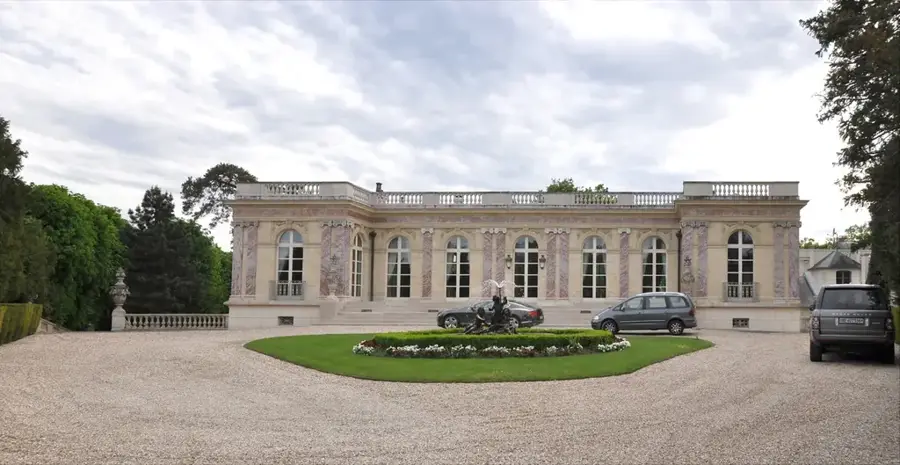
Palais Rose
The official workplace and residence of the President of Chad.
Learn more →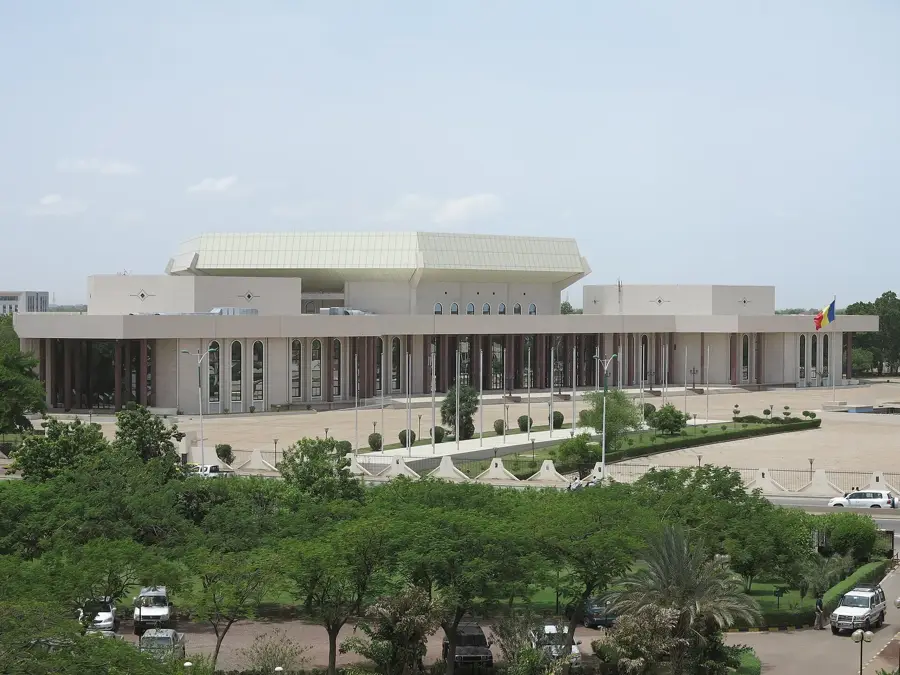
National Assembly
The seat of the Chadian parliament, an architecturally significant building.
Learn more →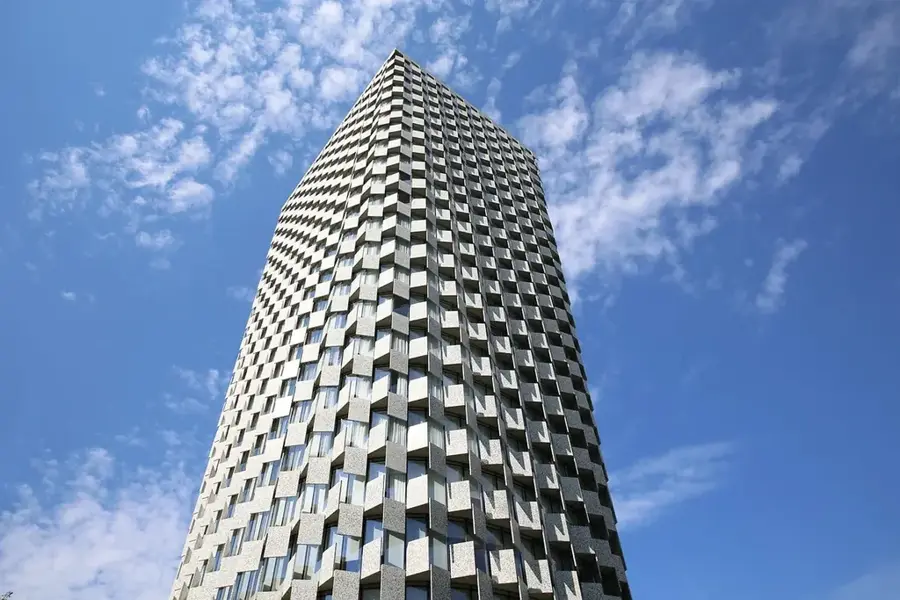
Hotel Ledger Plaza
One of the most modern and luxurious buildings in Chad.
Learn more →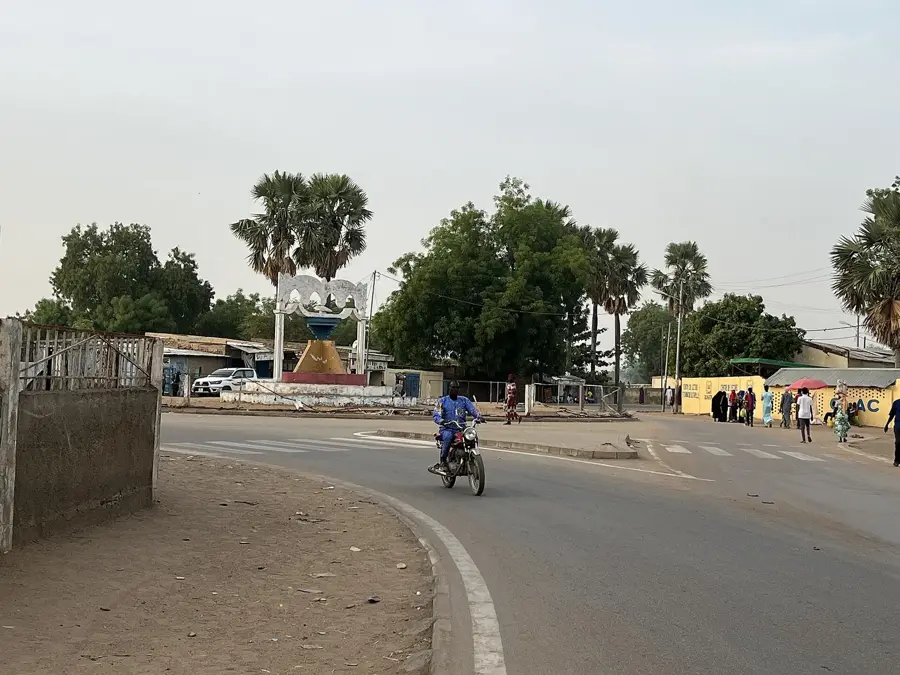
Bridge of Friendship
An important bridge over the Logone River, connecting Chad with Cameroon.
Learn more →Nature
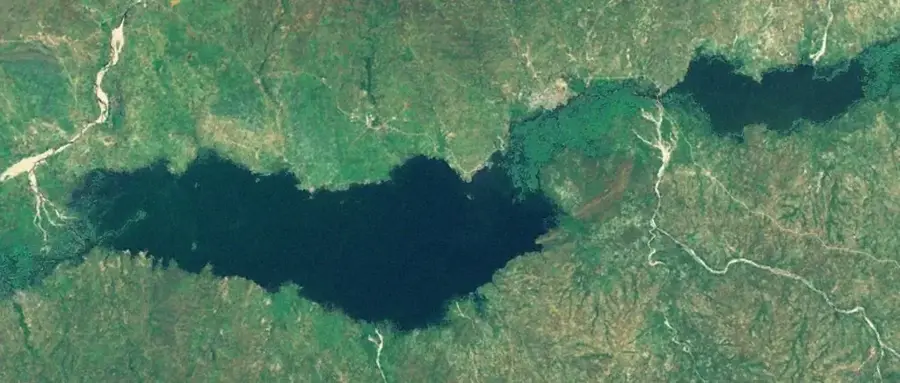
Lake Léré
A shallow lake in southwestern Chad, famous for its manatees.
Learn more →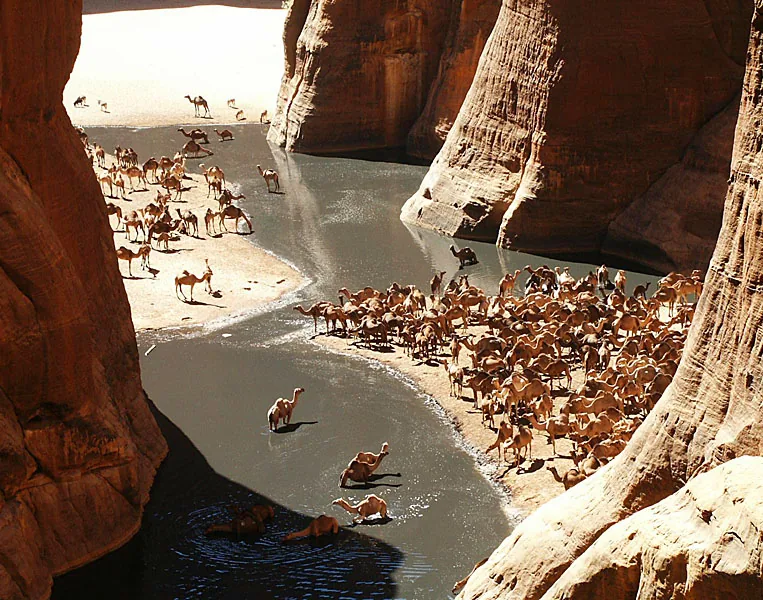
Guelta d'Archei
One of the most famous gueltas (water holes) in the Sahara, in the Ennedi range.
Learn more →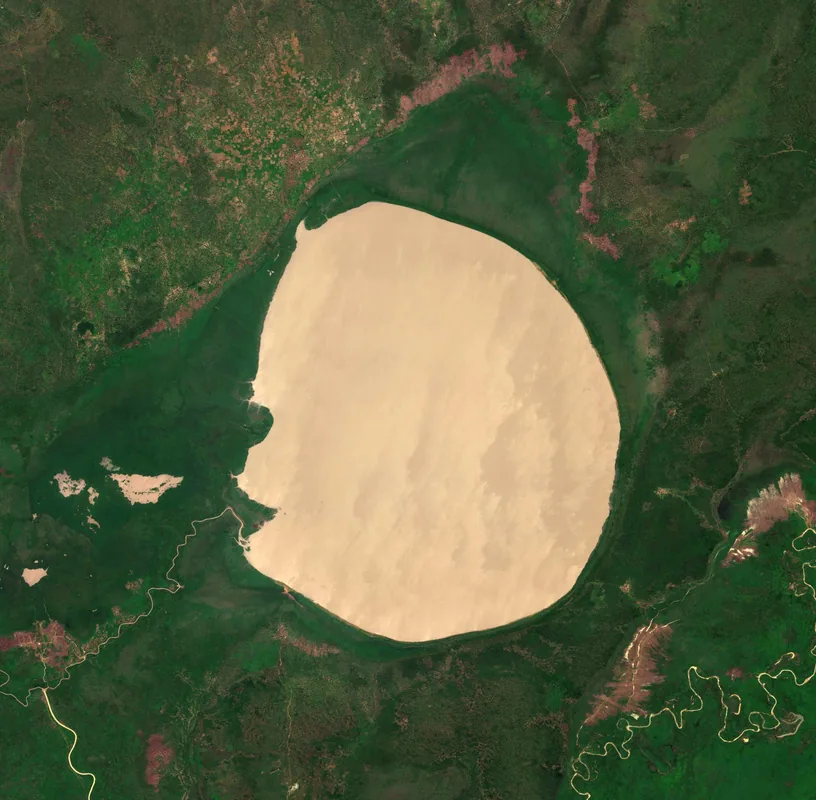
Lake Iro
A small, nearly circular lake in the south, likely an impact crater.
Learn more →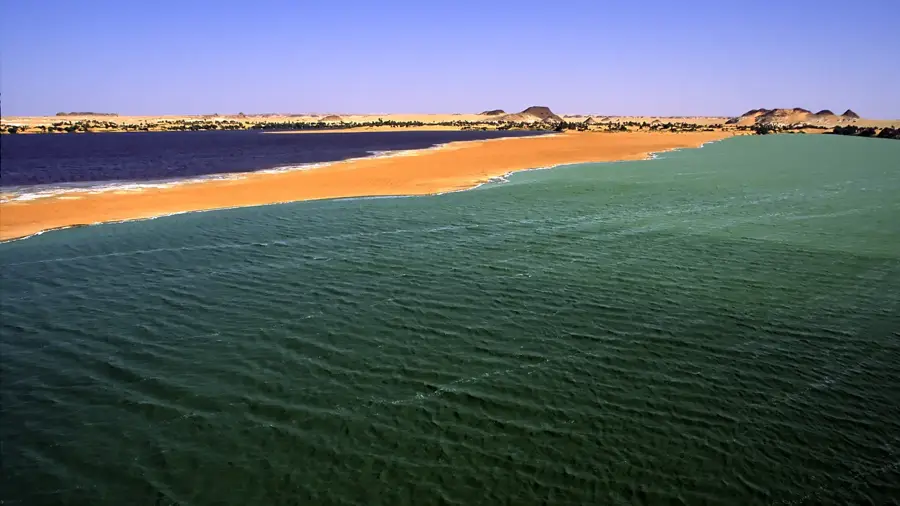
Lake Katam
One of the most picturesque lakes of the Ounianga group, known for its colors.
Learn more →
Djoli Hills
A hilly landscape in southern Chad, around the Moyen-Chari area.
Learn more →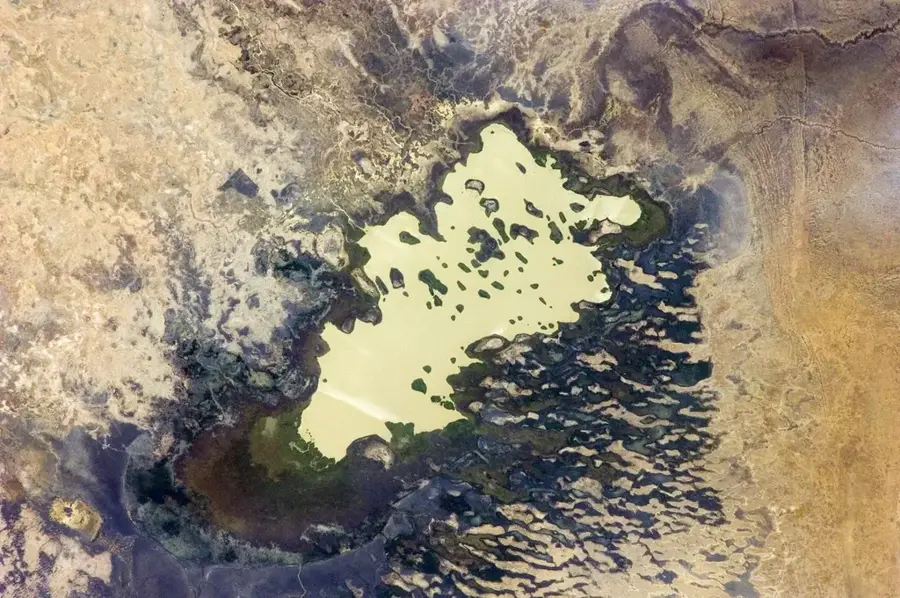
Lake Fitri
An important freshwater lake in the center of the country, a Ramsar site.
Learn more →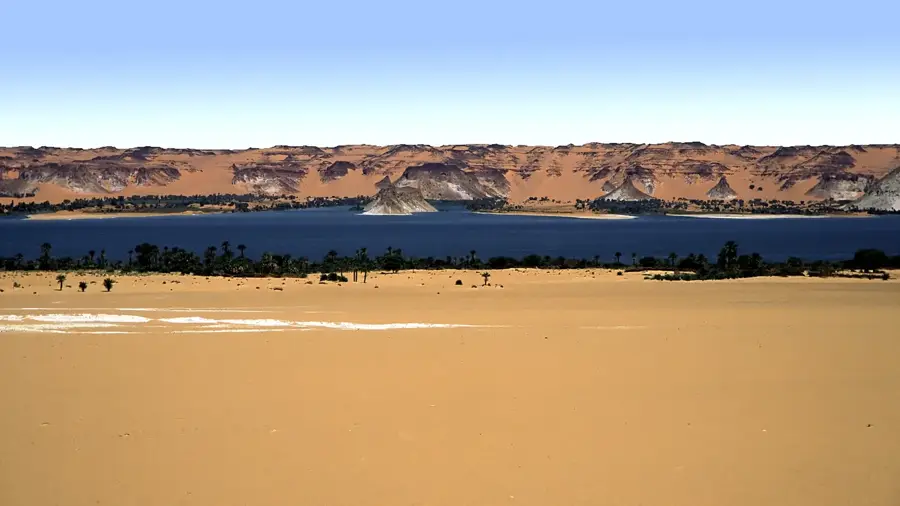
Lakes of Ounianga
A group of 18 lakes in the desert, a UNESCO World Heritage site.
Learn more →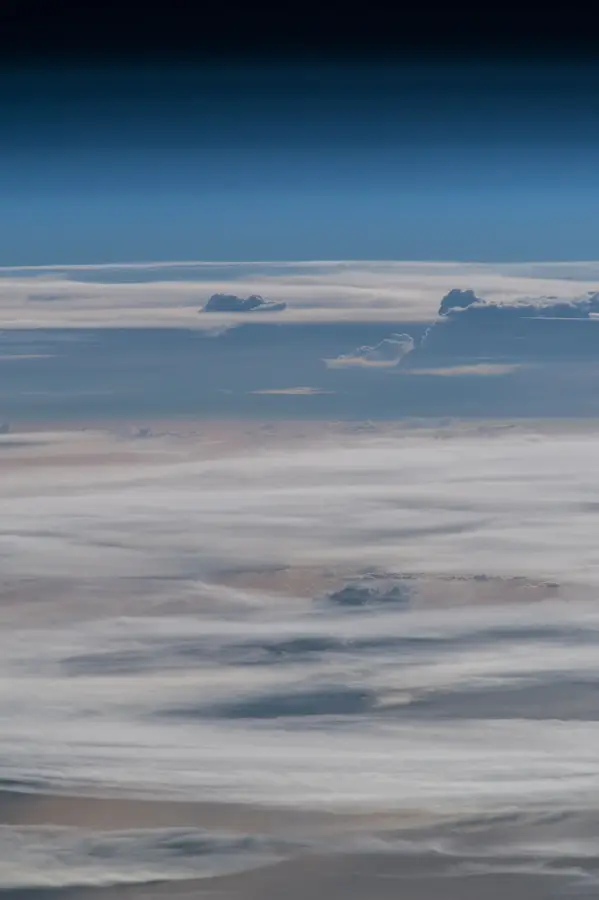
Abou Telfane Massif
A mountain massif in the Guéra region of central Chad.
Learn more →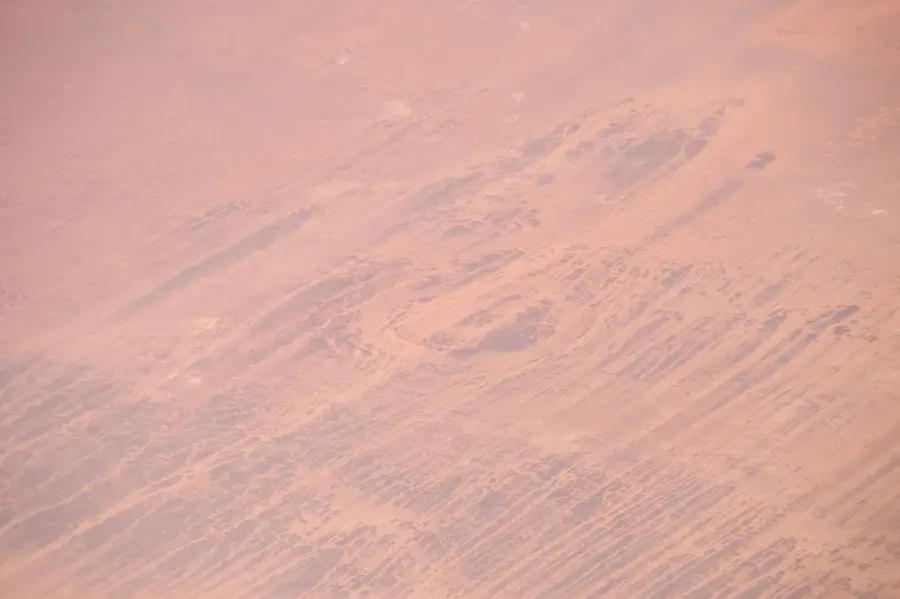
Gere Massif
A mountain massif in the Guéra region of central Chad.
Learn more →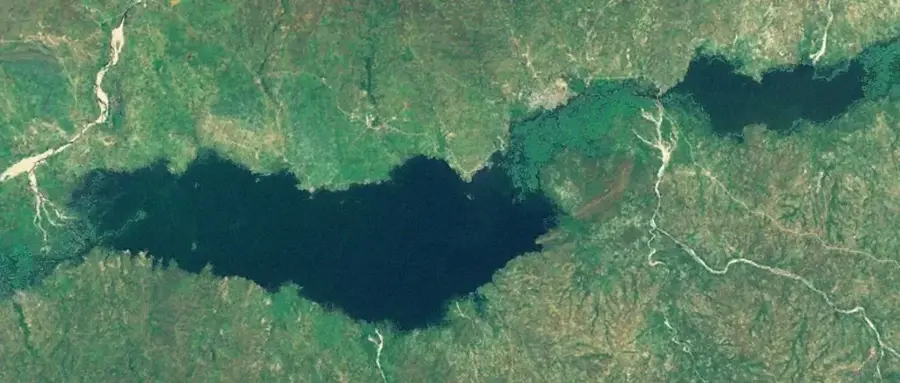
Lake Trené
A neighboring lake to Lake Léré in the Mayo-Kebbi area.
Learn more →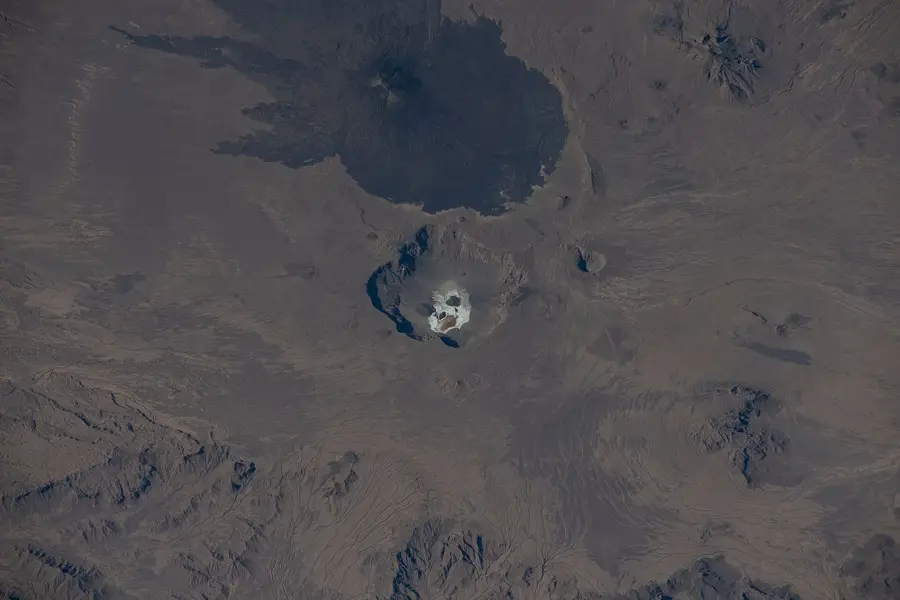
Tarso Emissti
One of the many volcanic massifs of Tibesti, known for its rugged slopes and isolated location.
Learn more →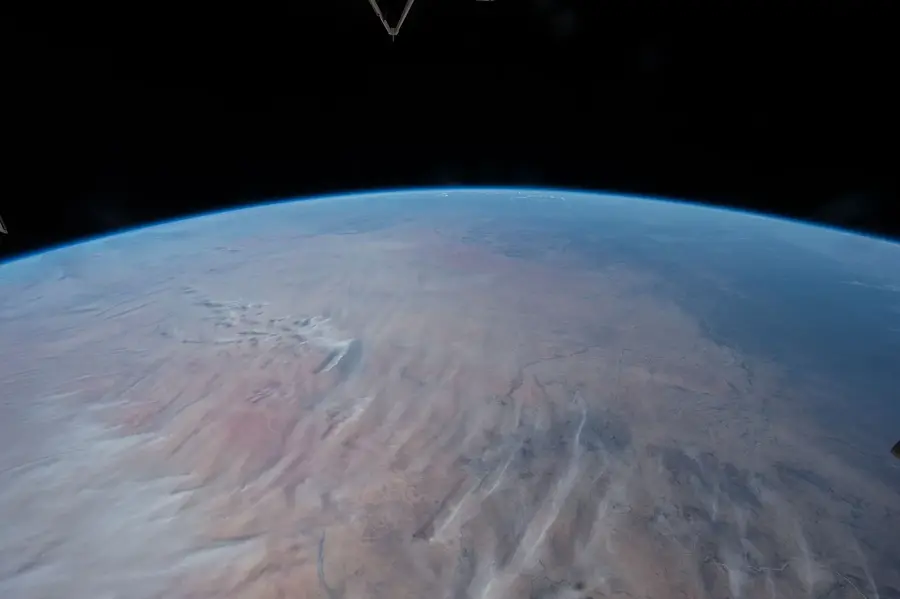
Kapka Massif
A rugged massif in the Wadi Fira region of eastern Chad.
Learn more →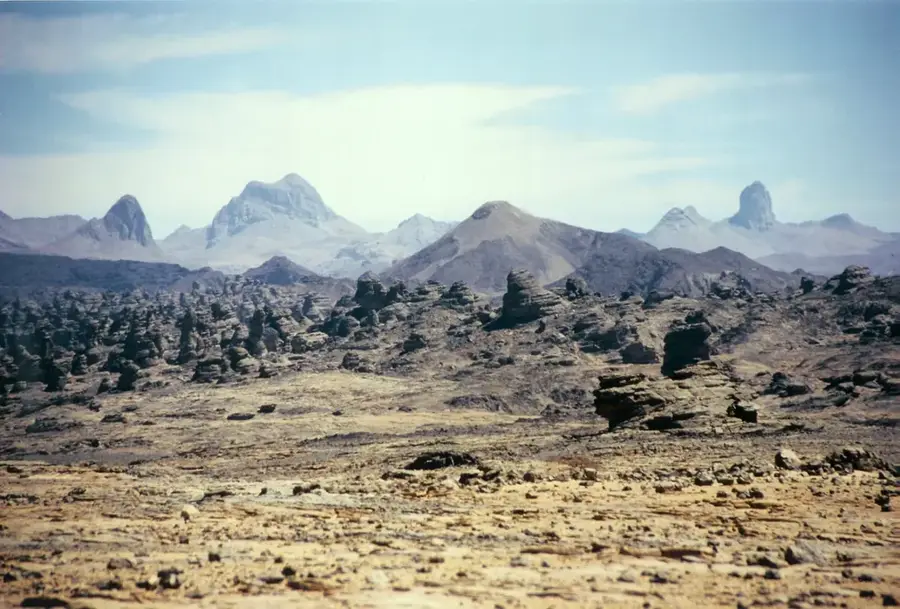
Tarso Ourari
A significant mountain massif in northern Tibesti, offering wide views over the Central Sahara.
Learn more →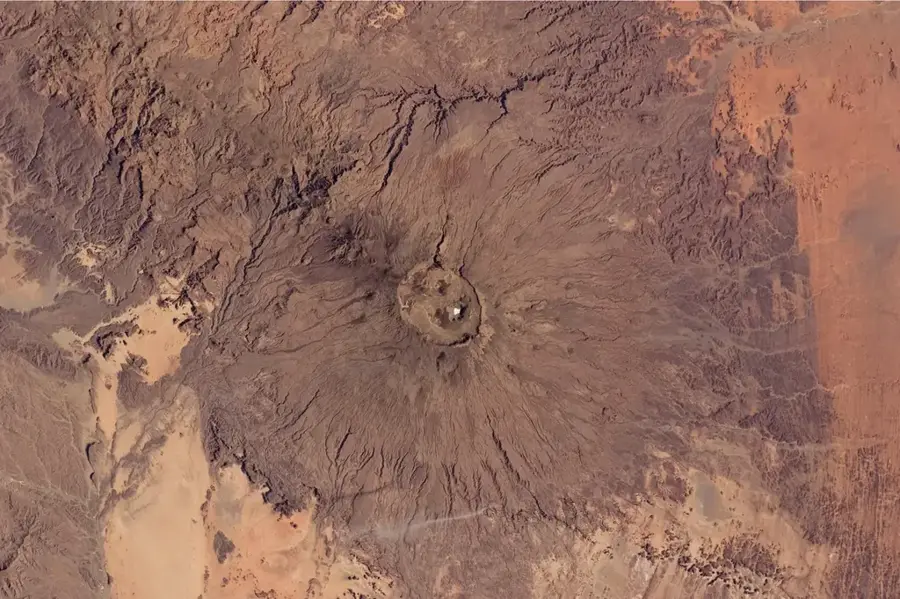
Tarso Ahon
A prominent volcanic plateau in the Tibesti Mountains with an extensive caldera at its summit.
Learn more →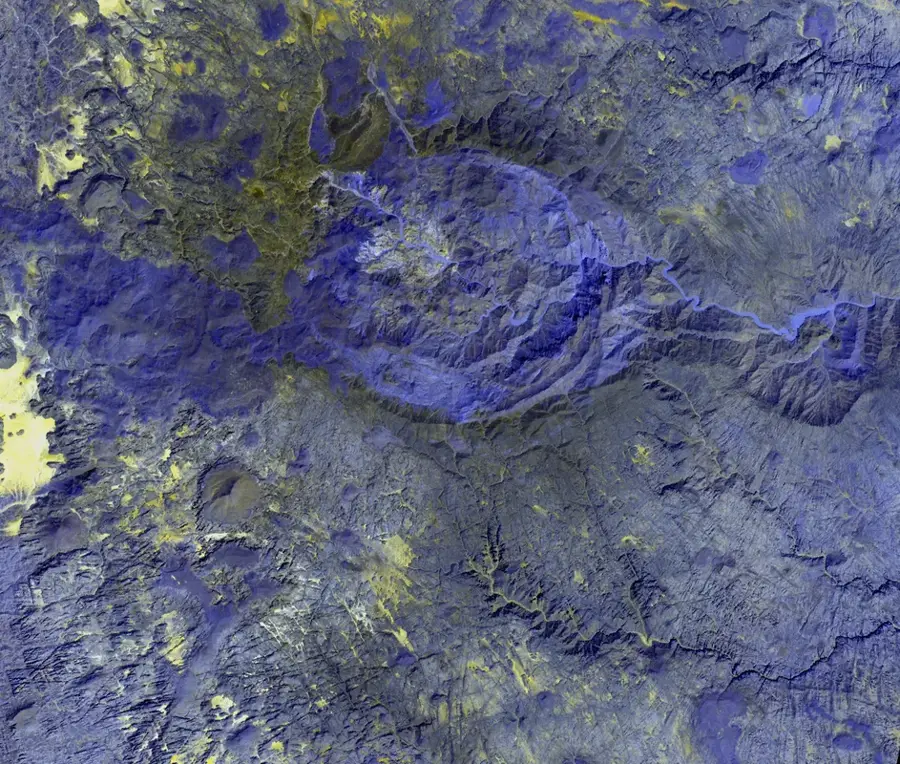
Bikku Bitti
The highest mountain in Libya, located right on the border with Chad.
Learn more →More highlights
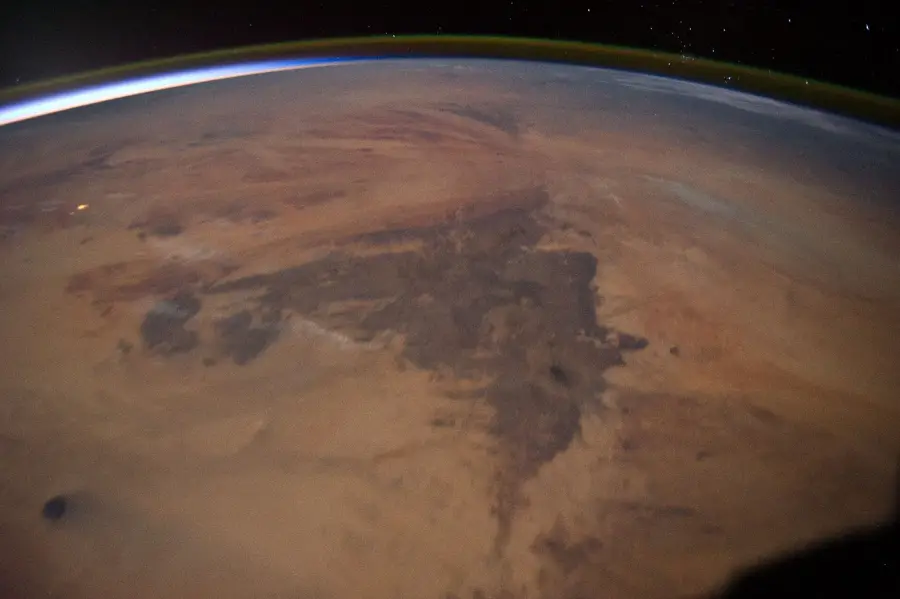
Tchigai Plateau
A remote plateau on the northern borderland around Tibesti.
Learn more →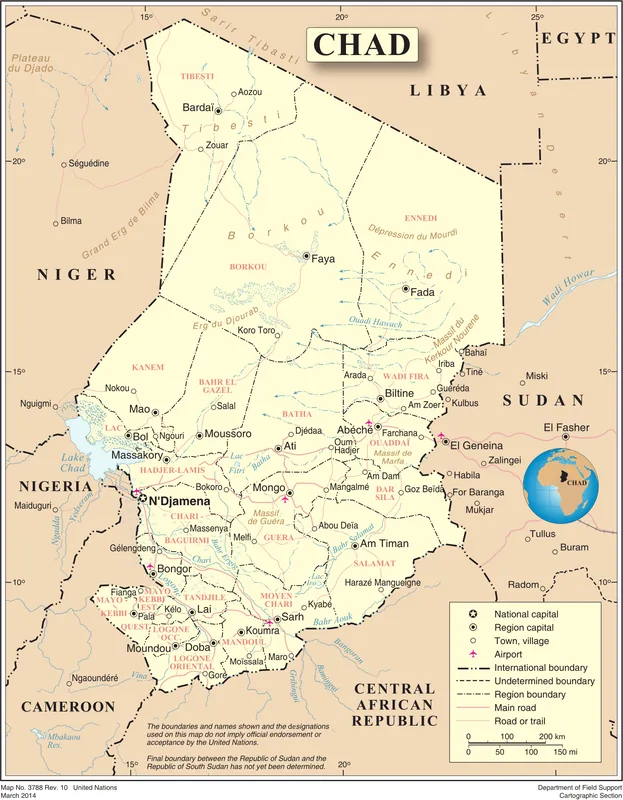
Biltine Plateau
A dry plateau in eastern Chad near Biltine.
Learn more →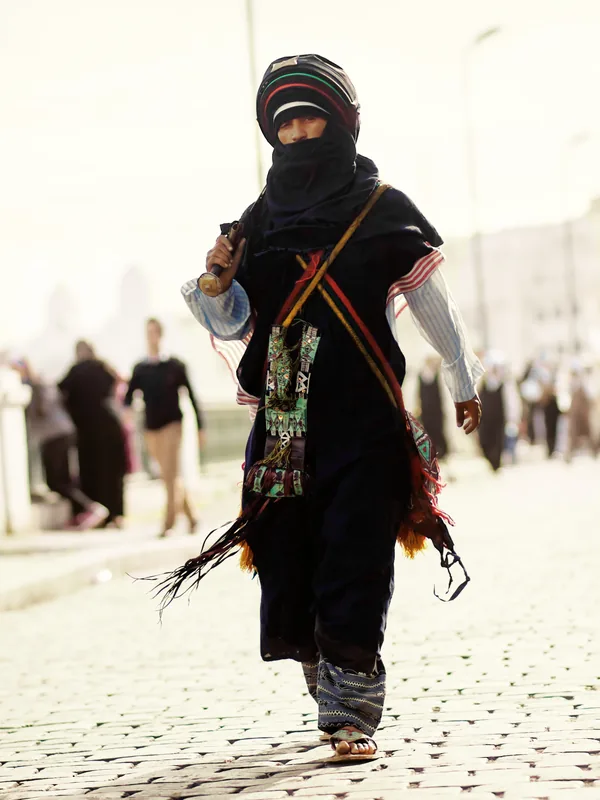
Abéché Camel Herds
The region around Abéché is famous for its proud dromedary herds, which have shaped nomadic life for centuries.
Learn more →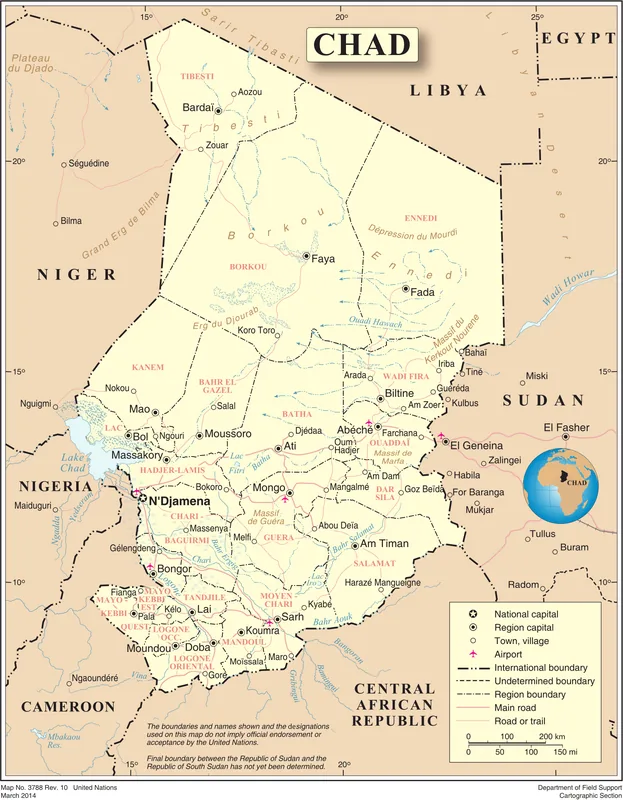
Mourdi Depression
A vast depression between the Ennedi Massif and the Erdi Plateau, characterized by shifting dunes and desert climate.
Learn more →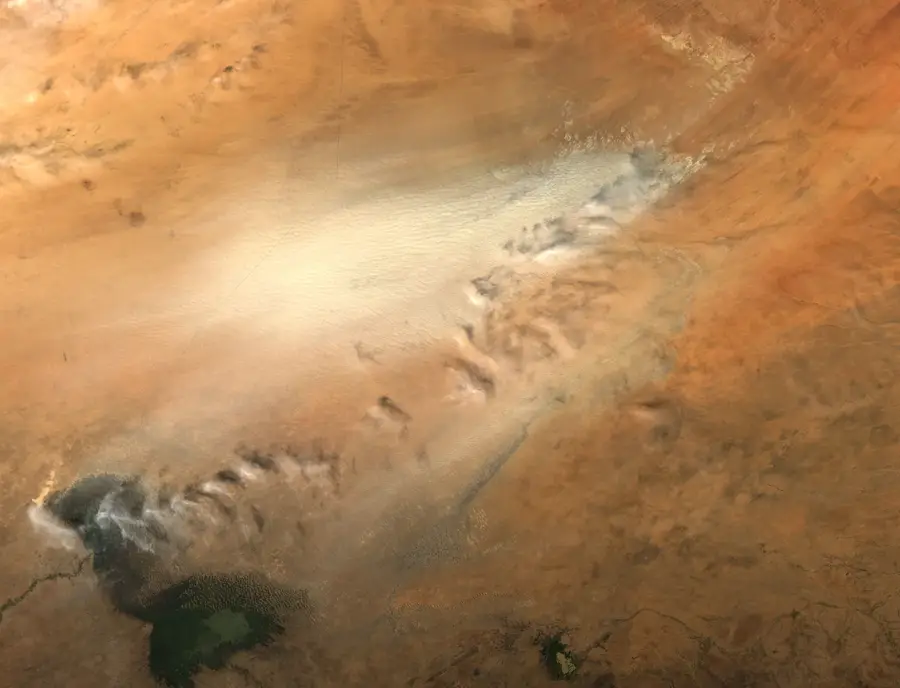
Bodélé Depression
The Bodélé Depression is the lowest point of the Chad Basin and one of the world's most active sources of mineral dust.
Learn more →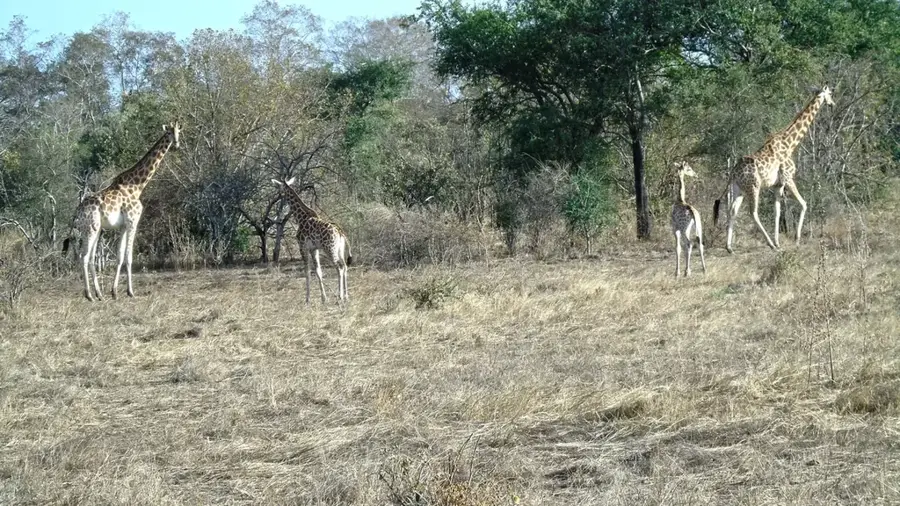
Zakouma Elephant Sanctuary
One of Central Africa's most significant protected areas for African elephants, home to massive herds.
Learn more →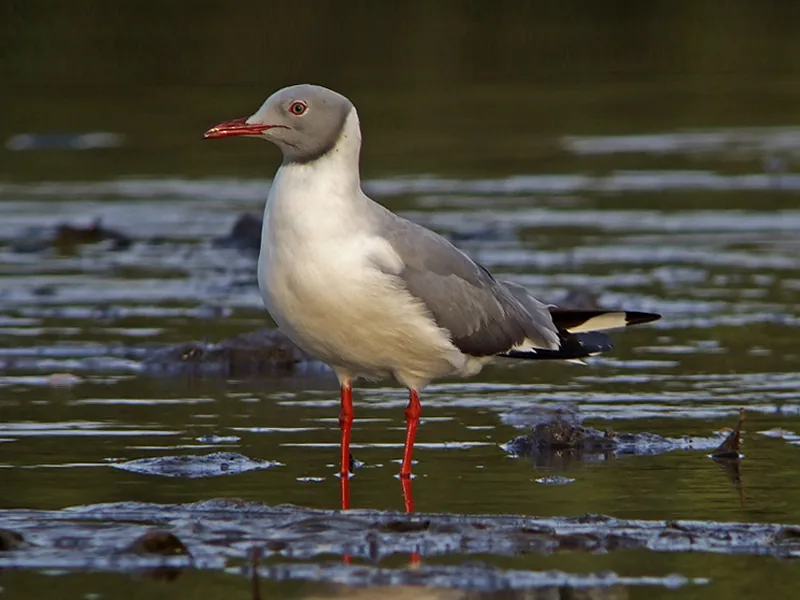
Lake Chad Papyrus Fields
The lake's marshy shores are ideal for growing papyrus, which is used for traditional crafts.
Learn more →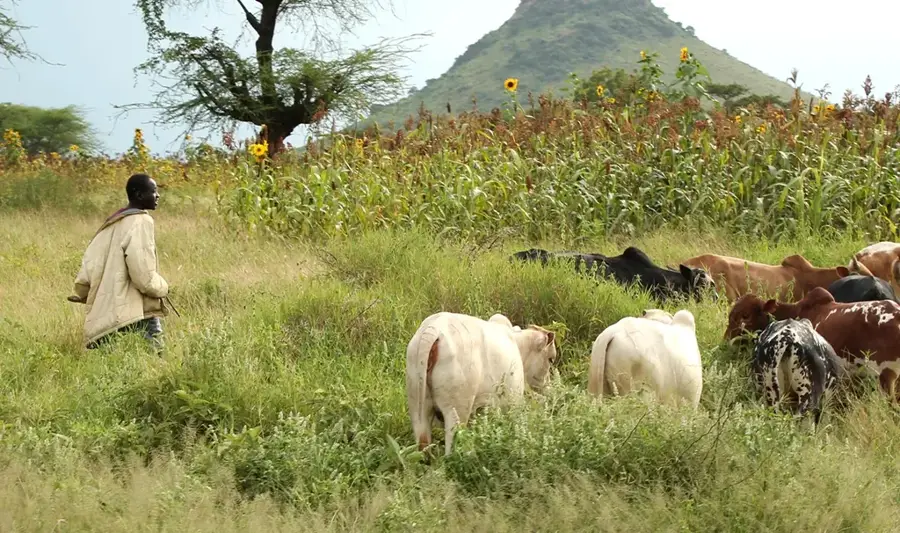
Mayo-Kebbi Peanut Farms
In the sandy soils of the southwest, peanuts thrive particularly well and are an important staple food.
Learn more →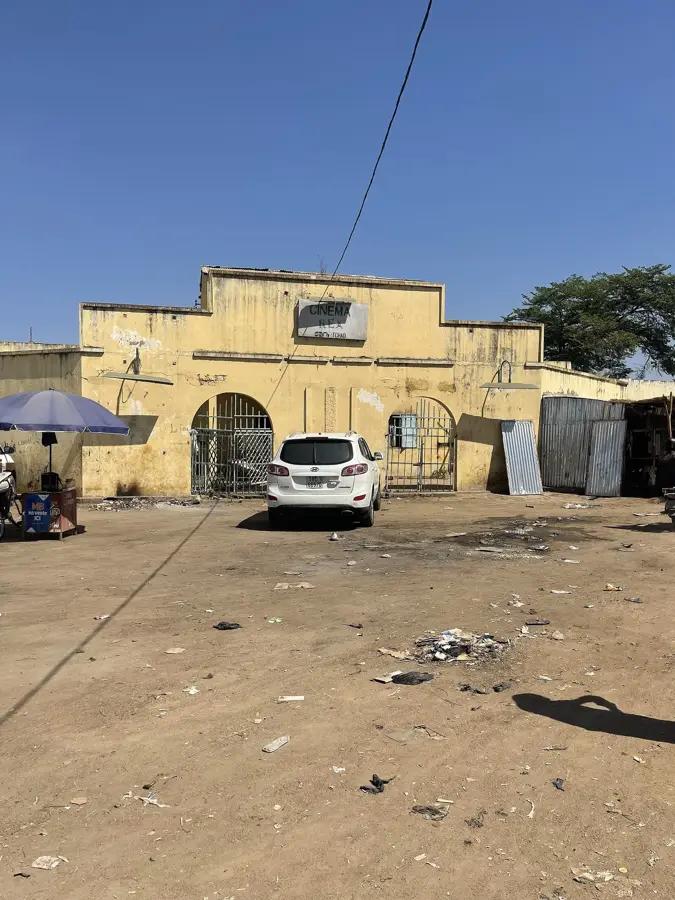
Sarh Children's Crafts Center
At this center, children can learn traditional techniques like weaving and pottery through play.
Learn more →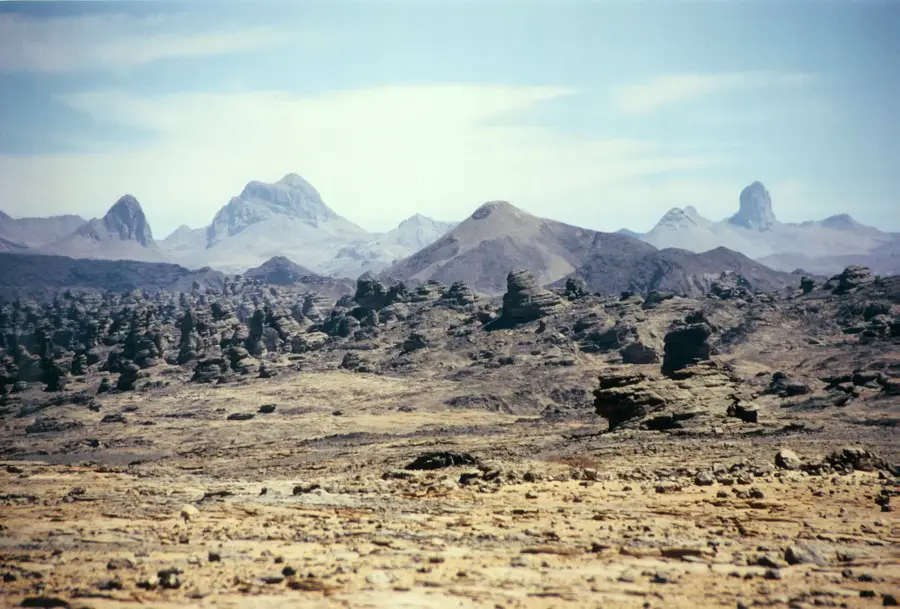
Tibesti Nomadic Camp Experience
A place where children can experience the life of desert nomads and learn how to handle animals firsthand.
Learn more →
Ounianga Date Palm Groves
In the middle of the Sahara, the lakes of Ounianga make it possible to grow delicious dates in green oases.
Learn more →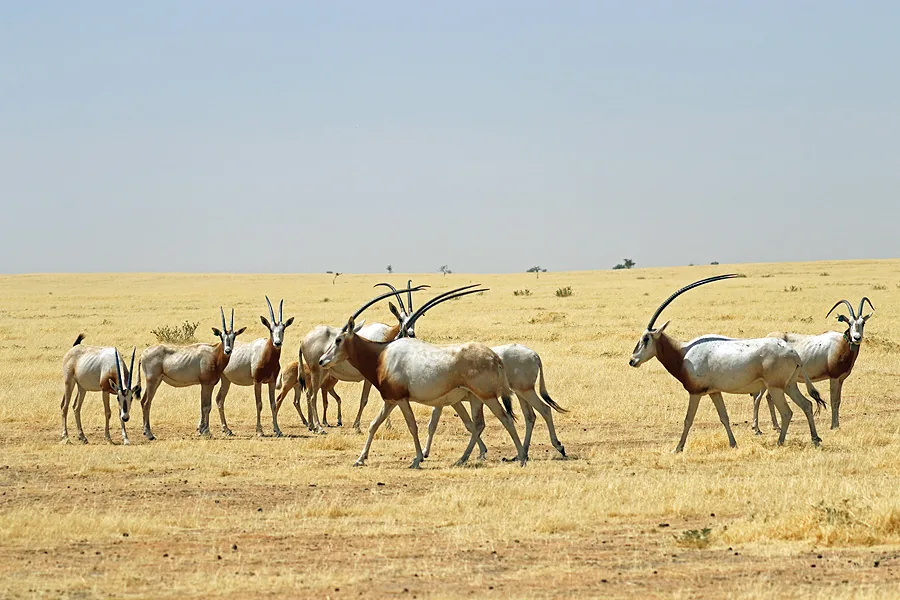
Ouadi Rimé Oryx Reserve
The world's largest reserve for the reintroduction of the scimitar-horned oryx to its natural habitat.
Learn more →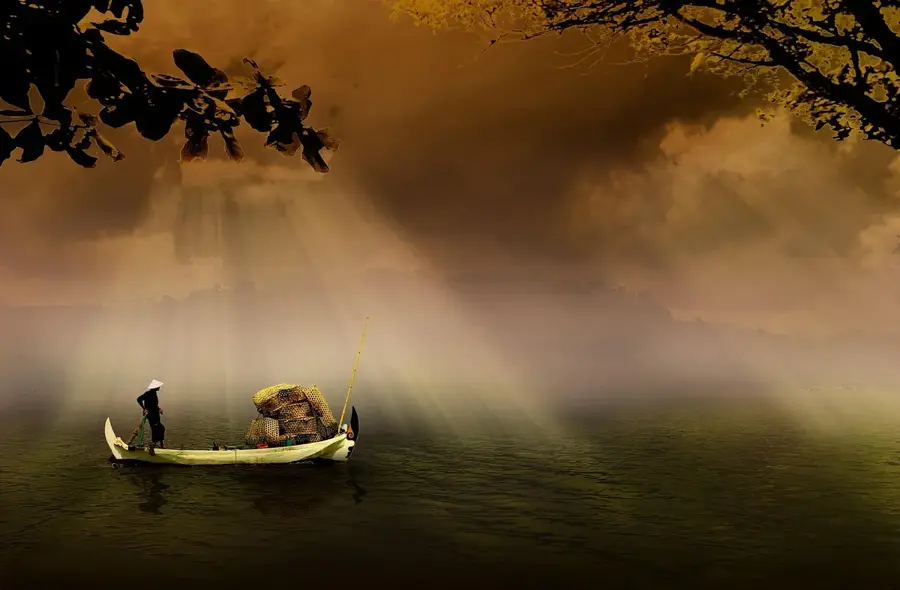
Chari River Fishing Villages
Along the Chari River, fishers use traditional nets and canoes to earn their livelihood.
Learn more →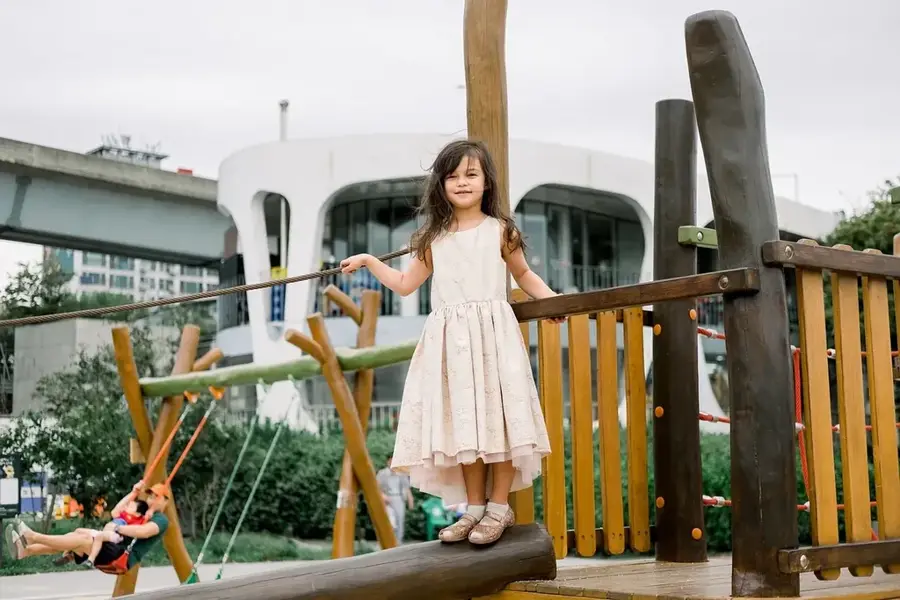
Moundou Youth Recreation Park
A park in the south of the country offering sports fields and activities specifically for young people.
Learn more →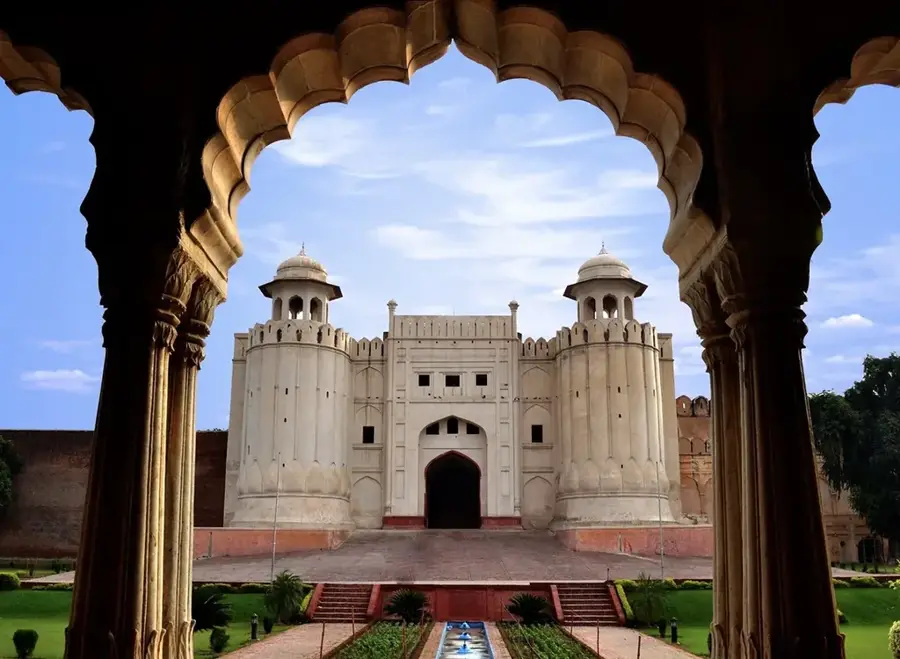
Bol Floating Gardens
A fascinating example of water-based agriculture that teaches children about ecological connections.
Learn more →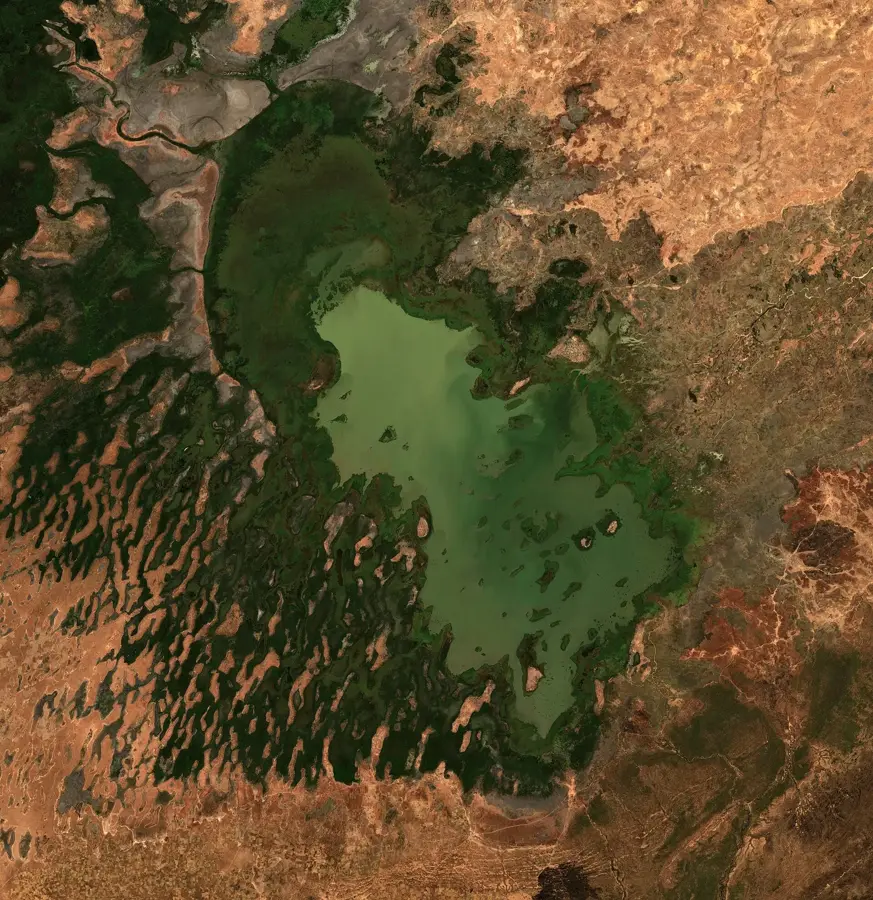
Lake Fitri Bird Sanctuary
A vital wetland that serves as a resting and feeding ground for thousands of migratory birds.
Learn more →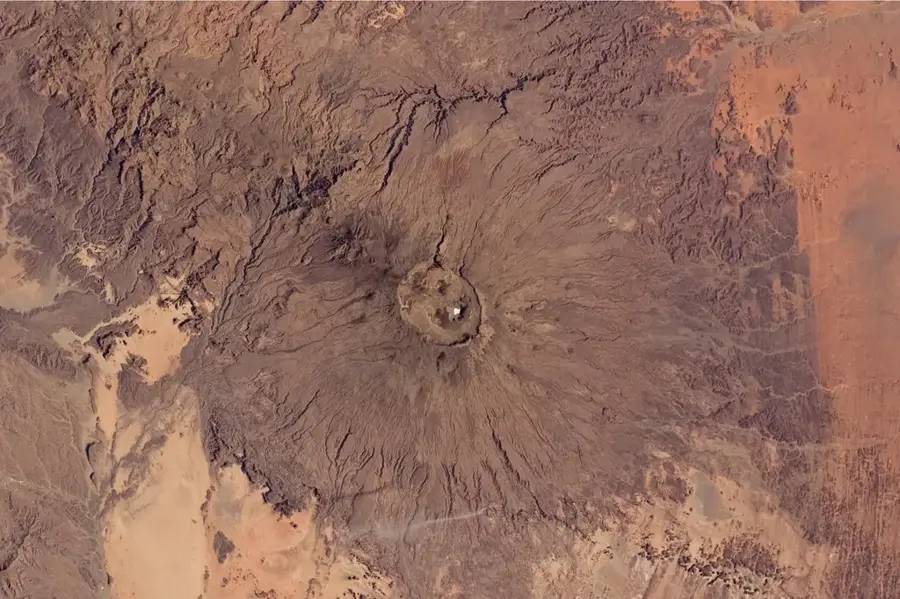
Era Kohor Crater
A deep volcanic crater within the Emi Koussi caldera, known for its white natron layers.
Learn more →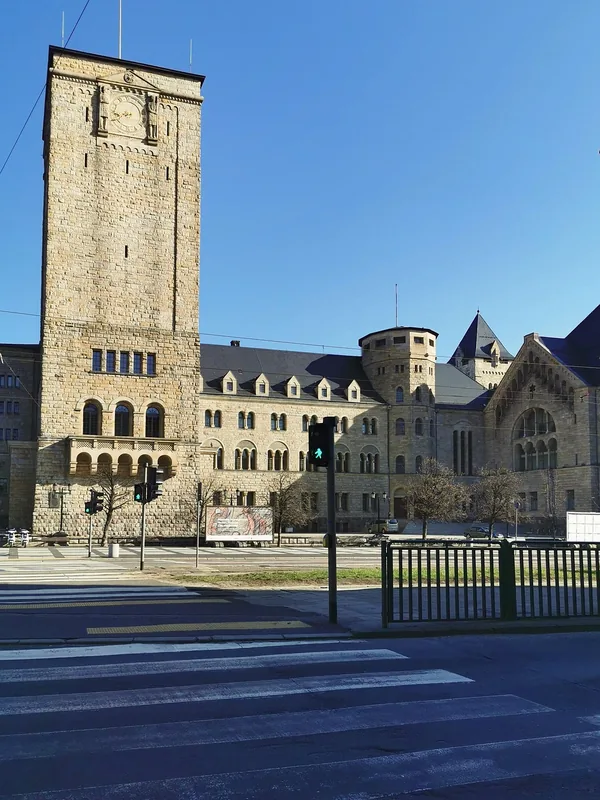
Gaoui Cultural Center
A traditional village of the Sao civilization, famous for its colorful architecture and pottery.
Learn more →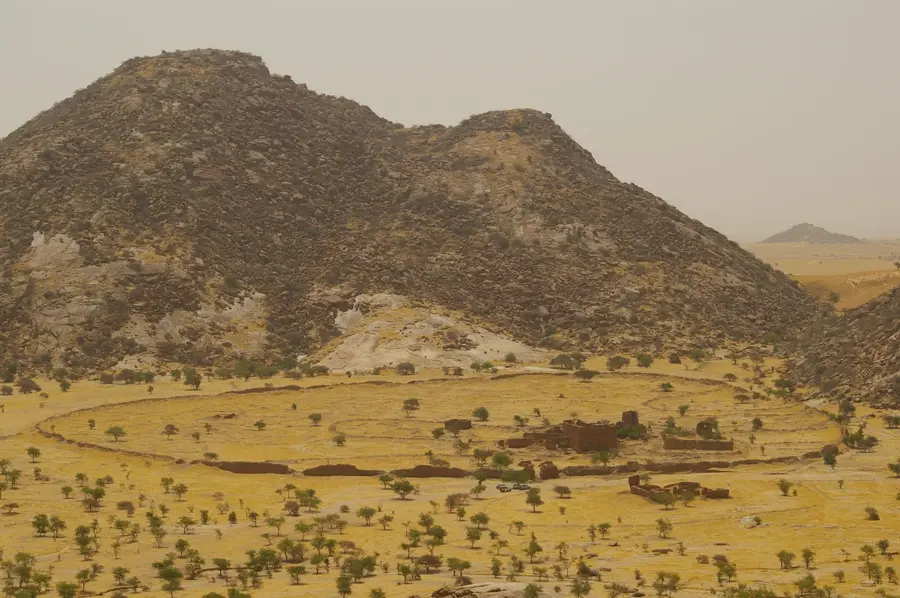
Ouara Ruins
The remains of the former capital of the Wadai Sultanate, known for its palace and mosque.
Learn more →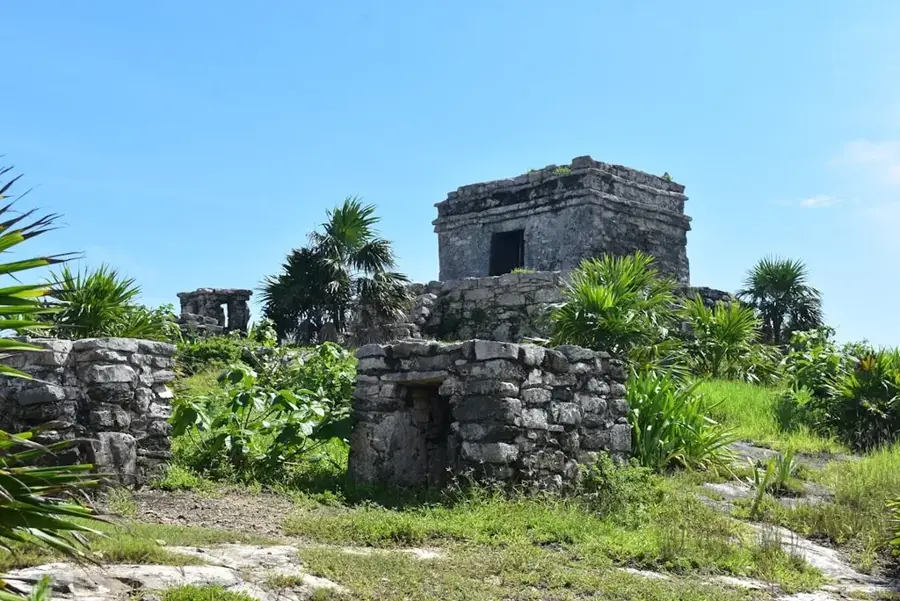
Njimi Ruins
The former capital of the Kanem Empire, which was a powerful political center in the Middle Ages.
Learn more →Frequently asked questions
What are the top attractions in Chad?
Among the most popular are Aozou, University of N'Djamena, Monument of Unity, Place de la Nation, BEAC Building (N'Djamena) and many more – the full top 50 list is on this page.
When is the best time to visit Chad?
May to October offers the most pleasant weather; July and August are warmest and busiest.