Plizio Visual Lab
Chari River Fishing Villages
Weather…
Water temperature…
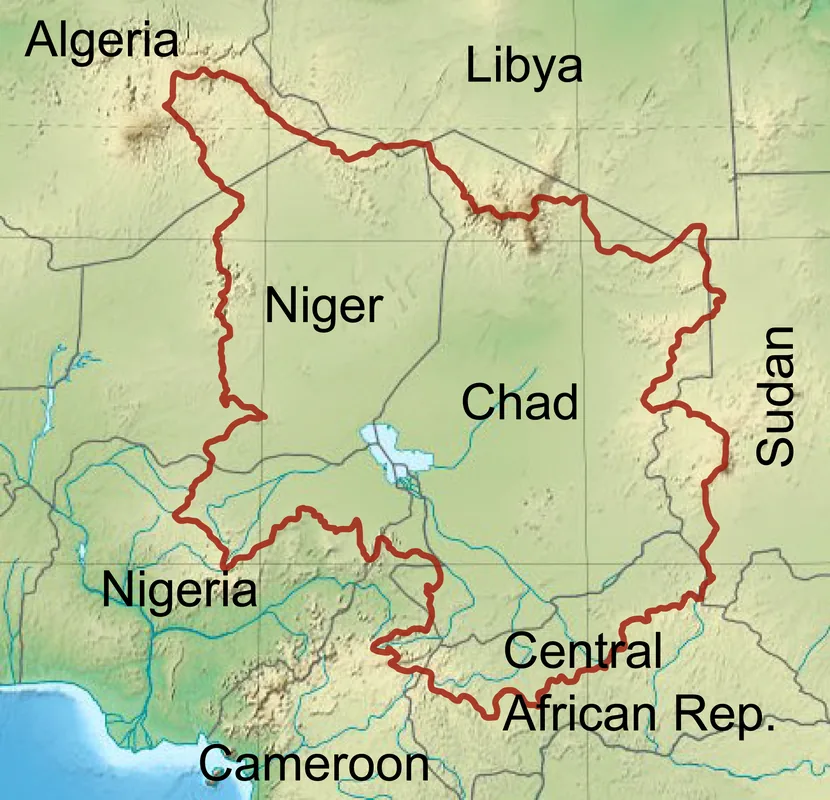
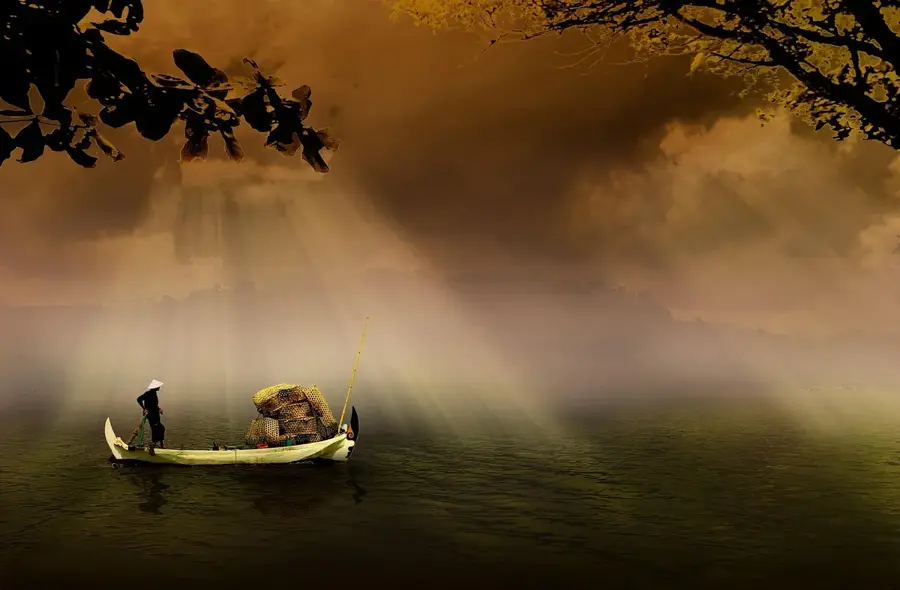
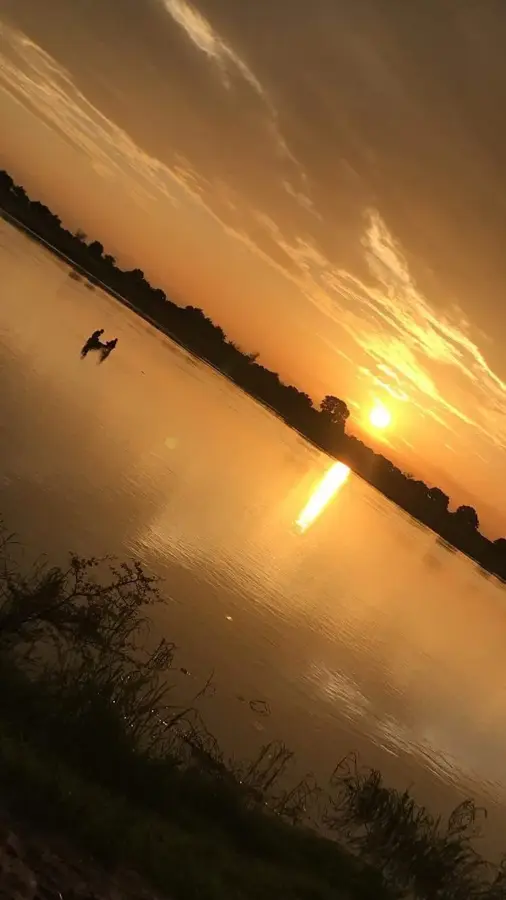
Fishing villages along the Chari River form the backbone of Chad's inland fisheries, supplying the entire country with fresh and dried fish. The Chari, which is the primary source of water for Lake Chad, hosts an enormous variety of fish species, including the valuable Nile perch. Historically, these settlements are closely tied to the Kotoko culture, renowned for its advanced fishing techniques and boat-building skills. Fishermen utilize traditional pirogues and hand-knotted nets, with the rhythm of daily life heavily dictated by the river's seasonal flooding. After being caught, fish is often smoked over open fires or sun-dried locally to preserve it for transport to distant cities like N'Djamena. These villages are not just economic entities; they also preserve ancient legends and customs revolving around the spirits of the water. Today, fishermen face the dual threats of receding water levels and overfishing, making sustainable management of the river a critical and urgent challenge.
- Location: Chad
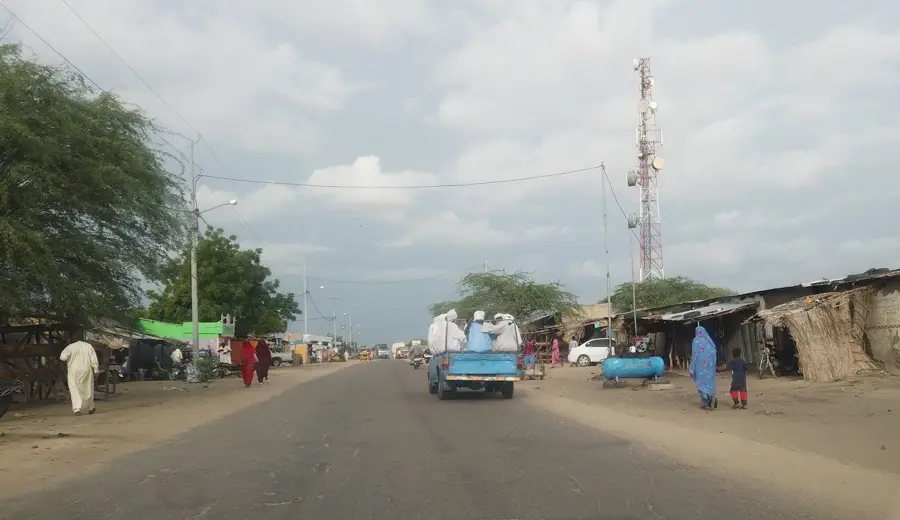
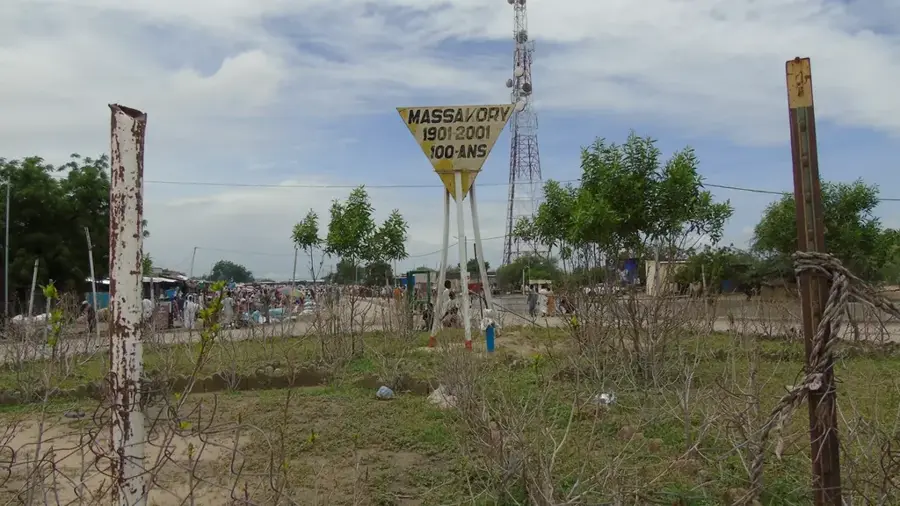
- Nearby: Massaguet (9 km)
Best time to visit & climate
The most pleasant time to visit is Jan, Nov, Dec.
| Jan | Feb | Mar | Apr | May | Jun | Jul | Aug | Sep | Oct | Nov | Dec | |
|---|---|---|---|---|---|---|---|---|---|---|---|---|
| Avg °C | 24 | 27 | 31 | 34 | 35 | 33 | 30 | 27 | 28 | 29 | 27 | 24 |
| Rain mm | 0 | 0 | 0 | 3 | 22 | 53 | 136 | 204 | 84 | 22 | 0 | 0 |
📋 Practical info
Geography
Facts
- The Chari is the most important fishing ground in Chad
- Nile perch is one of the most valuable local species
- Fishermen use traditional, handmade wooden pirogues
- Fish is often preserved by smoking or sun-drying
- Closely associated with the Kotoko ethnic culture
- Seasonal floods determine the peak fishing times
Explore nearby
Notable places around

Route planner — Car & Motorhome
Where do you start? We build the route here, with stops and country notes along the way.
© OpenStreetMap contributors · OpenRouteService
Sights nearby
Frequently asked questions
What is special about the fishing villages?
Can a tourist go fishing?
When is the best time to visit?
Is there fresh-caught fish?
Is language a problem?
Chari River Fishing Villages: where is it located?
Chari River Fishing Villages: when is the best time to visit?
Chari River Fishing Villages: why is it worth visiting?

Nearby cities
History & landmarks
More places