Plizio Visual Lab
Abéché Camel Herds
Weather…
Water temperature…
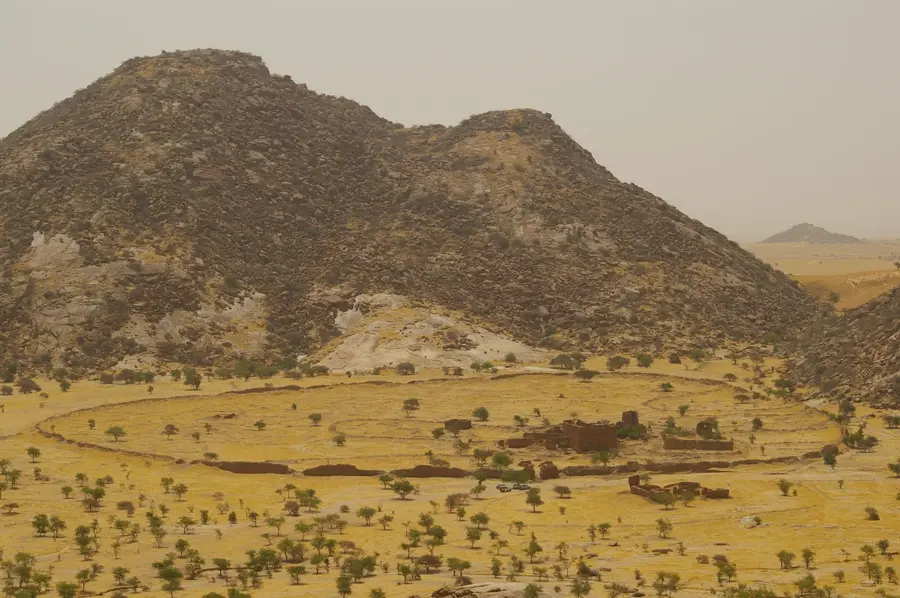
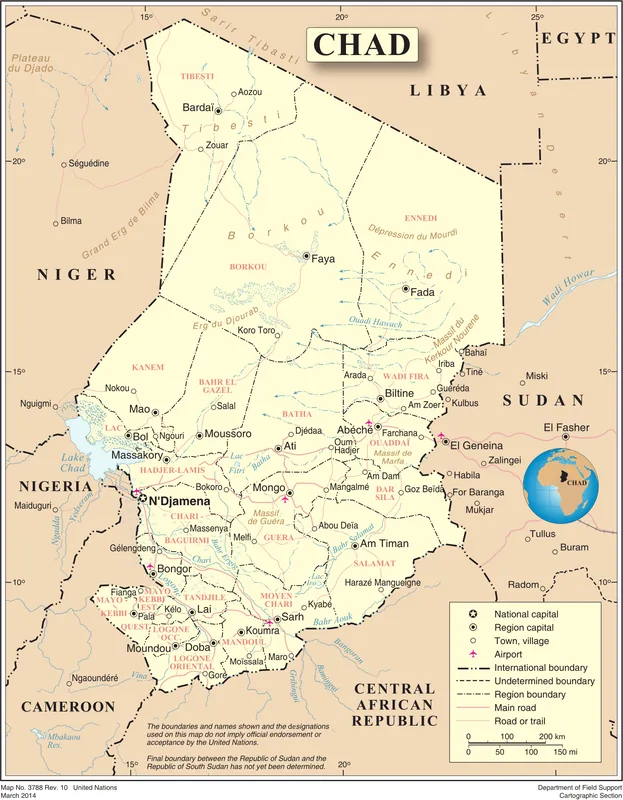
Abéché, the historic capital of the Wadai Empire in eastern Chad, has long been a central hub for camel breeding and the trade of dromedaries. The semi-arid environment of the Ouaddaï region provides convenient grazing grounds for herds adapted to the harsh conditions of the Sahel. Camel husbandry is deeply rooted in the culture of the local population, representing not just economic wealth but also social status. Historically, Abéché was a critical stopover on the caravan routes between Tripoli and Sudan, where camels served as the primary means of transport for goods like salt and textiles. The herds are often managed by nomadic communities that migrate seasonally in search of water and forage. At the local market in Abéché, camels are traded for export to neighboring countries as well as for local meat and milk production. The resilience of these animals to water scarcity makes them an indispensable livelihood for people in the east of the country amidst ongoing climate challenges.
- Location: Chad
- Top sights: Abéché · Ouaddaï (region)
- Nearby: Am Zoer (57 km)
Best time to visit & climate
The most pleasant time to visit is Jan, Nov, Dec.
| Jan | Feb | Mar | Apr | May | Jun | Jul | Aug | Sep | Oct | Nov | Dec | |
|---|---|---|---|---|---|---|---|---|---|---|---|---|
| Avg °C | 23 | 26 | 29 | 31 | 32 | 31 | 28 | 25 | 26 | 27 | 25 | 23 |
| Rain mm | 0 | 0 | 0 | 1 | 10 | 30 | 118 | 191 | 65 | 10 | 0 | 0 |
📋 Practical info
Geography
Facts
- Abéché is a historic center for trans-Saharan trade
- Dromedaries are the predominant camel species here
- Camels provide transport, meat, and milk for locals
- Herds migrate seasonally across the Ouaddaï region
- Animals are regularly exported to Libya and Sudan
- Key symbol of wealth and social standing in the east
Explore nearby
Notable places around

Route planner — Car & Motorhome
Where do you start? We build the route here, with stops and country notes along the way.
© OpenStreetMap contributors · OpenRouteService
Sights in the town Abéché Camel Herds (2)
Sights nearby
Frequently asked questions
When is the best time to see camel herds?
Can you touch the animals?
Is it allowed to photograph the herds?
Is the area around Abéché safe?
Are there guided camel tours?
Abéché Camel Herds: where is it located?
Abéché Camel Herds: what is there to see?
Abéché Camel Herds: when is the best time to visit?
Abéché Camel Herds: why is it worth visiting?

Nearby cities
More places