Plizio Visual Lab
Tarso Ourari
Weather…
Water temperature…
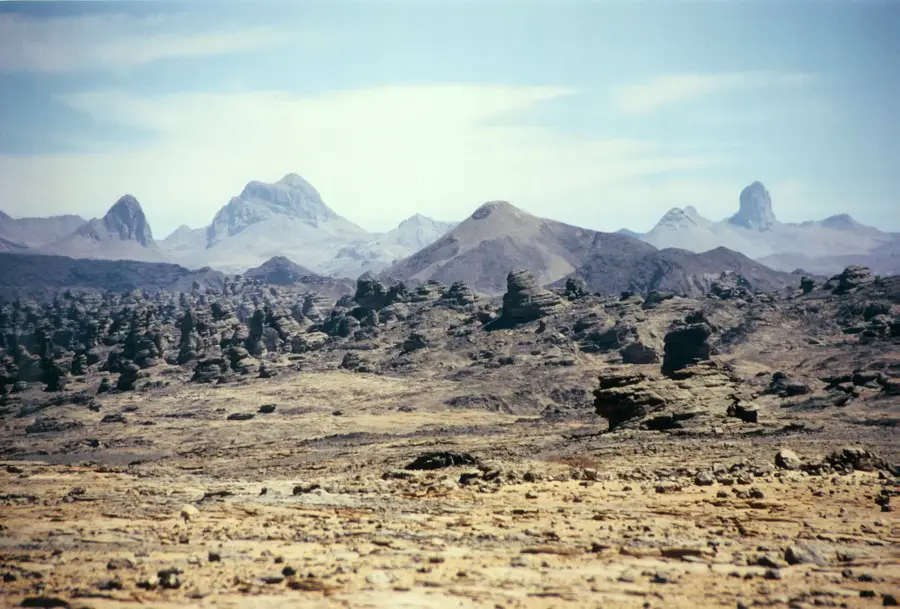
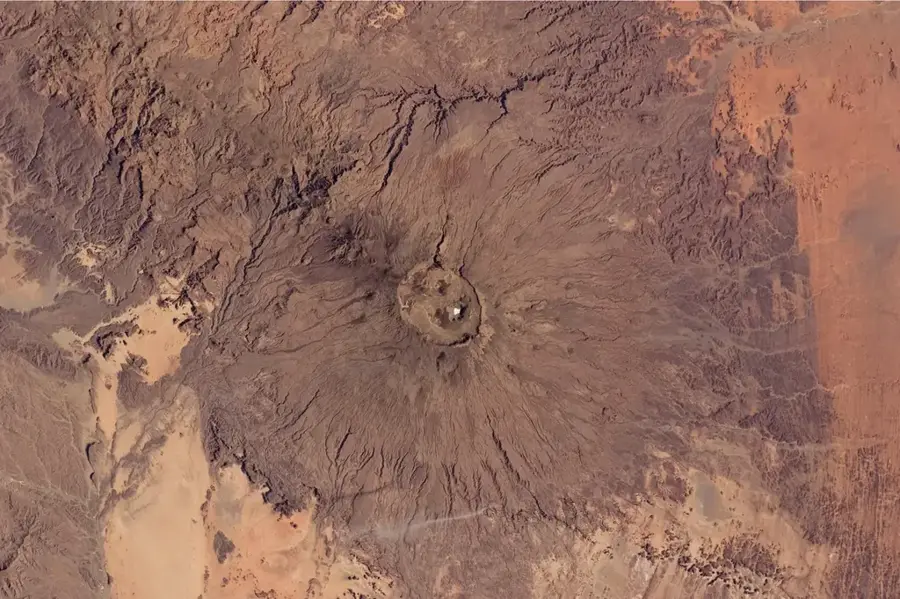
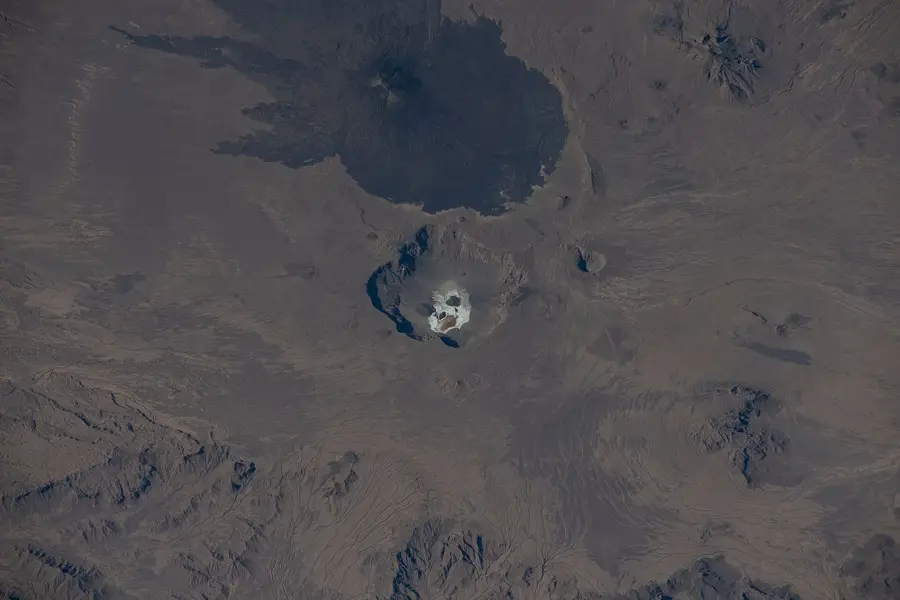
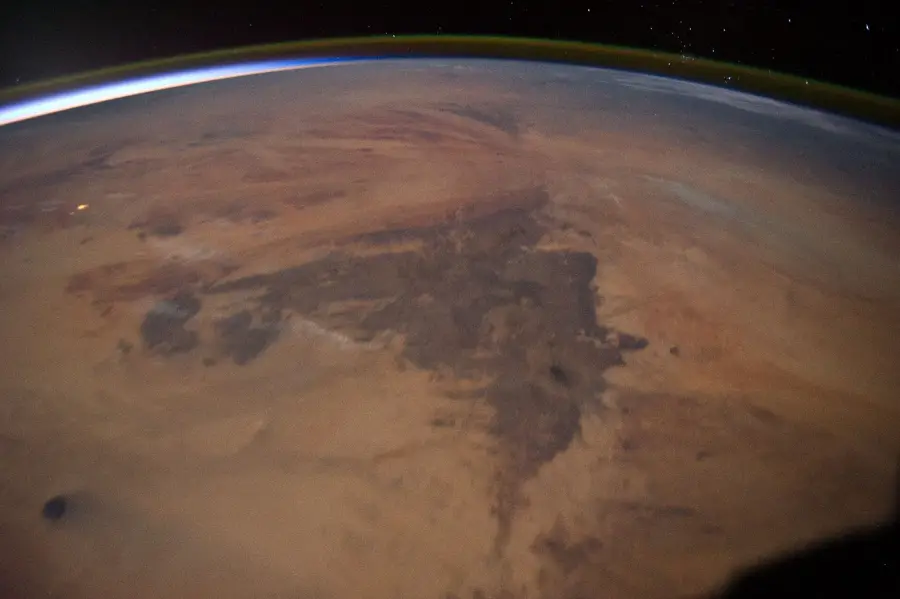
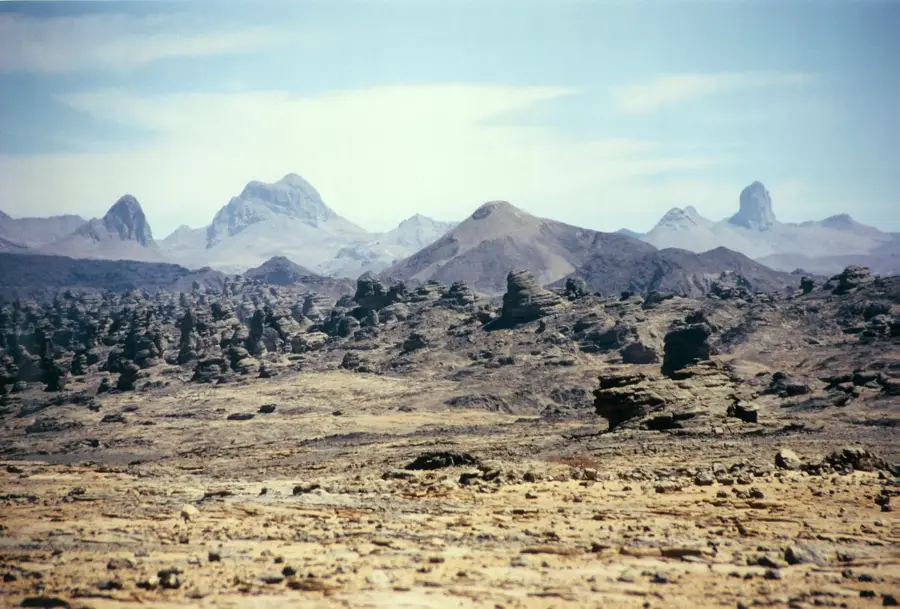
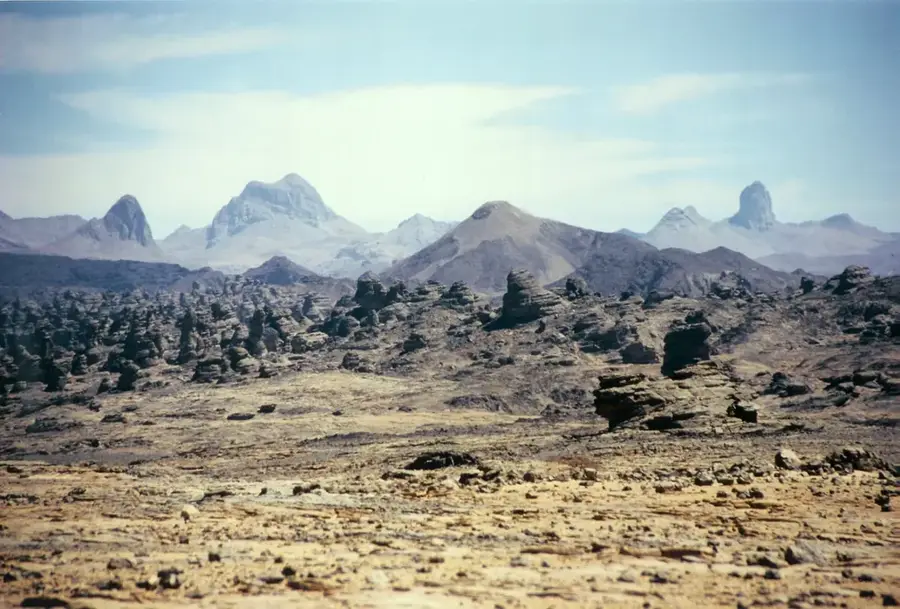
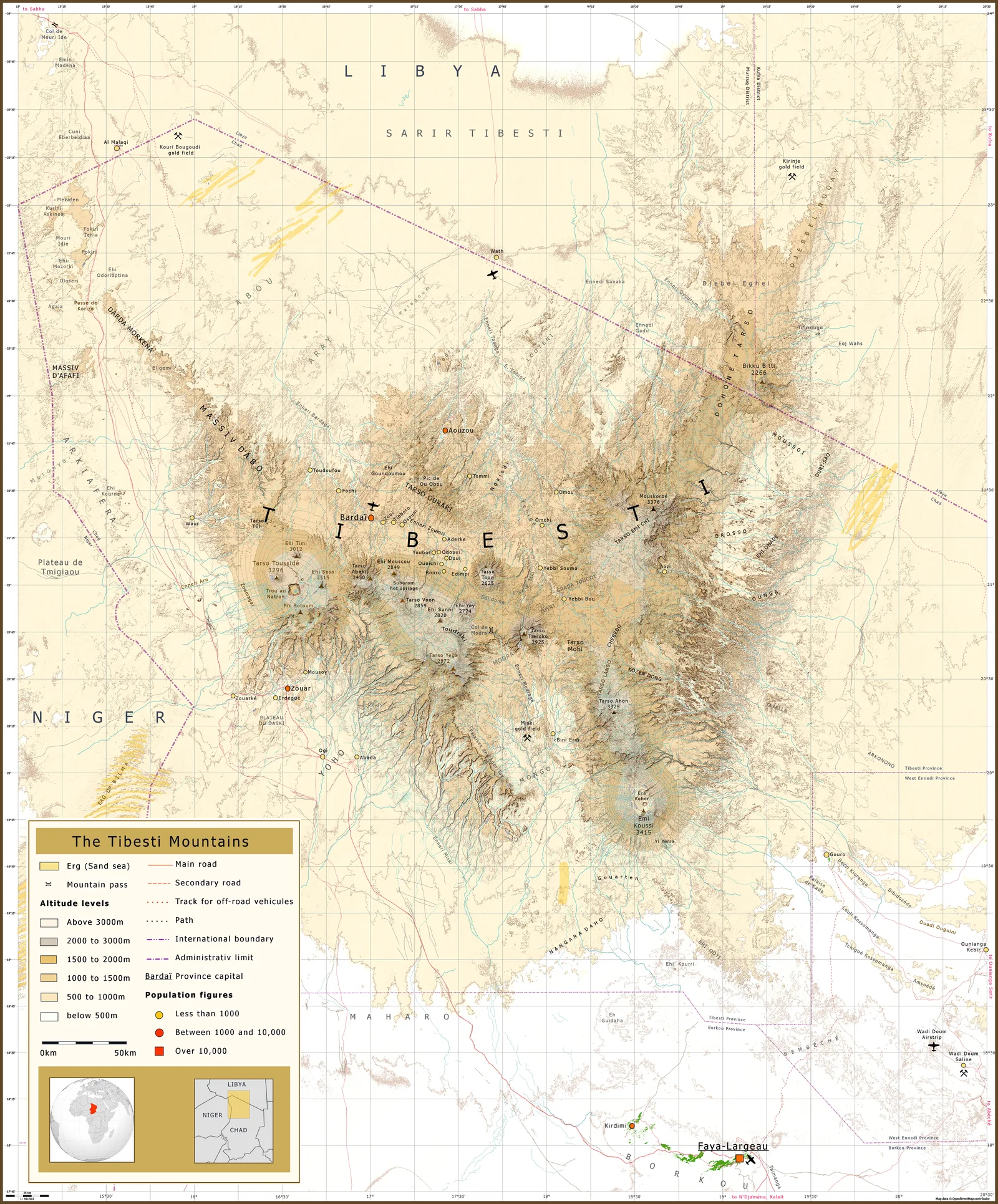
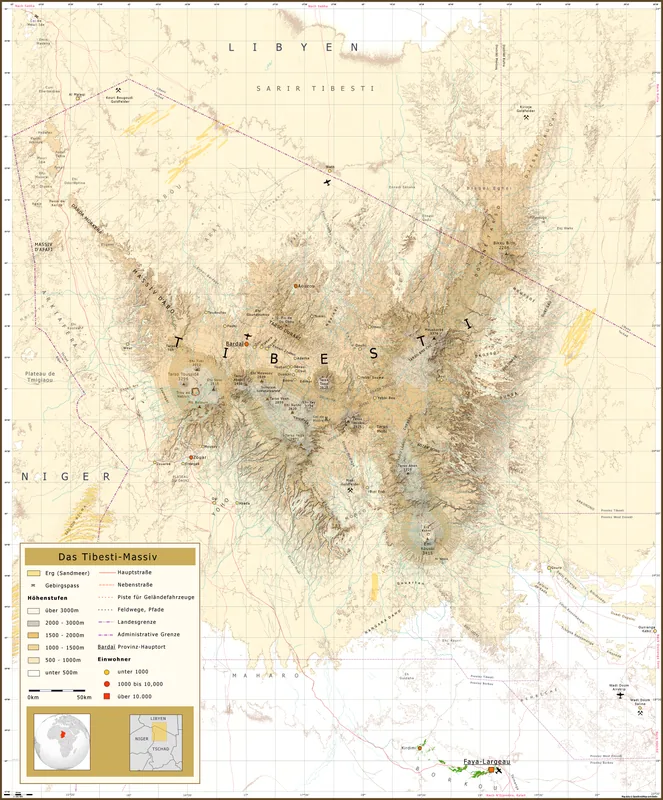
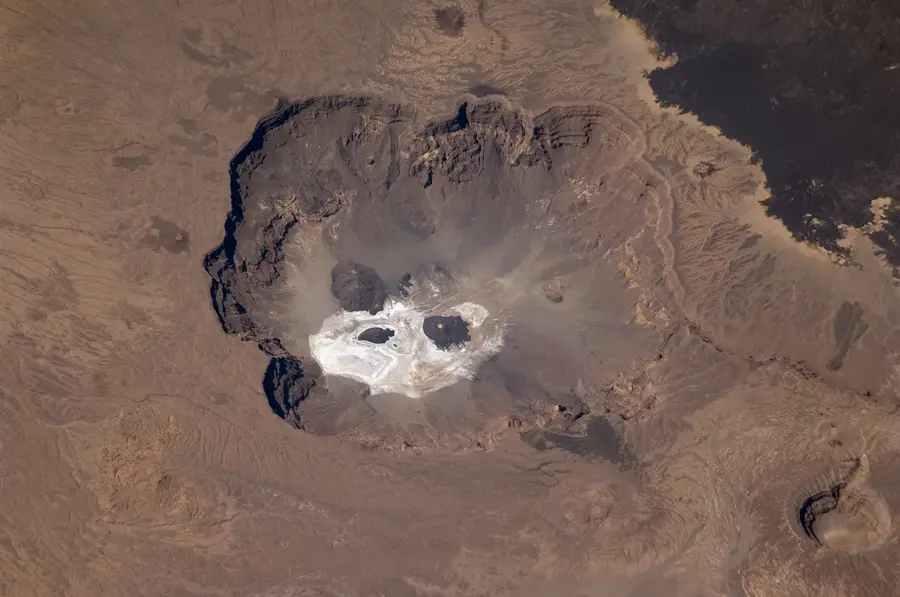
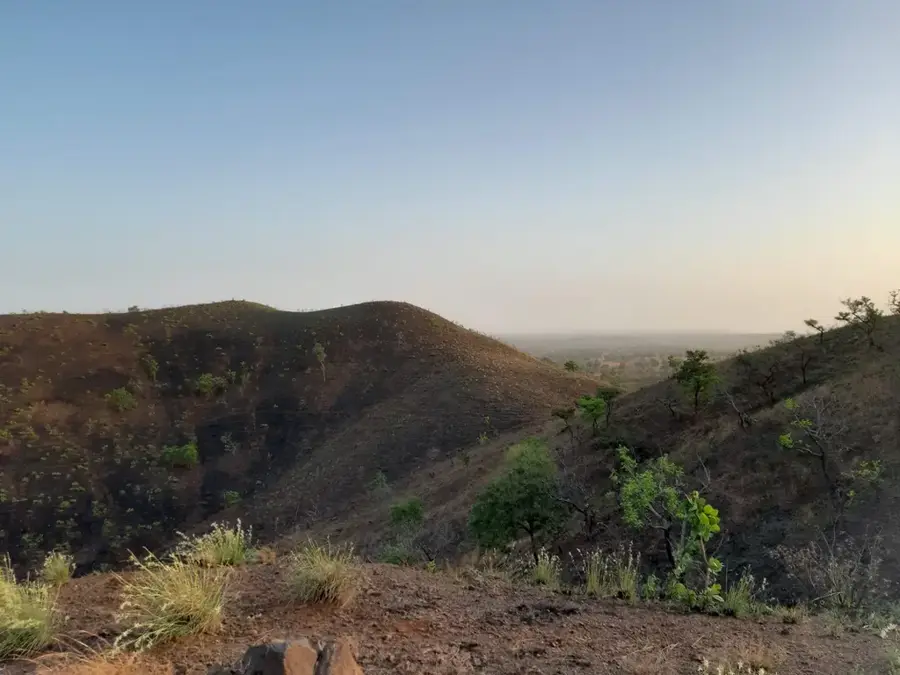
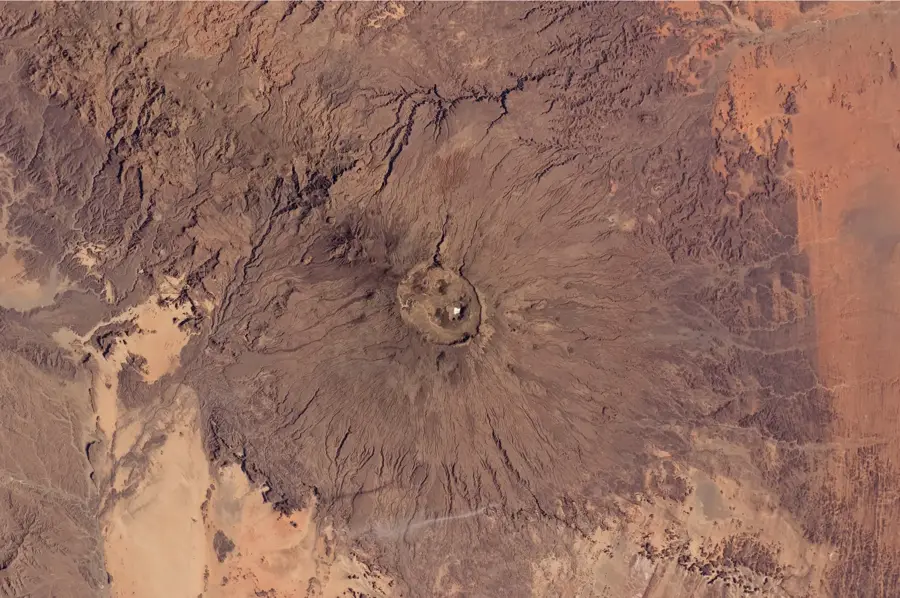
Tarso Ourari is a prominent volcanic massif located in the northern sector of the Tibesti Mountains in Chad. With its broad, often flattened summit areas, it serves as a typical example of the volcanic plateaus that characterize this region. The geological structure of Tarso Ourari is the result of prolonged volcanic activity that covered vast areas with solidified lava flows. These formations were subsequently dissected by aeolian and occasional fluvial erosion, creating a landscape of rugged beauty. The region holds strategic importance for understanding the geological history of the central Sahara. Due to extreme aridity and challenging topography, Tarso Ourari remains one of the least explored areas in the country. Vegetation is extremely sparse, limited to a few drought-resistant shrubs in sheltered locations. Significant archaeological sites are found in the vicinity, including rock art depicting scenes from a time when the Sahara was a savanna. Climatic conditions are defined by massive daily temperature fluctuations. The massif has spectacular vistas over the surrounding desert plains.
- Location: Chad
- Nearby: Bardaï (58 km)
Best time to visit & climate
The most pleasant time to visit is Mar, Oct, Nov.
| Jan | Feb | Mar | Apr | May | Jun | Jul | Aug | Sep | Oct | Nov | Dec | |
|---|---|---|---|---|---|---|---|---|---|---|---|---|
| Avg °C | 12 | 15 | 19 | 24 | 27 | 29 | 28 | 28 | 27 | 23 | 18 | 14 |
| Rain mm | 0 | 0 | 0 | 1 | 5 | 3 | 1 | 13 | 1 | 1 | 0 | 0 |
📋 Practical info
Geography
Facts
- Located in the northern part of the Tibesti Massif.
- Volcanic plateau formed by widespread lava flows.
- Shaped by intense aeolian (wind) erosion processes.
- Important site for prehistoric rock art in the region.
- Climate features extreme diurnal temperature variations.
- Virtually uninhabited due to the severe lack of water.
Explore nearby
Notable places around


Route planner — Car & Motorhome
Where do you start? We build the route here, with stops and country notes along the way.
© OpenStreetMap contributors · OpenRouteService
Sights nearby
Frequently asked questions
What makes Tarso Ourari special?
Is the area accessible for tourists?
Are special permits needed?
What dangers are there in this region?
When would a visit theoretically be best?
Tarso Ourari: where is it located?
Tarso Ourari: when is the best time to visit?
Tarso Ourari: why is it worth visiting?

Nearby cities
History & landmarks
More places