Plizio Visual Lab
Mayo-Kebbi Peanut Farms
Weather…
Water temperature…
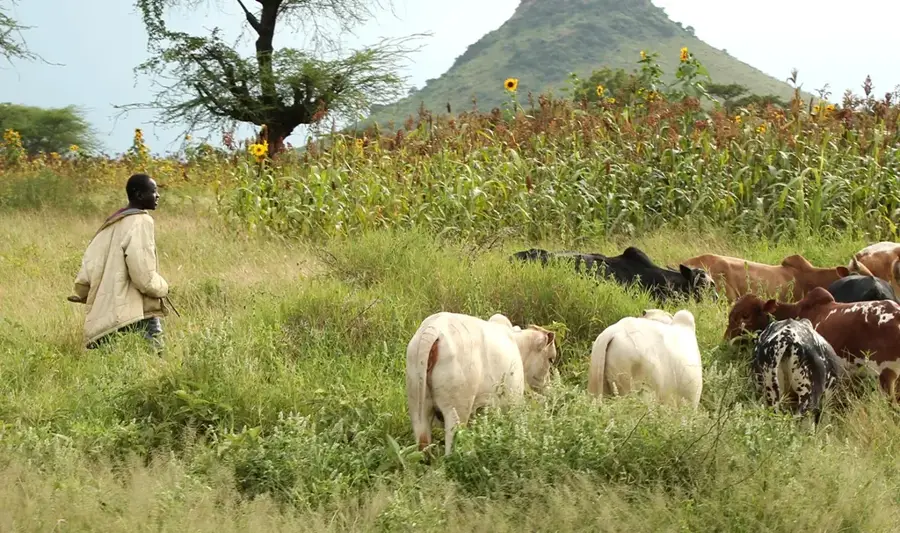
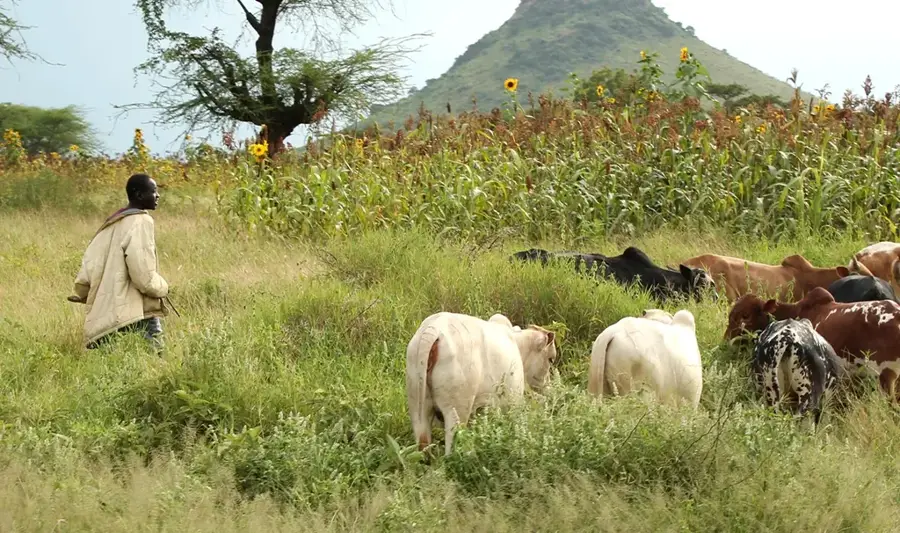
Peanut cultivation in the Mayo-Kebbi region is an essential component of Chadian agriculture, serving both local consumption and regional trade. The sandy and loose soils in the southwest of the country provide excellent conditions for peanuts (Arachis hypogaea), which are typically planted during the rainy season from June to September. Historically, peanut farming was encouraged as an alternative to cotton to diversify farmers' income sources. In Mayo-Kebbi, peanuts are not only sold as a raw commodity but are also frequently processed locally into oil or sold roasted in local markets. This crop is particularly valuable because it fixes nitrogen in the soil, enhancing fertility for subsequent crops. Fieldwork is often a communal family effort, and the harvest season in October and November marks a high point in the rural calendar. Despite a lack of mechanization, Mayo-Kebbi remains one of the most productive areas for this vital cash and food crop in Chad.
- Location: Chad
- Nearby: Bongor (26 km)
Best time to visit & climate
The most pleasant time to visit is Jan, Nov, Dec.
| Jan | Feb | Mar | Apr | May | Jun | Jul | Aug | Sep | Oct | Nov | Dec | |
|---|---|---|---|---|---|---|---|---|---|---|---|---|
| Avg °C | 26 | 29 | 32 | 34 | 32 | 30 | 27 | 26 | 26 | 27 | 28 | 26 |
| Rain mm | 0 | 0 | 1 | 15 | 65 | 108 | 175 | 214 | 145 | 39 | 2 | 0 |
📋 Practical info
Geography
Facts
- Cultivation is centered in the Mayo-Kebbi region
- Sandy soils provide ideal growing conditions
- Planting usually begins with the June rains
- The crop improves soil through nitrogen fixation
- Peanut oil is a major locally processed product
- Harvest time is traditionally October and November
Explore nearby
Notable places around

Route planner — Car & Motorhome
Where do you start? We build the route here, with stops and country notes along the way.
© OpenStreetMap contributors · OpenRouteService
Sights nearby
Frequently asked questions
Can the peanut farms be visited?
When is the harvest time?
Are there culinary peanut specialties?
Can you buy directly from the farm?
Is the area easy to travel?
Mayo-Kebbi Peanut Farms: where is it located?
Mayo-Kebbi Peanut Farms: when is the best time to visit?
Mayo-Kebbi Peanut Farms: why is it worth visiting?

Nearby cities