Plizio Visual Lab

Lakes of Ounianga
Plizio editorial teamData Sources
Lake
—°
Lakes of Ounianga (Chad)

Weather…

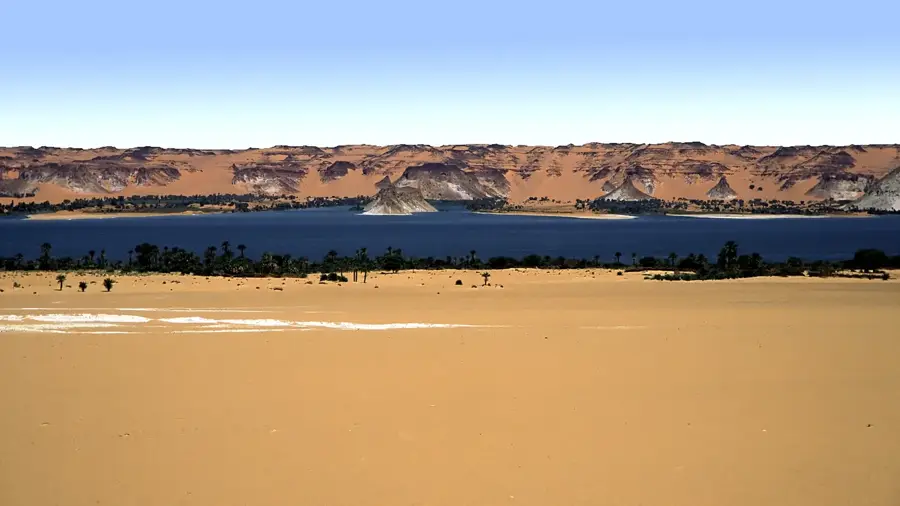
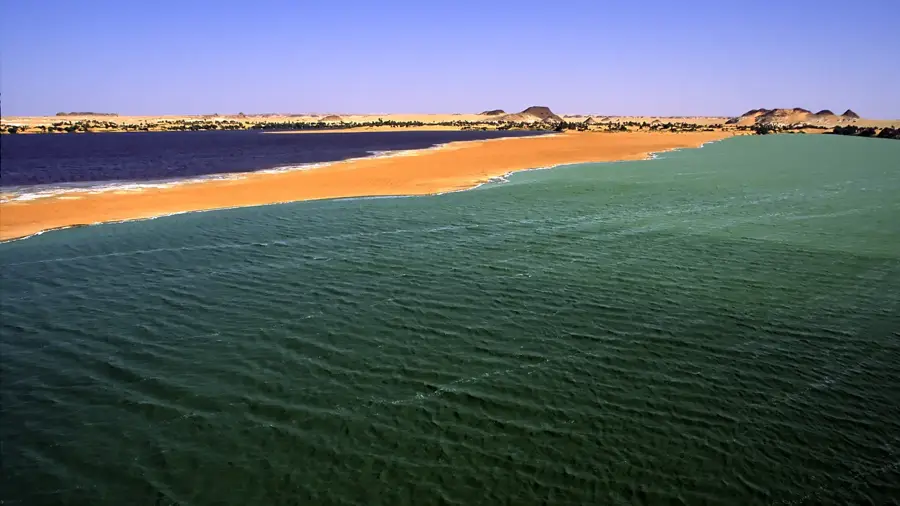
The Lakes of Ounianga consist of a series of 18 interconnected lakes located in the hyper-arid Ennedi-Ouest region of northern Chad. This extraordinary hydrological system was recognized as a UNESCO World Heritage site in 2012 for its exceptional natural beauty and unique geological history. The lakes are divided into two main groups, Ounianga Kebir and Ounianga Serir, which are separated by approximately 40 kilometers of desert sand. Remarkably, these lakes exist in a region that receives less than 2 millimeters of rainfall annually, surviving through the continuous supply of fossil water from a massive underground aquifer. The water varies from highly saline to fresh, supporting distinct biological communities in the heart of the Sahara. Lake Teli, the largest in the Ounianga Serir group, features a complex system of floating reed mats that help reduce evaporation. The site provides a rare record of the climatic history of the Sahara, as sediment layers in the lakes have preserved information about the region's transition from a green landscape to a desert over thousands of years.

Best time to visit & climate

The most pleasant time to visit is Mar, Apr, Oct.

JanFebMarAprMayJunJulAugSepOctNovDec
Avg °C121519232628282725211613
Rain mm000012261000

📋 Practical info

🧭
Getting there
Reaching this exceptionally remote UNESCO site demands a highly organized multi-day 4x4 expedition across the open Sahara, typically originating from Faya-Largeau. Independent travel is generally not feasible; you must journey with experienced local drivers and a registered tour operator.
📅
Best season
The relatively cooler winter months spanning from November to February present the only truly tolerable daytime conditions for navigating the extreme desert environment. Visiting during the height of the Saharan summer is extremely dangerous due to scorching temperatures.
⛰️
Terrain & paths
The surrounding landscape is dominated by vast, shifting sand dunes interspersed with the dramatic salt and freshwater lakes. Trekking around the water's edge involves wading through deep, soft sand which demands significant physical exertion.
🎒
What to bring
High-grade UV sunglasses, expansive sun hats, and lightweight, fully covering clothing are critical defense mechanisms against the fierce desert sun. You must carry specialized camping equipment, emergency communication devices, and an immense surplus of drinking water.
🅿️
Parking
There are no constructed facilities; expedition vehicles are essentially parked directly on the sand at the edge of the lakes near your designated desert encampment. Your convoy must be fully equipped with sand tracks and heavy-duty recovery gear.
⚠️
Safety
Travel in this northern territory requires strict adherence to governmental security protocols, often involving advance permits and sometimes official military escorts. Staying properly hydrated and never wandering out of sight of your camp are critical survival rules.
⏱️
Time needed
Explorers typically dedicate two to three days specifically to touring the various lakes as a highlight of a broader desert expedition. This pacing allows sufficient time to witness the incredible shifting colors of the water at both dawn and dusk.

Geography

Coordinates
20.50000, 19.00000

Facts

  • Listed as a UNESCO World Natural Heritage site since 2012.
  • The system comprises a total of 18 natural lakes.
  • Annual rainfall in the region is less than 2 millimeters.
  • Water supply originates from the Nubian Sandstone Aquifer.
  • Divided into Ounianga Kebir and Ounianga Serir groups.
  • Lake Teli reaches a maximum depth of 27 meters.

Explore nearby

Notable places around
Route planner — Car & Motorhome

Where do you start? We build the route here, with stops and country notes along the way.

Vehicle
Only stops with (optional):

© OpenStreetMap contributors · OpenRouteService

Sights nearby

Frequently asked questions

Why are the Lakes of Ounianga world-famous?
They are a UNESCO World Heritage site, famous for their intense blue color in the desert.
Are you allowed to swim in the lakes?
Swimming is strictly forbidden in many of these highly sensitive waters to protect the ecosystem.
Are there guided tours?
Yes, tours must be booked through registered travel agencies.
What is the ideal local transport?
A reliable 4x4 vehicle is essential as there are hardly any paved roads.
When is the best time to visit?
The winter period from December to February is the most pleasant for visiting.
Lakes of Ounianga: where is it located?
Lakes of Ounianga is located in Chad.
Lakes of Ounianga: when is the best time to visit?
The most pleasant time to visit is Mar, Apr, Oct.
Lakes of Ounianga: why is it worth visiting?

The Lakes of Ounianga consist of a series of 18 interconnected lakes located in the hyper-arid Ennedi-Ouest region of northern Chad.
View on map → The Top 50 Attractions → OpenStreetMap →
Africa
Explore with Plizio Discover more places in Africa
More places in Chad →

Nature

More places