Plizio Visual Lab

Awwam Temple
Plizio editorial teamData Sources
ruin
—°3
Awwam Temple (Yemen)

Weather…

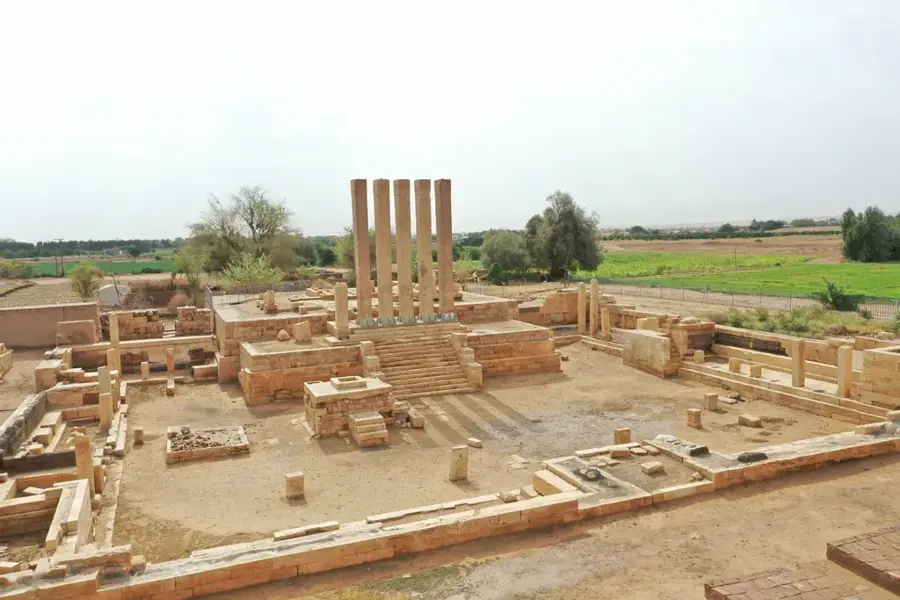
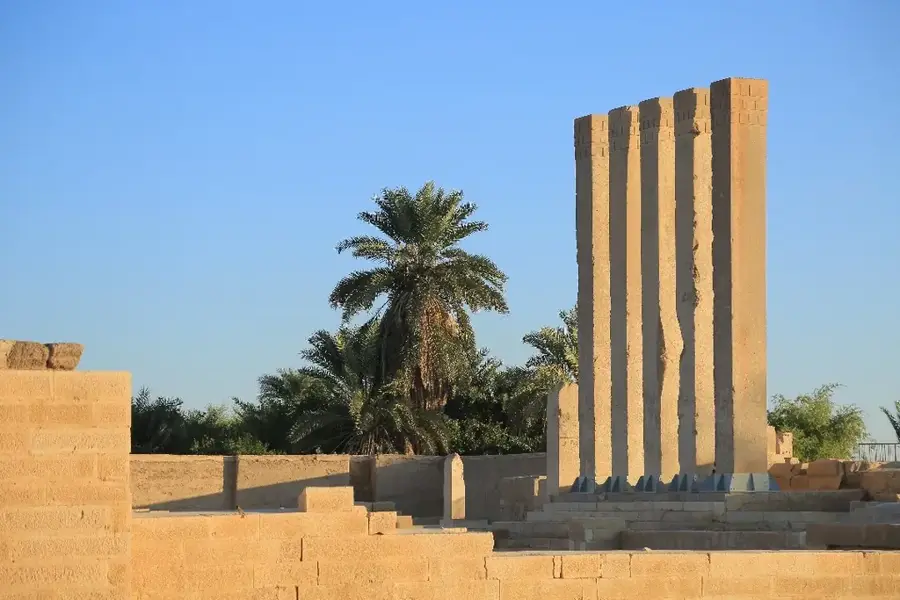
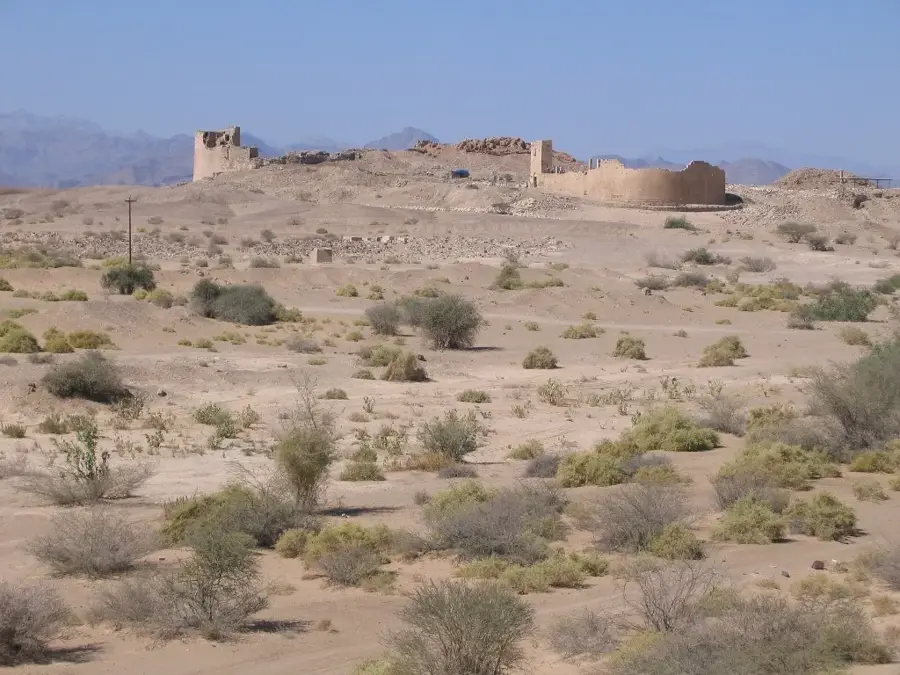
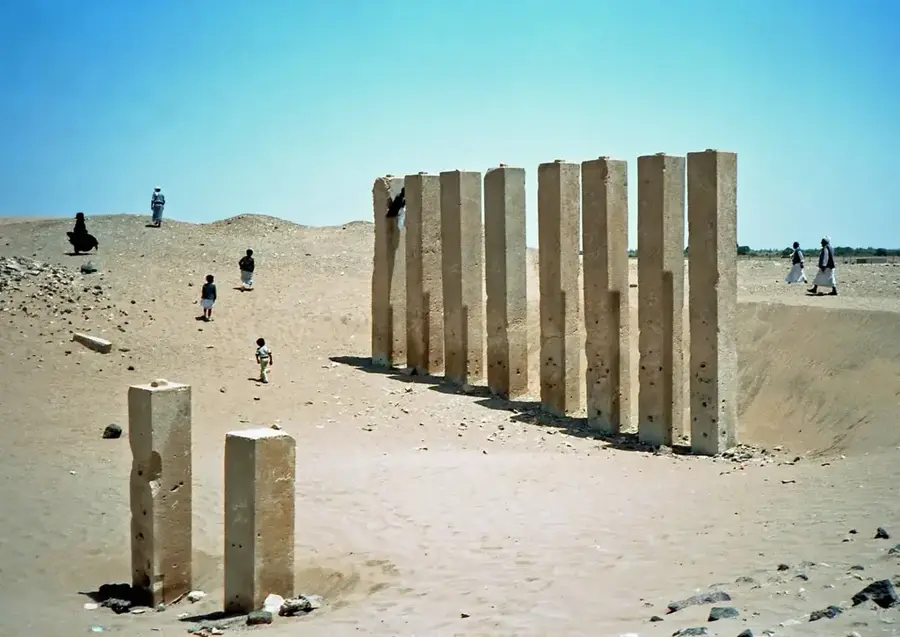
The Awwam Temple, also known as Mahram Bilqis, was the most significant religious center of the Sabaean Kingdom, located near the ancient capital of Marib. Dedicated to the chief deity Almaqah, it served as a major pilgrimage site for people across South Arabia for centuries. The monumental complex is characterized by its massive oval enclosure wall, extending over 100 meters and built from precision-cut limestone blocks. Archaeological excavations have revealed magnificent inscriptions, bronze statues, and an imposing peristyle hall featuring eight massive pillars. The temple remained in active use from the early 1st millennium BCE until the decline of the Sabaean civilization in the 4th century CE. The extensive inscriptions found on its walls provide invaluable data regarding Sabaean genealogy, history, and religious practices. Much of the site was buried under desert sands for centuries, which aided in its preservation but made excavation challenging. Today, it stands as a testament to the grandeur and wealth of the legendary Queen of Sheba's realm.

Best time to visit & climate

The most pleasant time to visit is Jan, Feb, Nov.

JanFebMarAprMayJunJulAugSepOctNovDec
Avg °C192225283032333330252219
Rain mm013530361210

📋 Practical info

🚪
Visiting
The ruins of the Awwam Temple near Marib stand as a monumental open-air archaeological site, reflecting the immense religious significance of the Sabaean Kingdom. However, due to ongoing geopolitical instability and security concerns in the region, conventional tourism is currently severely restricted or entirely halted.
🕒
Typical hours
Given its status as an exposed archaeological site in a highly volatile region, there are typically no official or standardized operating hours. Any potential access, assuming it is deemed safe at all, usually must be negotiated locally and typically requires professional security arrangements.
📷
Photography
The surviving monolithic pillars and monumental stone blocks rising from the desert sands create striking and evocative photographic subjects. Extreme caution must be exercised, as wielding cameras in zones with heightened security sensitivities can frequently arouse local suspicion or draw unwanted attention.
⏱️
Time needed
Time spent on the ground, assuming security protocols allow for a visit, is usually restricted to a very brief survey lasting less than an hour. This brevity is largely dictated by the complete lack of visitor infrastructure and the necessity of minimizing exposure in unpredictable environments.
Combine with
In theory, exploring the sanctuary pairs logically with the ruins of the Great Dam of Marib and the historic mud-brick old city. In practice, attempting any combined itinerary is entirely dependent on daily security clearances and the strict guidance of local fixers or military escorts.
🧭
Getting there
Journeying to Marib and subsequently to the temple site demands meticulous logistical planning, specialized government permits, and mandatory local facilitation. Attempting to access the area independently is highly ill-advised due to numerous military checkpoints and shifting conflict lines.
💡
Insider tip
If you do find yourself traveling in this sensitive region, maintaining constant communication with trusted local fixers and professional security advisors is absolutely paramount. Never rely on outdated travel guides; continuous situational awareness and real-time intelligence are crucial.

Geography

Coordinates
15.40330, 45.35330

Facts

  • Most important Sabaean sanctuary, located near Marib
  • Dedicated to Almaqah, the chief deity of the Sabaeans
  • Famous for its massive oval-shaped enclosure wall
  • Features a hall with eight characteristic stone pillars
  • Major source of ancient Sabaean historical inscriptions
  • In use from the 1st millennium BCE to the 4th century CE

Explore nearby

Notable places around
Route planner — Car & Motorhome

Where do you start? We build the route here, with stops and country notes along the way.

Vehicle
Only stops with (optional):

© OpenStreetMap contributors · OpenRouteService

Sights in the town Awwam Temple (3)

Haram Bilqis🏺 historical

These ruins, also known as the 'Sanctuary of Bilqis', are a central part of ancient Sabean sacred architecture.

Athar Marib🏺 historical

Extensive archaeological ruins of the ancient capital Marib, which was famous for its advanced irrigation system.

Awam Tempel📍 landmark

This ancient sanctuary (Mahram Bilqis) features an oval enclosure and eight iconic standing stone pillars.

Sights nearby

Frequently asked questions

What is the Awam Temple?
A significant sanctuary of the ancient Sabaean kingdom.
Can one visit the ruins?
Currently, a visit is not possible due to the security situation.
What is special about the architecture?
It is characterized by monumental pillars and ancient inscriptions.
Is photography allowed?
In the case of a guided tour, this is usually possible.
Is the site family-friendly?
It is an archaeological site with no tourist infrastructure.
Awwam Temple: where is it located?
Awwam Temple is located in Yemen.
Awwam Temple: what is there to see?
Highlights include Haram Bilqis, Athar Marib, Awam Tempel.
Awwam Temple: when is the best time to visit?
The most pleasant time to visit is Jan, Feb, Nov.
Awwam Temple: why is it worth visiting?

The Awwam Temple, also known as Mahram Bilqis, was the most significant religious center of the Sabaean Kingdom, located near the ancient capital of Marib.
View on map → The Top 50 Attractions → OpenStreetMap →
Asia
Explore with Plizio Discover more places in Asia
More places in Yemen →

Nearby cities

History & landmarks

Nature
More places