Plizio Visual Lab
Marib
ℹ️Practical info — Marib
▾
🌤 Weather — 5 days
📍 Nearby
Sights nearby
💡 Tips
- Marib has a complex security situation; visiting requires coordination with local authorities or trusted local fixers.
- Dress very conservatively, respecting local tribal and Islamic traditions.
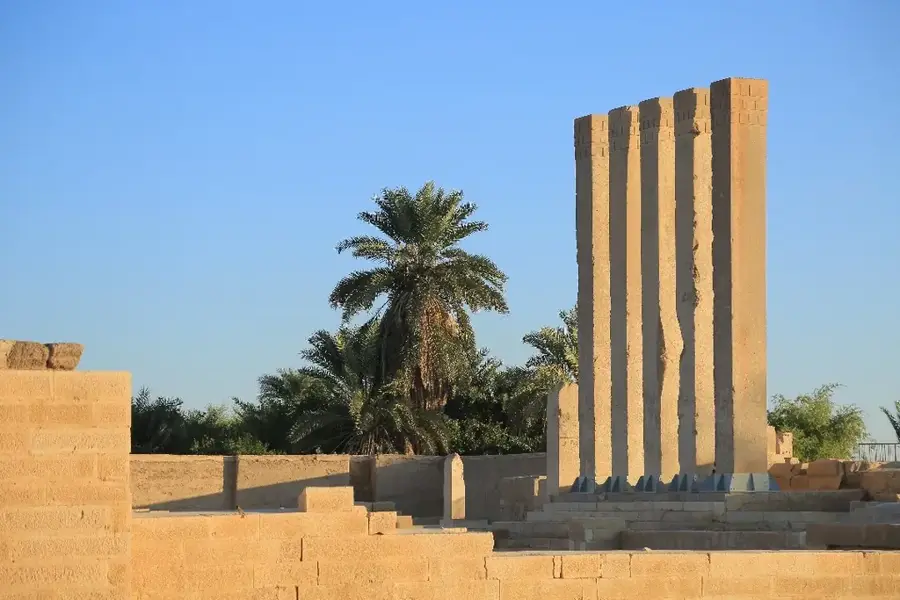
- The ruins of the ancient Sabaean Kingdom, like the Awam Temple, are best photographed in the golden hour light.
- Summers are scorching; start your day at dawn and rest during the afternoon heat.
- Bottled water is essential, as tap water is not safe for drinking.
🍽 Food
The traditional Yemeni meat and fenugreek stew, served bubbling hot in city center restaurants.
Tender meat slow-cooked in a tandoor with rice, a local staple.
A sweet honey cake served as a meal centerpiece, found in traditional homes or large dining halls.
🛍 Shopping · 🧘 Quiet spots
Explore the market for traditional spices, frankincense, and myrrh.
Local daggers are sold here, but beware of international customs restrictions.
A serene lake offering a stark contrast to the surrounding desert.
A very quiet, atmospheric archaeological site at sunrise.
Water temperature…
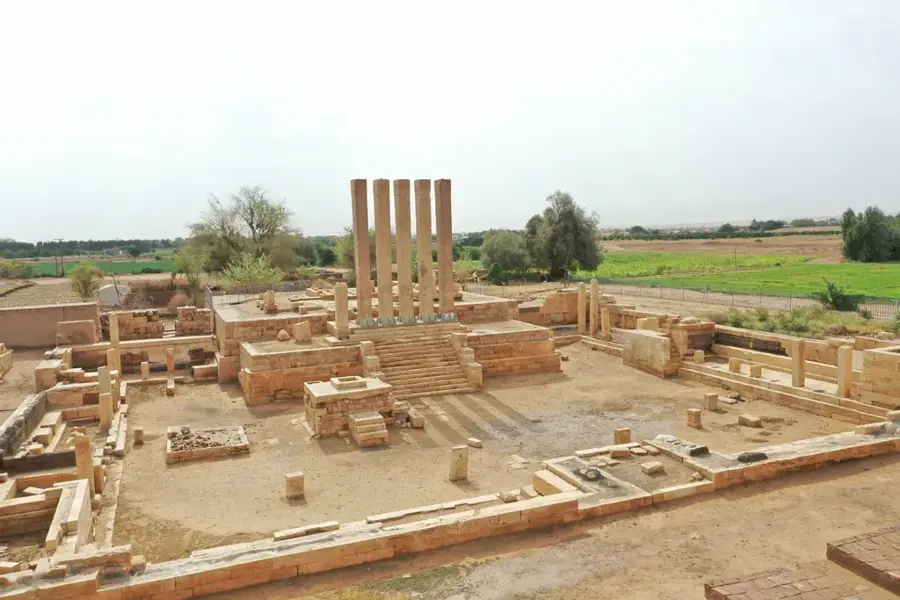
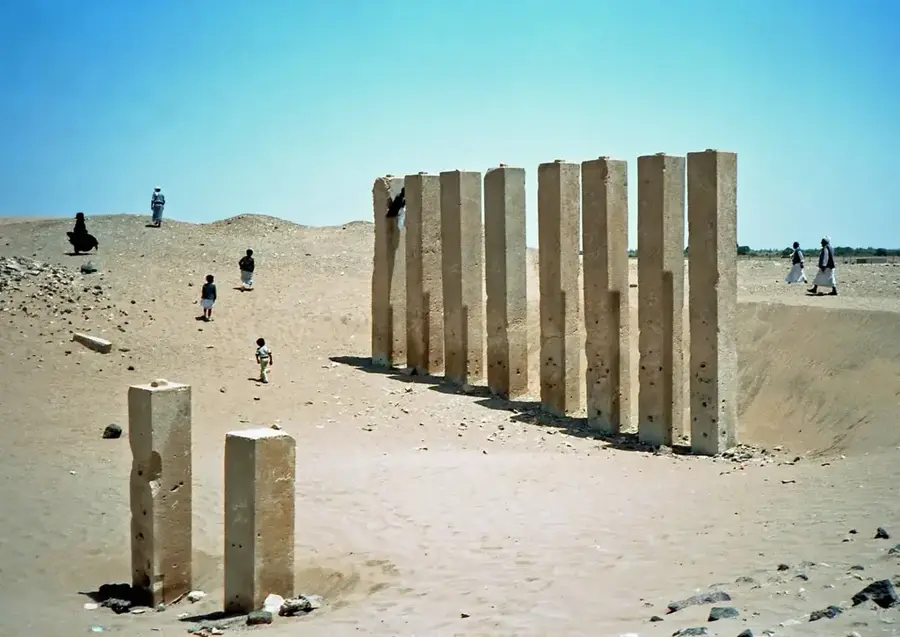
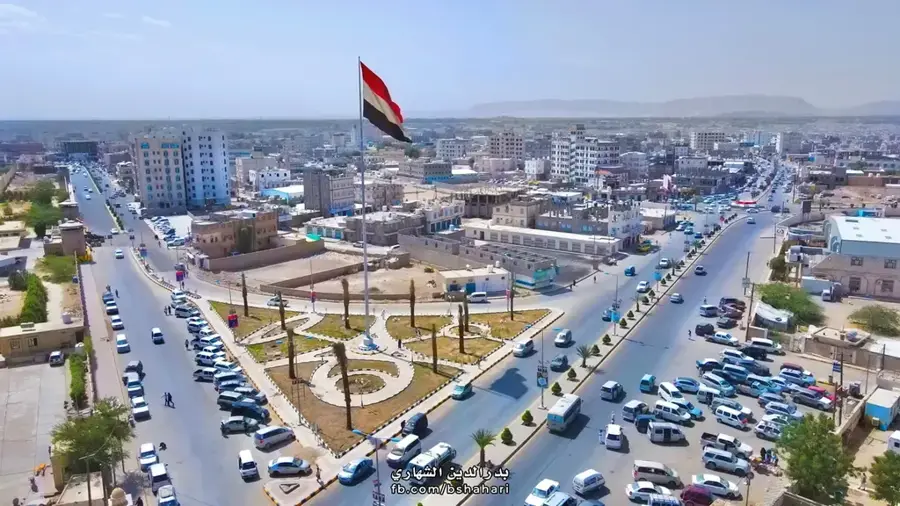
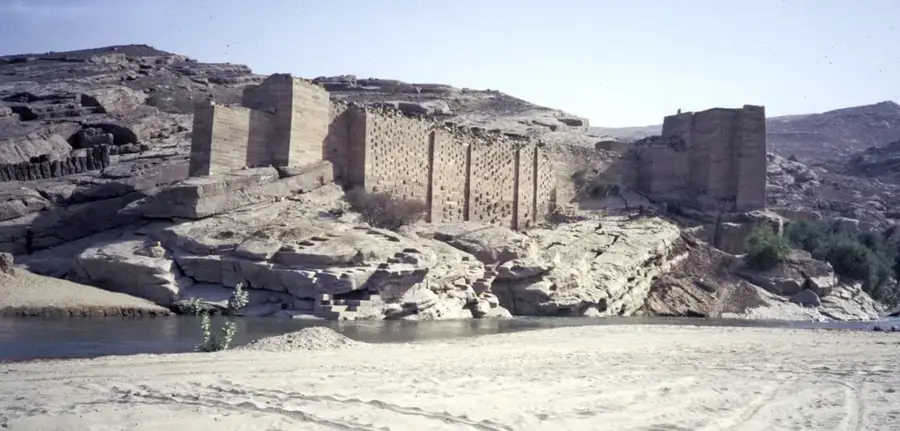
Marib is one of the most historically significant cities in the Arab world, famously known as the ancient capital of the Sabaean Kingdom. Located on the eastern edge of the Yemeni highlands, it served as the political and economic hub of the biblical Queen of Sheba's empire. The city's prosperity was built on the lucrative frankincense trade and the engineering marvel of the Great Dam of Marib. This ancient structure, dating back to the 8th century BCE, harnessed seasonal floodwaters to irrigate a vast oasis, earning the region the title of 'Arabia Felix' or Happy Arabia. Notable archaeological sites include the Temple of Barran (Throne of Bilqis) and the Temple of Awwam, which feature monumental stone pillars and intricate Sabaean inscriptions. In the late 20th century, Marib transitioned into Yemen's industrial powerhouse following the discovery of significant oil and gas reserves. The Marib refinery and the associated pipeline system are crucial components of the nation's economy. A modern dam was inaugurated in 1986, funded by Sheikh Zayed of the UAE, whose ancestors trace their lineage back to the Sabaeans. In recent years, Marib has transformed from a quiet provincial town into a major urban center, hosting over two million internally displaced persons seeking safety. This influx has spurred rapid commercial growth but also placed immense pressure on local resources. Marib remains a beacon of ancient heritage and a pivotal player in Yemen's modern political and economic landscape.
- Location: Yemen
- Top sights: Wadi Gufaina · Marib
- Nearby: Rada'a (90 km)
- Population: ~16.794 (2026)
Best time to visit & climate
The most pleasant time to visit is Jan, Feb, Nov.
| Jan | Feb | Mar | Apr | May | Jun | Jul | Aug | Sep | Oct | Nov | Dec | |
|---|---|---|---|---|---|---|---|---|---|---|---|---|
| Avg °C | 19 | 22 | 25 | 28 | 30 | 32 | 33 | 33 | 30 | 25 | 22 | 19 |
| Rain mm | 0 | 1 | 3 | 5 | 3 | 0 | 3 | 6 | 1 | 2 | 1 | 0 |
Geography
Facts
- Marib was the center of the Sabaean civilization from 1200 BCE to 275 CE.
- The ancient dam was reinforced by King Dhamar Ali Watar in the 5th century BCE.
- Marib is home to the largest oil field in Yemen, the Safer field.
- The Throne of Bilqis temple is dedicated to the moon god Almaqah.
- The city's historical sites were added to the UNESCO World Heritage list in 2023.
- Modern Marib is located roughly 120 kilometers east of Sana'a.
- The new dam was completed in 1986 and covers an area of 30 square kilometers.
- Marib remains a major hub for Yemen's electrical power grid.
Explore nearby
Notable places around

Route planner — Car & Motorhome
Where do you start? We build the route here, with stops and country notes along the way.
© OpenStreetMap contributors · OpenRouteService
Sights in the town Marib (2)
Frequently asked questions
How much time is needed to visit Marib?
When is the best time to travel to Marib?
Are the archaeological sites in Marib safe?
Are there guided tours in Marib?
Can you take photos in Marib?
Marib: where is it located?
Marib: what is there to see?
Marib: when is the best time to visit?
Marib: why is it worth visiting?
Nearby cities
History & landmarks
Nature
More places