Plizio Visual Lab

Sierra de San Luis
Plizio editorial teamData Sources
Mountain
—°4
Sierra de San Luis (Venezuela)

Weather…

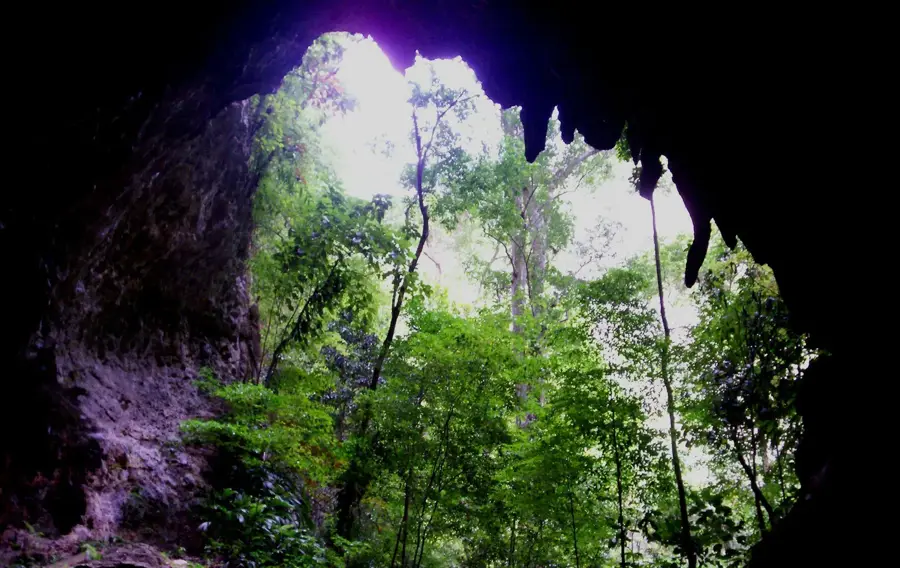
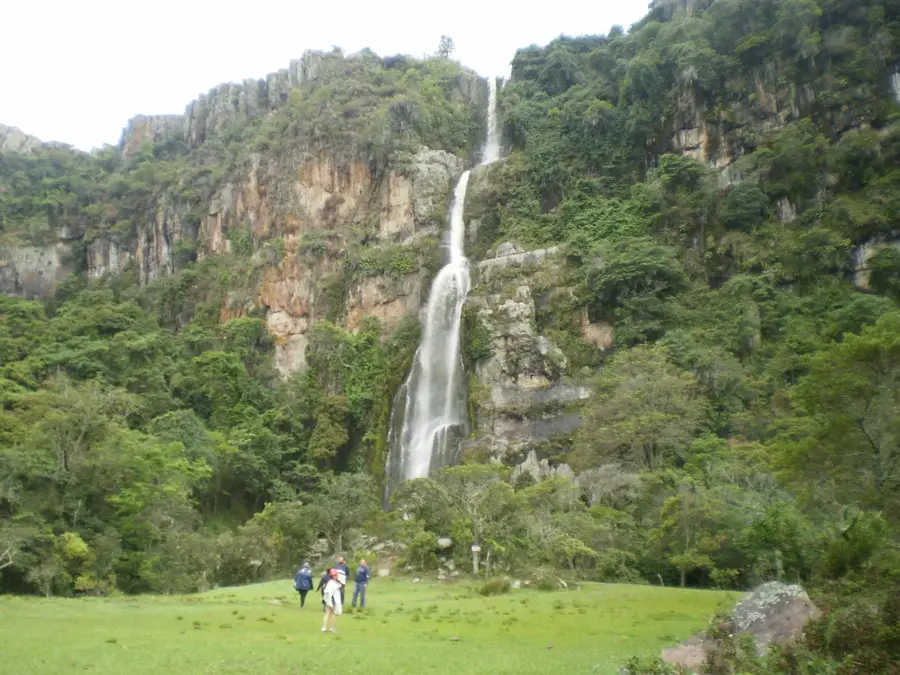
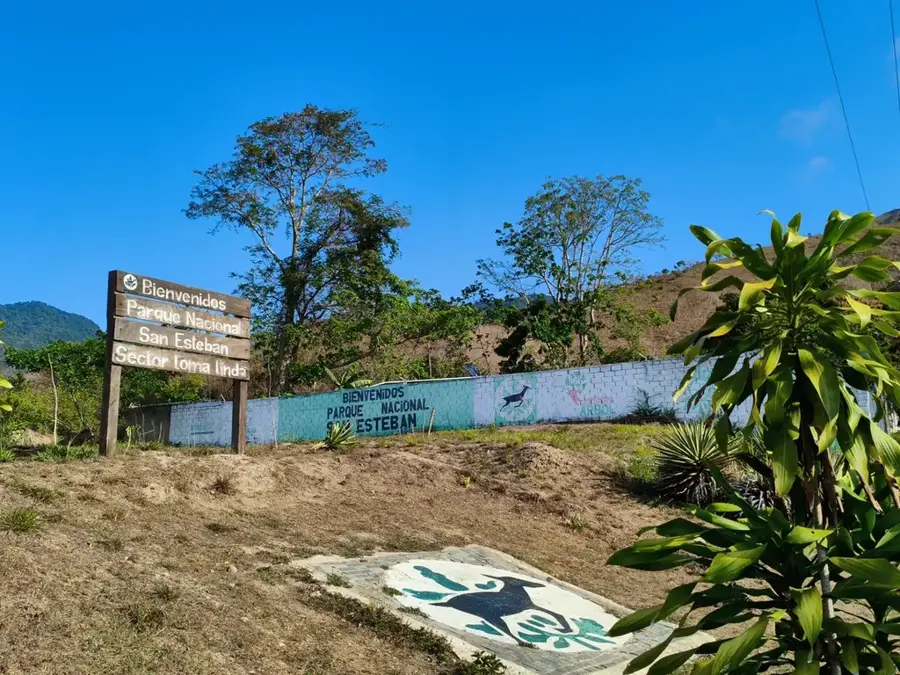
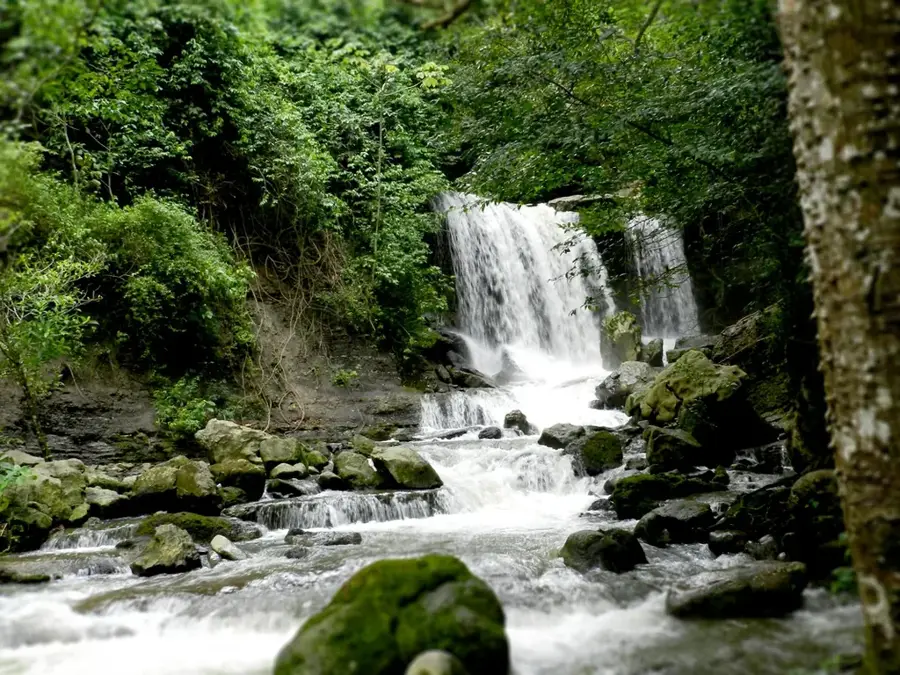
The Sierra de San Luis is a middle-altitude mountain range in Falcón State, northwestern Venezuela, forming the core of the Juan Crisóstomo Falcón National Park. Reaching heights of up to 1,500 meters, the range is characterized by a complex karst relief formed by the chemical weathering of limestone. This geological composition has led to the creation of numerous caves and sinkholes, including the famous 'Haitón del Guarataro,' Venezuela's deepest vertical shaft at over 300 meters. The range functions as a 'biological island' within the otherwise arid Falcón region, intercepting moist trade winds to sustain dense cloud forests. These forests are vital for the water supply of the Paraguaná Peninsula and the city of Coro, as they host the headwaters of important rivers like the Mitare. Historically, the Sierra served as a sanctuary for resistance fighters during the Federal War in the 19th century. Today, it is a significant hub for ecotourism and scientific research in speleology and botany.

Best time to visit & climate

The most pleasant time to visit is Jan–Mar.

JanFebMarAprMayJunJulAugSepOctNovDec
Avg °C252526272727272728272625
Rain mm251715284444454950877947

📋 Practical info

🧭
Getting there
The Sierra de San Luis is easily accessible via the main road from Coro, which winds up into the mountains in numerous curves. There are regular public transport connections or collective taxis to central towns like Cabure or La Tabla.
📅
Best season
The cool-humid region is attractive year-round, but the months from December to April offer slightly less rainfall. As the mountains act as a moisture trap, travelers should expect light drizzle almost daily, even during the official dry season.
⛰️
Terrain & paths
The landscape consists of lush cloud forests, limestone formations, and deep vertical cave shafts known as 'haitones'. Hiking trails are often narrow, stony, and can be extremely slippery due to the constant humidity prevalent in the Sierra.
🎒
What to bring
Waterproof hiking boots and breathable rain gear are indispensable due to the humid microclimate. Binoculars for birdwatching and a light fleece jacket for the cooler temperatures at higher altitudes should also be included in your gear.
🅿️
Parking
Parking facilities can be found in the villages of Cabure or Curimagua, often directly at the central squares. Many accommodations in the region also offer their own secured parking areas for guests, which is recommended for longer treks.
⚠️
Safety
Special caution is required near the deep vertical shafts (haitones), which are often hidden by vegetation and pose a fall hazard. One should always stay on marked trails and take care not to lose orientation during periods of dense fog.
⏱️
Time needed
One to two days are sufficient for a good overview of the region's flora and fauna. For more extensive hikes to waterfalls or deeper into the karst areas, you should budget three days to enjoy the cool mountain air at a leisurely pace.

Geography

Coordinates
11.16800, -69.65800

Facts

  • Highest elevation is approximately 1,500 meters.
  • Home to the 305-meter-deep Haitón del Guarataro shaft.
  • Part of the Juan Crisóstomo Falcón National Park (est. 1987).
  • Most important water source for Falcón State.
  • Composed primarily of Tertiary limestone.
  • Annual rainfall reaches up to 1,500 mm.

Explore nearby

Notable places around
Route planner — Car & Motorhome

Where do you start? We build the route here, with stops and country notes along the way.

Vehicle
Only stops with (optional):

© OpenStreetMap contributors · OpenRouteService

Sights in the town Sierra de San Luis (4)

El haitón del Guarataro🌿 nature

This impressive karst cave in the Sierra de San Luis is considered Venezuela's deepest vertical shaft, exceeding 300 meters in depth.

Salón del Reino de los Testigos de Jehová📍 landmark

A local meeting hall for Jehovah's Witnesses in the mountainous Sierra de San Luis region.

Iglesia Misionera Evangélica de la Sierra📍 landmark

An evangelical missionary church operating in the rural highland region of the Sierra de San Luis.

Iglesia Nuestra Señora de Las Mercedes📍 landmark

A rural Catholic church dedicated to Our Lady of Mercy, located in the Sierra de San Luis mountains.

Sights nearby

Frequently asked questions

What characterizes the Sierra de San Luis?
A cooler climate and impressive cave systems.
Are the caves open for tourists?
Yes, some can be visited with local guides.
Is it very hot there?
No, the Sierra provides a pleasant cooling.
What is the best season?
Visit all year round, but dry is better.
Are there hiking trails there?
Yes, there are many beautiful routes through the mountains.
Sierra de San Luis: where is it located?
Sierra de San Luis is located in Venezuela.
Sierra de San Luis: what is there to see?
Highlights include El haitón del Guarataro, Salón del Reino de los Testigos de Jehová, Iglesia Misionera Evangélica de la Sierra.
Sierra de San Luis: when is the best time to visit?
The most pleasant time to visit is Jan, Mar.
Sierra de San Luis: why is it worth visiting?
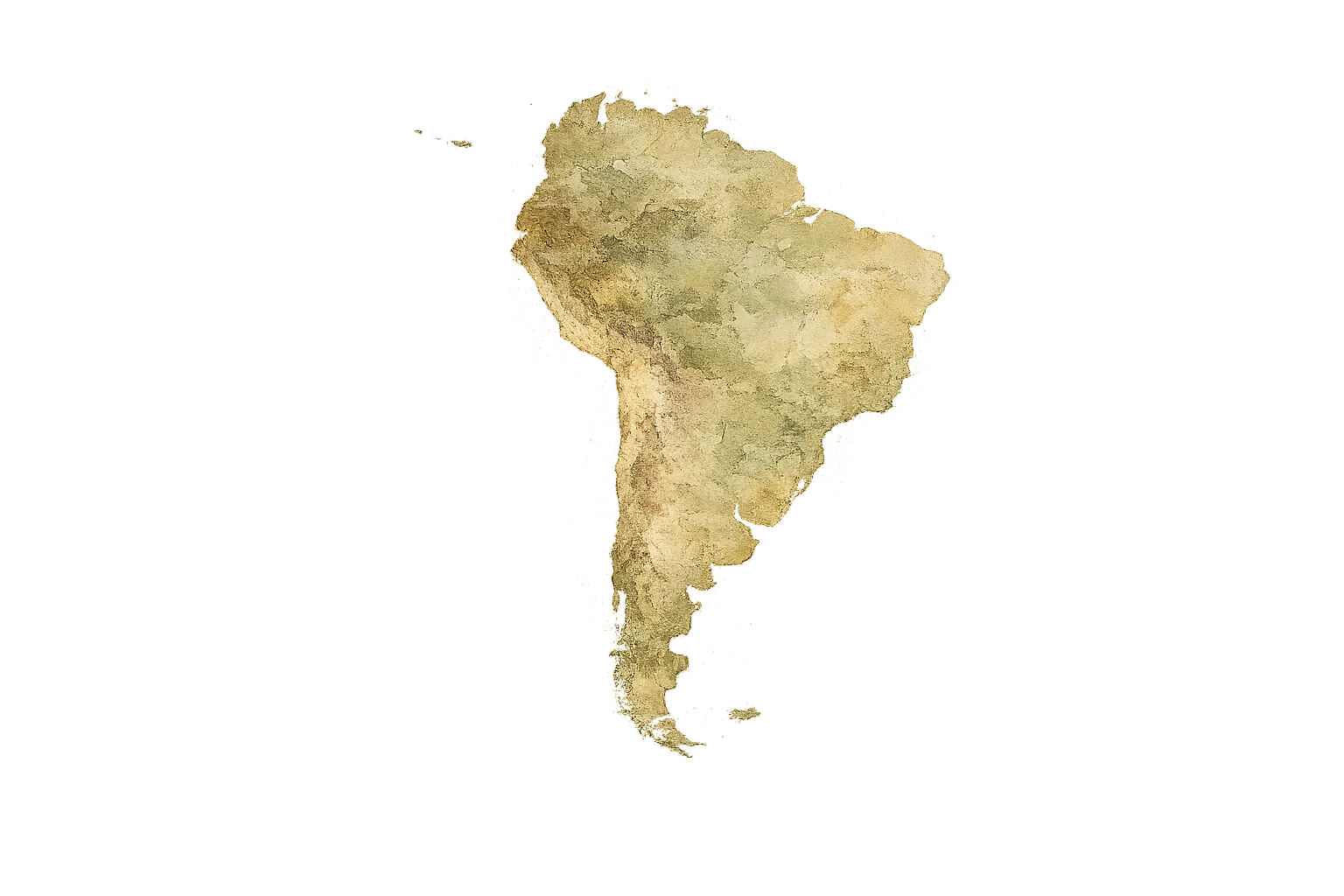
The Sierra de San Luis is a middle-altitude mountain range in Falcón State, northwestern Venezuela, forming the core of the Juan Crisóstomo Falcón National Park.
View on map → The Top 50 Attractions → OpenStreetMap →
South America
Explore with Plizio Discover more places in South America
More places in Venezuela →

Nature

More places