Plizio Visual Lab

Sierra de Falcón

Plizio editorial teamData Sources
Mountain
—°3
Sierra de Falcón (Venezuela)

Weather…

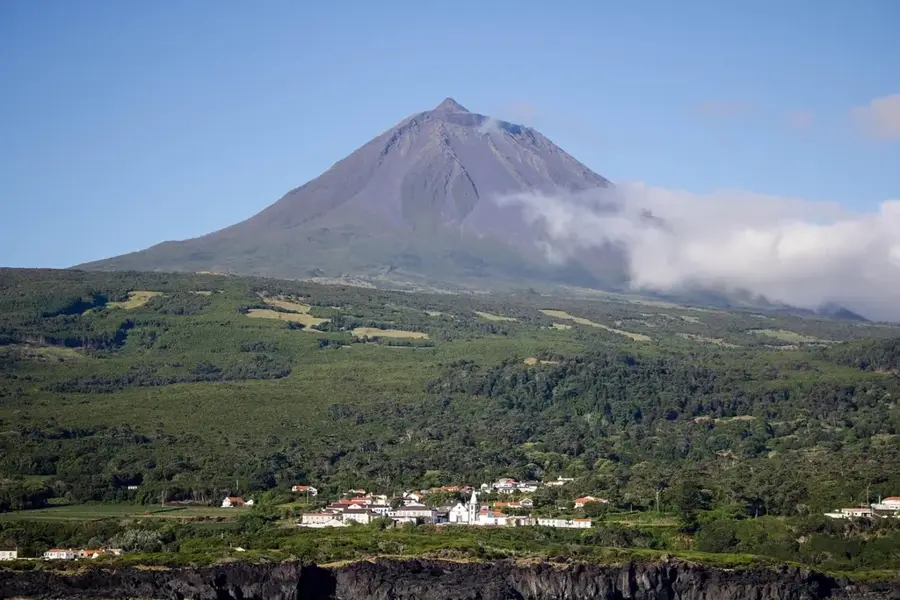
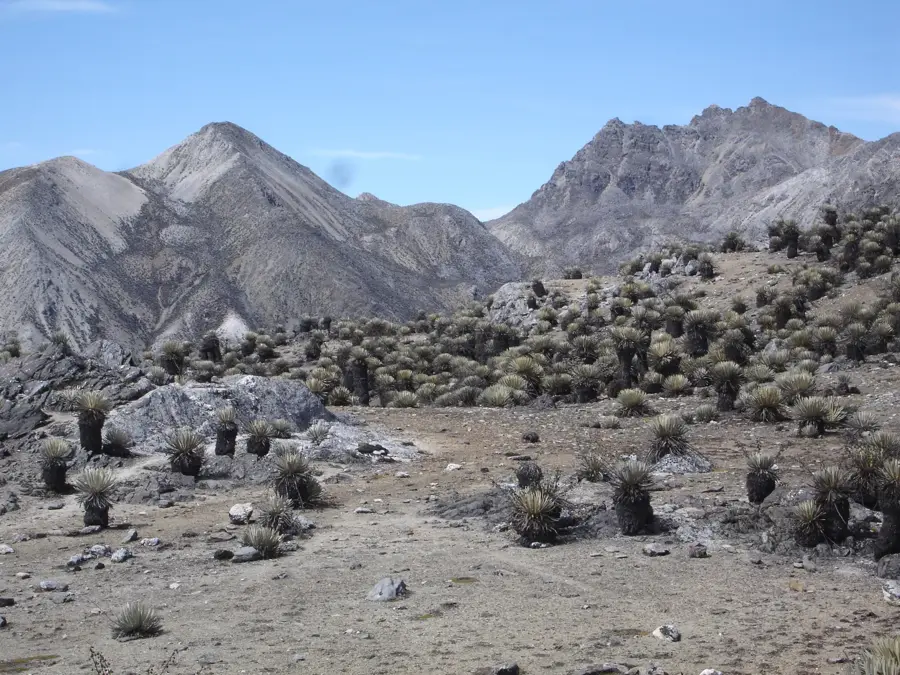
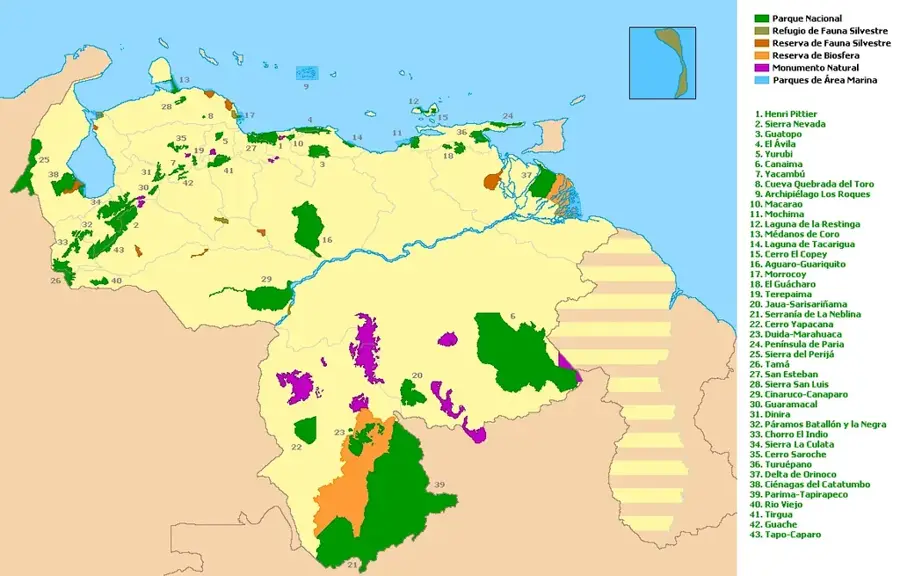
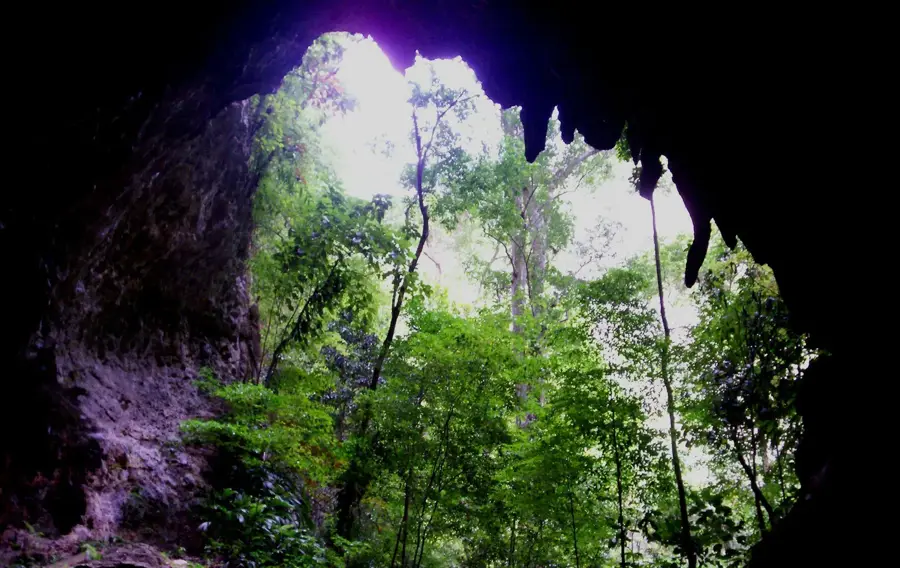
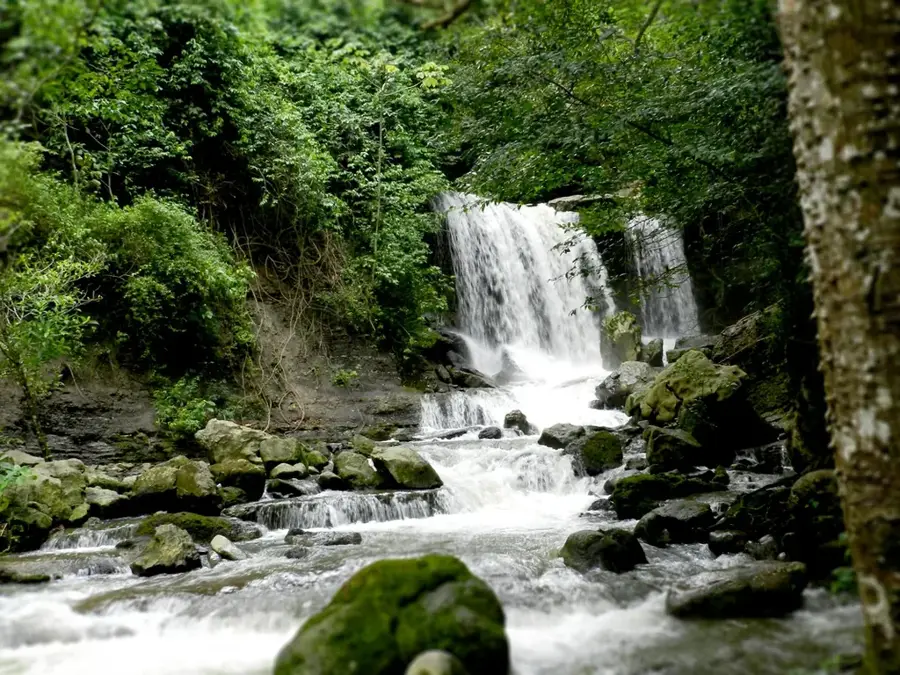
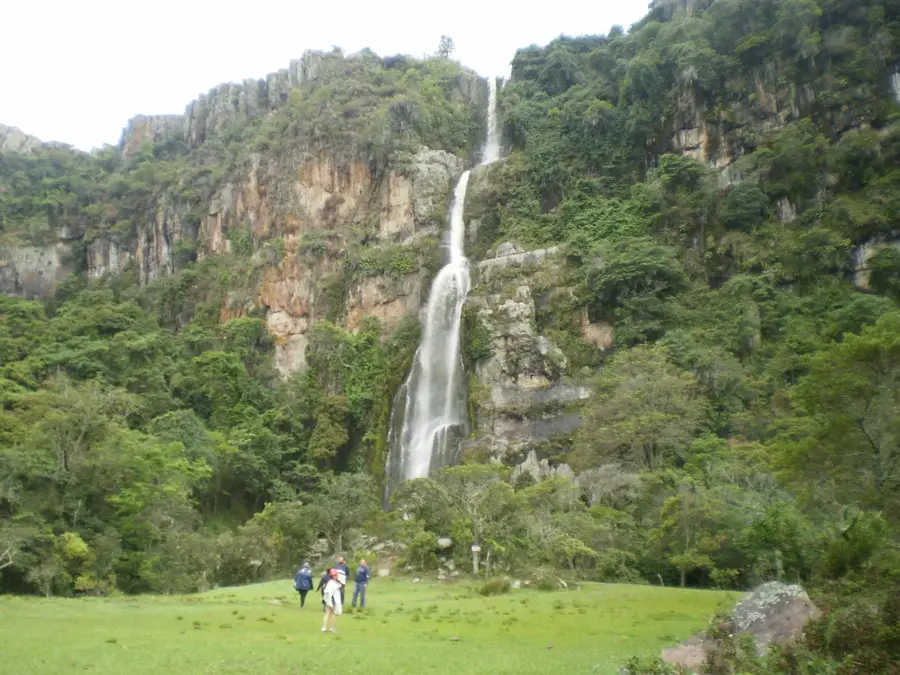
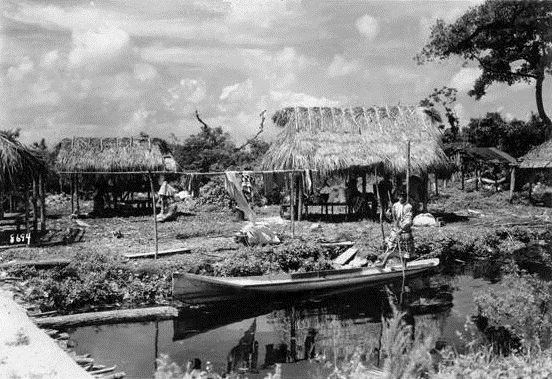
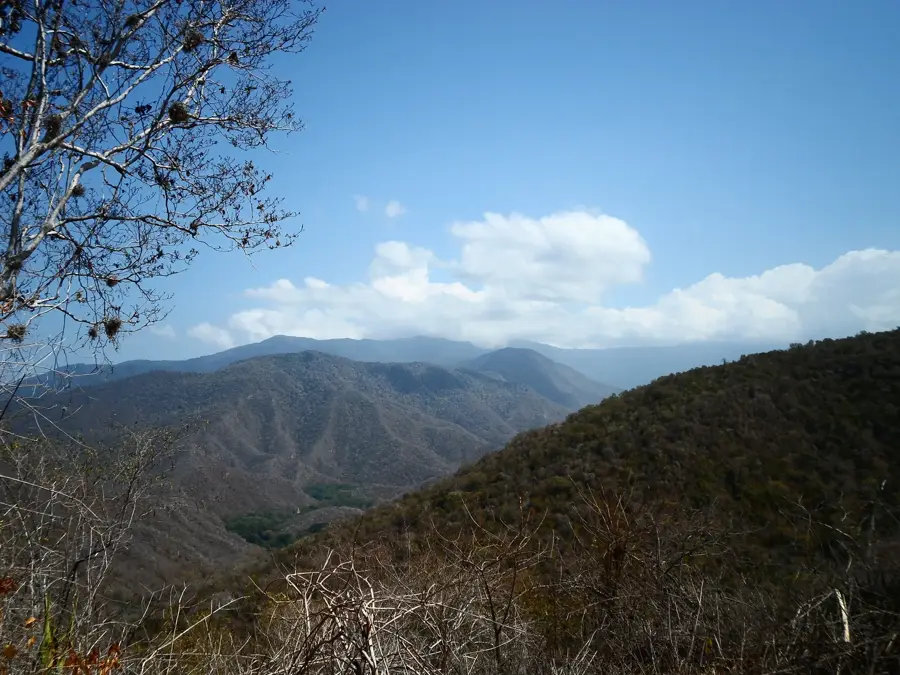
The Sierra de Falcón is a mountain system in the northwestern Venezuelan state of the same name, characterized by a diverse relief of valleys, hills, and middle-altitude ranges. Geologically, the region is highly significant as it consists predominantly of Tertiary sedimentary rocks rich in fossils and paleontological sites. The climate varies greatly from semi-arid zones at lower elevations to humid montane forests at the summits, supporting high biological diversity. The Sierra encompasses several protected areas, including the Sierra de San Luis National Park, famous for its spectacular karst formations and deep cavern systems. Historically, the region was a vital settlement area for the indigenous Caquetío people and played a central role in colonial history as a link between the coast and the hinterland. Economically, the Sierra is utilized for coffee and cocoa cultivation as well as livestock ranching, with the mountain water resources being of existential importance for the entire Falcón State. The relief also features potential for wind energy production due to the consistent trade winds.

Best time to visit & climate

The most pleasant time to visit is Jan–Mar.

JanFebMarAprMayJunJulAugSepOctNovDec
Avg °C262627272827272828272726
Rain mm271513315053616564928647

📋 Practical info

🧭
Getting there
The Sierra de Falcón is best reached from the city of Coro via paved but winding mountain roads. Buses and taxis run regularly to the upland villages, from where most hiking trails into the higher cloud forests typically begin.
📅
Best season
A visit is possible year-round, but the months from December to April are often drier and offer better visibility. Despite the proximity to the coast, it is significantly cooler and more humid here, so travelers should expect sudden fog banks at any time.
⛰️
Terrain & paths
The terrain is characterized by rolling hills, deep canyons, and karst formations with numerous caves. Trails can be very slippery after rainfall, and the dense vegetation often requires good orientation skills when moving off the main paths.
🎒
What to bring
Hiking boots with high-traction soles are essential due to the limestone and humidity. A light jacket for the cooler mountain evenings, along with rain gear and a flashlight for exploring smaller caves, should be included in your pack.
🅿️
Parking
In mountain villages like Curimagua, there are usually simple parking options at village squares or near local accommodations. It is advisable to leave vehicles in well-trafficked areas, as dedicated guarded hiker parking lots are scarce in the region.
⚠️
Safety
Visitors should be wary of sudden weather changes and heavy fog, which can reduce visibility to just a few meters. Caution is advised in the cave systems; you should never enter them alone or without multiple reliable light sources.
⏱️
Time needed
A stay of two to three days is sufficient to explore the primary hiking trails and experience the local culture of the mountain villages. Those wishing to visit the caves extensively should budget more time for specialized guided tours.

Geography

Coordinates
10.98500, -69.21500

Facts

  • Highest peaks reach up to 1,500 meters.
  • Primary geological formation: Tertiary limestone.
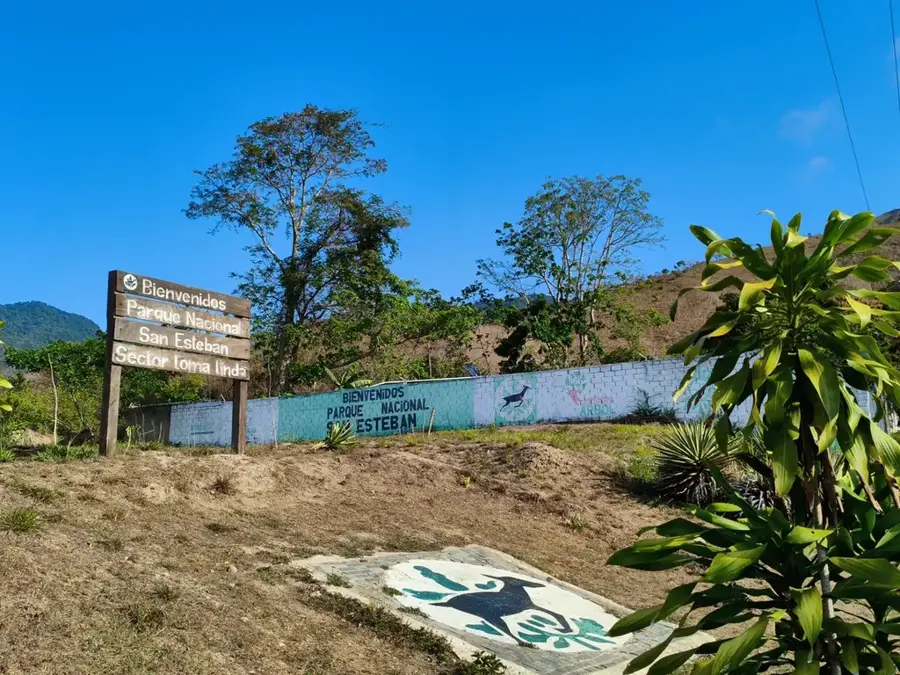
  • Home to the Sierra de San Luis National Park.
  • Site of significant Miocene fossil discoveries.
  • Traditional region for high-quality coffee production.
  • Serves as the main watershed for Falcón State.

Explore nearby

Notable places around

Route planner — Car & Motorhome

Where do you start? We build the route here, with stops and country notes along the way.

Vehicle
Only stops with (optional):

© OpenStreetMap contributors · OpenRouteService

Sights in the town Sierra de Falcón (3)

Cerro Galán🌿 nature

This mountain in the Sierra de San Luis is known for its humid cloud forests and rich birdlife.

Cerro El Encantico🌿 nature

A scenic peak in Falcón offering expansive views over the region's tropical dry forests.

Cerro Los Saltos🌿 nature

A prominent peak located in the Sierra de Falcón mountain range.

Sights nearby

Frequently asked questions

What weather can I expect in Sierra de Falcón?
The climate is predominantly dry and warm, though it can be significantly cooler at higher altitudes.
Is the area family-friendly?
Easier hiking trails are suitable for families, while high-altitude routes are for experienced hikers only.
Are there dining facilities there?
There are simple local restaurants in the surrounding villages, but you must bring supplies for hikes.
What is the best way to reach Sierra de Falcón?
The best way to reach it is by rental car from Coro, using well-maintained country roads.
Do I have to pay an entrance fee for nature reserves?
A small entrance fee is required for some areas, usually paid on site.
Sierra de Falcón: where is it located?
Sierra de Falcón is located in Venezuela.
Sierra de Falcón: what is there to see?
Highlights include Cerro Galán, Cerro El Encantico, Cerro Los Saltos.
Sierra de Falcón: when is the best time to visit?
The most pleasant time to visit is Jan, Mar.
Sierra de Falcón: why is it worth visiting?
The Sierra de Falcón is a mountain system in the northwestern Venezuelan state of the same name, characterized by a diverse relief of valleys, hills, and middle-altitude ranges.
View on map → The Top 50 Attractions → OpenStreetMap →
South America
Explore with Plizio Discover more places in South America
More places in Venezuela →

Nature

More places