Plizio Visual Lab
Walls of Notsé
Weather…
Water temperature…
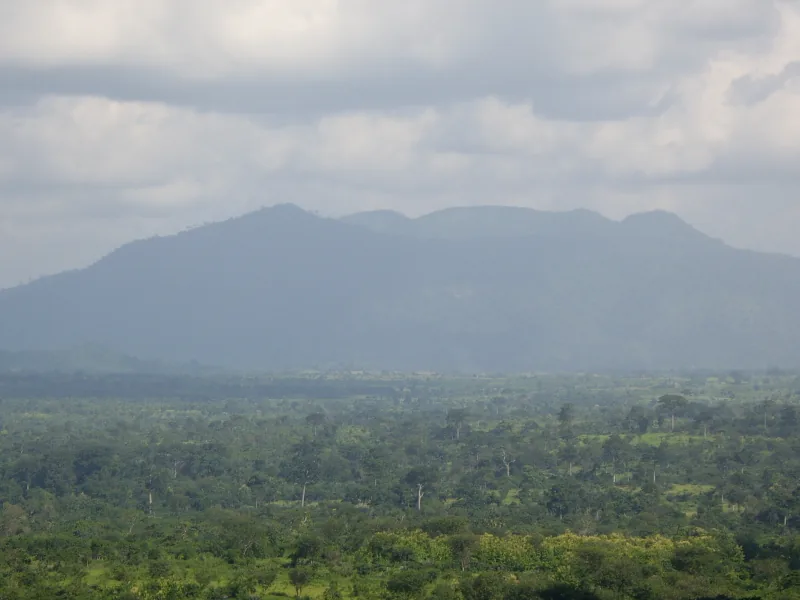
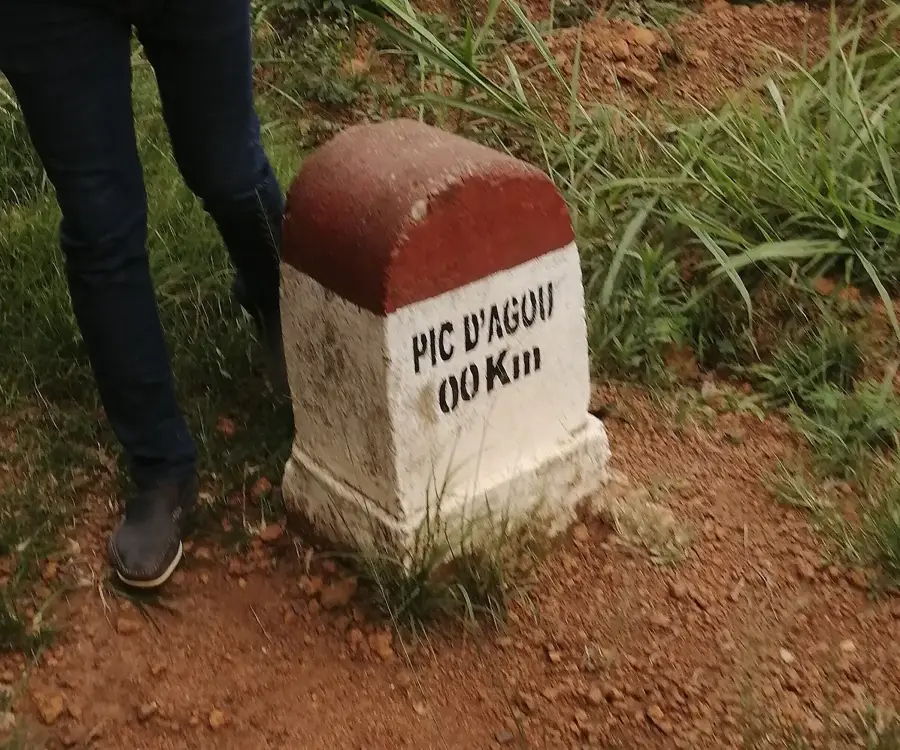
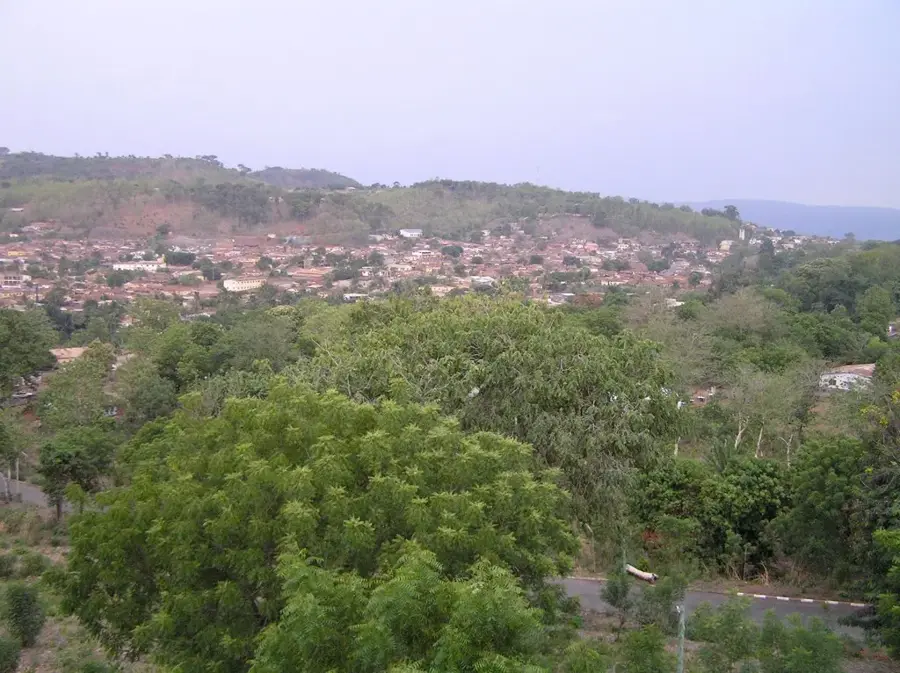
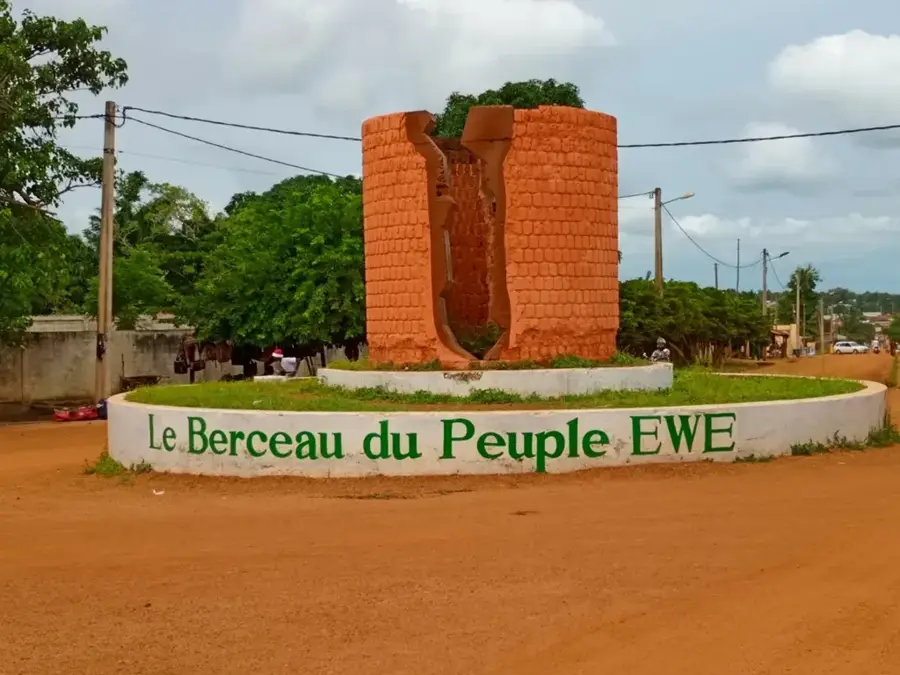
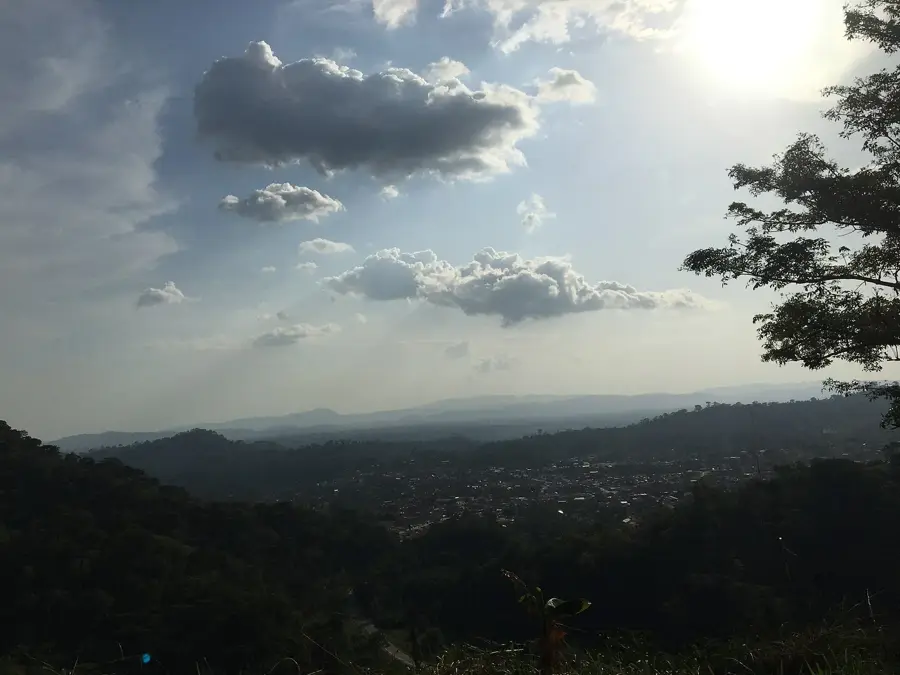
The walls of Notsé are a monument of central importance to the history and identity of the Ewe people. In the 17th century, Notsé served as the capital of a powerful kingdom under the rule of King Agokoli. The massive city walls, which had a circumference of over 14 kilometers, were constructed from mud to protect residents from attacks. According to tradition, the labor on the walls was so harsh and Agokoli's rule so tyrannical that the Ewe people eventually decided to flee through a hole in the wall. This legendary exodus marks the beginning of the Ewe dispersal across modern-day Togo, Ghana, and Benin. Today, only fragments of this once-imposing defensive structure remain, but the site remains a sacred symbol of unity and freedom. Each year, the Agbogbo-Za festival is held here, bringing together thousands of Ewe people to remember their common origin. The Notsé site provides deep insights into pre-colonial urban planning and the oral history of West Africa.
- Location: Togo
- Nearby: Notsé (6 km)
Best time to visit & climate
The most pleasant time to visit is Jan, Nov, Dec.
| Jan | Feb | Mar | Apr | May | Jun | Jul | Aug | Sep | Oct | Nov | Dec | |
|---|---|---|---|---|---|---|---|---|---|---|---|---|
| Avg °C | 27 | 28 | 28 | 28 | 27 | 26 | 25 | 25 | 25 | 26 | 26 | 26 |
| Rain mm | 15 | 30 | 72 | 104 | 143 | 177 | 189 | 145 | 214 | 149 | 32 | 14 |
📋 Practical info
Geography
Facts
- Original circumference of the walls was about 14.5 kilometers
- Built in the 17th century during the reign of King Agokoli
- Central location for the legend of the Ewe people's exodus
- Most important archaeological site for the Ewe culture
- Home to the annual Agbogbo-Za cultural festival
- City walls were constructed from rammed earth (banko)
Explore nearby
Notable places around


Route planner — Car & Motorhome
Where do you start? We build the route here, with stops and country notes along the way.
© OpenStreetMap contributors · OpenRouteService
Sights nearby
Frequently asked questions
What is the origin of the city walls?
Are they easy to find?
Are there guided tours?
Can one walk on the walls?
Is the place suitable for families?
Walls of Notsé: where is it located?
Walls of Notsé: when is the best time to visit?
Walls of Notsé: why is it worth visiting?

Nearby cities



History & landmarks
Nature
More places