Plizio Visual Lab
Notsé
ℹ️Practical info — Notsé
▾
🌤 Weather — 5 days
📍 Nearby
Sights nearby
💡 Tips
- The best time to visit is September for the Agbogbo-Zan festival, commemorating the Ewe exodus.
- Explore the remains of the Agbogbo Wall, the ancient mud fortifications of the city.
- Carry enough cash (XOF) as ATMs are very rare and credit cards are not accepted.
- Hire a local guide to visit the Royal Palace and understand the deep spiritual history.
- Taste the local pineapples; Notsé is the pineapple capital of Togo.
🍽 Food
Pounded yams served with a rich, spicy peanut sauce, a staple of the region.
Known for being exceptionally sweet; buy them from roadside stands or the main market.
A savory dish made from gari (cassava flour) cooked with tomato and spices, often with pork.
🛍 Shopping · 🧘 Quiet spots
A great place for spirited local textiles and fresh agricultural produce.
Essential stop on the RN1 for the freshest local fruit.
The ancient earthen walls offer a contemplative space to reflect on Ewe history.
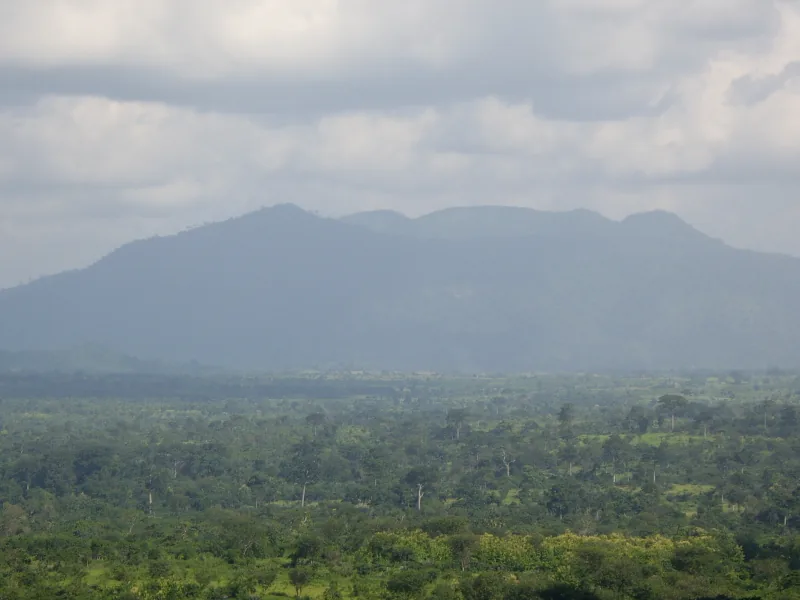
Walk just outside the town for peaceful views of the surrounding agricultural landscape.
Water temperature…
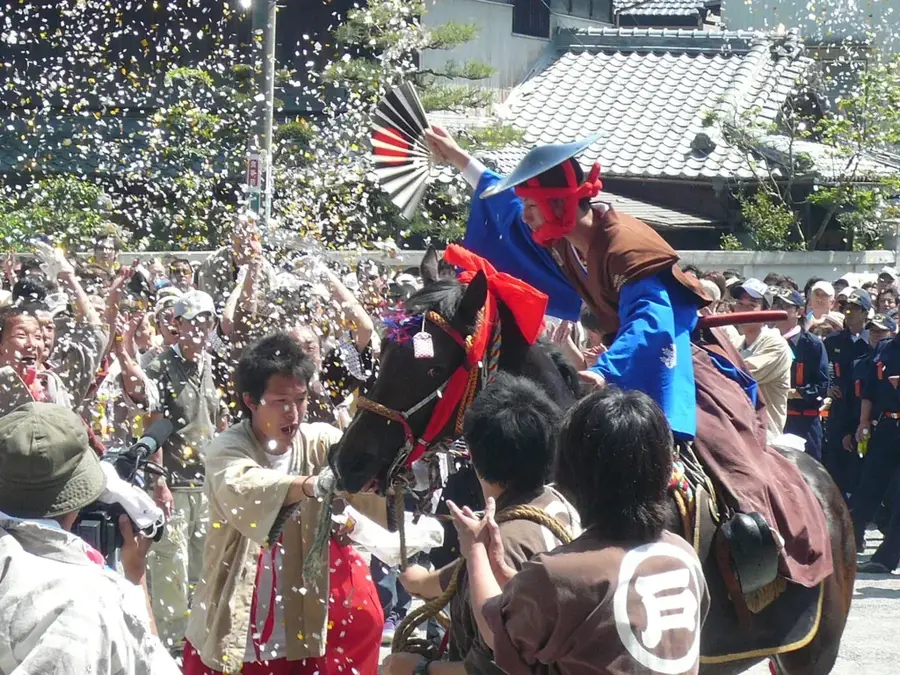
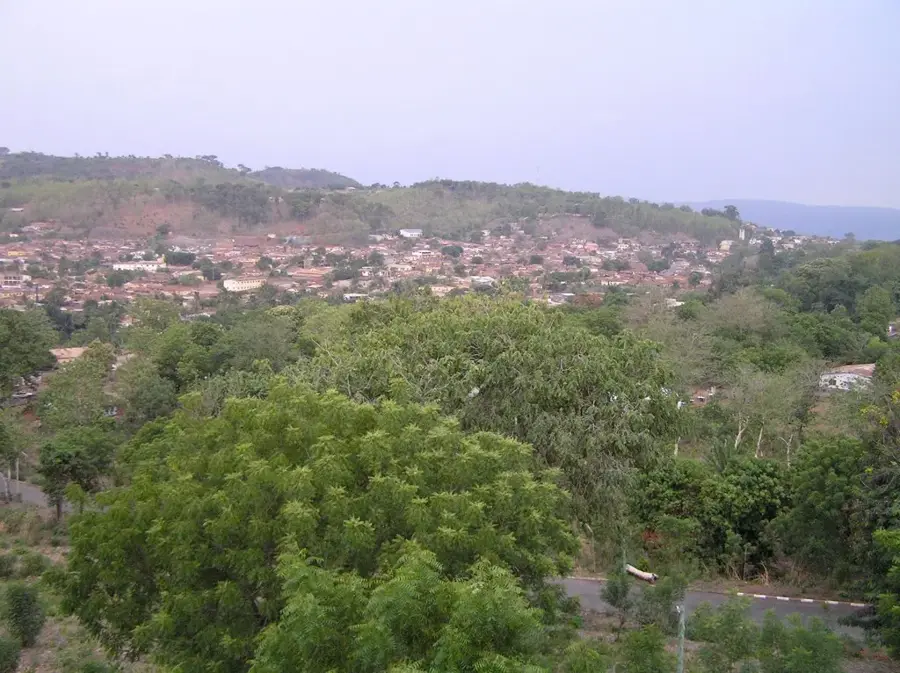
Notsé lies about 95 kilometres north of Lomé in the Plateaux Region and is regarded as the spiritual and historical cradle of the Ewe people. In the 16th and 17th centuries the town served as the capital of a powerful Ewe kingdom ruled by the legendary but tyrannical King Agokoli. The high mud walls, whose remains can still be seen around the town, were built to defend the city. According to legend, the Ewe eventually fled Agokoli's tyranny by softening one section of the wall through nightly watering, allowing them to break through and disperse to their current homelands - an event commemorated each September during the great Agbogbo-Zan festival, which brings thousands of Ewe back to Notsé from Togo, Ghana and Benin. Today Notsé is also an important centre for pineapple and maize cultivation, and the town hosts a modern museum dedicated to Ewe history and migration.
- Location: Togo
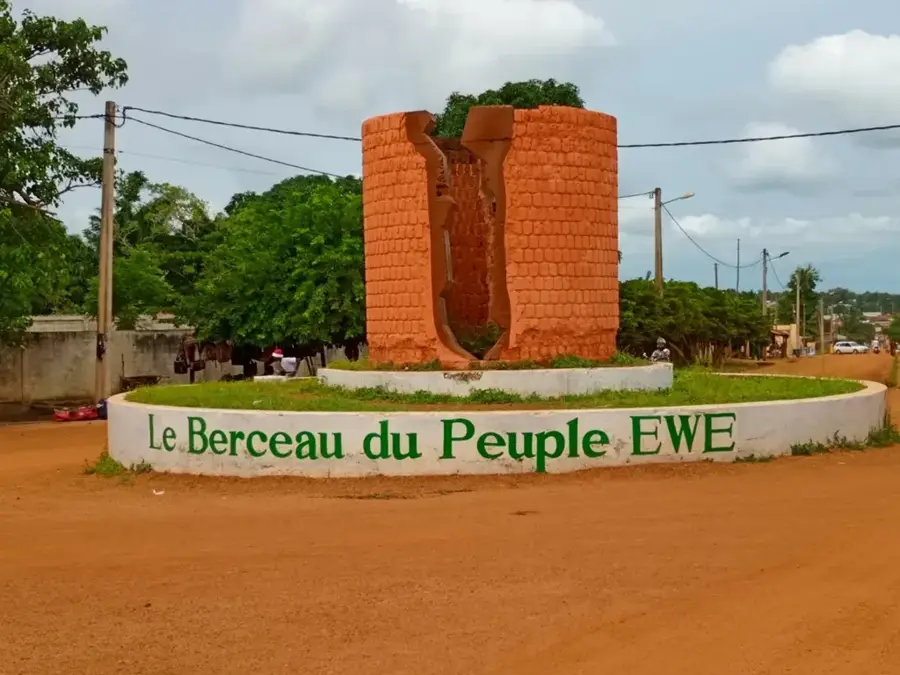
- Top sights: Moulin · Le berceau du Peuple Ewe · Pavements de Dakpodji
- Nearby: Wahala (28 km)
- Population: ~35.039 (2024)
Best time to visit & climate
The most pleasant time to visit is Jan, Nov, Dec.
| Jan | Feb | Mar | Apr | May | Jun | Jul | Aug | Sep | Oct | Nov | Dec | |
|---|---|---|---|---|---|---|---|---|---|---|---|---|
| Avg °C | 27 | 28 | 28 | 28 | 27 | 26 | 25 | 25 | 25 | 26 | 26 | 26 |
| Rain mm | 15 | 30 | 72 | 104 | 143 | 177 | 189 | 145 | 214 | 149 | 32 | 14 |
Geography
Facts
- Notsé is located about 95 km north of Lomé on the N1 highway.
- The city became the center of the Ewe kingdom in the 17th century.
- The historical earthen walls once spanned a circumference of 14 km.
- The Agbogbo-Zan festival is celebrated annually in September.
- The region is Togo's primary production center for pineapples.
- The city serves as the administrative capital of Haho Prefecture.
Explore nearby
Notable places around


Route planner — Car & Motorhome
Where do you start? We build the route here, with stops and country notes along the way.
© OpenStreetMap contributors · OpenRouteService
Sights in the town Notsé (3)
Frequently asked questions
What is the historical significance of Notsé?
Are there sights for history enthusiasts?
How long does a visit to Notsé take?
When is the best time to travel?
Is the city easy to reach?
Notsé: where is it located?
Notsé: what is there to see?
Notsé: when is the best time to visit?
Notsé: why is it worth visiting?

Nearby cities


History & landmarks
Nature
More places