Plizio Visual Lab
Anié

ℹ️Practical info — Anié
▾
🌤 Weather — 5 days
📍 Nearby
Sights nearby
💡 Tips
- Anié is an important crossroads town; the central transport hub can be chaotic, so keep an eye on your belongings.
- The town is known for its diverse population, bringing together different ethnic groups from the central region.
- Road conditions around the city can vary. If taking a shared bush taxi, be prepared for delays and bumpy rides.
- Ensure you have enough cash (CFA francs) before arriving, as ATMs are rare and cards are generally not accepted outside major businesses.
🍽 Food
Local sorghum beer. Served in calabashes in local informal cabarets and bars.
A staple of the central region, available at roadside eateries.
Sold at open-air maquis and informal transport stops.
🛍 Shopping · 🧘 Quiet spots
Very lively, especially on market days. Good for buying local textiles, pottery, and fresh agricultural products.
Local artisans sell these hand-crafted items near the main roads and markets.
The riverbanks outside the bustling center offer a much calmer environment.
Take a short walk into the surrounding agricultural areas to see quiet rural Togolese life.
Water temperature…
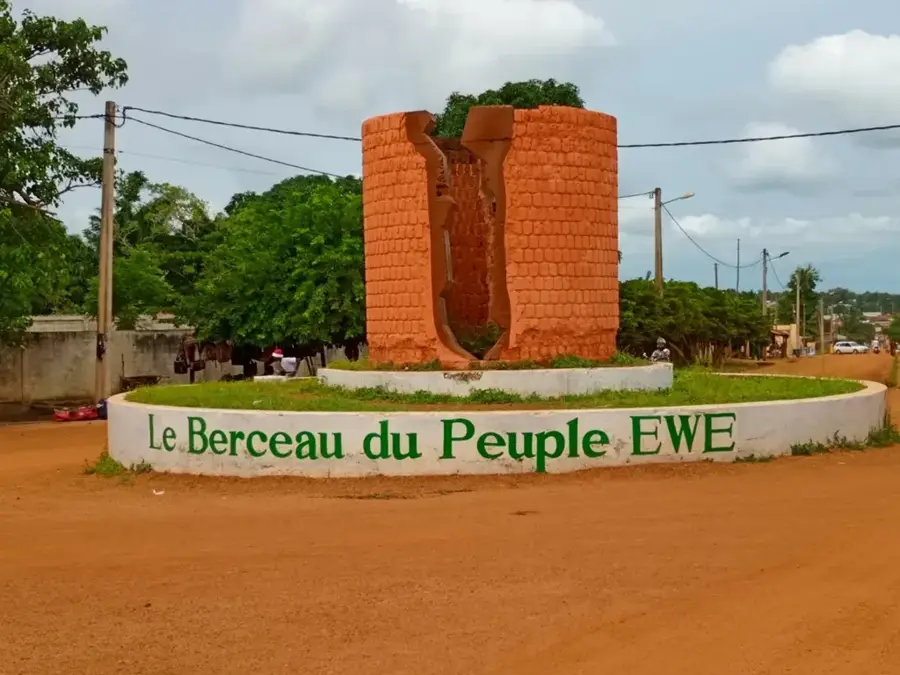
Anié sits on National Road 1 between Atakpamé and Sokodé and is an important staging town in the transitional zone between the Plateaux and Centrale regions. The town of around 30,000 inhabitants grew up along the historical Lomé-Blitta railway line, where it had a station that allowed the movement of agricultural and industrial goods. For decades Anié has been the site of the NIOTO oil mill, which produces cooking oil and animal feed from the cotton plantations of the surrounding countryside - a major economic mainstay for the region. The textile industry also plays a significant role, with dyeing workshops and small weaving units producing traditional fabrics. The population is multi-ethnic: Ewe, Ana, Tem and Kotokoli live together here, reflected in a varied cuisine and colourful markets. Anié is also known for its traditional masked festivals, which draw visitors from across the country each year.
- Location: Togo
- Nearby: Elavagnon (11 km)
- Population: ~37.398 (2024)
Best time to visit & climate
The most pleasant time to visit is Jan, Nov, Dec.
| Jan | Feb | Mar | Apr | May | Jun | Jul | Aug | Sep | Oct | Nov | Dec | |
|---|---|---|---|---|---|---|---|---|---|---|---|---|
| Avg °C | 25 | 27 | 28 | 27 | 27 | 26 | 25 | 25 | 25 | 25 | 26 | 25 |
| Rain mm | 15 | 23 | 58 | 115 | 150 | 190 | 249 | 220 | 266 | 157 | 17 | 5 |
Geography
Facts
- Major transport junction located on the National Road N1.
- Home to large-scale industrial cotton ginning facilities.
- Known for one of the largest trading markets in central Togo.
- Serves as a significant transit station for long-distance haulage.
- Multi-ethnic center due to the high turnover of traders.
- Central location for the processing of agricultural produce.
Explore nearby
Notable places around


Route planner — Car & Motorhome
Where do you start? We build the route here, with stops and country notes along the way.
© OpenStreetMap contributors · OpenRouteService
Sights in the town Anié (1)
Frequently asked questions
Time for Anié?
When?
How to reach?
Food?
Safe?
Anié: where is it located?
Anié: when is the best time to visit?
Anié: why is it worth visiting?

Nearby cities


History & landmarks
Nature
More places