Plizio Visual Lab
Slave Well of Chilla

Weather…
Water temperature…
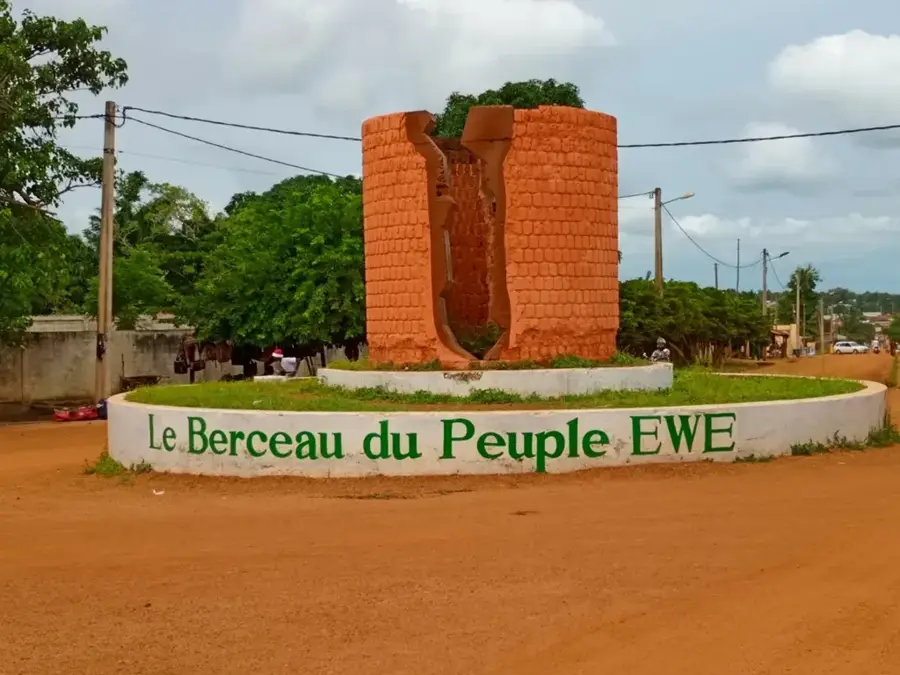
The Slave Well of Chilla, located near Agbodrafo on the Togolese coast, is a somber memorial dedicated to the victims of the transatlantic slave trade. This historical site was one of the final gathering points for countless Africans before they were forced onto ships bound for the Americas. The well was used to wash and provide water to the captives for the last time on African soil, a ritual preceding the 'journey of no return.' Combined with the nearby 'Maison des Esclaves' (Slave House) in Agbodrafo, the Chilla site provides a detailed look into the logistical and human tragedy of the era. The region's sheltered lagoons made it a prime location for clandestine slave trading even after international bans were enacted. Today, the well is preserved as a site of reflection and historical education, ensuring that the legacy of those who suffered is never forgotten. It remains a powerful symbol of endurance and a vital link to Togo's coastal history.
- Location: Togo
- Nearby: Wahala (24 km)
Best time to visit & climate
The most pleasant time to visit is Jan, Nov, Dec.
| Jan | Feb | Mar | Apr | May | Jun | Jul | Aug | Sep | Oct | Nov | Dec | |
|---|---|---|---|---|---|---|---|---|---|---|---|---|
| Avg °C | 27 | 28 | 28 | 28 | 27 | 26 | 25 | 25 | 25 | 26 | 26 | 26 |
| Rain mm | 15 | 30 | 72 | 104 | 143 | 177 | 189 | 145 | 214 | 149 | 32 | 14 |
📋 Practical info
Geography
Facts
- Final washing station for enslaved people before boarding ships
- Located near Agbodrafo on the historic Togolese Slave Coast
- Associated with the Maison des Esclaves memorial site
- A hub for clandestine slave trade during the 19th century
- The well structure is one of the few surviving relics of its kind
- Important destination for historical research and remembrance tourism
Explore nearby
Notable places around

Route planner — Car & Motorhome
Where do you start? We build the route here, with stops and country notes along the way.
© OpenStreetMap contributors · OpenRouteService
Sights nearby
Frequently asked questions
What was the purpose of the slave well?
Is it a protected monument?
Can one visit the well?
Is there parking?
What is its condition today?
Slave Well of Chilla: where is it located?
Slave Well of Chilla: when is the best time to visit?
Slave Well of Chilla: why is it worth visiting?

Nearby cities


History & landmarks
Nature
More places