Plizio Visual Lab
Amou-Oblo
ℹ️Practical info — Amou-Oblo
▾
🌤 Weather — 5 days
📍 Nearby
Sights nearby
💡 Tips
- Appreciate the city's cleanliness by using designated waste bins, a matter of great local pride.
- The town serves as a well-organized base for exploring the surrounding lush Plateaux region.
- Engage with locals in French or Ewe; knowing a few words in Ewe will be highly appreciated.
- Hire a local mototaxi (zemidjan) to navigate the wider avenues quickly and efficiently.
🍽 Food
A staple dish found in local open-air eateries (maquis).
Available at lively evening street food stalls.
Buy directly from local vendors at the central market.
🛍 Shopping · 🧘 Quiet spots
Browse the local fabric stalls in the market area.
Pick up authentic ingredients from the central market.
Planned green spaces that are well-suited for a rest in the shade.
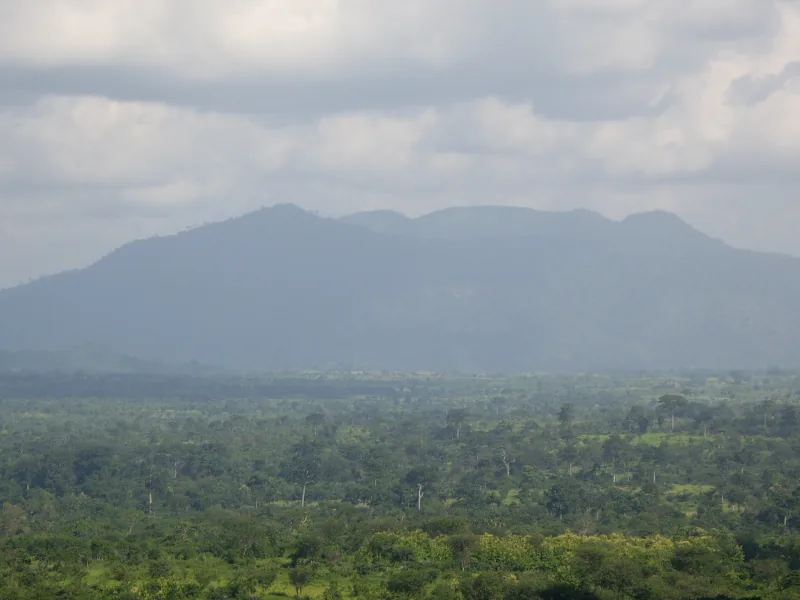
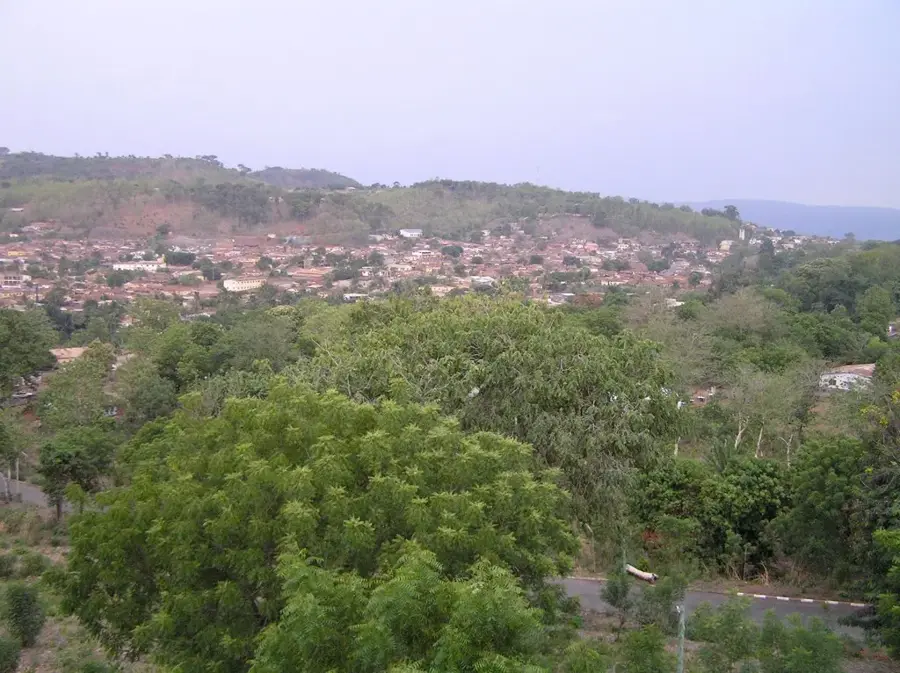
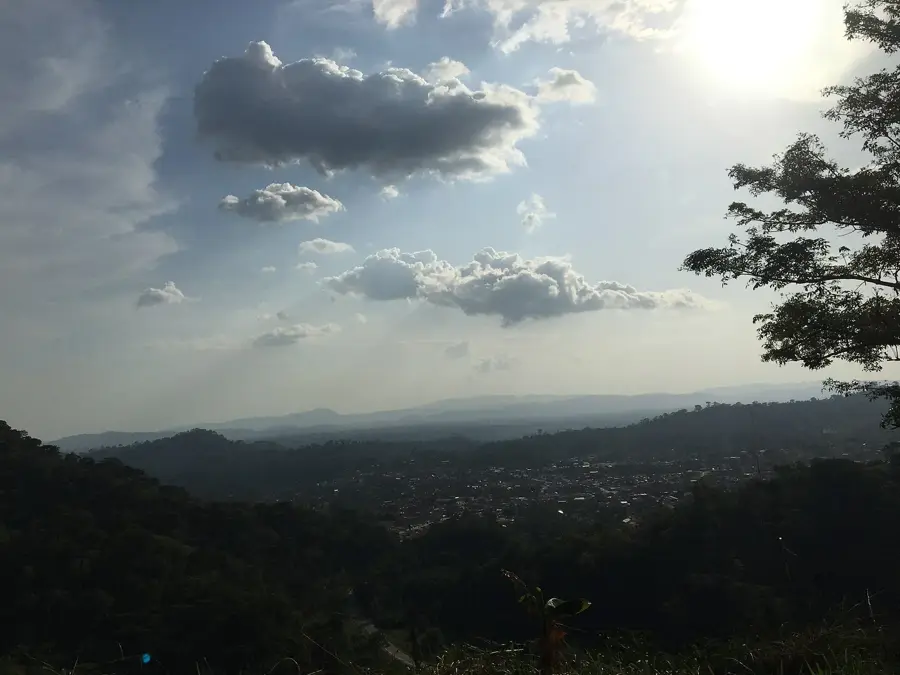
Where the urban grid meets the lush hills of the Plateaux region.
Water temperature…
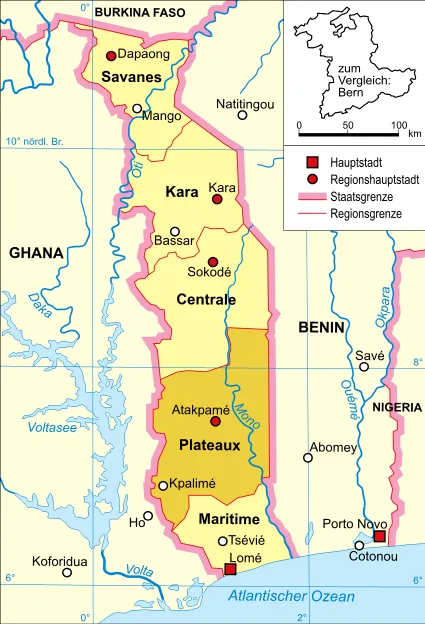
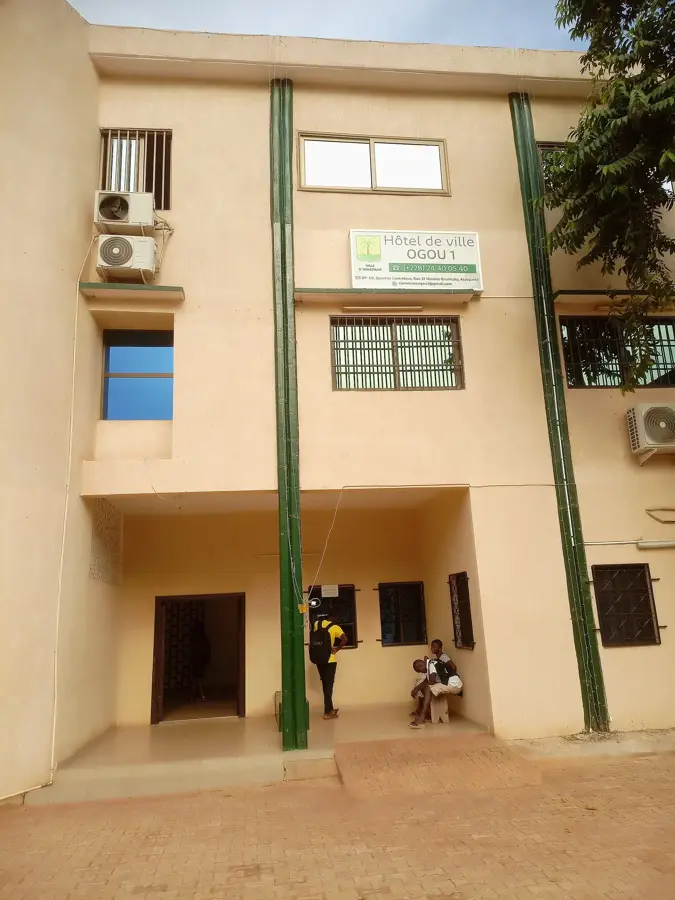
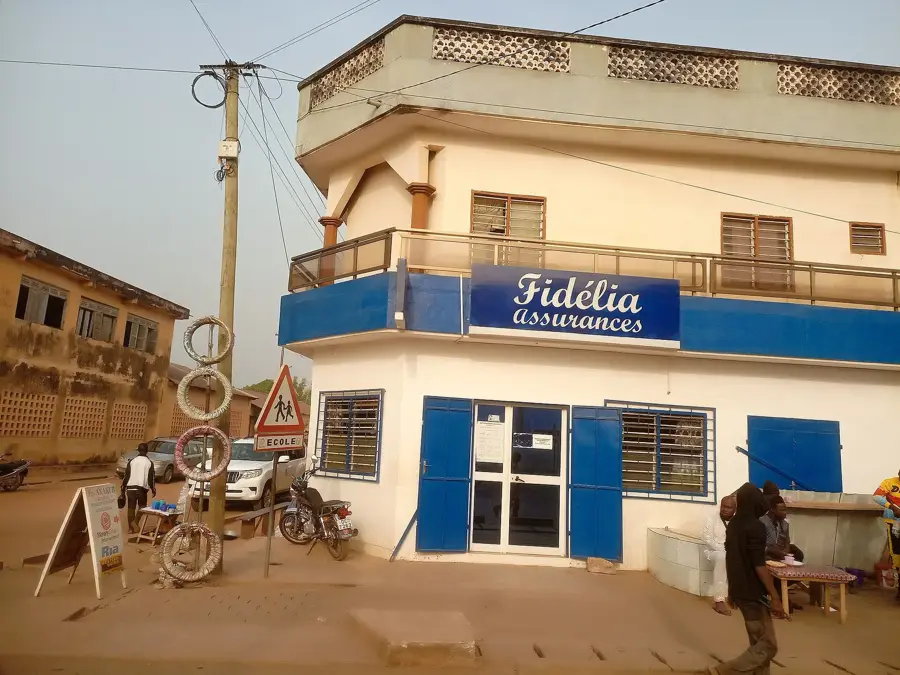
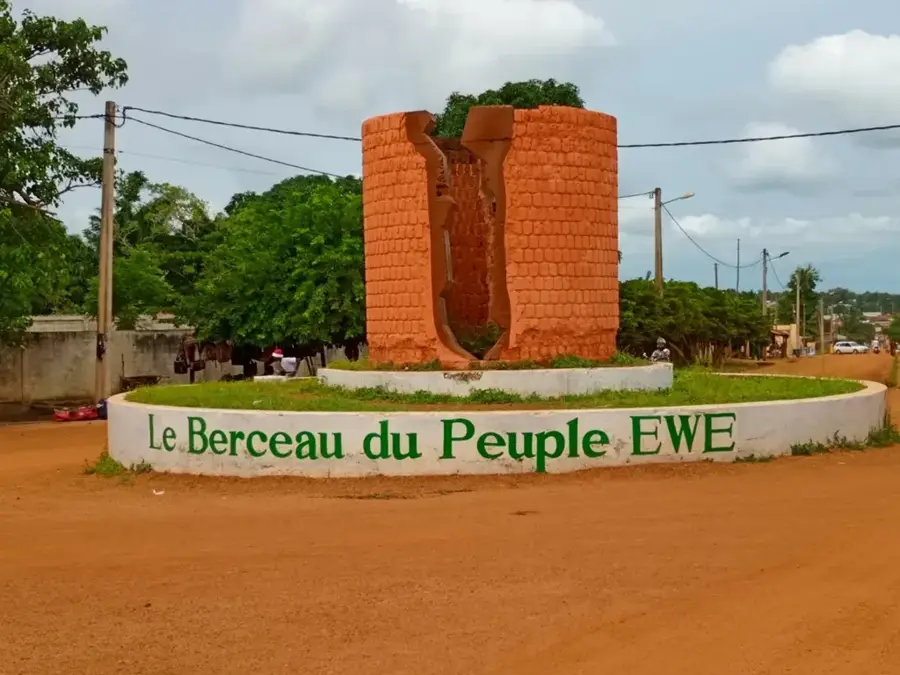
Amou-Oblo is the capital of Amou Prefecture in the Plateaux Region and lies about 25 kilometres north of Atakpamé. The town stands out for its remarkably modern and well-planned urban layout, the result of targeted development projects over the past two decades. Wide streets, clearly structured residential quarters and well-maintained public squares distinguish Amou-Oblo clearly from many other small towns in Togo. The population consists mainly of Ewe sub-groups such as the Akposso and Akébu, who keep their traditional culture vibrantly alive despite this modernisation. The regional economy revolves around coffee, cocoa and rice, organised through cooperatives. Amou-Oblo is also a notable educational hub: it hosts several secondary schools and a teacher training institute. The traditional Thursday market attracts farmers from across the surrounding hinterland.
- Location: Togo
- Nearby: Kougnohou (22 km)
Best time to visit & climate
The most pleasant time to visit is Jan, Nov, Dec.
| Jan | Feb | Mar | Apr | May | Jun | Jul | Aug | Sep | Oct | Nov | Dec | |
|---|---|---|---|---|---|---|---|---|---|---|---|---|
| Avg °C | 26 | 28 | 28 | 27 | 27 | 26 | 25 | 25 | 25 | 26 | 26 | 26 |
| Rain mm | 16 | 28 | 66 | 110 | 148 | 187 | 229 | 190 | 251 | 157 | 24 | 10 |
Geography
Facts
- Major hub for coffee and cocoa cultivation in the region.
- Part of the Amou Prefecture within the Plateaux Region.
- Located in close proximity to the administrative center of Amlamé.
- Characterized by a humid microclimate and misty hills.
- The economy is almost entirely based on agricultural exports.
- Higher elevation provides milder temperatures than the plains.
Explore nearby
Notable places around


Route planner — Car & Motorhome
Where do you start? We build the route here, with stops and country notes along the way.
© OpenStreetMap contributors · OpenRouteService
Frequently asked questions
Duration for Amou-Oblo?
When?
Transport?
Food?
Children?
Amou-Oblo: where is it located?
Amou-Oblo: when is the best time to visit?
Amou-Oblo: why is it worth visiting?
Nearby cities

History & landmarks
Nature
More places