Plizio Visual Lab

Ancient Penjikent
Plizio editorial teamData Sources
ruin
—°8
Ancient Penjikent (Tajikistan)

Weather…

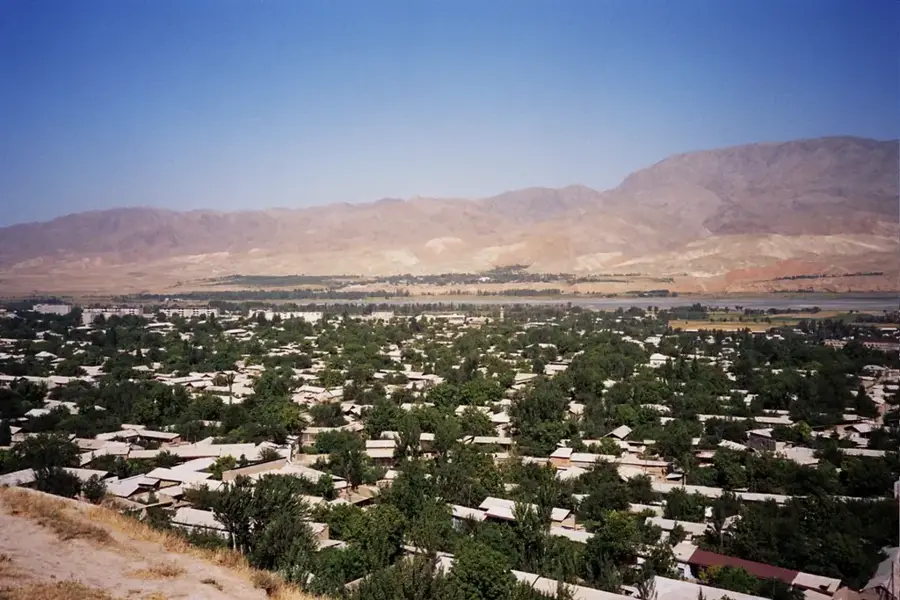
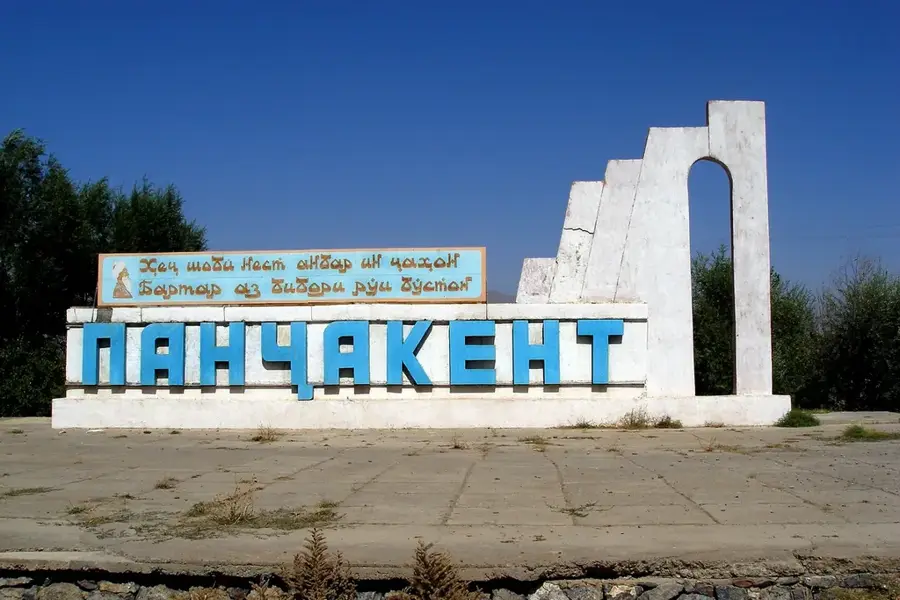
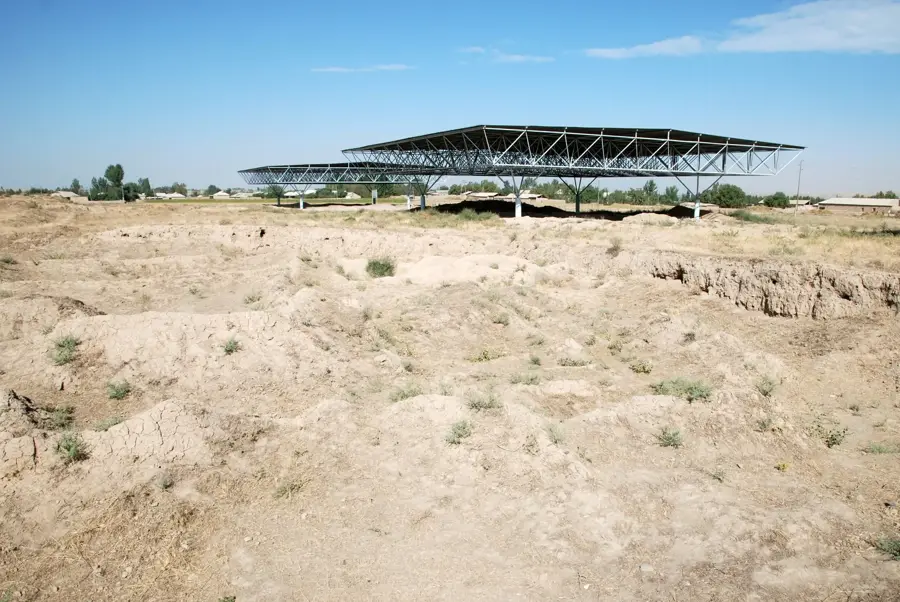
The archaeological site of Ancient Penjikent represents one of the most significant urban centers of the Sogdian civilization, flourishing between the 5th and 8th centuries AD. Located just outside the modern city in western Tajikistan, this settlement was abandoned following the Arab conquest in 722, which preserved its architectural layout and unique artistic heritage. Often referred to as the "Pompeii of Central Asia," the city features a distinct citadel, residential areas with multi-story mud-brick houses, and several grand temples. Excavations since 1946 have revealed magnificent wall paintings depicting epic scenes, religious ceremonies, and courtly life, providing invaluable insight into pre-Islamic Iranian culture. The city served as a vital hub on the Silk Road, facilitating trade and cultural exchange between China, India, and Persia. Today, the 19-hectare site is a major historical reserve on the UNESCO tentative list, showcasing the sophisticated urban planning and societal structure of the medieval Sogdians.

Best time to visit & climate

The most pleasant time to visit is Jun, Aug, Sep.

JanFebMarAprMayJunJulAugSepOctNovDec
Avg °C-1061117222423181250
Rain mm344960563711323183834

📋 Practical info

🚪
Visiting
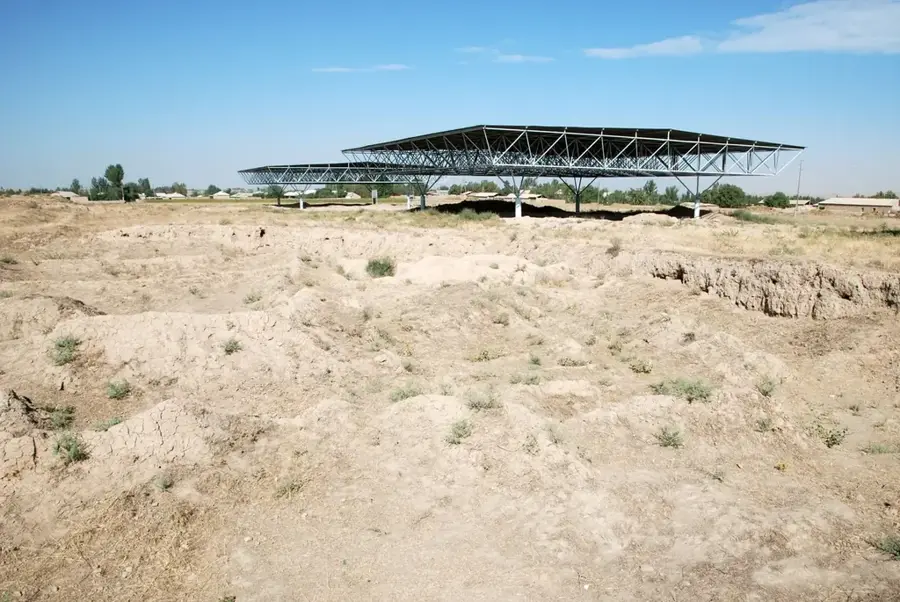
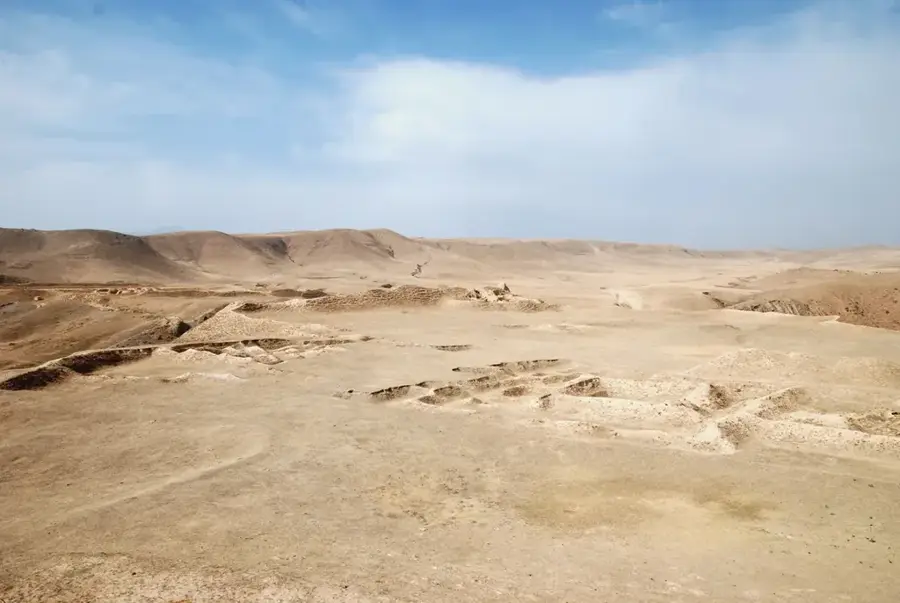
Visitors can explore the vast archaeological site on foot, wandering through the remains of streets and ancient temples. The excavated foundations of this once-thriving Sogdian city are completely outdoors and exposed.
🕒
Typical hours
The open-air ruins are generally accessible from morning until sunset throughout the year, with a small ticket office near the entrance. Visiting early in the day is advisable during the hot summer months for comfort.
📷
Photography
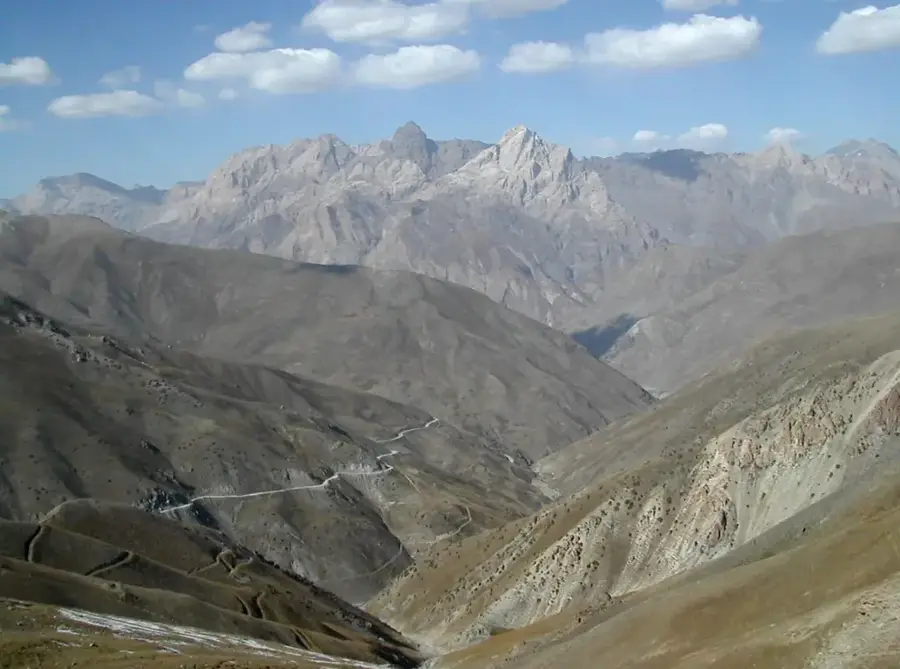
The undulating hills covered with ancient city foundations offer dramatic panoramic shots, especially with mountains behind. Be mindful when walking along the edges to avoid damaging the structures while framing photos.
⏱️
Time needed
To adequately explore the sprawling grounds, view the remaining defensive walls, and visit the small museum, plan to spend at least one to two hours. History enthusiasts might easily spend half a day immersing themselves.
Combine with
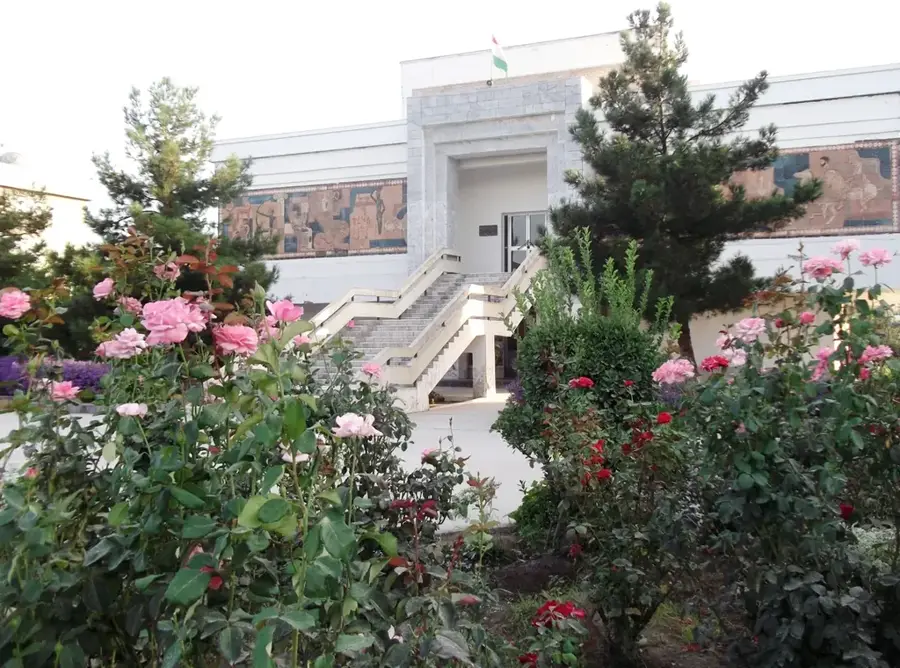
The modern city of Penjikent is just a short drive away and has an excellent regional museum with recovered frescoes. This site is also a logical stopover when crossing the nearby land border from Samarkand.
🧭
Getting there
The archaeological site is situated on an elevated terrace just south of modern Penjikent, easily reachable by a short taxi ride. The paths within the ruins are uneven and dusty, requiring sturdy, comfortable walking shoes.
💡
Insider tip
Springtime transforms the ruins into a remarkably beautiful scene as the earthen mounds become covered in bright green grass. Read about Sogdian culture beforehand to visualize the bustling bazaars that once stood here.

Geography

Coordinates
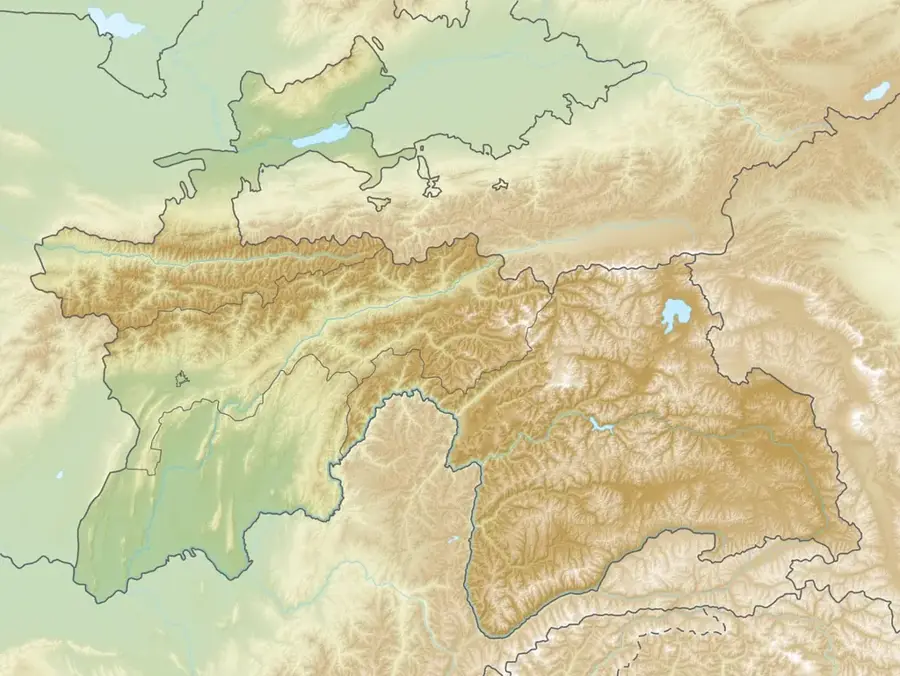
39.48970, 67.62580

Facts

  • The city was founded in the 5th century and abandoned in the 8th century after the Arab invasion.
  • The total area of the archaeological site covers approximately 19 hectares.
  • Systematic excavations began in 1946 under the direction of Soviet archaeologists.
  • The murals found here are considered the most important examples of Sogdian art in the world.
  • Most buildings were constructed using sun-dried mud bricks and rammed earth.
  • The site is located only about 1.5 kilometers southeast of modern Panjakent city center.

Explore nearby

Notable places around
Route planner — Car & Motorhome

Where do you start? We build the route here, with stops and country notes along the way.

Vehicle
Only stops with (optional):

© OpenStreetMap contributors · OpenRouteService

Sights in the town Ancient Penjikent (8)

Path to Archeological Site🌿 nature

The Path to Archeological Site features a viewpoint over the historical Ancient Panjakent.

monument of “Firdavsi”🏺 historical

The monument of “Firdavsi” honors a historical figure in Ancient Panjakent.

Citadel📍 landmark

The Citadel is a fortified historical attraction in Ancient Panjakent.

Ancient Panjakent Main Entry Point🏺 historical

The Ancient Panjakent Main Entry Point marks the beginning of the archaeological site.

🕒 24/7

Ancient Panjakent📍 landmark

Ancient Panjakent is a fascinating archaeological and historical attraction.

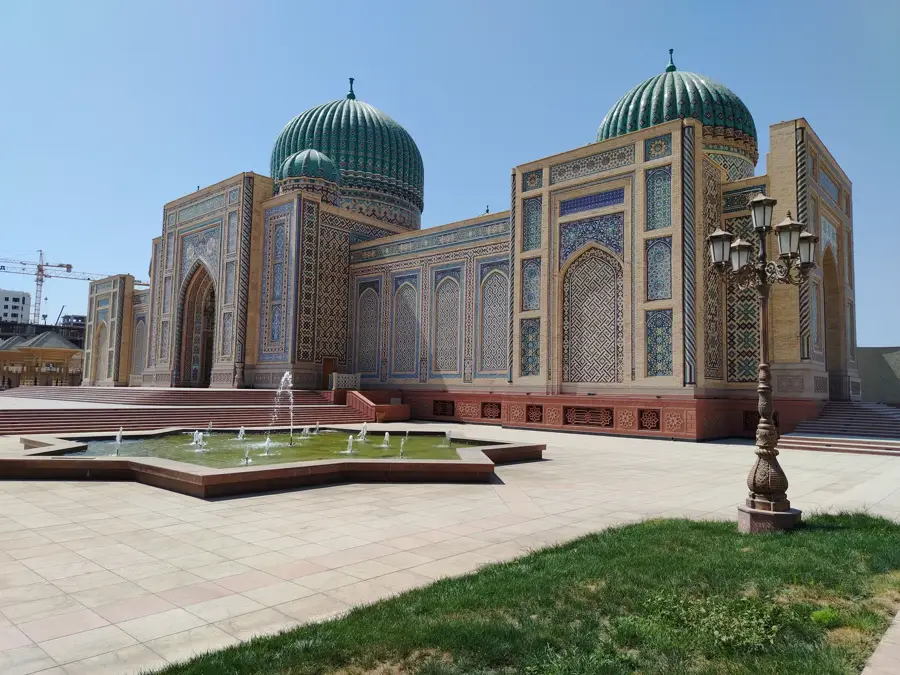
Tsentral'naia mechet' im. "Olimi Dodkho"📍 landmark

The Central Mosque "Olimi Dodkho" is a major Muslim site in Ancient Panjakent.

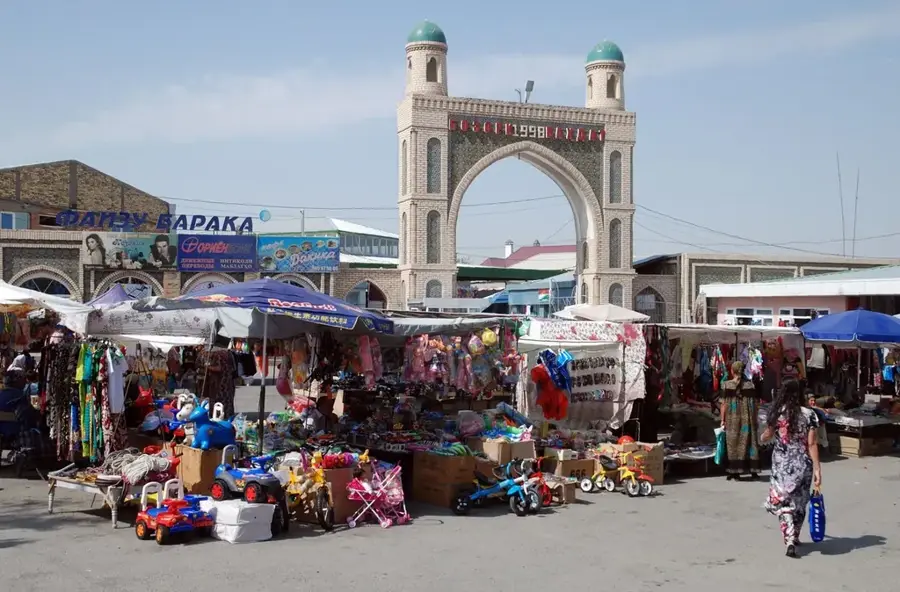
Vegetable and fruit market🎭 culture

The Vegetable and fruit market has fresh local produce in Ancient Panjakent.

khamam Kavola🎡 recreation

The khamam Kavola is a traditional public bath in Ancient Panjakent.

Sights nearby

Frequently asked questions

Why is it called the Pompeii of Central Asia?
Because of the exceptionally well-preserved murals and buildings.
Do you need a guide?
It is recommended to understand the complex history.
Are the ruins easily accessible?
Yes, they are located in the immediate vicinity of Penjikent.
What is the condition of the paths?
The paths are unpaved, sturdy footwear is important.
Can the site be visited independently?
Yes, it is possible, info boards explain the basics.
Ancient Penjikent: where is it located?
Ancient Penjikent is located in Tajikistan.
Ancient Penjikent: what is there to see?
Highlights include Path to Archeological Site, monument of “Firdavsi”, Citadel.
Ancient Penjikent: when is the best time to visit?
The most pleasant time to visit is Jun, Aug, Sep.
Ancient Penjikent: why is it worth visiting?

The archaeological site of Ancient Penjikent represents one of the most significant urban centers of the Sogdian civilization, flourishing between the 5th and 8th centuries AD.
View on map → The Top 50 Attractions → OpenStreetMap →
Asia
Explore with Plizio Discover more places in Asia
More places in Tajikistan →

Nearby cities

History & landmarks
Nature
More places