Plizio Visual Lab
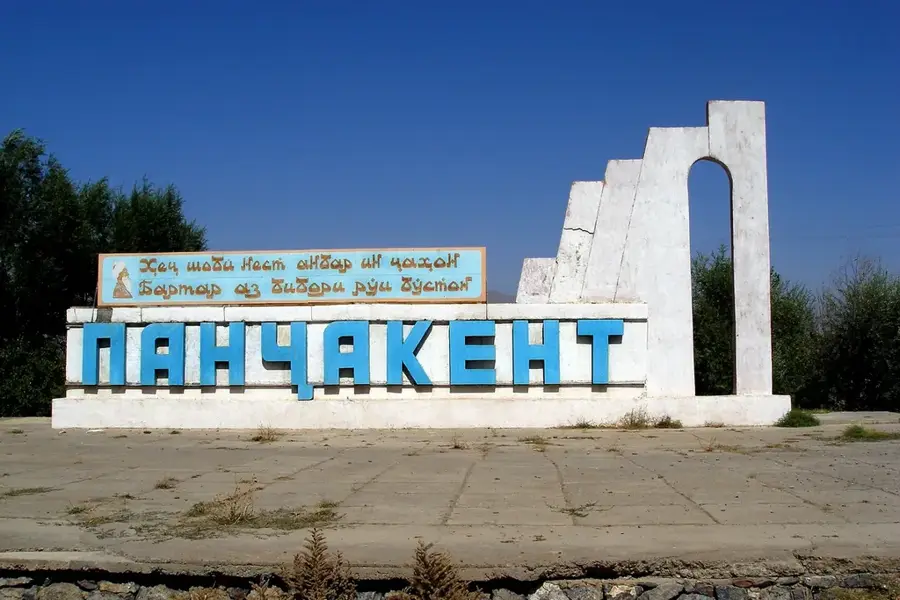
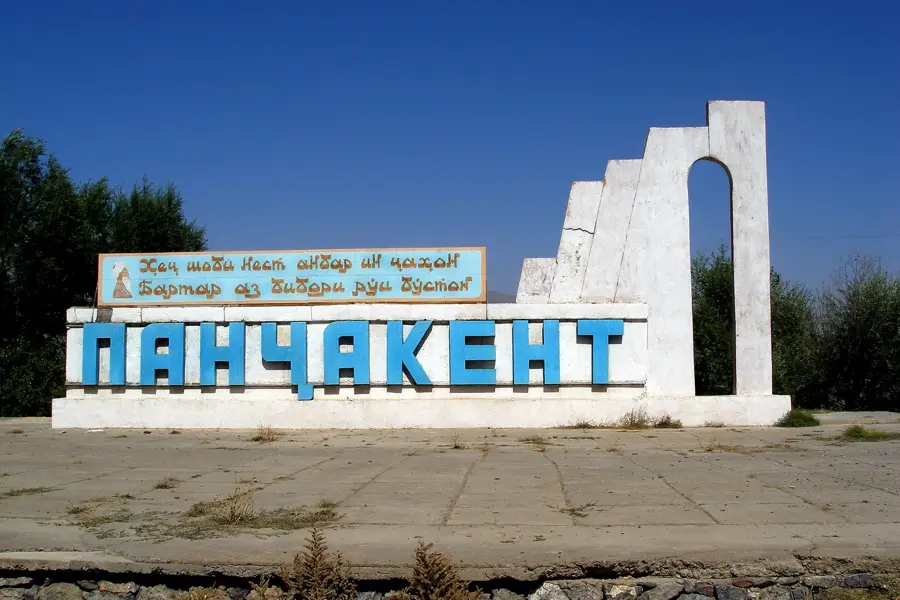
Panjakent
ℹ️Practical info — Panjakent
▾
🌤 Weather — 5 days
📍 Nearby
Sights nearby
💡 Tips
- Visit the Ancient Panjakent ruins in the late afternoon for the best photographic light over the Zeravshan Valley.
- Arrive at the bazaar before 1:00 PM if you want to try the famous local Plov, as it often sells out quickly.
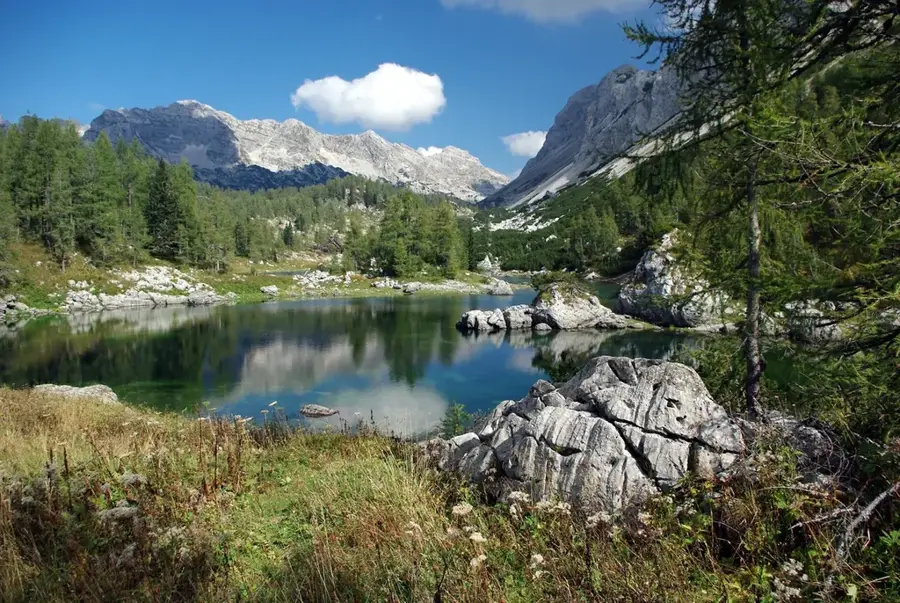
- Use Panjakent as your gateway to the Seven Lakes (Haft Kul); shared taxis gather near the central market.
- Wear sturdy shoes for exploring the archaeological ruins, as the paths can be steep and dusty.
🍽 Food
Unique for its use of yellow carrots; find the most authentic versions at the food stalls inside the central bazaar.
Savory pastries filled with meat or pumpkin and baked in a tandoor, excellent for a quick snack while at the market.
Try the national dish at Restaurant Dusti, which is well-known for its traditional preparation and atmosphere.
🛍 Shopping · 🧘 Quiet spots
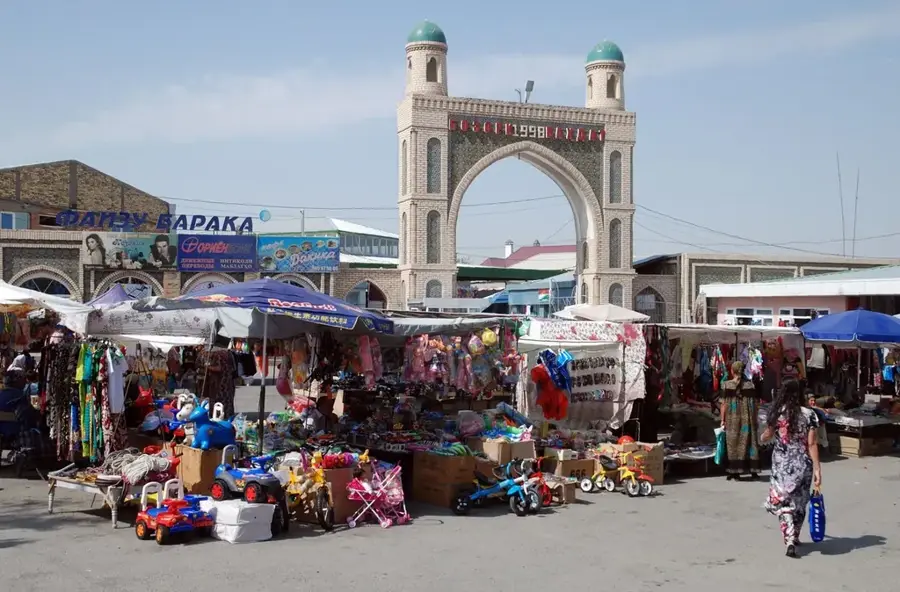
An architecturally unique circular market, handy for buying spices, walnuts, and traditional 'doppa' caps.
Look for traditional 'joma' robes and hand-woven fabrics in the small shops along Rudaki Avenue.
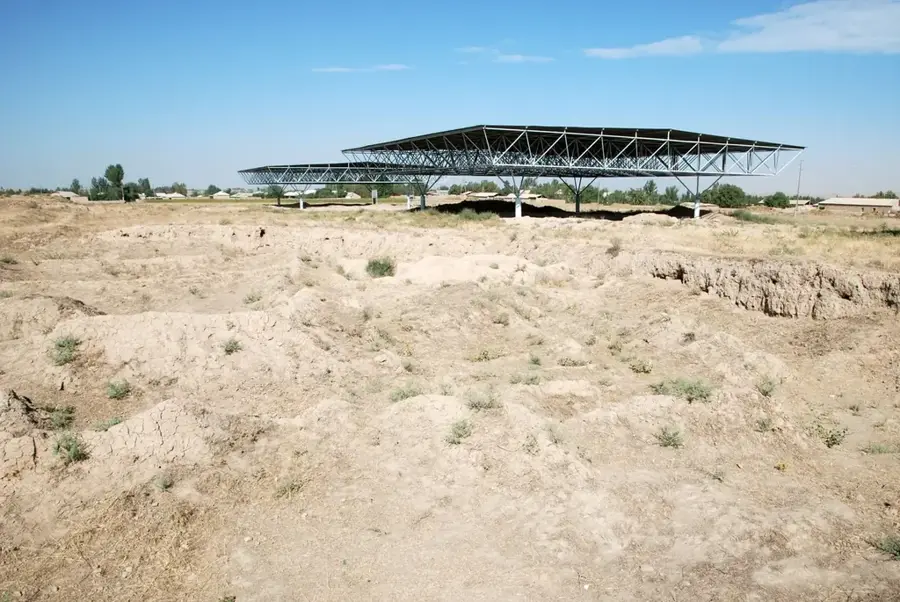
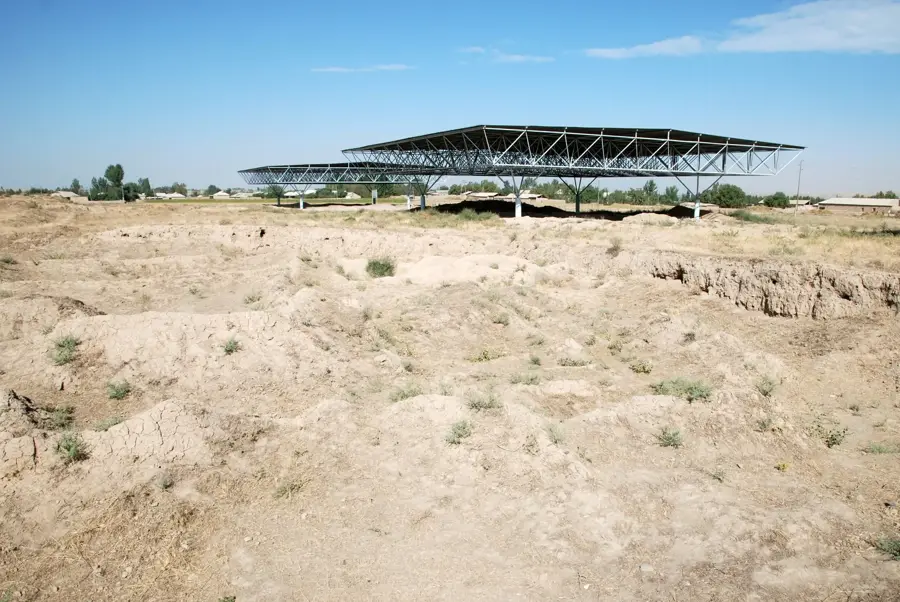
Wander through the remains of the 5th-century Sogdian city; it is very spacious and usually quite peaceful.
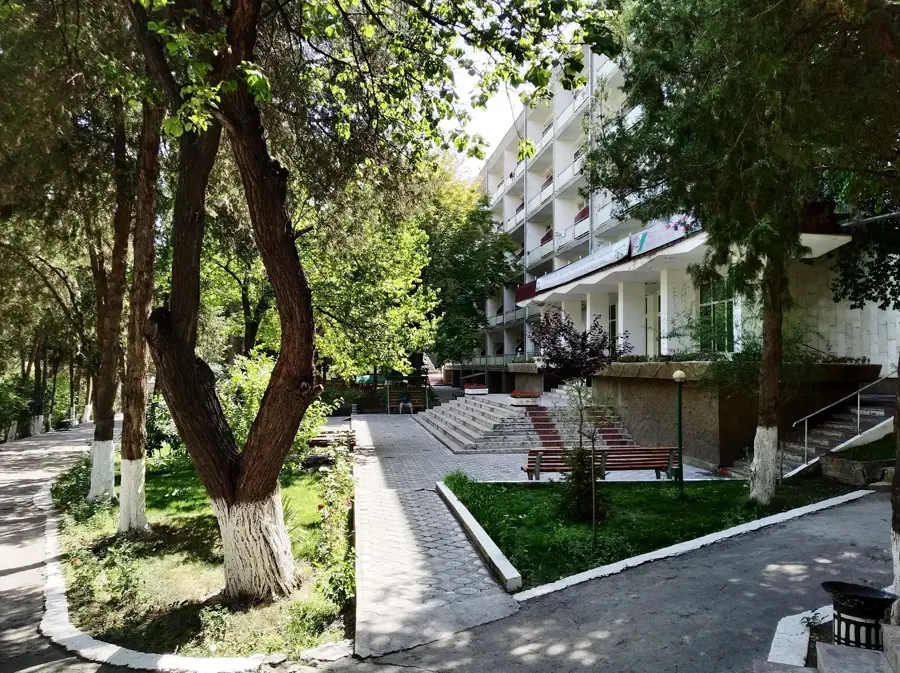
A pleasant green space in the city center named after the poet, well-suited for a quiet break in the shade.
Water temperature…
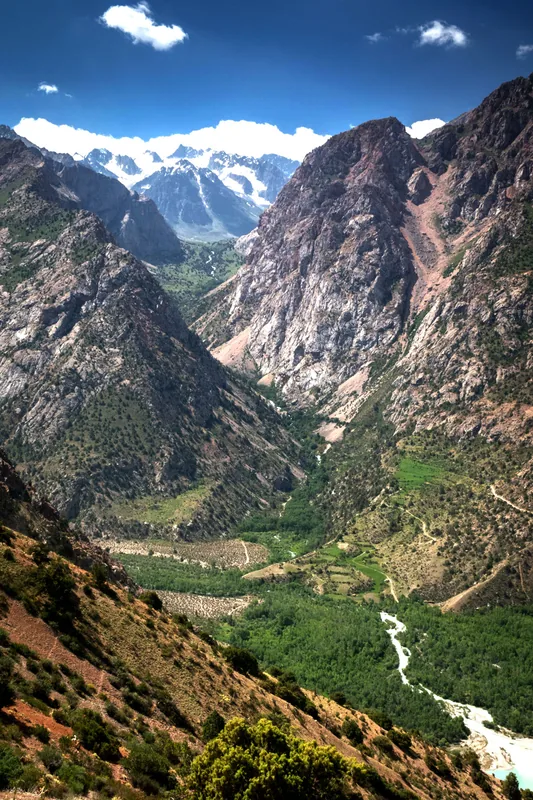
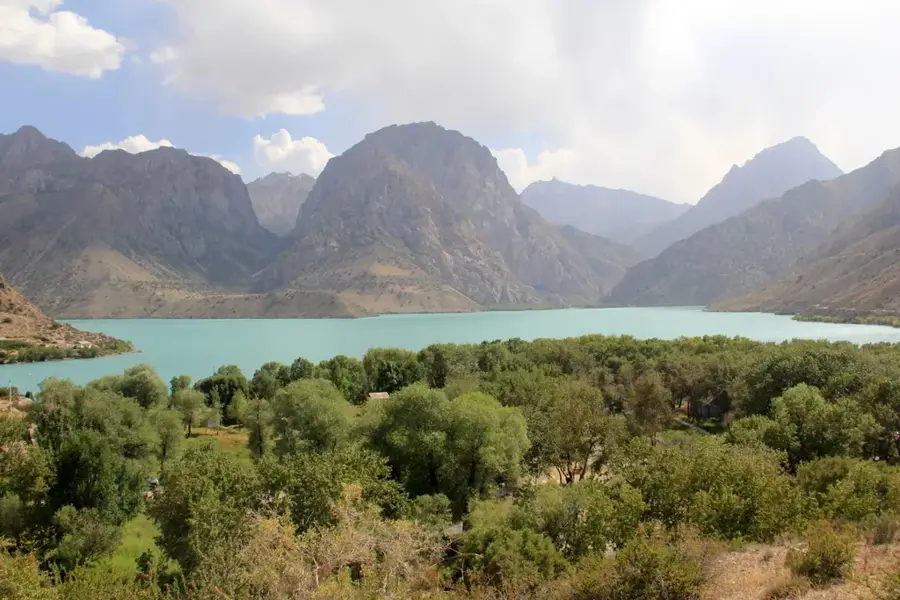
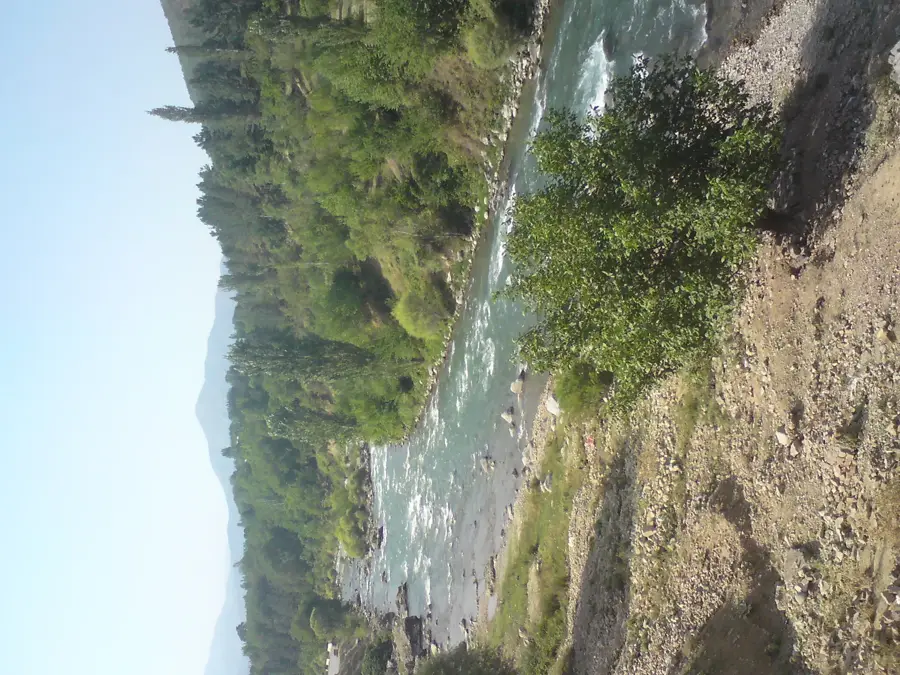
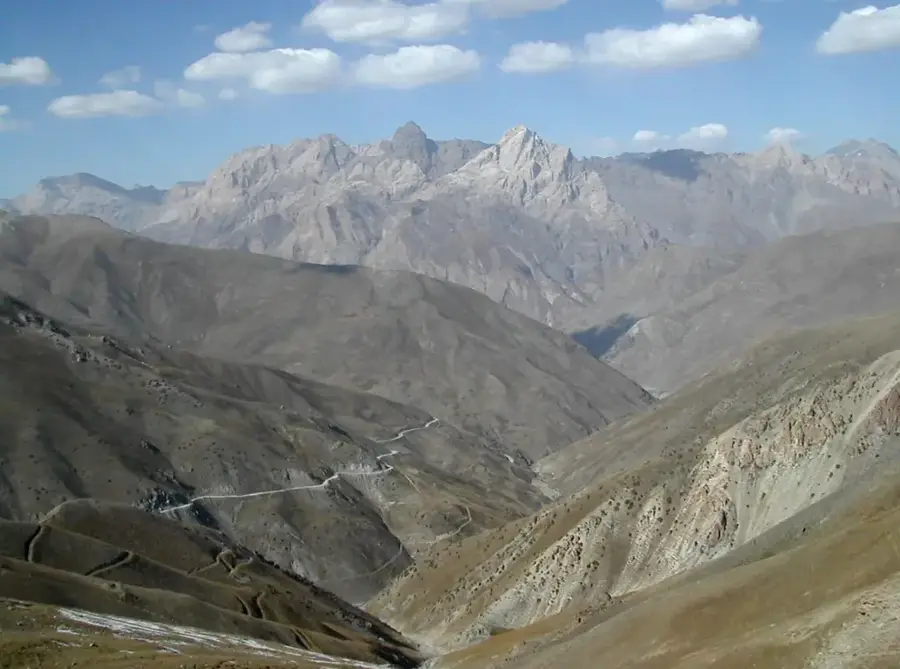
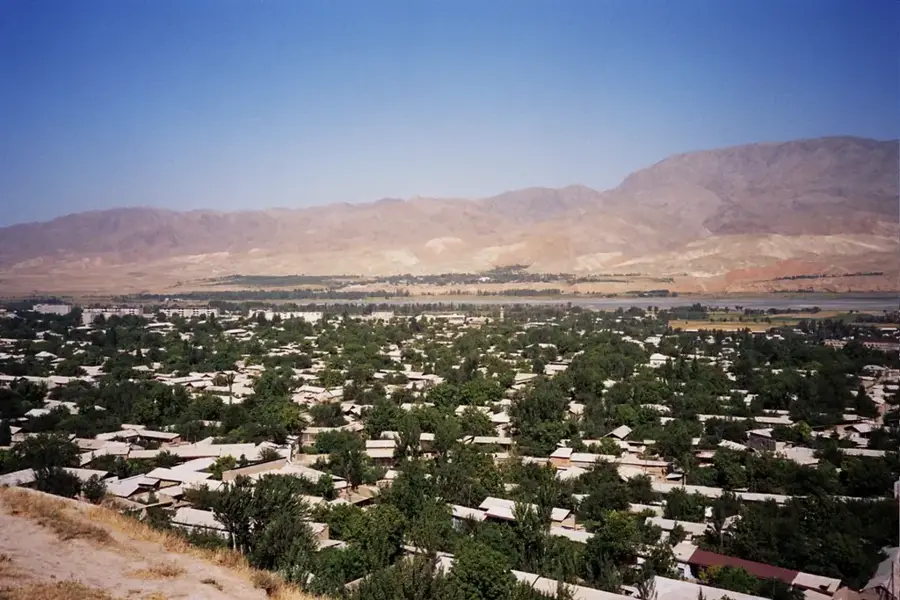
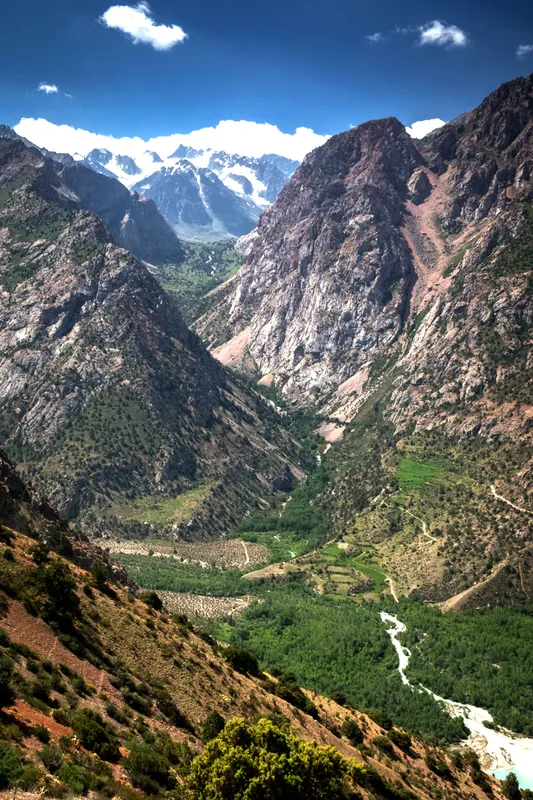
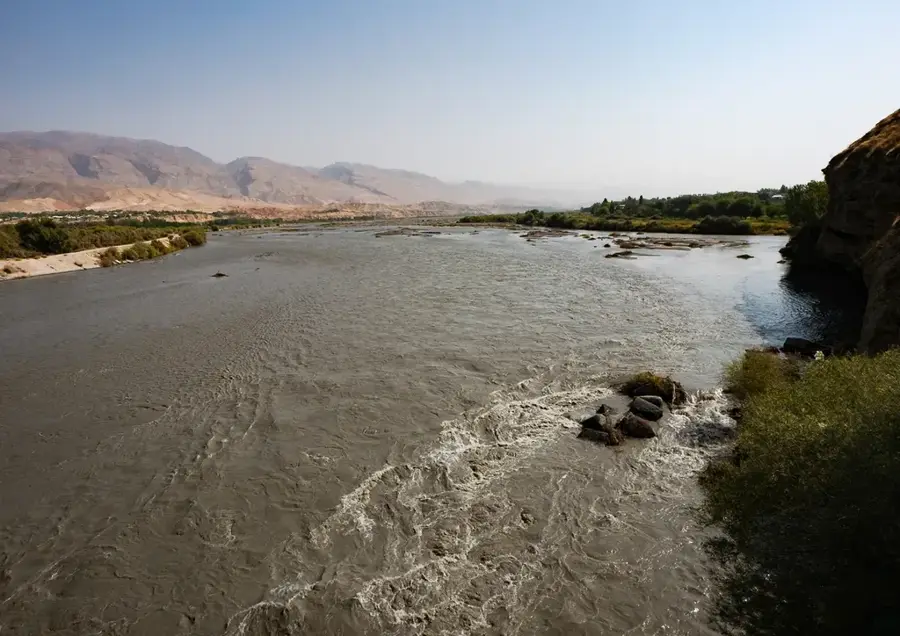
Panjakent, on the upper Zeravshan River just 60 kilometres east of Samarkand, is one of Central Asia’s most important archaeological centres. The modern town of around 35,000 sits directly beside the ruins of ancient Sogdian Panjakent, a thriving caravan metropolis in the 5th, 8th centuries that has earned the nickname “Pompeii of Central Asia” thanks to its remarkable wall paintings. Many of the frescoes discovered here are now on display in the Hermitage Museum in Saint Petersburg. Panjakent was also the home town of the Sogdian king Devashtich, whose archive was unearthed on Mount Mug. The contemporary town is surrounded by orchards, vineyards, and gold mines, and serves as a gateway for treks into the scenic Fann Mountains and to the turquoise Marguzor Seven Lakes, drawing both archaeologists and outdoor enthusiasts.
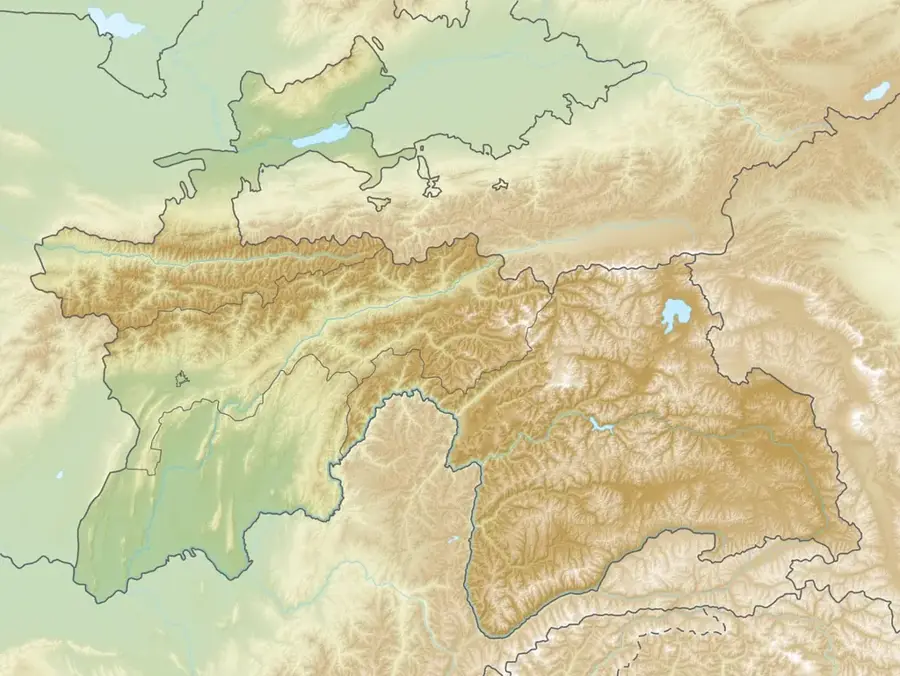
- Location: Tajikistan
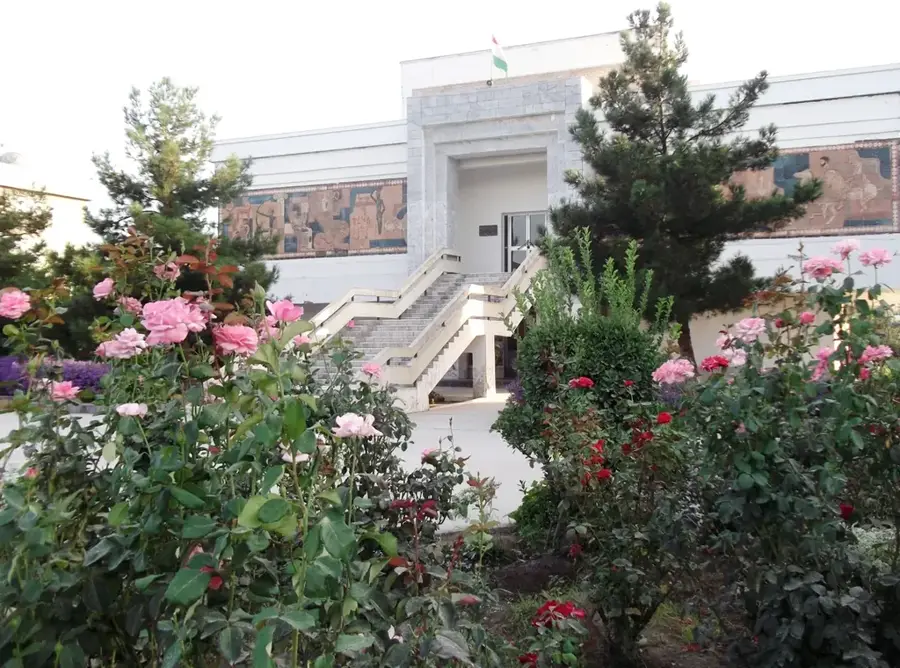
- Top sights: Ancient Panjakent · Historical and cultural museum of Panjakent · Parki Rudaki
- Nearby: Haft Kul (Seven Lakes) (32 km)
- Population: ~35.085 (2012)
Best time to visit & climate
The most pleasant time to visit is Jun, Aug, Sep.
| Jan | Feb | Mar | Apr | May | Jun | Jul | Aug | Sep | Oct | Nov | Dec | |
|---|---|---|---|---|---|---|---|---|---|---|---|---|
| Avg °C | -1 | 0 | 6 | 11 | 17 | 22 | 24 | 23 | 18 | 12 | 5 | 0 |
| Rain mm | 34 | 49 | 60 | 56 | 37 | 11 | 3 | 2 | 3 | 18 | 38 | 34 |
Geography
Facts
- Old Panjakent was abandoned following the Arab conquest in the 8th century.
- The city is located approximately 230 kilometers northwest of Dushanbe.
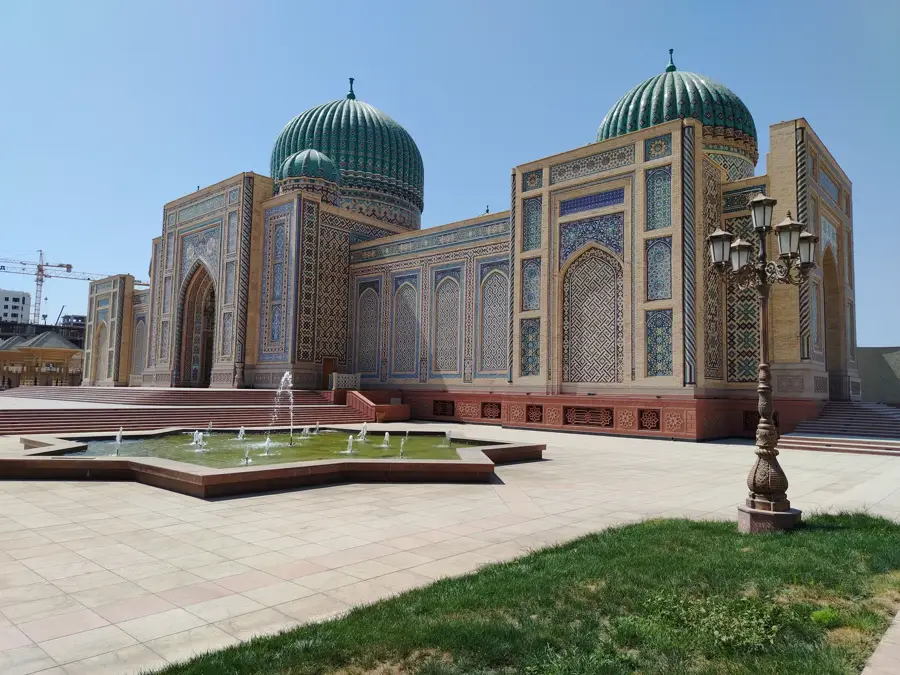
- The Rudaki Museum in Panjakent displays stunning artifacts from the ancient site.
- The nearby archaeological site of Sarazm is a UNESCO World Heritage site.
- Panjakent sits at an average elevation of 900 meters above sea level.
- The district is a major center for gold mining and mineral extraction in Tajikistan.
Explore nearby
Notable places around
Route planner — Car & Motorhome
Where do you start? We build the route here, with stops and country notes along the way.
© OpenStreetMap contributors · OpenRouteService
Sights in the town Panjakent (8)
Frequently asked questions
How many days should I spend in Pandschakent?
When is the best time to visit Pandschakent?
What is the best way to travel to Pandschakent?
What local dish should I try in Pandschakent?
Is Pandschakent a good destination for families?
Panjakent: where is it located?
Panjakent: what is there to see?
Panjakent: when is the best time to visit?
Panjakent: why is it worth visiting?

Nearby cities

History & landmarks
Nature
More places