Plizio Visual Lab

Slovak Ore Mountains
Plizio editorial teamData Sources
Mountain
—°2
Slovak Ore Mountains (Slovakia)

Weather…

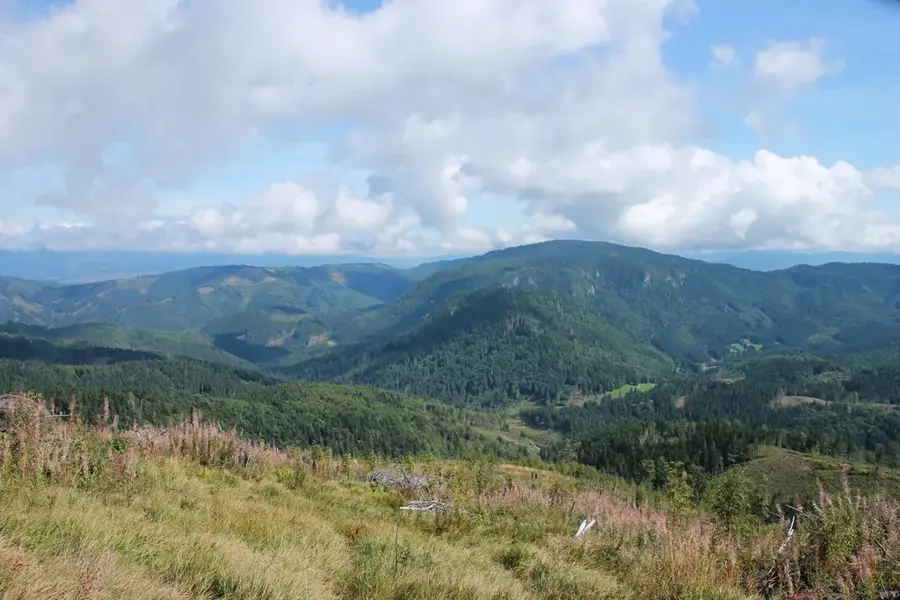
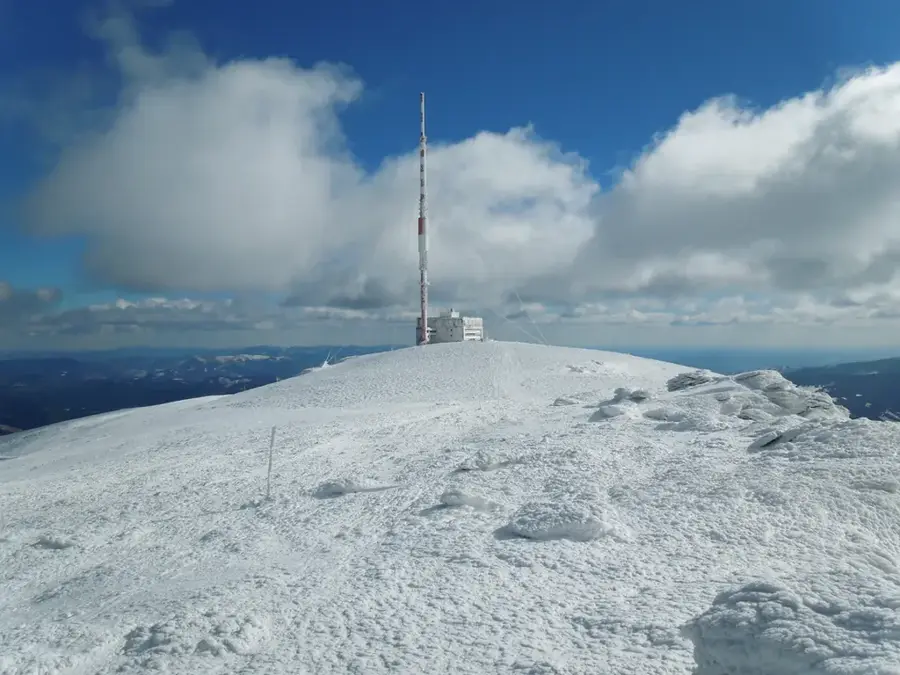
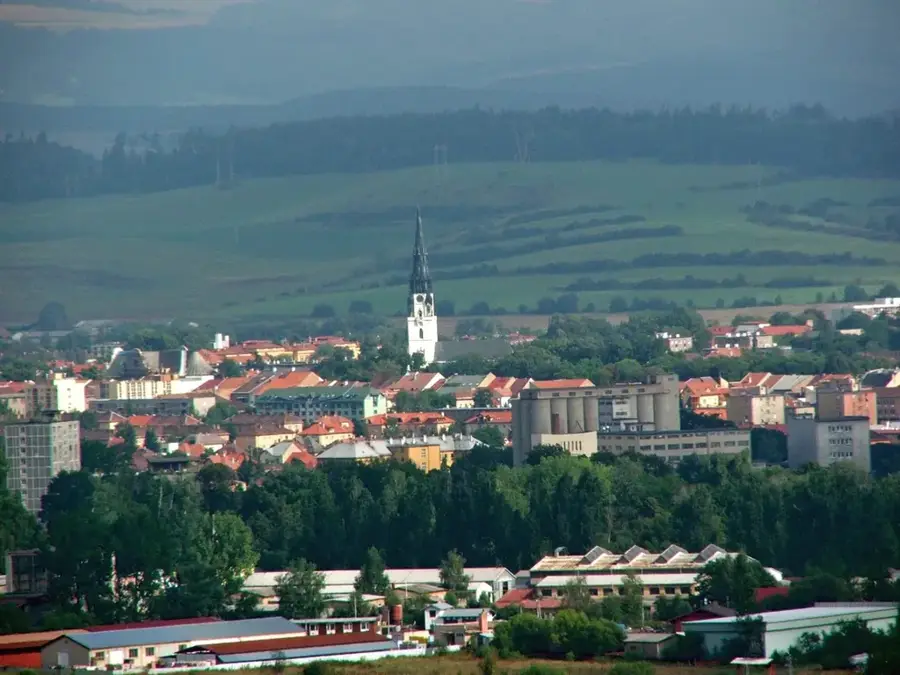
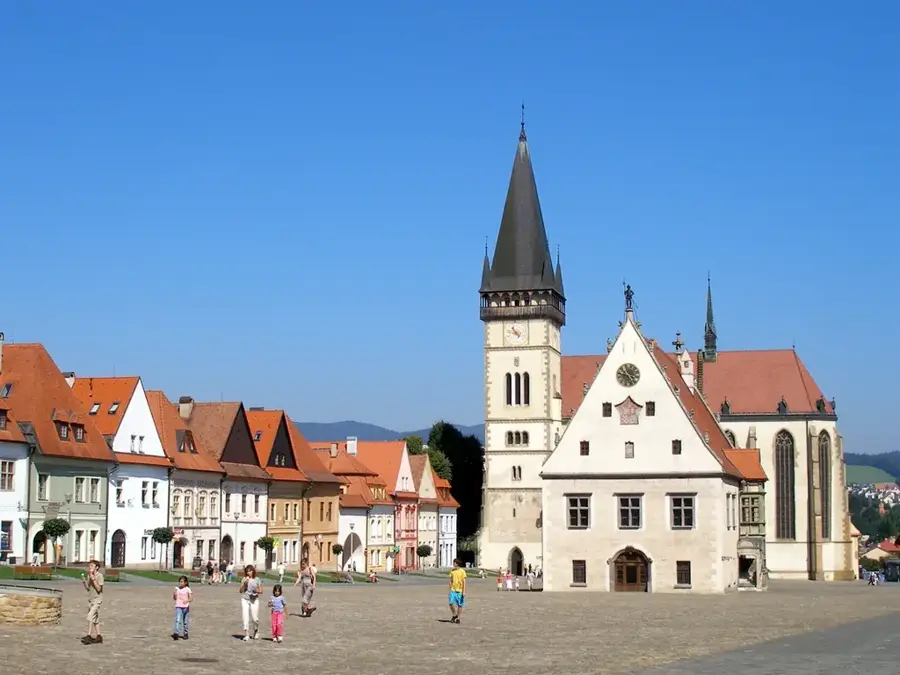
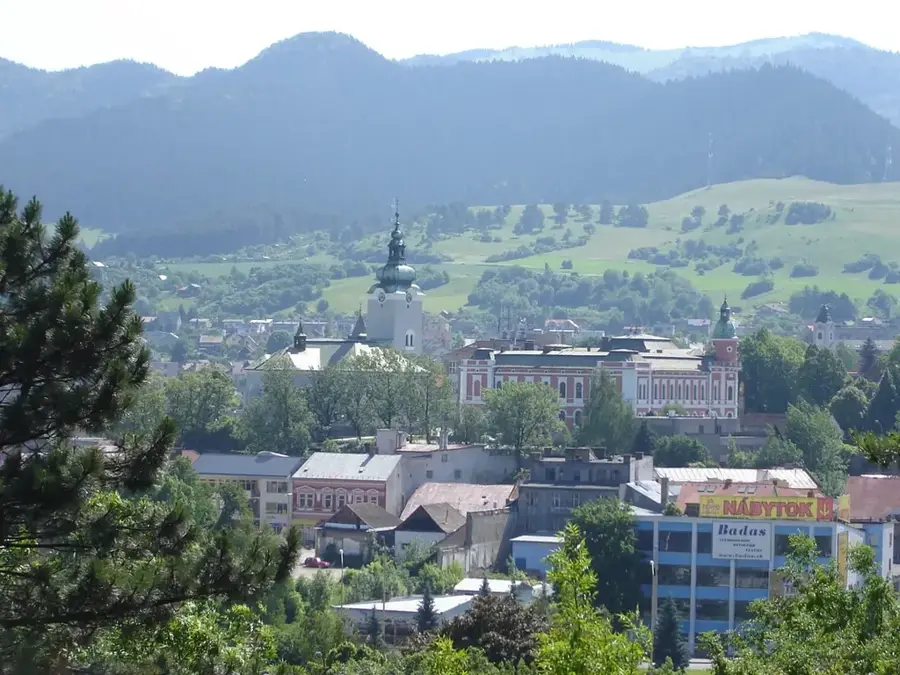
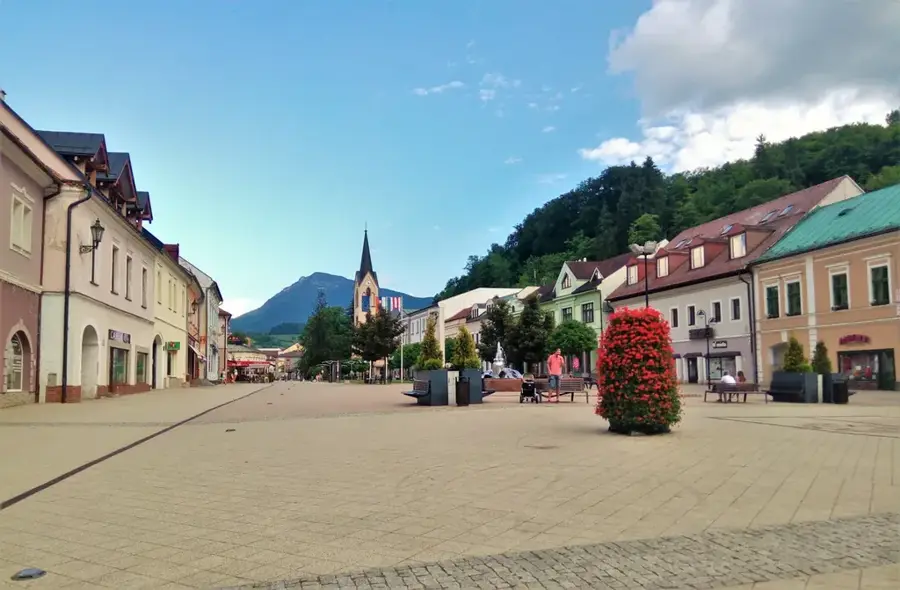
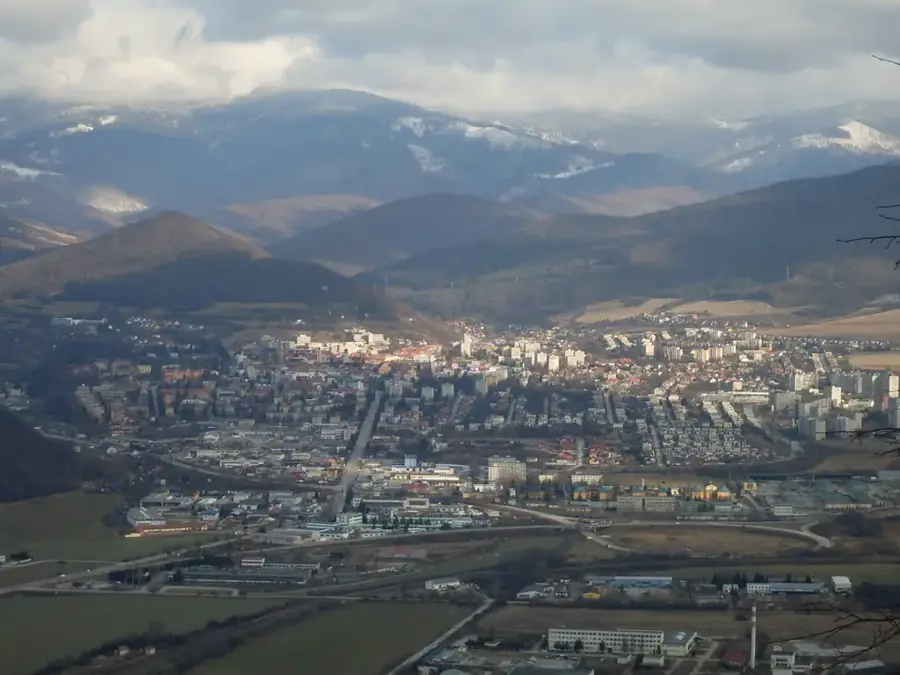
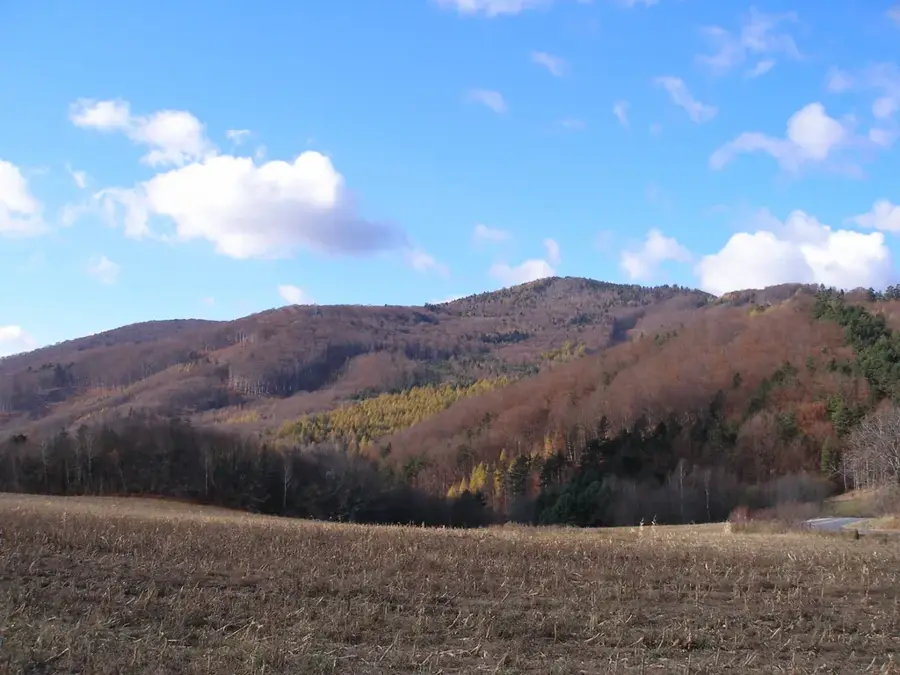
The Slovak Ore Mountains (Slovenské rudohorie) is by far the most extensive mountain range in Slovakia in terms of total area, dominating vast stretches of the eastern-central part of the country. As the name explicitly suggests, this massive geographical system served for many centuries as the undisputed beating heart of European metal mining. Dating back to the Bronze Age and reaching peak intensity during the Middle Ages, colossal quantities of iron, copper, silver, gold, and antimony were extracted from countless deep mines and adits, generating immense wealth and architectural splendor for the local mining towns. Morphologically, the Ore Mountains contrast sharply with the dramatic, jagged alpine peaks of the Tatras; instead, they present as an endless, undulating sea of dense coniferous and mixed forests, rounded ridges, and broad plateaus. The highest point of this colossal mass is the relatively unassuming Stolica peak at 1476 meters. Following the decline of the mining industry, the deeply forested and largely depopulated region has reverted to a pristine wilderness, serving as a tranquil paradise for hikers and encompassing vital protected areas like the Muránska planina National Park.

Best time to visit & climate

The most pleasant time to visit is Jun–Aug.

JanFebMarAprMayJunJulAugSepOctNovDec
Avg °C-7-6-25101315151050-5
Rain mm6664696911912713910289787165

📋 Practical info

🧭
Getting there
The massive Slovak Ore Mountains span a huge area, accessible from multiple towns like Brezno, Rožňava, or Banská Bystrica. A network of winding regional roads provides access to the deep forested valleys and historical mining villages.
📅
Best season
Late spring through autumn provides the most reliable weather for exploring the vast woodlands and industrial heritage sites. Winter brings heavy snowfall to higher elevations, offering peaceful conditions for cross-country skiing.
⛰️
Terrain & paths
The terrain is characterized by endless rolling hills, deep V-shaped valleys, and extremely dense forests rather than jagged alpine peaks. Hiking trails involve long distances on dirt and logging roads with moderate elevation gains.
🎒
What to bring
Durable hiking boots are recommended for navigating rutted logging roads. Since the area is vast and less frequented, carrying a reliable GPS, extra water, and comprehensive weather protection is highly advised for longer treks.
🅿️
Parking
Parking is usually informal, available in small mountain villages or at designated spots near historical mining sites. Look for wider shoulders on forest roads or specific gravel pull-outs when starting a deep forest hike.
⚠️
Safety
The dense, remote forests are prime habitats for large predators like bears and wolves, so hikers should make noise and walk in groups. Be cautious of abandoned mining shafts off the marked trails, which can be unstable and dangerous.
⏱️
Time needed
Because the range is so broad, visits can last from a quick 2-hour stop to see a historical mining site, up to multi-day wilderness backpacking expeditions traversing the long wooded ridges.

Geography

Coordinates
48.77000, 20.21000

Explore nearby

Notable places around
Route planner — Car & Motorhome

Where do you start? We build the route here, with stops and country notes along the way.

Vehicle
Only stops with (optional):

© OpenStreetMap contributors · OpenRouteService

Sights in the town Slovak Ore Mountains (2)

Stolica📍 landmark

Stolica is the highest peak of the Slovak Ore Mountains, reaching an elevation of 1,476 meters.

Príslop📍 landmark

A mountain peak in the Slovak Ore Mountains, offering views of the surrounding highland landscape.

Sights nearby

Frequently asked questions

How large is the Slovak Ore Mountains?
It is the largest mountain system in Slovakia by area, stretching across the central and eastern parts of the country.
What is the highest elevation?
Stolica is the highest peak of this extensive mountain range at 1476 meters.
What is the significance of the name Ore Mountains?
The name refers to historical mining; for centuries, gold, silver, copper, and iron were mined here.
Are there UNESCO World Heritage sites in the region?
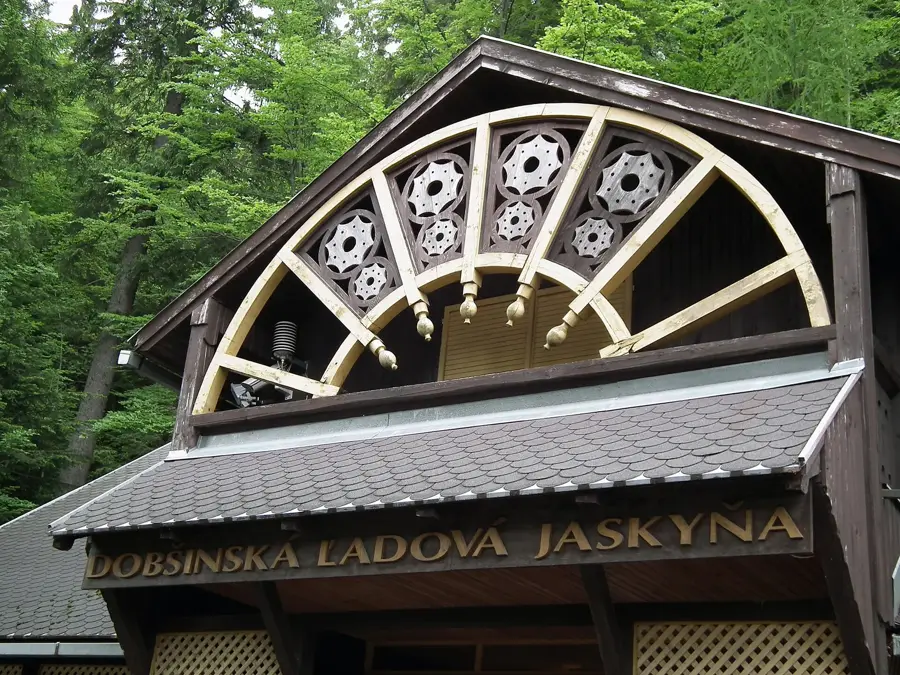
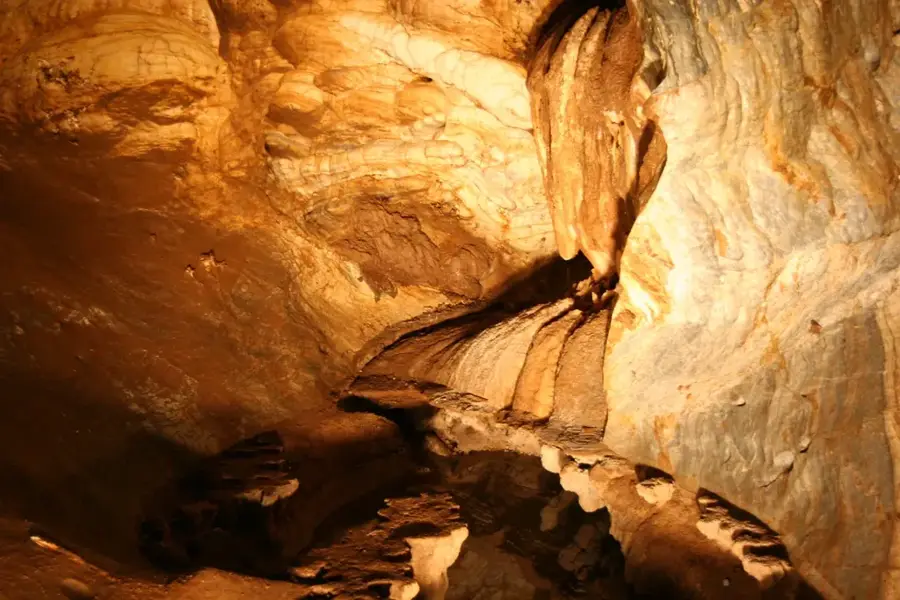
Yes, the Dobšinská Ice Cave and other caves of the Slovak Karst belong to the World Heritage.
Which national park is located in these mountains?
The Muránska planina National Park is part of the Ore Mountains and is known for its wild horses.
Slovak Ore Mountains: where is it located?
Slovak Ore Mountains is located in Slovakia.
Slovak Ore Mountains: what is there to see?
Highlights include Stolica, Príslop.
Slovak Ore Mountains: when is the best time to visit?
The most pleasant time to visit is Jun, Aug.
Slovak Ore Mountains: why is it worth visiting?

The Slovak Ore Mountains (Slovenské rudohorie) is by far the most extensive mountain range in Slovakia in terms of total area, dominating vast stretches of the eastern-central part of the country.
View on map → The Top 50 Attractions → OpenStreetMap →
Europe
Explore with Plizio Discover more places in Europe
More places in Slovakia →

Nearby cities

History & landmarks