Plizio Visual Lab
Leskovac Textile Center
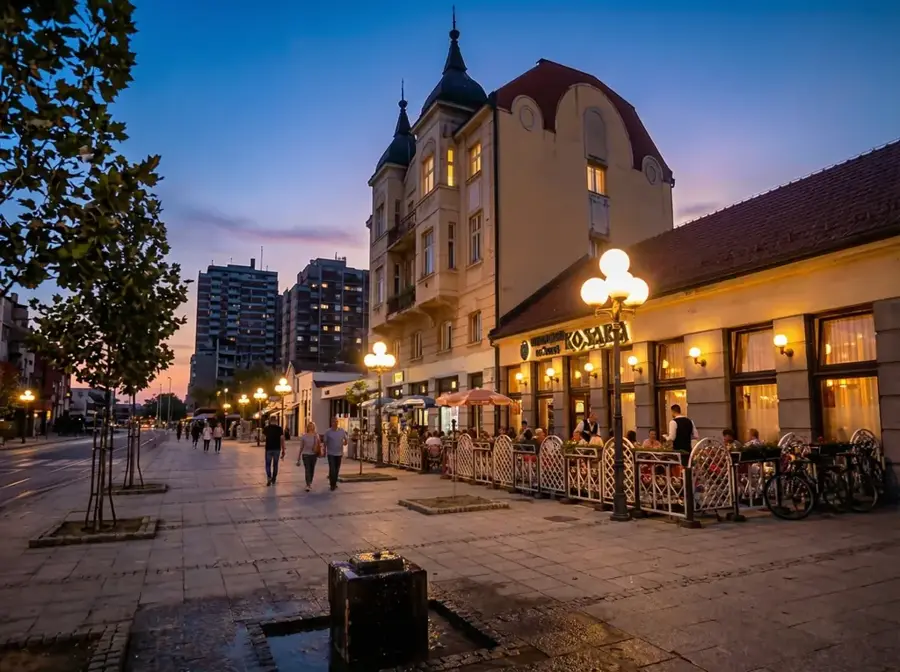
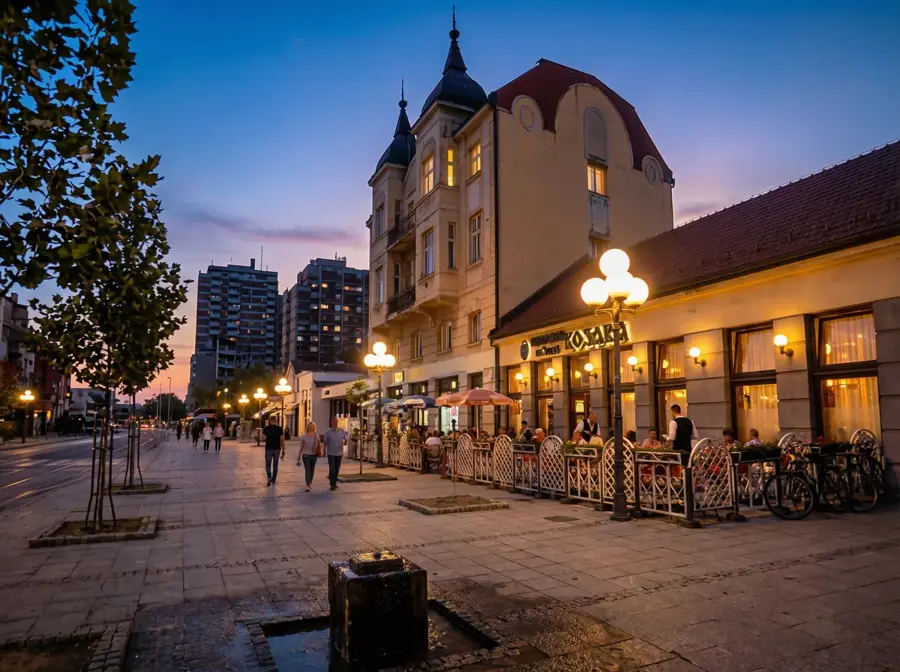
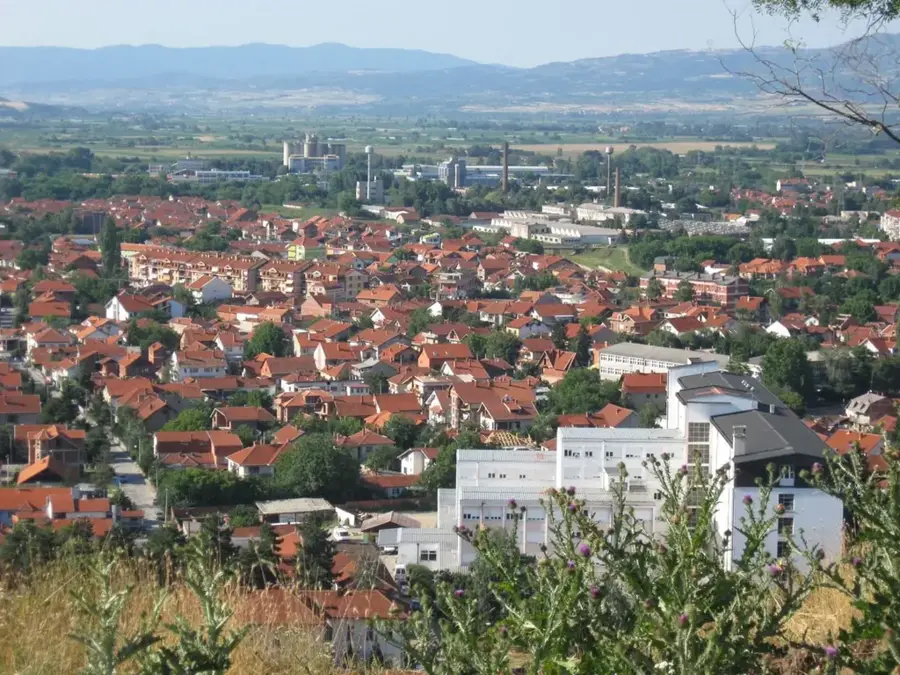
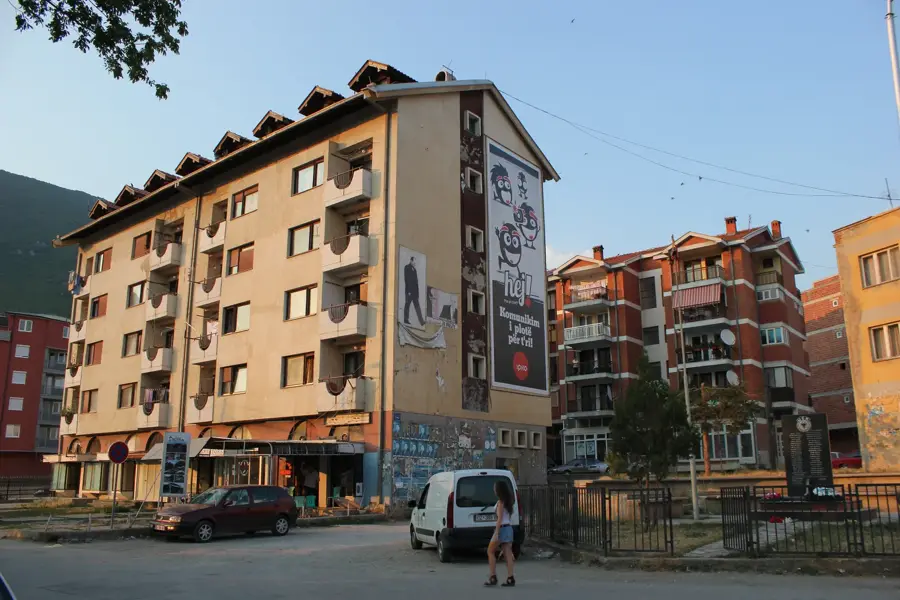
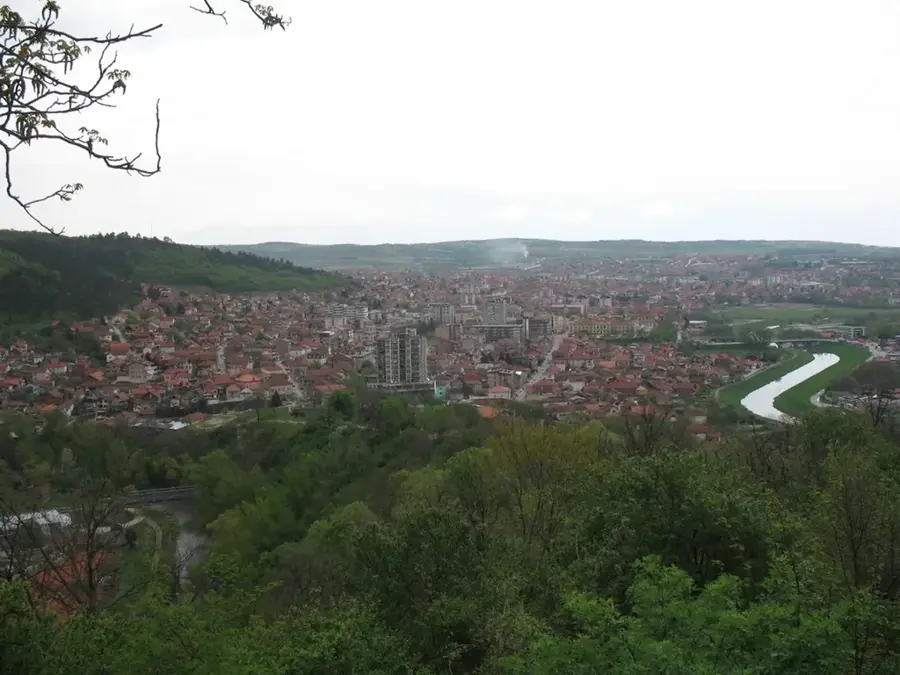
Leskovac earned the nickname 'Serbian Manchester' during the late 19th and early 20th centuries as it became the foremost textile hub in the Balkans. The city's industrial rise began with the establishment of its first textile mill in 1884, leading to a flourishing economy built on wool and hemp processing. At its peak, Leskovac hosted dozens of factories that defined the urban landscape and supported a burgeoning middle class. Following World War II, the industrial base shifted towards pharmaceuticals, notably with the rise of the Zdravlje plant, which remains a key regional employer. While the traditional textile dominance has waned, the city has successfully attracted modern automotive and cable manufacturers, leveraging its position on Pan-European Corridor X. Leskovac's industrial heritage is still evident in its architecture and the National Museum's dedicated exhibits. Today, the city focuses on sustainable economic growth through a mix of light manufacturing and high-tech pharmaceuticals.
- Location: Serbia
- Top sights: Spomenik Oslobodiocima · Aqua Park Atina · Memorial of the Revolution
- Nearby: Niška Banja (32 km)
Best time to visit & climate
The most pleasant time to visit is Jun–Aug.
| Jan | Feb | Mar | Apr | May | Jun | Jul | Aug | Sep | Oct | Nov | Dec | |
|---|---|---|---|---|---|---|---|---|---|---|---|---|
| Avg °C | -1 | 1 | 5 | 10 | 15 | 20 | 23 | 23 | 18 | 12 | 6 | 0 |
| Rain mm | 49 | 46 | 56 | 59 | 75 | 70 | 55 | 48 | 48 | 60 | 55 | 55 |
📋 Practical info
Geography
Facts
- The first textile factory in Leskovac was founded in 1884.
- By the 1930s, Leskovac had 13 major textile mills and several smaller workshops.
- Zdravlje, a leading pharmaceutical company, was established in 1953.
- The city was the primary center for hemp production in the Kingdom of Yugoslavia.
- Leskovac is a key logistics point on the E75 international highway.
- The city's industrial decline in the 1990s was followed by a manufacturing recovery.
Explore nearby
Notable places around
Route planner — Car & Motorhome
Where do you start? We build the route here, with stops and country notes along the way.
© OpenStreetMap contributors · OpenRouteService
Sights in the town Leskovac Textile Center (3)
Aqua Park Atina
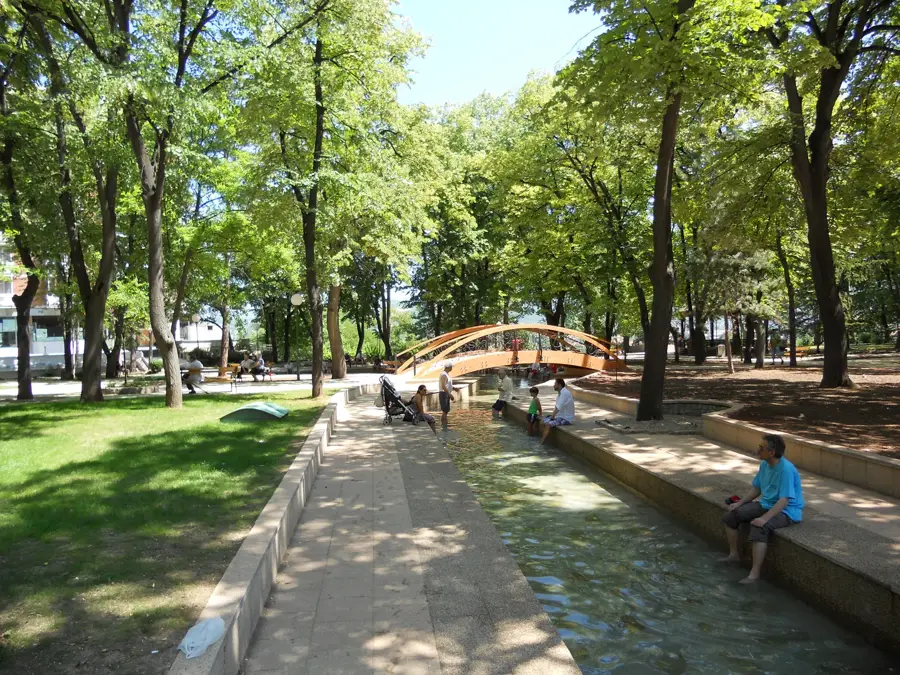
Water park in Leskovac featuring slides, pools, and relaxation areas.
Memorial of the Revolution
Memorial park in Leskovac dedicated to the revolution and the fallen.
Sights nearby
Frequently asked questions
Why is Leskovac called the 'Serbian Manchester'?
Is there a textile museum in Leskovac?
Can you still buy local textiles today?
When is the best time to visit?
Is the industrial zone open for tours?
Leskovac Textile Center: where is it located?
Leskovac Textile Center: what is there to see?
Leskovac Textile Center: when is the best time to visit?
Leskovac Textile Center: why is it worth visiting?

Nearby cities
History & landmarks
Nature
More places