Plizio Visual Lab

Mount Elbrus
Plizio editorial teamData Sources
peak
—°2
Mount Elbrus (Russia)

Weather…

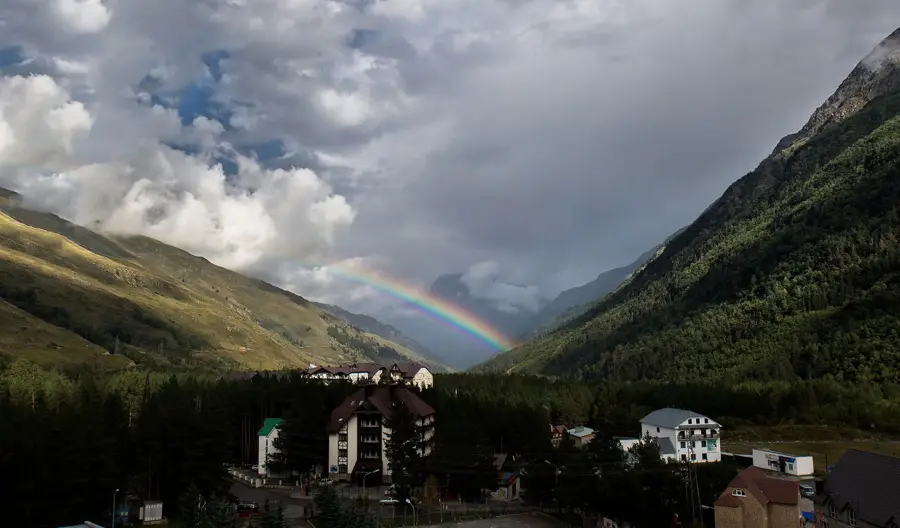
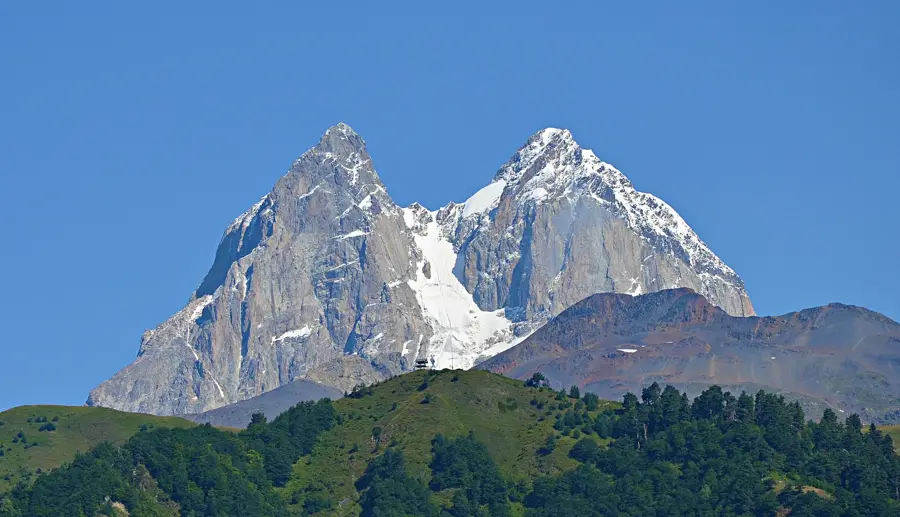
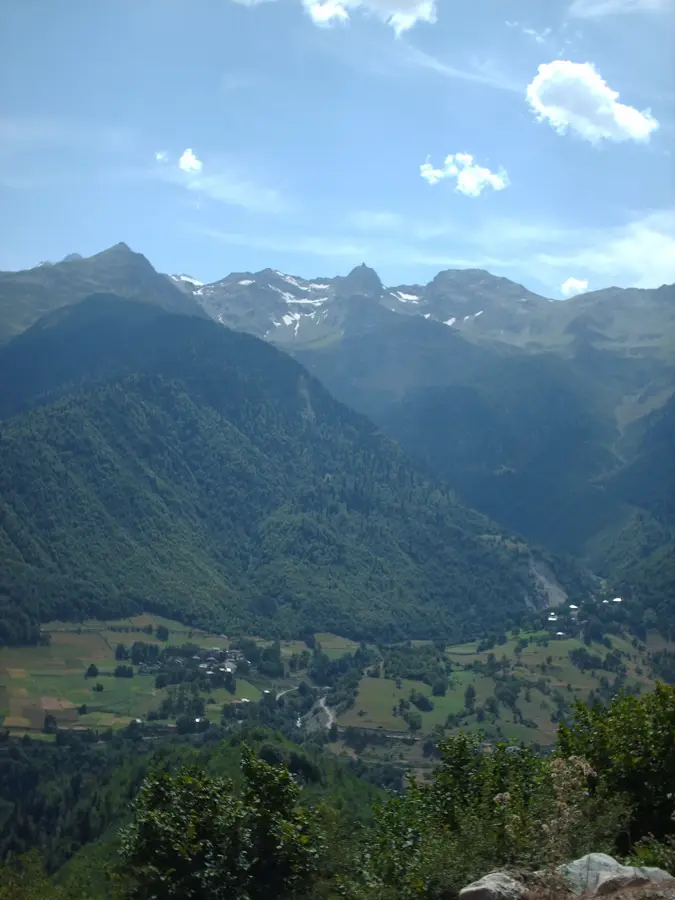
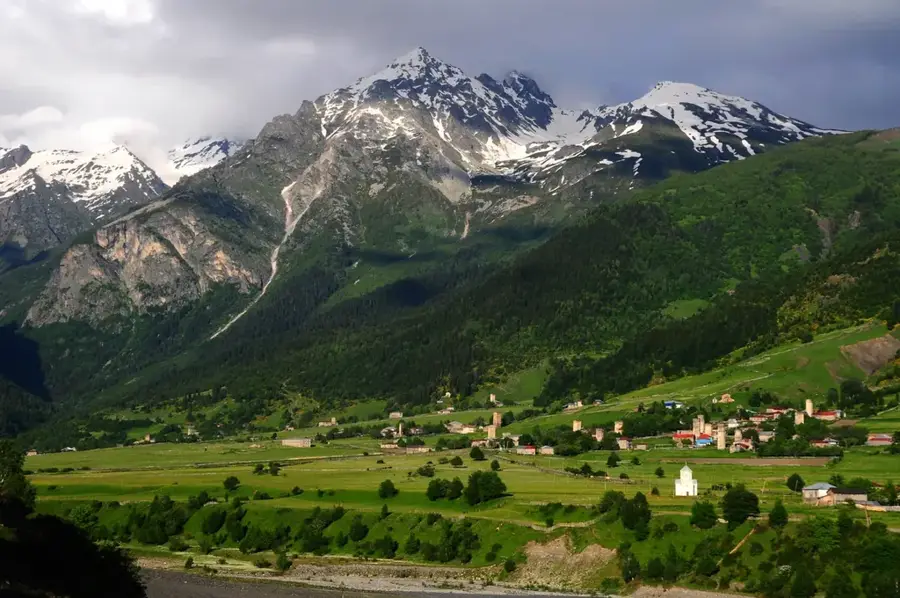
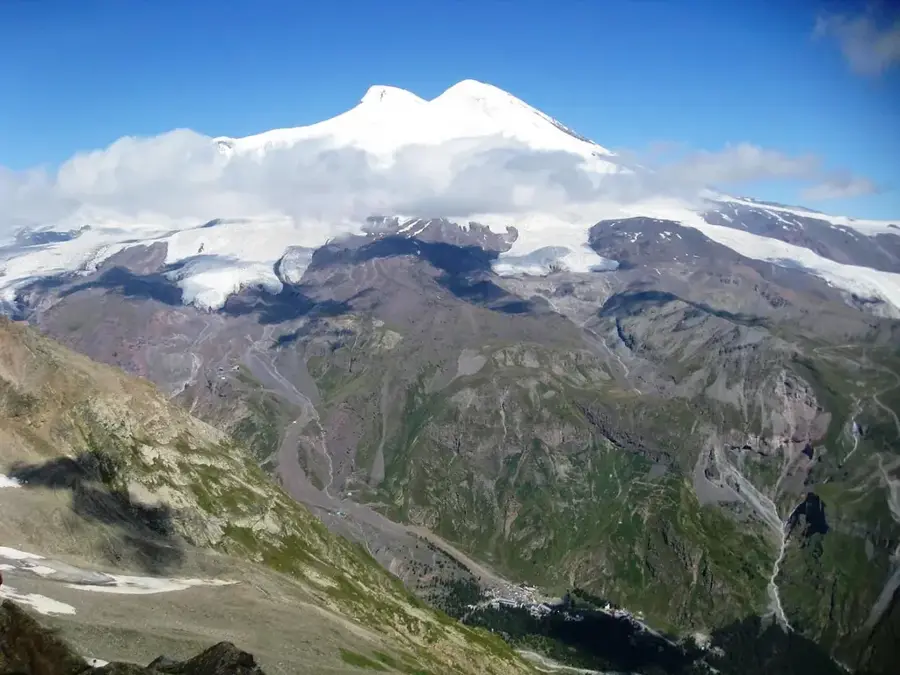
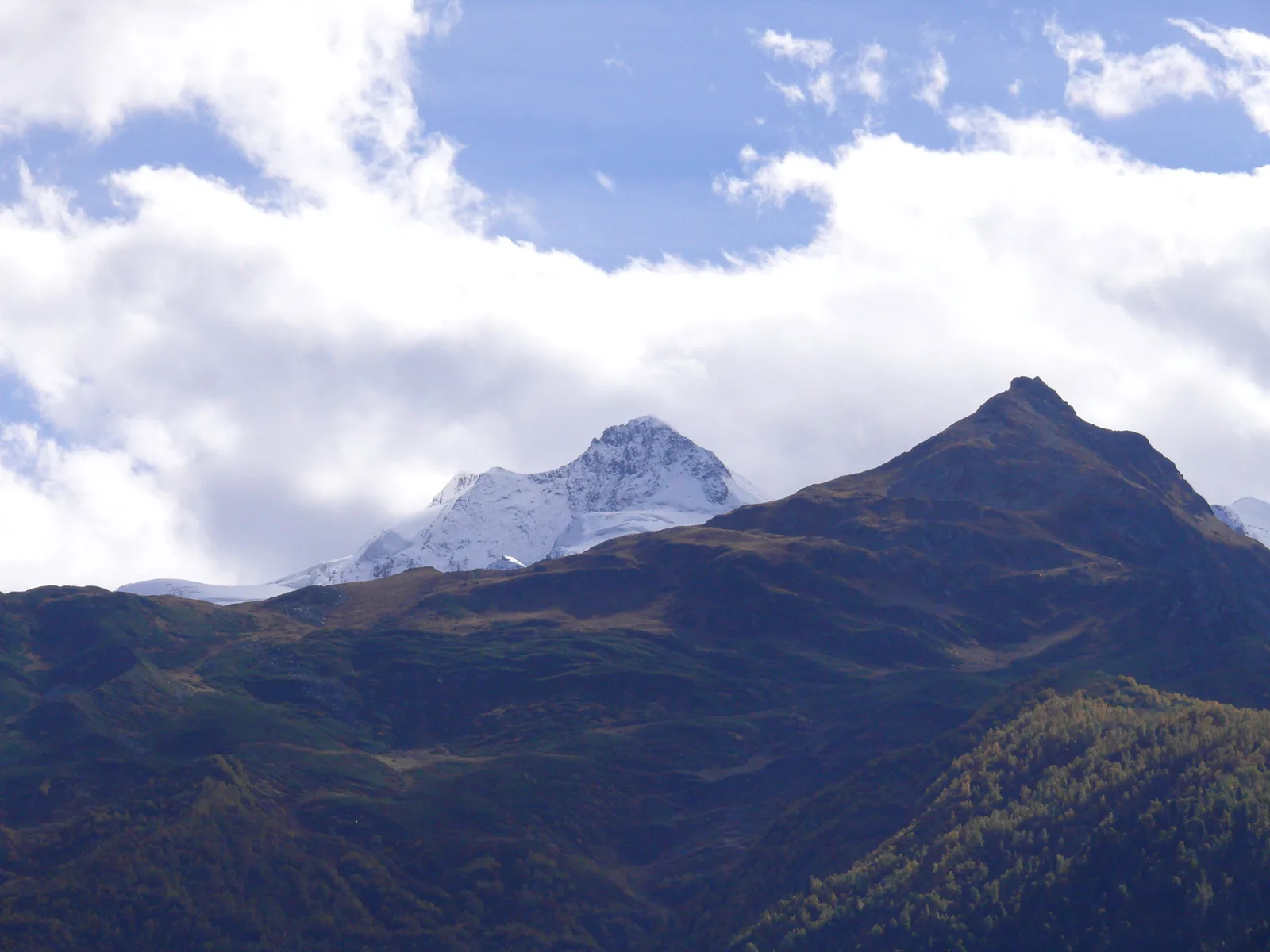
Mount Elbrus stands as a majestic dormant volcano dominating the Caucasus mountain range, widely recognized with its twin peaks as the highest mountain in both Russia and Europe. Located in the southern part of the country near the Georgian border, this ice-clad giant is covered year-round by massive glaciers that feed several vital rivers in the region. The first successful ascent dates back to the 19th century, and today, the mountain remains a highly sought-after destination for mountaineers aiming to complete the prestigious 'Seven Summits' challenge. While cable cars provide relatively easy access to significant altitudes, the mountain's notoriously severe and rapidly changing weather conditions continue to pose a serious challenge even to experienced climbers. Its volcanic past is still evident in the thermal springs found along its slopes.

Best time to visit & climate

The most pleasant time to visit is Jun–Aug.

JanFebMarAprMayJunJulAugSepOctNovDec
Avg °C-10-9-50611131394-3-8
Rain mm524471588084695966736554

📋 Practical info

🧭
Getting there
Access generally starts from the town of Terskol or the Azau glade, where a convenient system of cable cars and chairlifts transports climbers and tourists directly to the high slopes.
📅
Best season
The standard climbing season operates from June through August, ensuring milder cold, longer days, and well-trodden snow paths, though the cable cars run year-round for winter skiing.
⛰️
Terrain & paths
The main southern route is a long, physically grueling snow walk over massive glaciers with moderate steepness, lacking high technical difficulty but testing absolute physical endurance.
🎒
What to bring
Crampons, ice axes, and warm, heavily insulated layers are mandatory; glacier glasses to prevent snow blindness and rigorous sun protection are absolute necessities on the bright slopes.
🅿️
Parking
Paid municipal and hotel parking lots are plentiful in the valley villages like Terskol and Cheget, acting as safe base areas before visitors load onto the high-altitude cable cars.
⚠️
Safety
Extreme altitude sickness is the number one cause of failure and requires strict acclimatization profiles; dangerous hidden glacier crevasses make straying off the main path extremely risky.
⏱️
Time needed
While the physical push to the summit takes around 10 to 14 hours from the high camps, the entire expedition usually requires 7 to 10 days to allow for vital altitude acclimatization.

Geography

Coordinates
43.35000, 42.44000

Explore nearby

Notable places around
Route planner — Car & Motorhome

Where do you start? We build the route here, with stops and country notes along the way.

Vehicle
Only stops with (optional):

© OpenStreetMap contributors · OpenRouteService

Sights in the town Mount Elbrus (2)

Snowcat📍 landmark

A snowcat service for transportation on the slopes of Mount Elbrus.

Pastuhov rocks📍 landmark

A prominent rock formation on the high slopes of Mount Elbrus.

Sights nearby

Frequently asked questions

How high is Mount Elbrus?
It is the highest peak in Russia at 5642 meters.
Is the climb suitable for beginners?
No, solid alpine experience is absolutely necessary.
What is the best climbing season?
June to August provides the most stable weather conditions.
Are there cable cars?
Yes, there is a cable car system up to about 3800 meters.
What to do about altitude sickness?
Descend immediately, drink water, and avoid exertion.
Mount Elbrus: where is it located?
Mount Elbrus is located in Russia.
Mount Elbrus: what is there to see?
Highlights include Snowcat, Pastuhov rocks.
Mount Elbrus: when is the best time to visit?
The most pleasant time to visit is Jun, Aug.
Mount Elbrus: why is it worth visiting?

Mount Elbrus stands as a majestic dormant volcano dominating the Caucasus mountain range, widely recognized with its twin peaks as the highest mountain in both Russia and Europe.
View on map → The Top 50 Attractions → OpenStreetMap →
Europe
Explore with Plizio Discover more places in Europe
More places in Russia →

Nearby cities

History & landmarks