Plizio Visual Lab
Stavropol
ℹ️Practical info — Stavropol
▾
🌤 Weather — 5 days
📍 Nearby
Sights nearby
💡 Tips
- Look for the 45th parallel marker; the city is located exactly halfway between the Equator and the North Pole.
- Be prepared for windy weather; due to its location on a plateau, Stavropol is often quite breezy.
- Visit the Komsomolsky Pond, a man-made lake in the city center that is a popular spot for swimming and relaxing.
- Explore the city on foot, but be mindful of the many stairs and elevation changes between the upper and lower parts.
🍽 Food
Due to the proximity to the Caucasus, you will find excellent grilled meat in the cafes in Victory Park.
The region is known for its dairy; try marinated cheeses at the local markets.
Buy this aromatic honey in natural product shops in the city center.
🛍 Shopping · 🧘 Quiet spots
The best place for fresh agricultural produce and local delicacies.
Find modern fashion and daily necessities here.
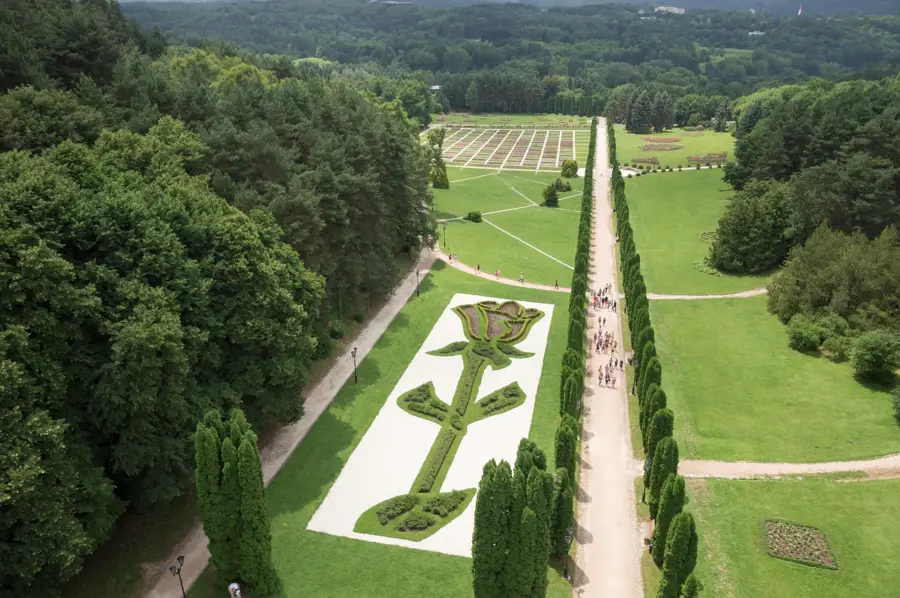
A vast green oasis with rare plants, excellent for a quiet afternoon.
Away from the attractions, the park provides dense forest sections for relaxing walks.
Water temperature…
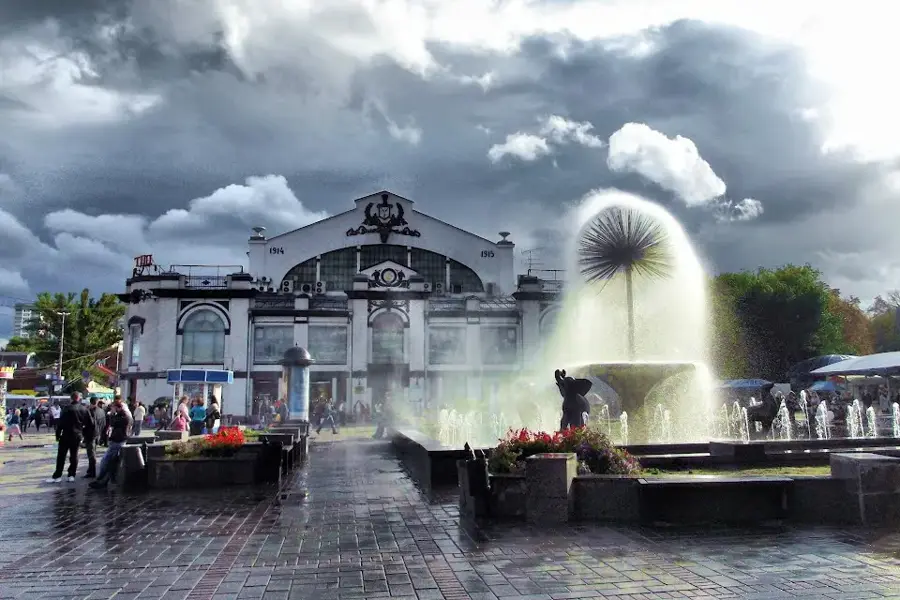
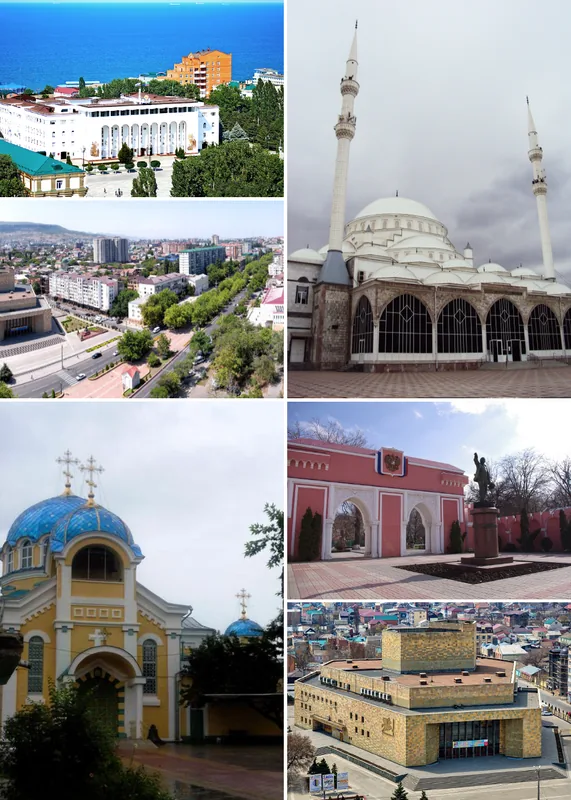
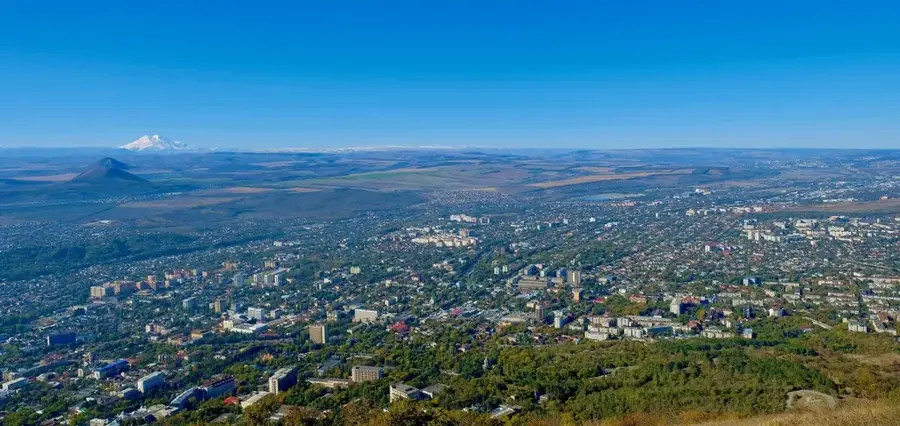
Stavropol was established in 1777 by decree of Catherine the Great as a key fortress within the Azov-Mozdok defensive line. Located in the North Caucasus on the Stavropol Upland, the city sits at an elevation of approximately 600 meters, earning it the nickname Gateway to the Caucasus. Geographically, it is situated precisely on the 45th parallel north, placing it equidistant between the North Pole and the Equator. During the 19th century, the settlement transitioned from a military outpost into a significant commercial and administrative hub, serving as a vital stopover for travelers and military figures heading into the Caucasus mountains. Today, Stavropol serves as the administrative center of the Stavropol Krai and is noted for its high concentration of universities, research institutes, and extensive urban forests. The city's landscape features a blend of 19th-century classical architecture and contemporary developments, with the historic remains of the fortress still visible on Komsomolskaya Hill.
- Location: Russia
- Top sights: Tiflisskie gates · Stavropol State Local History Museum · Stavropolskii kraevoi muzei izobrazitelnykh iskusstv
- Population: ~433.931
Best time to visit & climate
The most pleasant time to visit is Jun, Aug, Sep.
| Jan | Feb | Mar | Apr | May | Jun | Jul | Aug | Sep | Oct | Nov | Dec | |
|---|---|---|---|---|---|---|---|---|---|---|---|---|
| Avg °C | -2 | 0 | 4 | 10 | 16 | 21 | 24 | 24 | 18 | 11 | 4 | 0 |
| Rain mm | 35 | 32 | 55 | 36 | 74 | 70 | 59 | 45 | 43 | 53 | 40 | 36 |
Geography
Facts
- Founded in 1777 as a strategic fortress of the Azov-Mozdok line.
- The city is located exactly on the 45th parallel north.
- It sits at an average elevation of 600 meters above sea level.
- From 1935 to 1943, the city was officially named Voroshilovsk.
- The name Stavropol is derived from Greek, meaning City of the Cross.
- The municipality covers an area of approximately 171 square kilometers.
Explore nearby
Notable places around

Route planner — Car & Motorhome
Where do you start? We build the route here, with stops and country notes along the way.
© OpenStreetMap contributors · OpenRouteService
Sights in the town Stavropol (12)
Stavropolskii kraevoi teatr kukol🎭 culture
Stavropol Regional Puppet Theater performs classic and modern fairy tales in a historic building.
Frequently asked questions
How long stay in Stavropol?
When is the weather best?
How best to travel there?
Is there a local dish?
Is Stavropol suitable for children?
Stavropol: where is it located?
Stavropol: what is there to see?
Stavropol: when is the best time to visit?
Stavropol: why is it worth visiting?

Nearby cities