Plizio Visual Lab
Lapland Nature Reserve
Weather…
Water temperature…
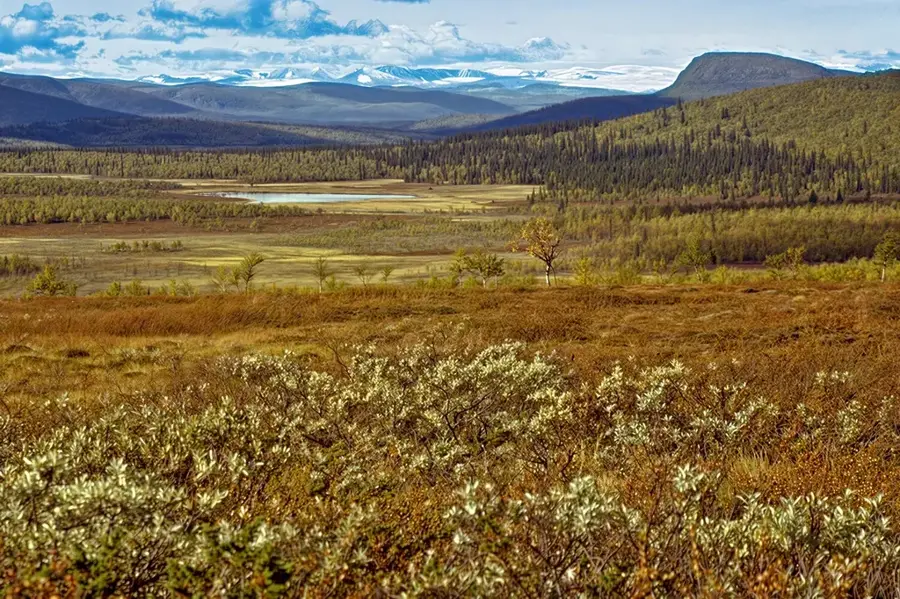
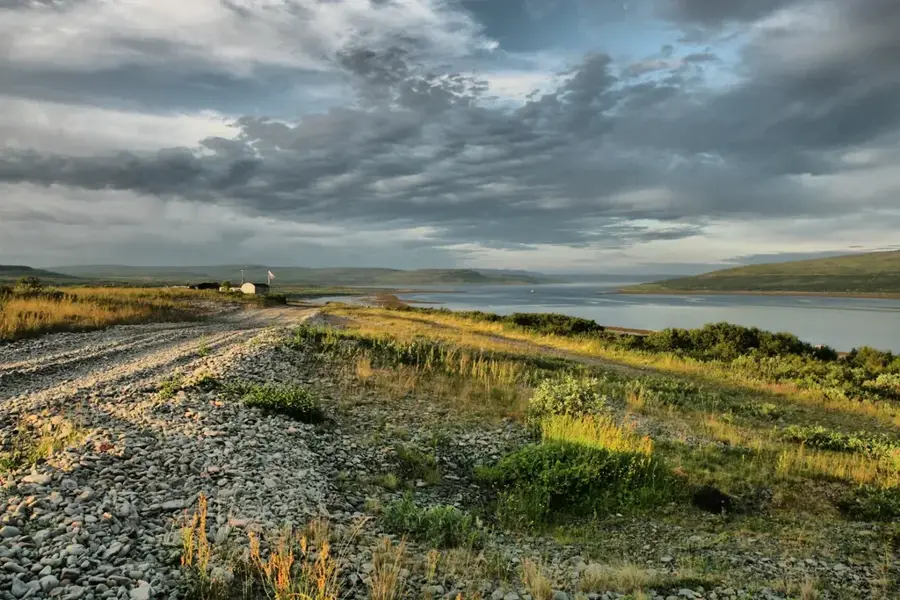
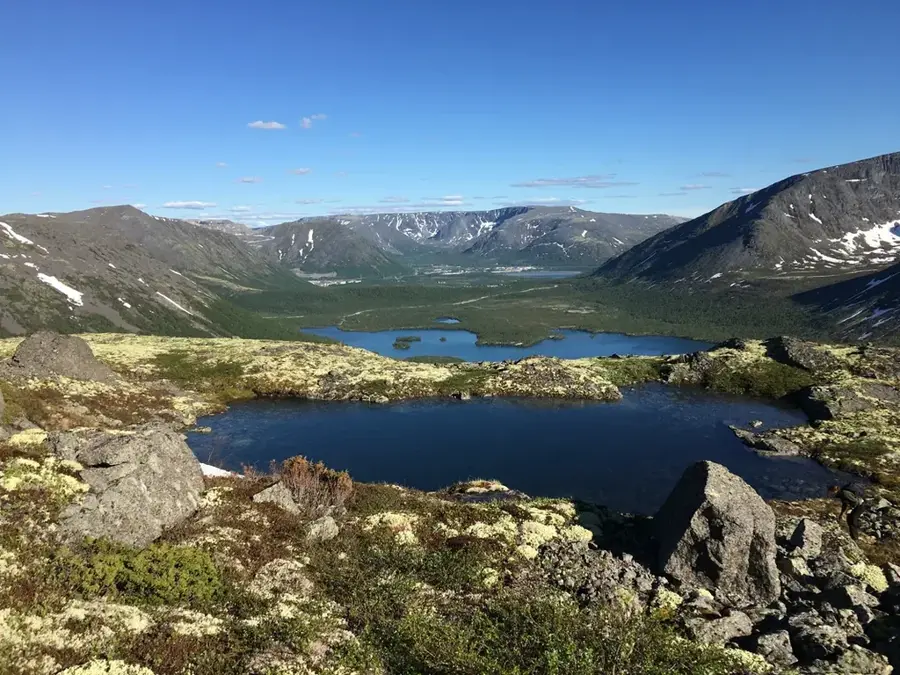
The Lapland Nature Reserve, standing as one of the oldest in Russia, is located entirely north of the Arctic Circle on the Kola Peninsula and was established in 1930 with the primary goal of saving the wild reindeer population from extinction. This harsh yet mesmerizing landscape consists of boreal taiga, pristine mountain tundra, crystal-clear glacial lakes, and ancient mountain massifs. It remains one of the few regions in Europe where the highly sensitive tundra ecosystem is still completely intact. Beyond the iconic wild reindeer, the reserve provides a critical safe haven for moose, brown bears, wolverines, and the elusive Arctic fox. The ancient timber is also remarkable: some Siberian spruce and pine trees residing in the reserve's lower sheltered valleys are over 500 years old, an exceptional age for such extreme northern latitudes. During the long polar nights, the Northern Lights bathe the snowy wilderness in magical colors, solidifying its status as an untouched arctic sanctuary.
- Location: Russia
- Nearby: Kandalaksha (61 km)
Best time to visit & climate
The most pleasant time to visit is Jun–Aug.
| Jan | Feb | Mar | Apr | May | Jun | Jul | Aug | Sep | Oct | Nov | Dec | |
|---|---|---|---|---|---|---|---|---|---|---|---|---|
| Avg °C | -14 | -13 | -9 | -3 | 3 | 9 | 13 | 11 | 6 | -1 | -7 | -11 |
| Rain mm | 49 | 43 | 49 | 56 | 81 | 105 | 119 | 109 | 91 | 80 | 59 | 60 |
📋 Practical info
Geography
Explore nearby
Notable places around
Route planner — Car & Motorhome
Where do you start? We build the route here, with stops and country notes along the way.
© OpenStreetMap contributors · OpenRouteService
Sights in the town Lapland Nature Reserve (1)
Sights nearby
Frequently asked questions
Can I see reindeer?
What is the best way to travel?
Can I hike in summer?
Do I need winter clothing?
Are there northern lights?
Lapland Nature Reserve: where is it located?
Lapland Nature Reserve: when is the best time to visit?
Lapland Nature Reserve: why is it worth visiting?

Nearby cities
History & landmarks