Plizio Visual Lab
Phosphate Discovery Site
Weather…
Water temperature…
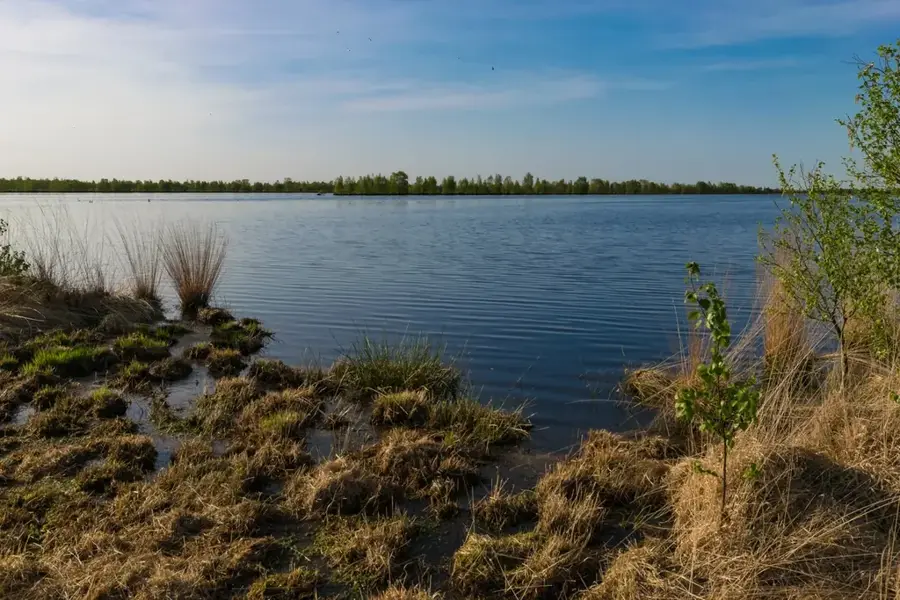
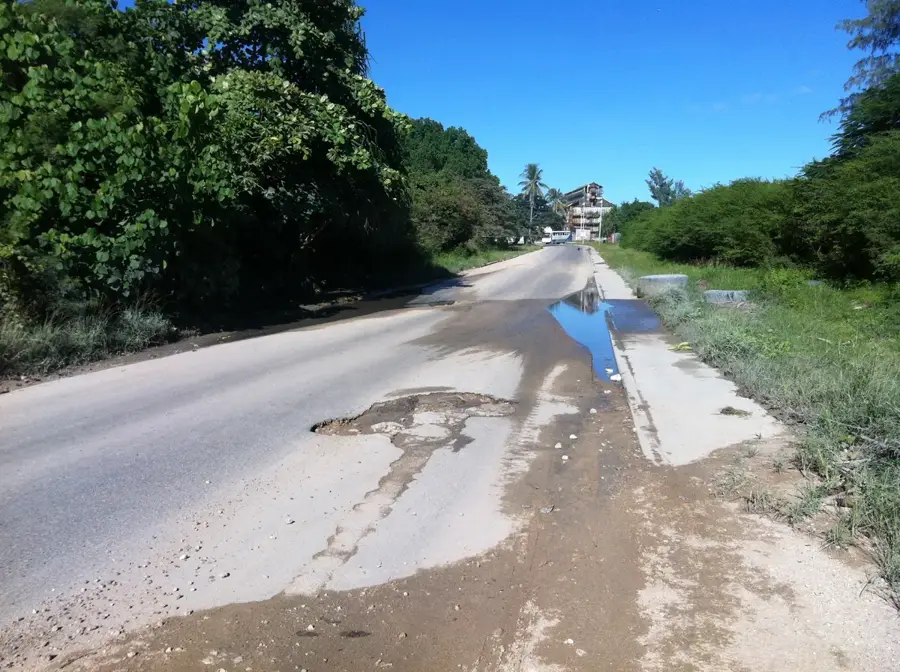
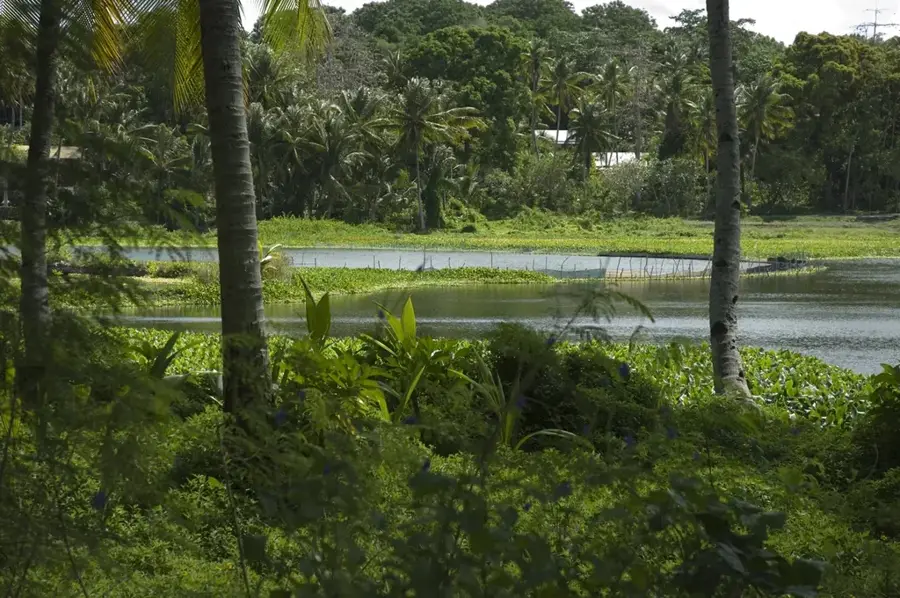
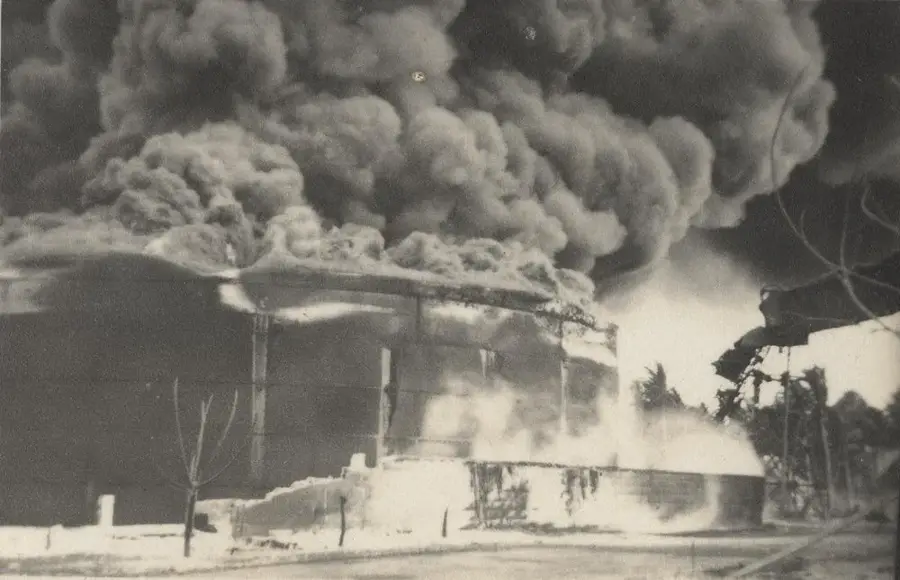
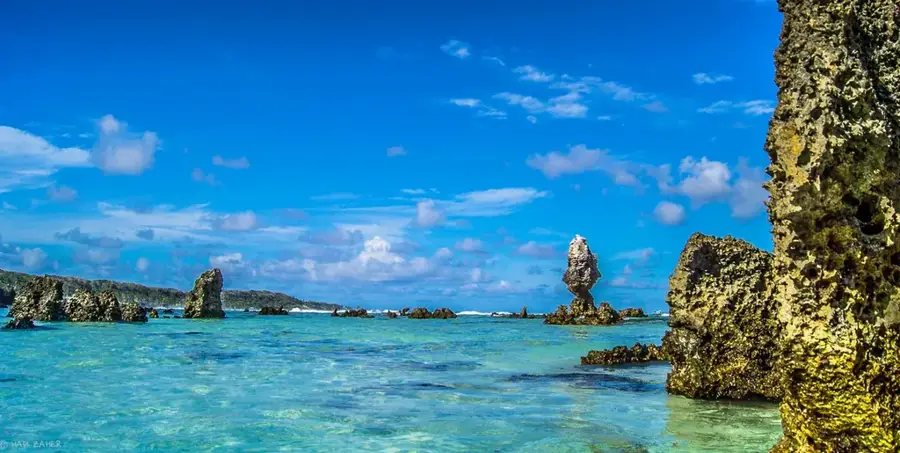
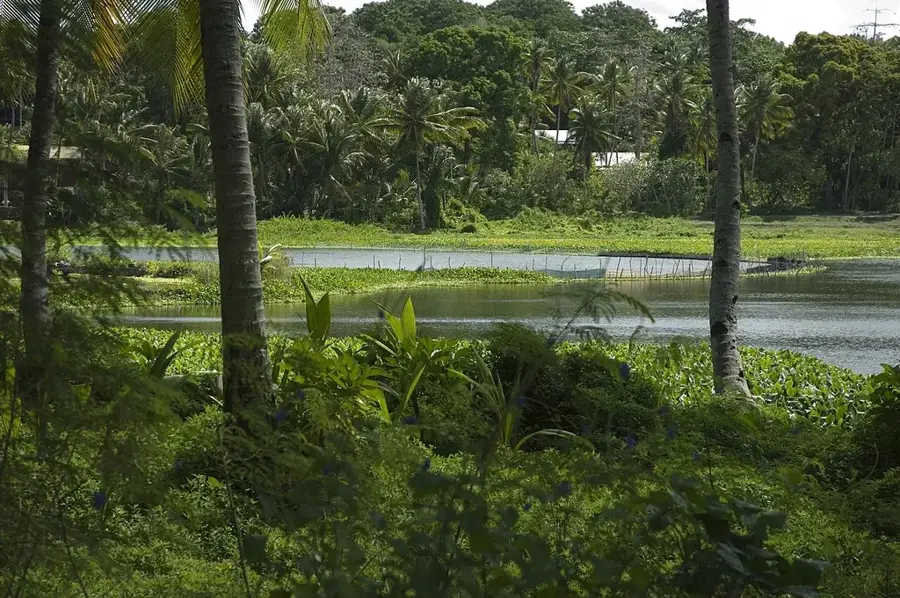
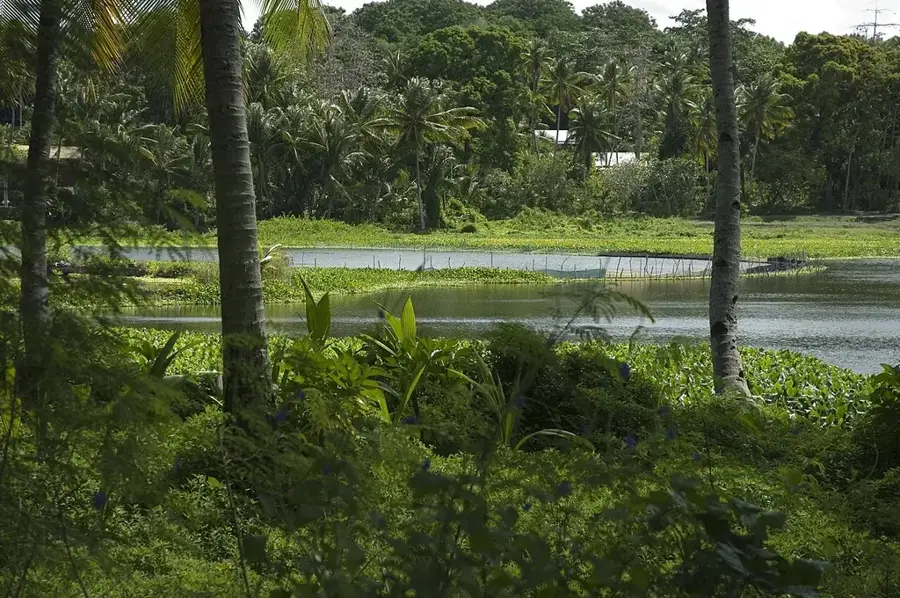
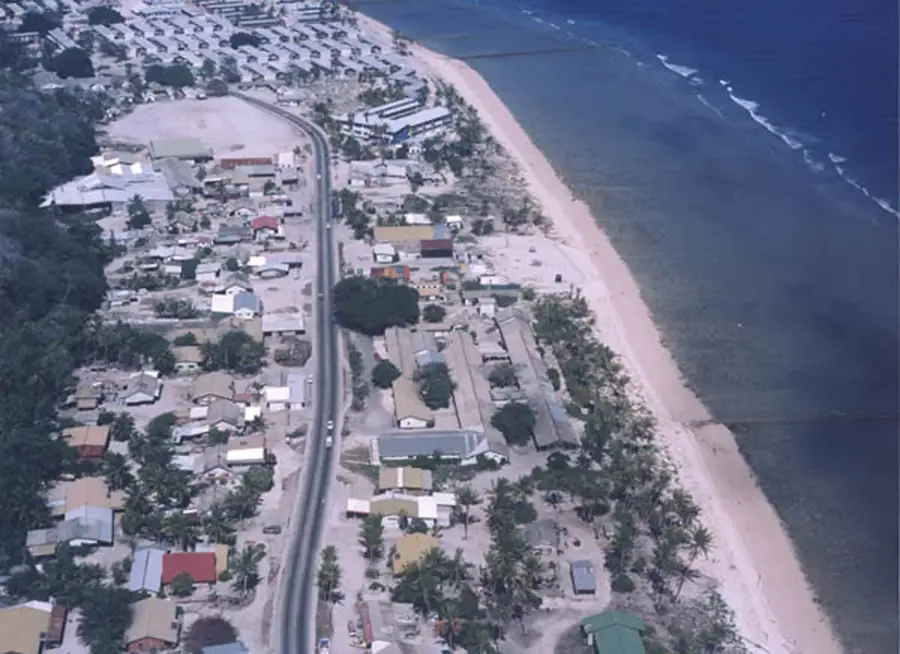
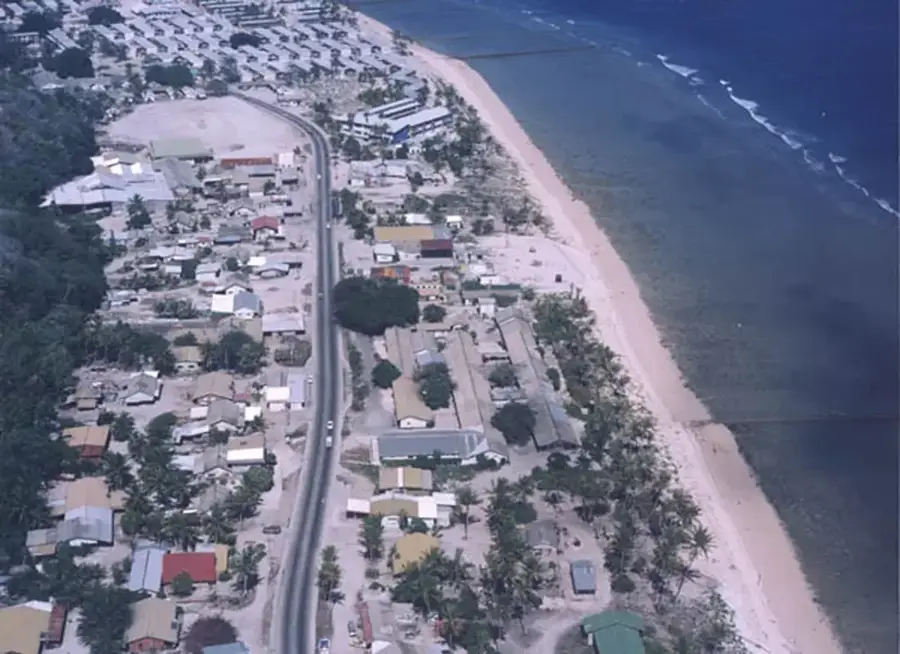
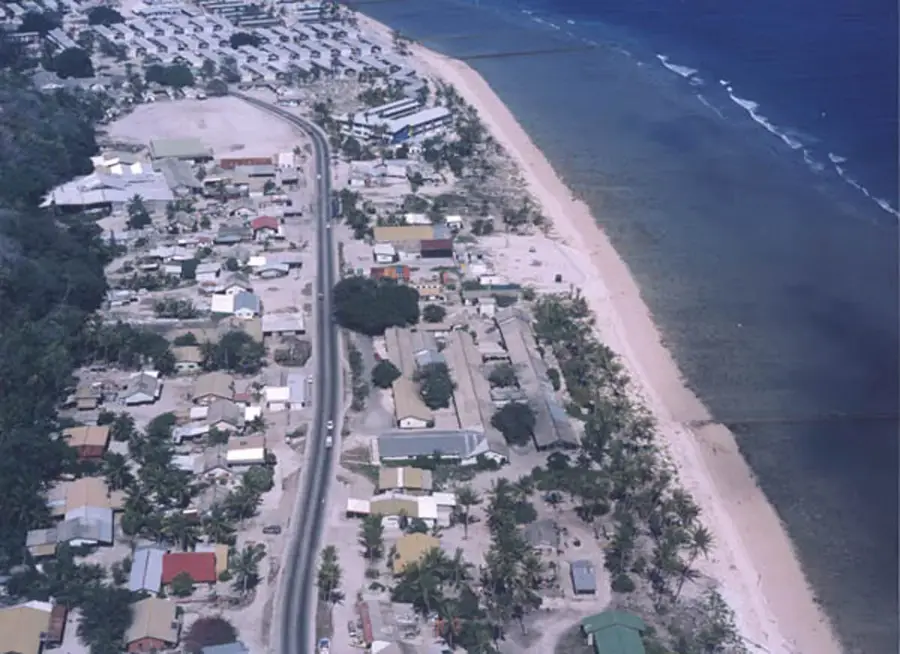
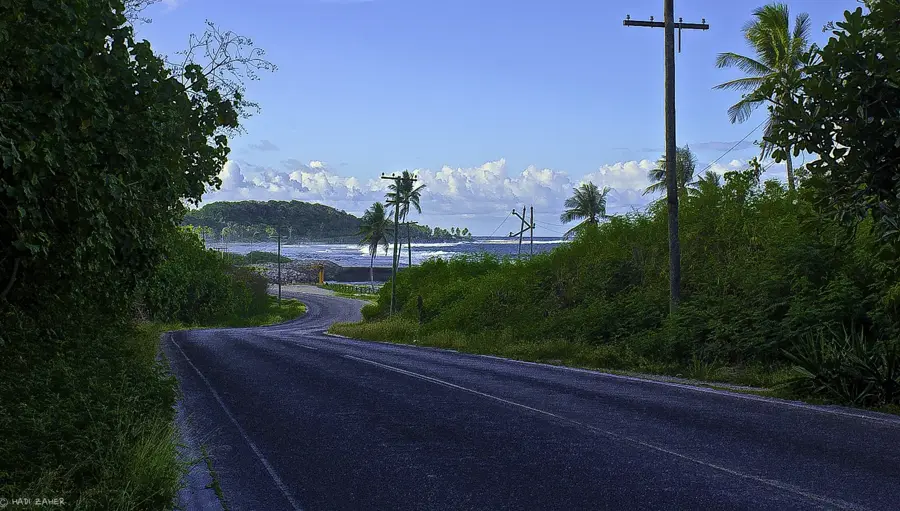
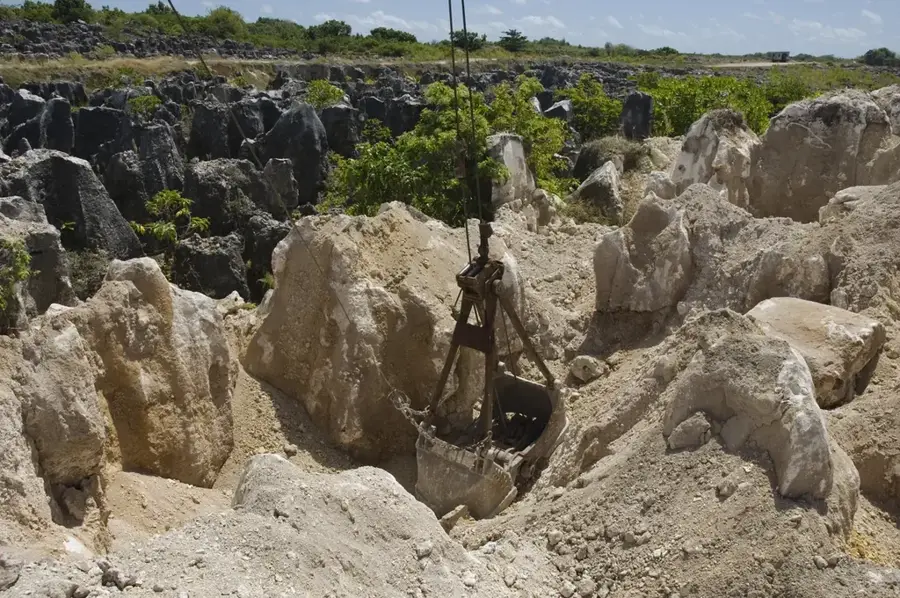
The Phosphate Discovery Site on Nauru marks the most significant turning point in the nation's history, setting the stage for decades of dramatic economic and environmental change. In 1900, New Zealand geologist Albert Ellis noticed a rock being used as a doorstop in a Sydney office; upon testing, it was revealed to be high-grade phosphate ore from Nauru. This serendipitous discovery led to the commencement of industrial mining in 1906, which eventually transformed the tiny island into one of the wealthiest nations per capita during the 1970s. However, the rapid extraction of these 'white gold' deposits came at a staggering ecological cost. The open-cast mining stripped the island's central plateau, leaving behind a jagged, barren landscape of coral limestone pinnacles that covers nearly 80% of the territory. Visiting this site features a profound look into Nauru's complex past, illustrating the rise and fall of a resource-based economy and the ongoing efforts to rehabilitate a landscape deeply scarred by a century of intensive industrial activity.
- Location: Nauru
- Top sights: Buada Chapel · Lagoon viewpoint · Command Ridge
Best time to visit & climate
The most pleasant time to visit is May, Jun, Sep.
| Jan | Feb | Mar | Apr | May | Jun | Jul | Aug | Sep | Oct | Nov | Dec | |
|---|---|---|---|---|---|---|---|---|---|---|---|---|
| Avg °C | 28 | 28 | 28 | 28 | 28 | 28 | 28 | 28 | 28 | 28 | 28 | 28 |
| Rain mm | 194 | 192 | 193 | 161 | 116 | 107 | 123 | 118 | 108 | 118 | 133 | 202 |
📋 Practical info
Geography
Facts
- Discovered by Albert Ellis in 1900
- Start of the mining boom
- Memorial stone at the site
- Turning point in island history
- Located in Aiwo District
- Led to the formation of BPC
Explore nearby
Notable places around

Route planner — Car & Motorhome
Where do you start? We build the route here, with stops and country notes along the way.
© OpenStreetMap contributors · OpenRouteService
Sights in the town Phosphate Discovery Site (10)
Japanese WWII Prison
Former Japanese prison from the World War II occupation period.
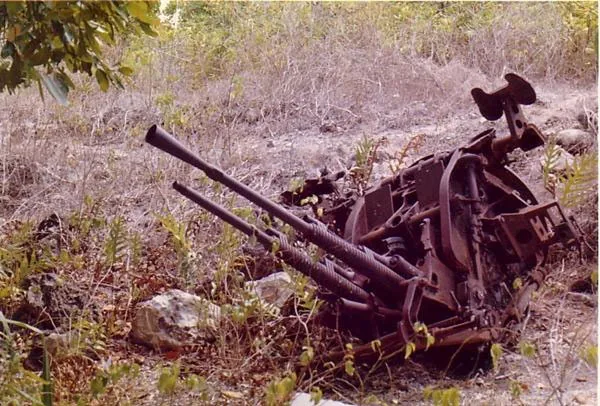
Japanese WWII guns and bunker
Japanese artillery and bunker from World War II on Nauru.
Monument to the Nauruans Exiled in WWII
Monument to the Nauruans exiled during World War II.
A.O.G
Christian church, part of the community on Nauru.
Gun
Viewpoint offering a panorama of the island and the Pacific Ocean.
Orro Congregational Church
Christian church in Orro, Nauru, a place of worship.
Sights nearby
Frequently asked questions
What happened here?
Is the site marked?
Is it a worthwhile destination?
How long is the visit?
Do you need a guide?
Phosphate Discovery Site: where is it located?
Phosphate Discovery Site: what is there to see?
Phosphate Discovery Site: when is the best time to visit?
Phosphate Discovery Site: why is it worth visiting?

Nearby cities

History & landmarks

Nature
More places