Plizio Visual Lab
Conservation Nursery
Weather…
Water temperature…
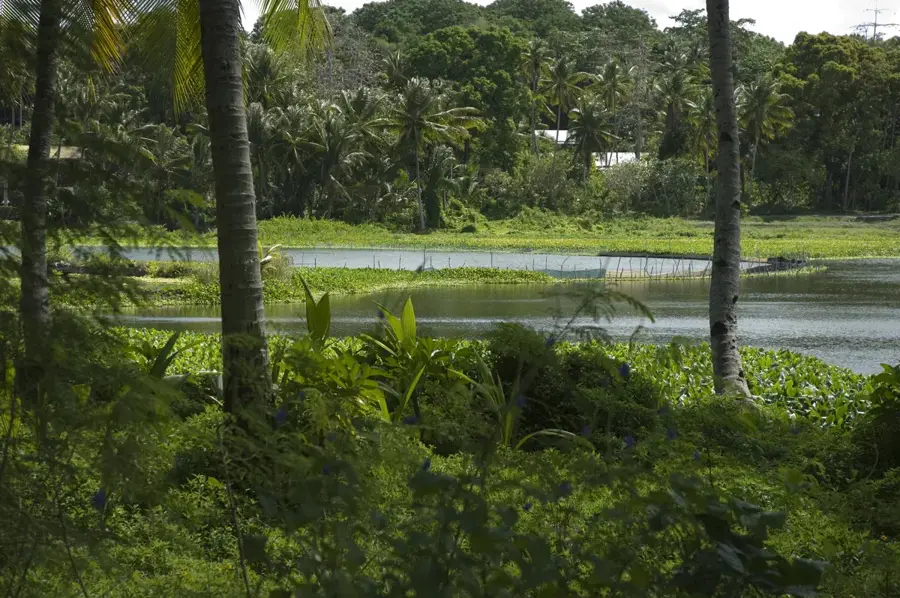
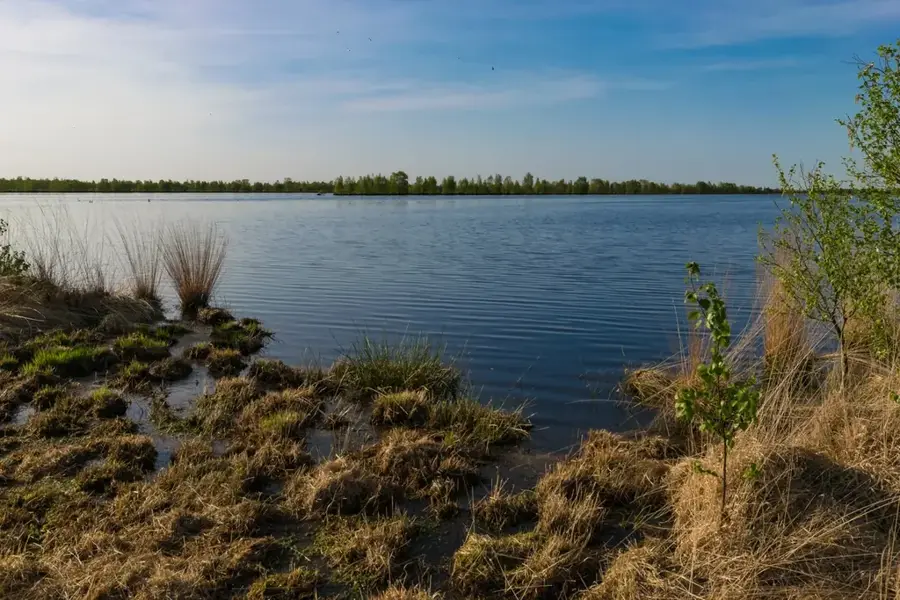
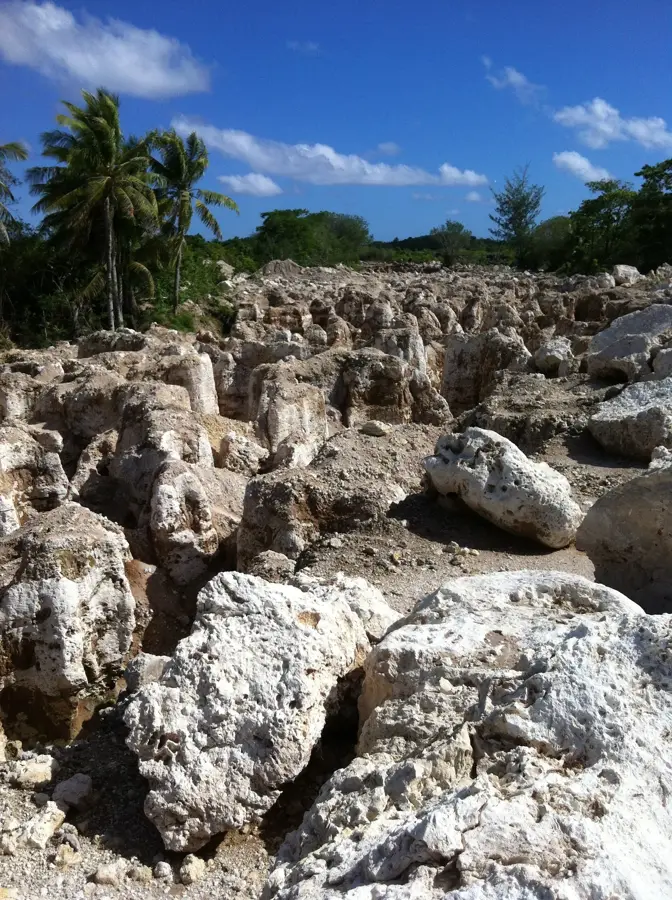
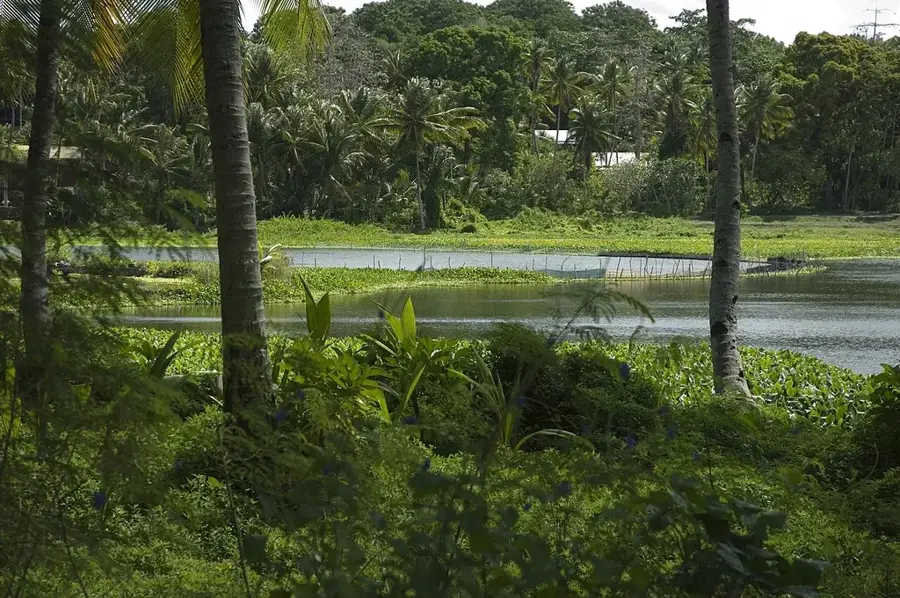
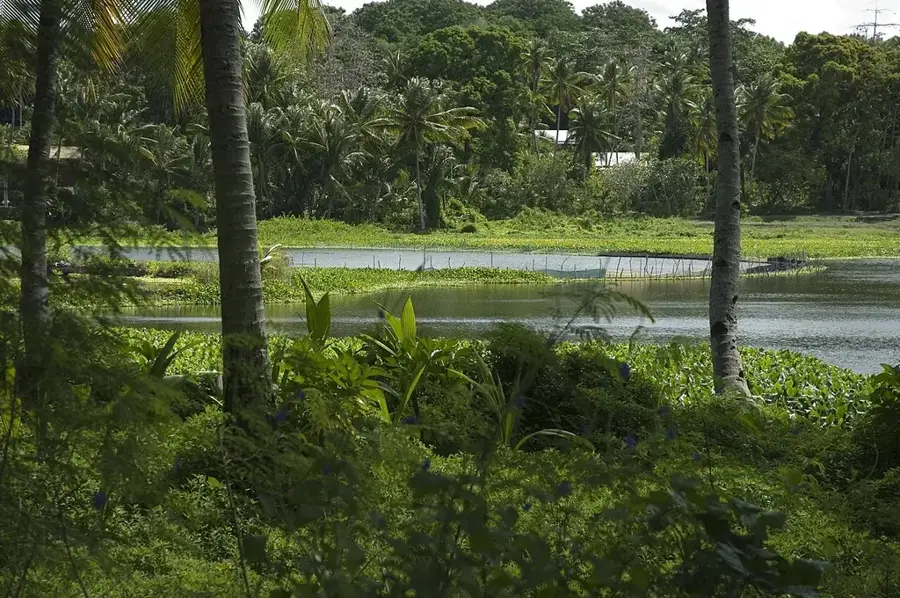
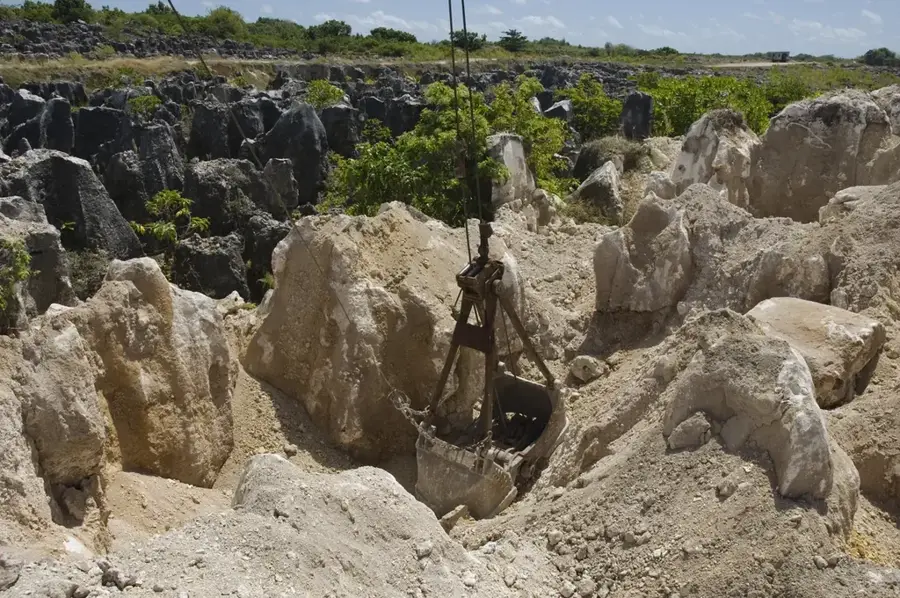
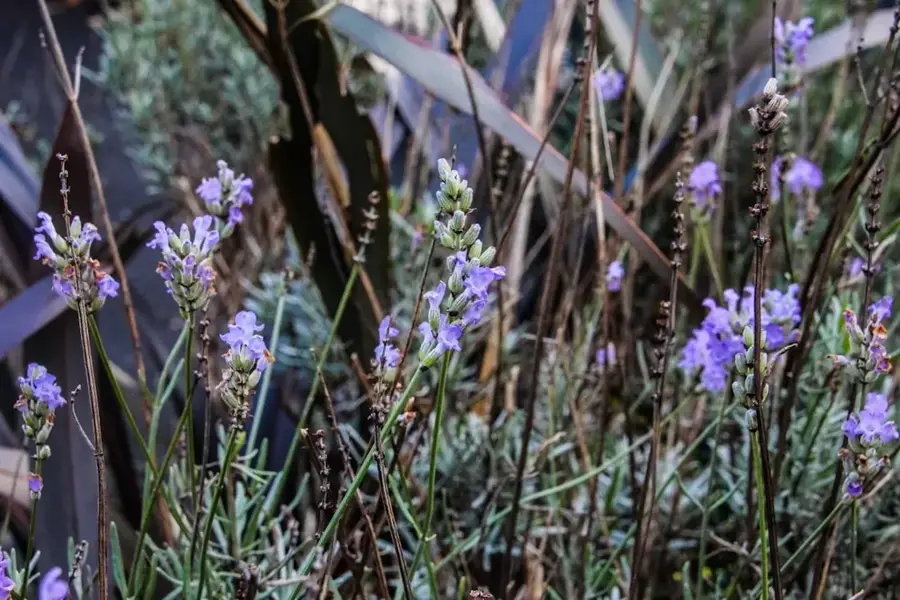
The Conservation Nursery in Nauru is a cornerstone of the island's ecological restoration efforts, following decades of intensive phosphate mining that left much of the interior barren. This facility specializes in the cultivation of native plant species, particularly Nauru's resilient hardwoods, which are then used to reforest the devastated "Topside" regions. Scientists and conservationists at the nursery work on soil rehabilitation techniques and the breeding of sturdy saplings capable of thriving in the nutrient-depleted mining landscape. Beyond its practical reforestation goals, the nursery acts as a genetic bank for the island's unique flora, ensuring that indigenous species are preserved for future generations. The project is crucial for bringing back local bird populations and restoring the natural biodiversity that once defined the island. For those interested in environmental science, the nursery gives a compelling look at the practical challenges and successes of large-scale habitat restoration in a small island nation battling its industrial past.
- Location: Nauru
- Top sights: Buada Chapel · Lagoon viewpoint · Command Ridge
Best time to visit & climate
The most pleasant time to visit is May, Jun, Sep.
| Jan | Feb | Mar | Apr | May | Jun | Jul | Aug | Sep | Oct | Nov | Dec | |
|---|---|---|---|---|---|---|---|---|---|---|---|---|
| Avg °C | 28 | 28 | 28 | 28 | 28 | 28 | 28 | 28 | 28 | 28 | 28 | 28 |
| Rain mm | 194 | 192 | 193 | 161 | 116 | 107 | 123 | 118 | 108 | 118 | 133 | 202 |
📋 Practical info
Geography
Facts
- The nursery produces thousands of seedlings annually.
- A major focus is the propagation of Calophyllum inophyllum.
- The facility is supported by the Ministry of Environment.
- Seedlings are used to stabilize erosion-prone areas.
- Soil improvement trials using compost are conducted on-site.
- The nursery is vital for the island's long-term food security.
Explore nearby
Notable places around
Route planner — Car & Motorhome
Where do you start? We build the route here, with stops and country notes along the way.
© OpenStreetMap contributors · OpenRouteService
Sights in the town Conservation Nursery (10)
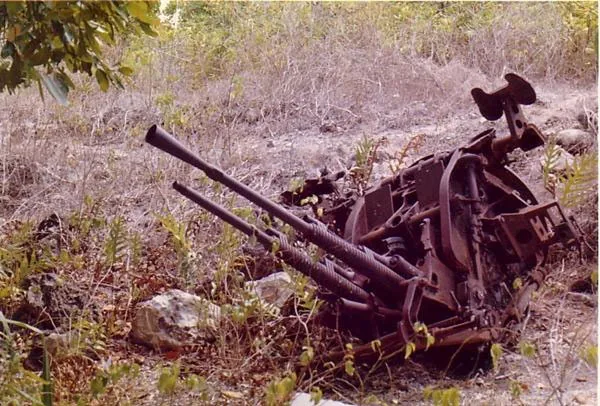
Japanese WWII Gun
A Japanese cannon from World War II, relic of the occupation on Nauru.
Church of Christ the King
Church in Ewa, Nauru, a place of worship for the Catholic community.
Japanese WWII Prison
Former Japanese prison from World War II, evidence of the occupation.
Monument to the Nauruans Exiled in WWII
Monument commemorating Nauruans exiled during World War II, honoring their suffering.
A.O.G
Assembly of God church, a Christian place of worship nearby.
Orro Congregational Church
Congregational church serving the local community nearby.
Anibare Bay
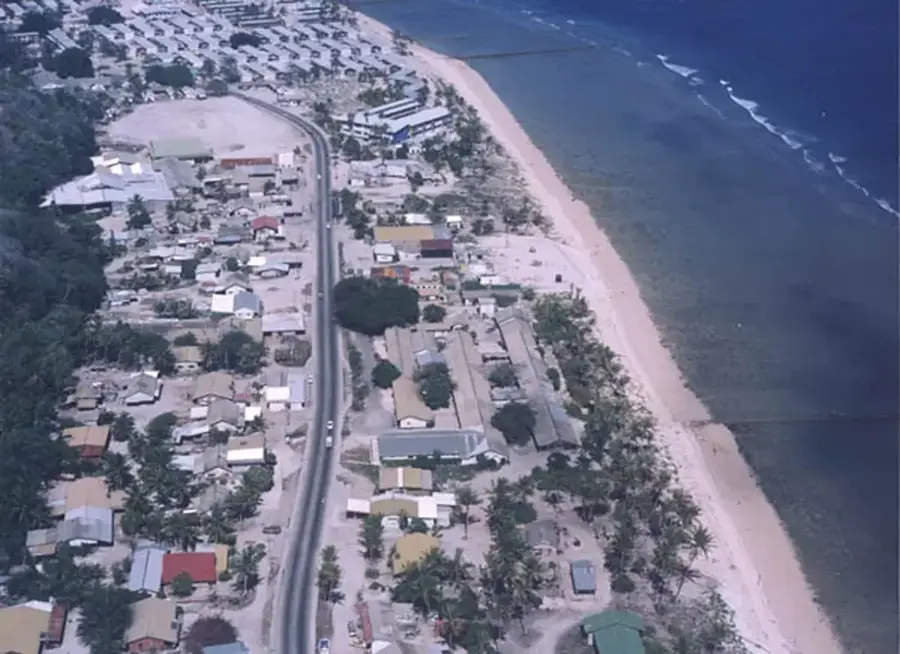
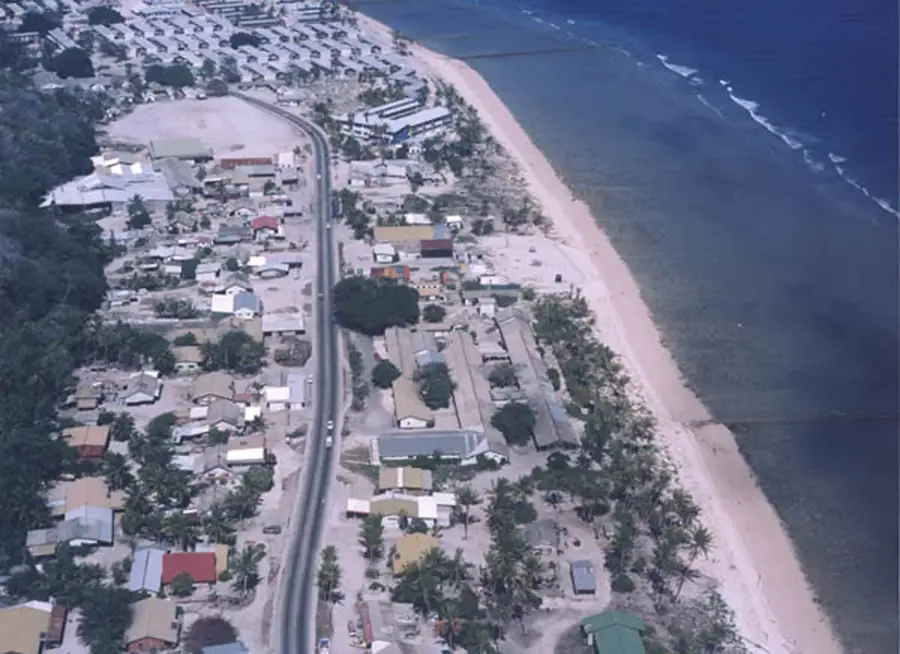
Anibare Bay is a bay on the east coast of Nauru, known for its sandy beach.
Sights nearby
Frequently asked questions
Can you visit the nursery?
What is the goal of the nursery?
Can you buy plants?
How is the access?
Is it allowed to take photos?
Conservation Nursery: where is it located?
Conservation Nursery: what is there to see?
Conservation Nursery: when is the best time to visit?
Conservation Nursery: why is it worth visiting?
Nearby cities
History & landmarks
Nature
More places