Plizio Visual Lab
Anibare Escarpment
Weather…
Water temperature…
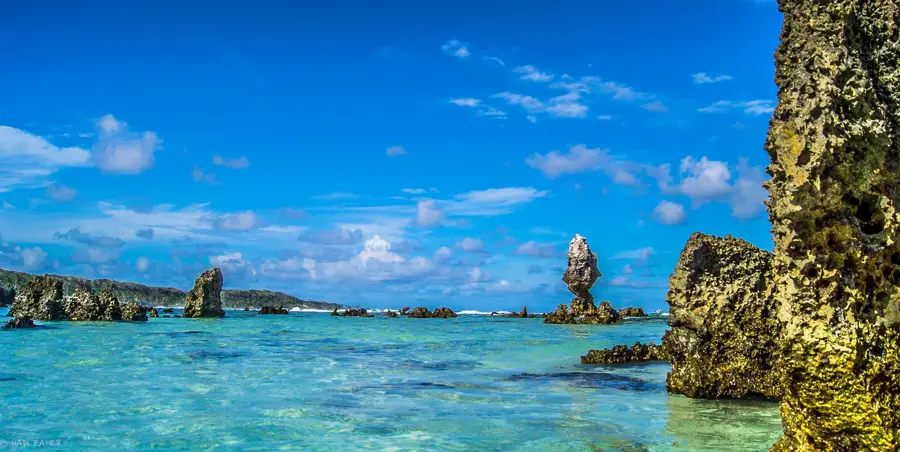
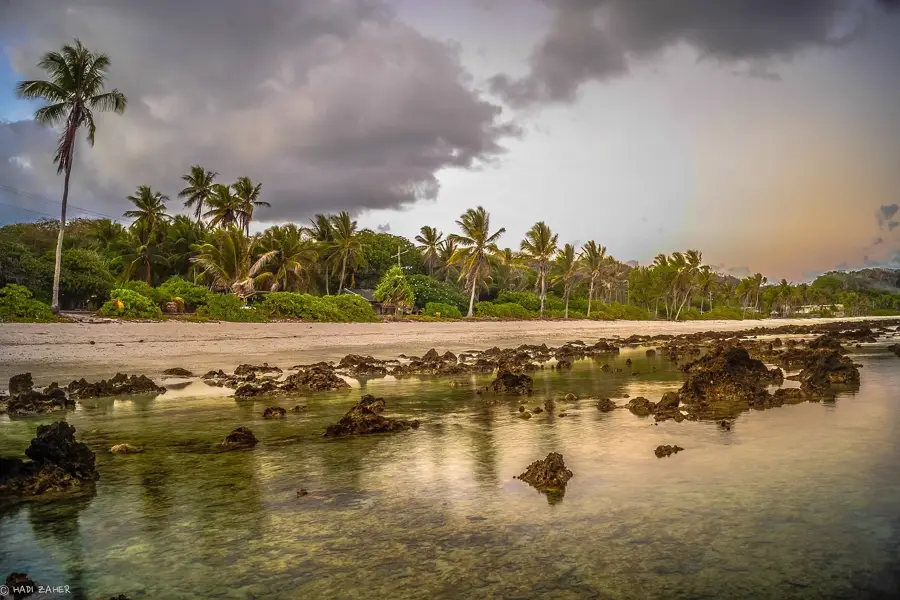
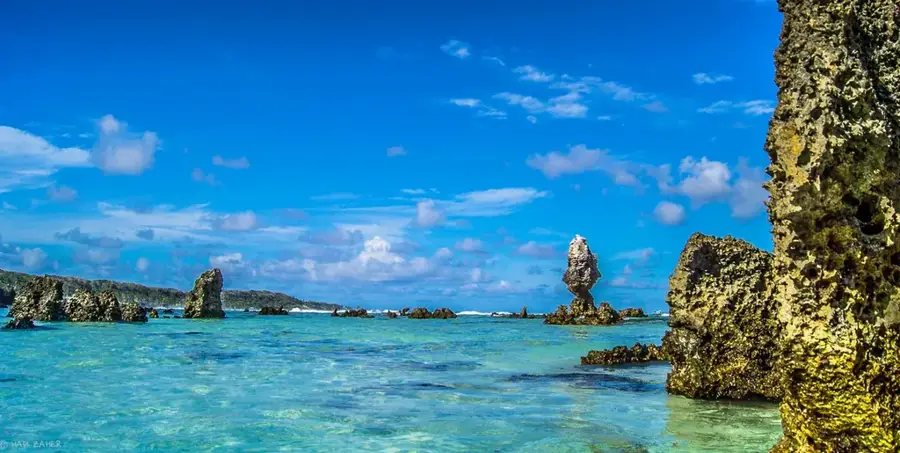
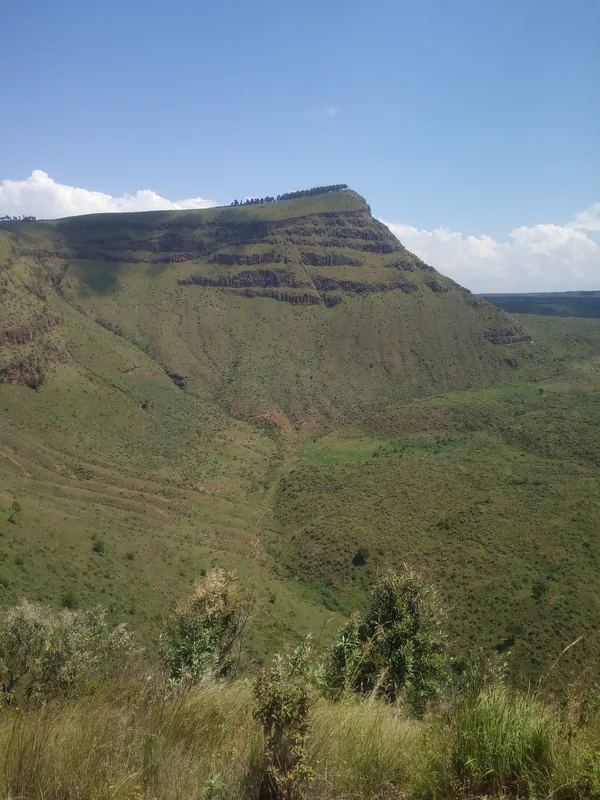
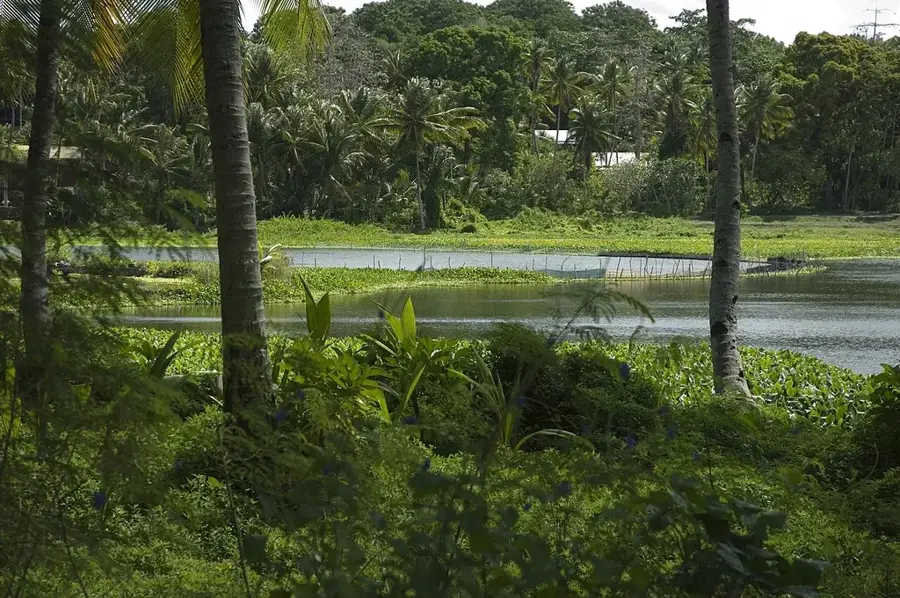
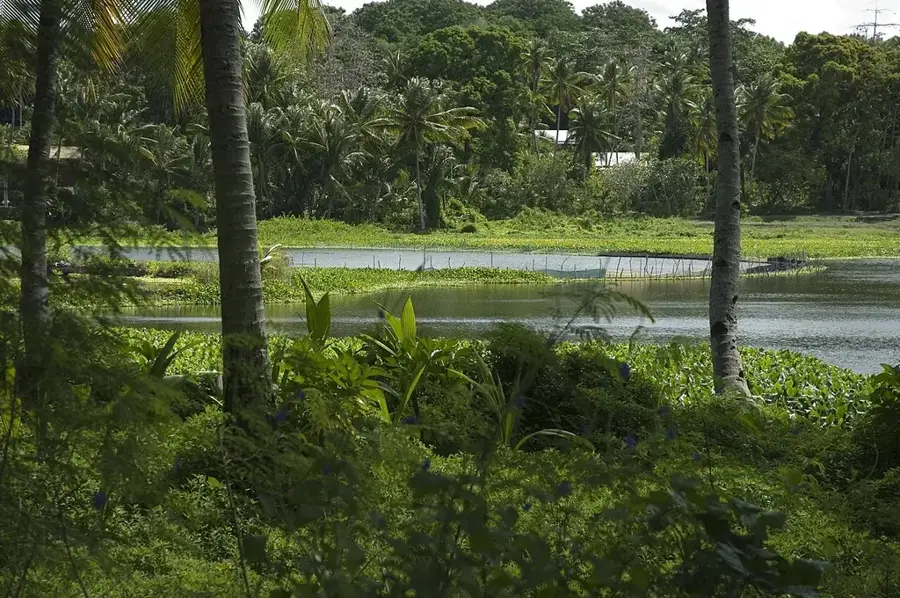
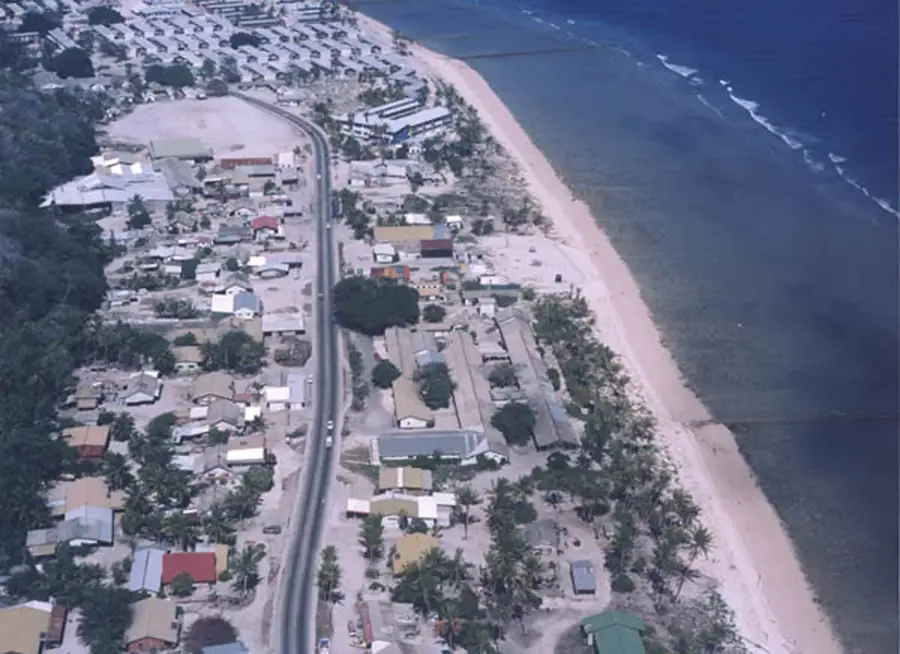
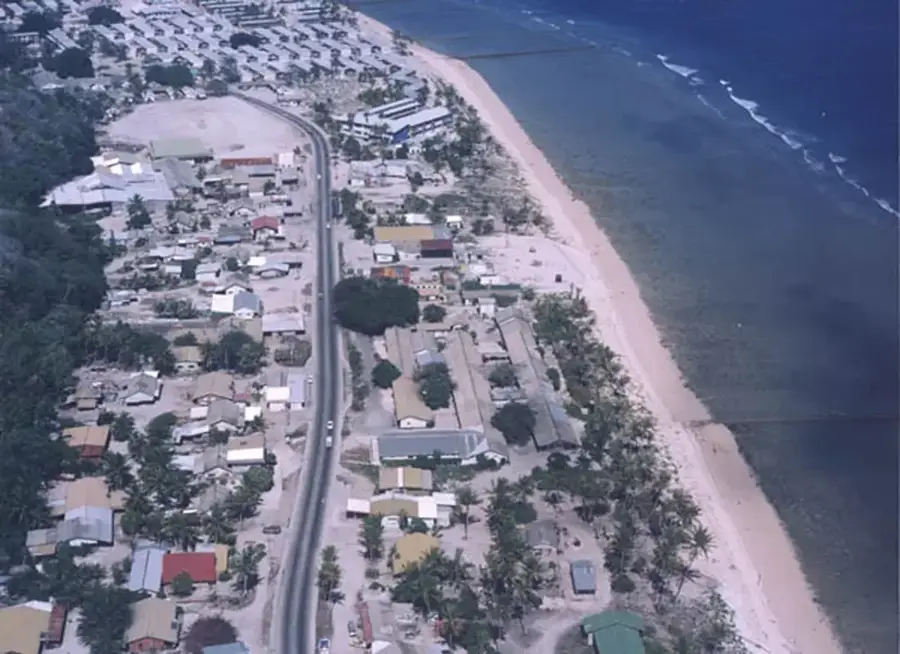
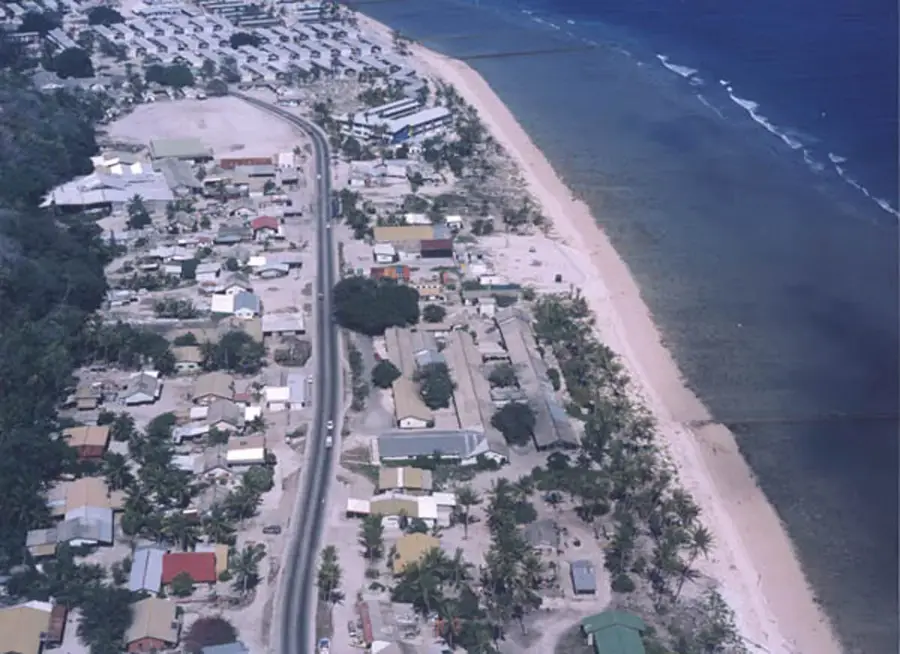
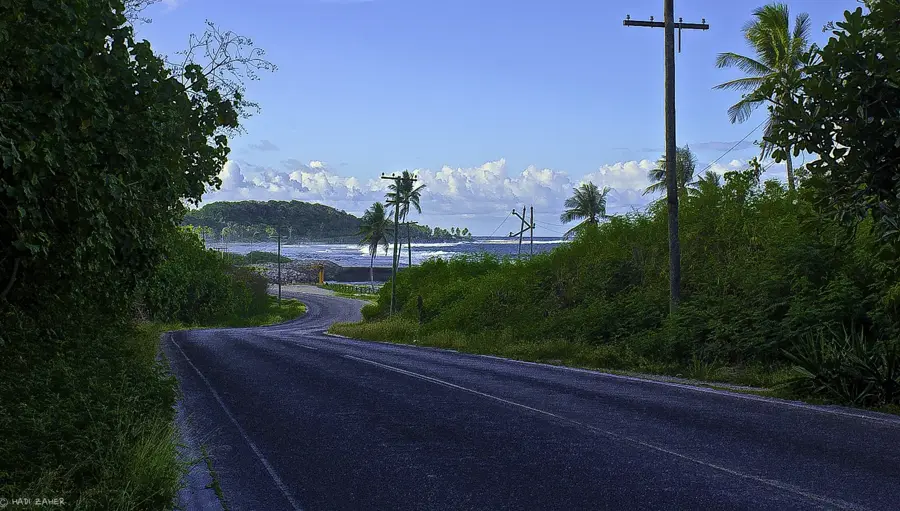
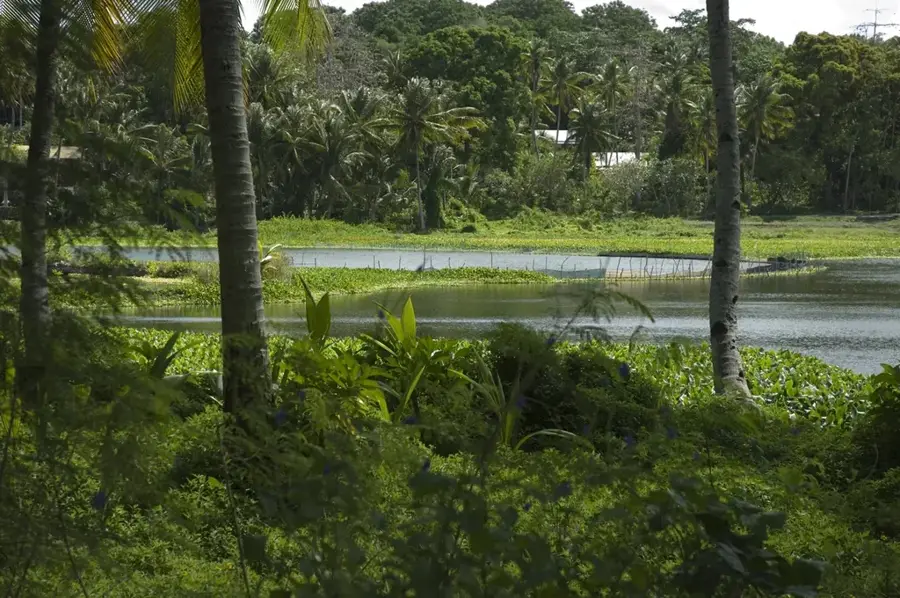
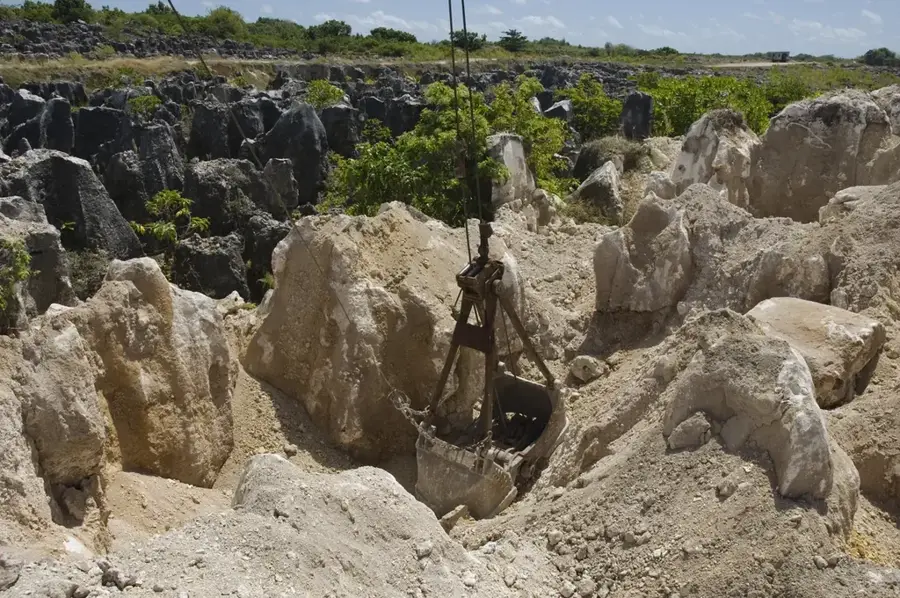
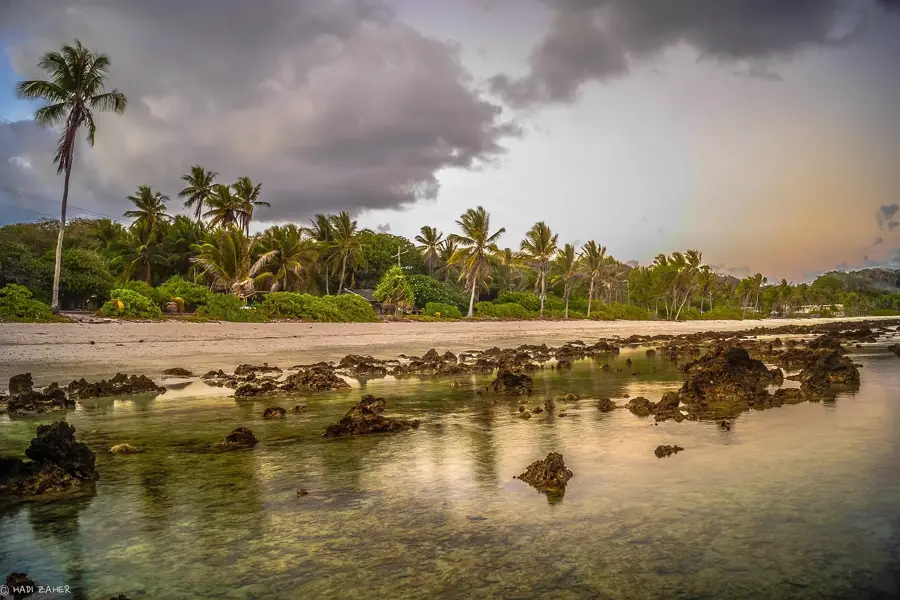
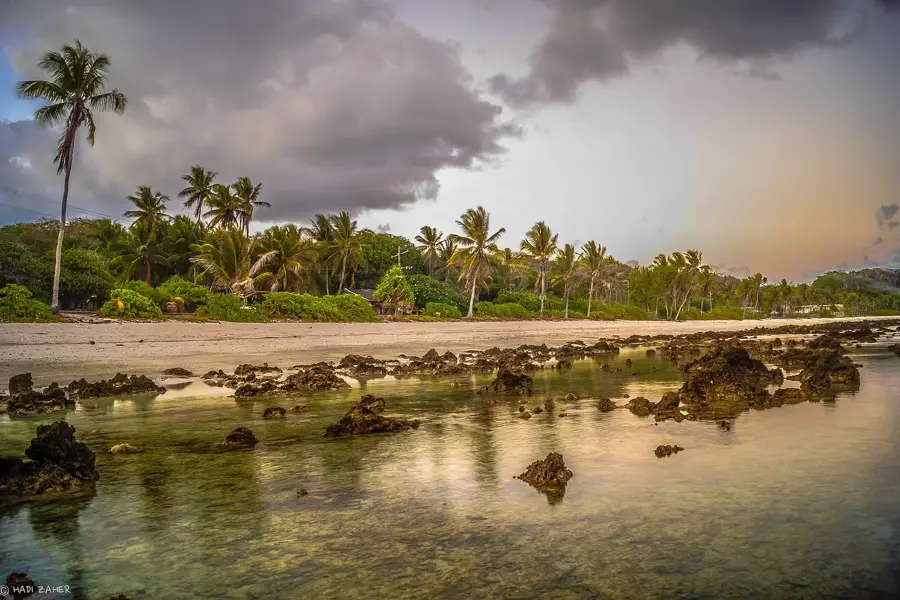
The Anibare Escarpment is one of the most prominent geological features on the island of Nauru, located along its eastern coast. This steep, natural limestone cliff marks the transition between the central plateau, often called 'Topside,' and the low-lying coastal plain surrounding Anibare Bay. The escarpment was formed by tectonic uplift and subsequent erosion, revealing the complex history of Nauru as a raised coral atoll with a volcanic foundation. While much of the island's interior was heavily altered by decades of phosphate mining, the escarpment retains a more natural appearance and hosts remnants of native coastal flora. It provides a dramatic backdrop to Anibare Bay, the island’s most scenic beach and harbor area. From the edge of the escarpment, observers are treated to sweeping views of the Pacific Ocean, making it a favored spot for photography and sightseeing. Understanding this relief feature is key to grasping Nauru's unique topography, where a small landmass provides surprisingly sharp elevation changes and significant oceanic vistas.
- Location: Nauru
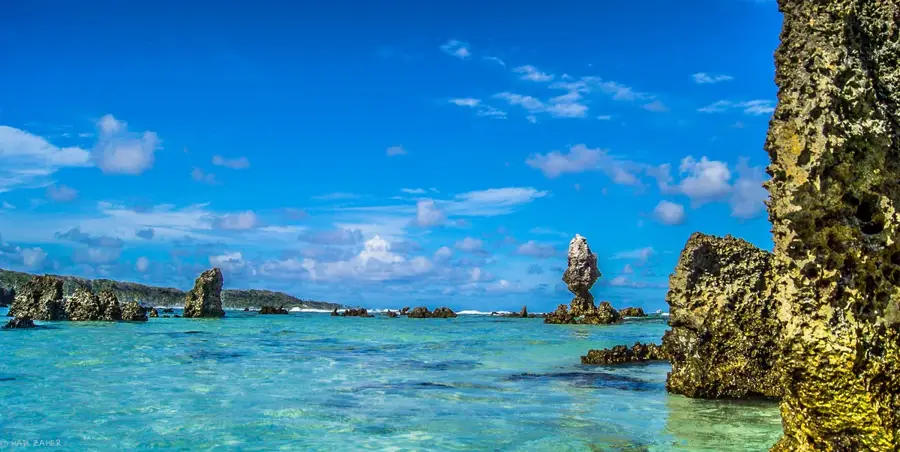
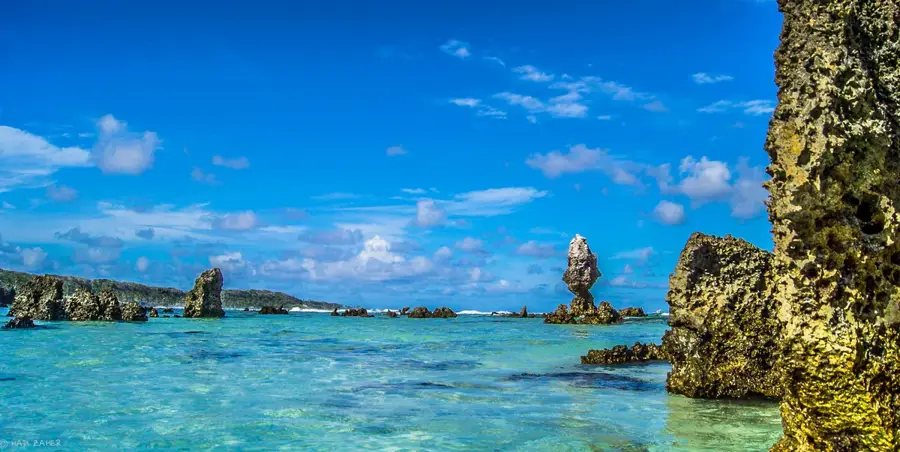
- Top sights: Anibare Bay · Rock Pinnacles · Lagoon viewpoint
- Nearby: Denigomodu (4 km)
Best time to visit & climate
The most pleasant time to visit is May, Jun, Sep.
| Jan | Feb | Mar | Apr | May | Jun | Jul | Aug | Sep | Oct | Nov | Dec | |
|---|---|---|---|---|---|---|---|---|---|---|---|---|
| Avg °C | 28 | 28 | 28 | 28 | 28 | 28 | 28 | 28 | 28 | 28 | 28 | 28 |
| Rain mm | 194 | 192 | 193 | 161 | 116 | 107 | 123 | 118 | 108 | 118 | 133 | 202 |
📋 Practical info
Geography
Facts
- Maximum height of approximately 60 meters
- Formed about 30,000 years ago by a structural failure
- Composed of massive coral limestone
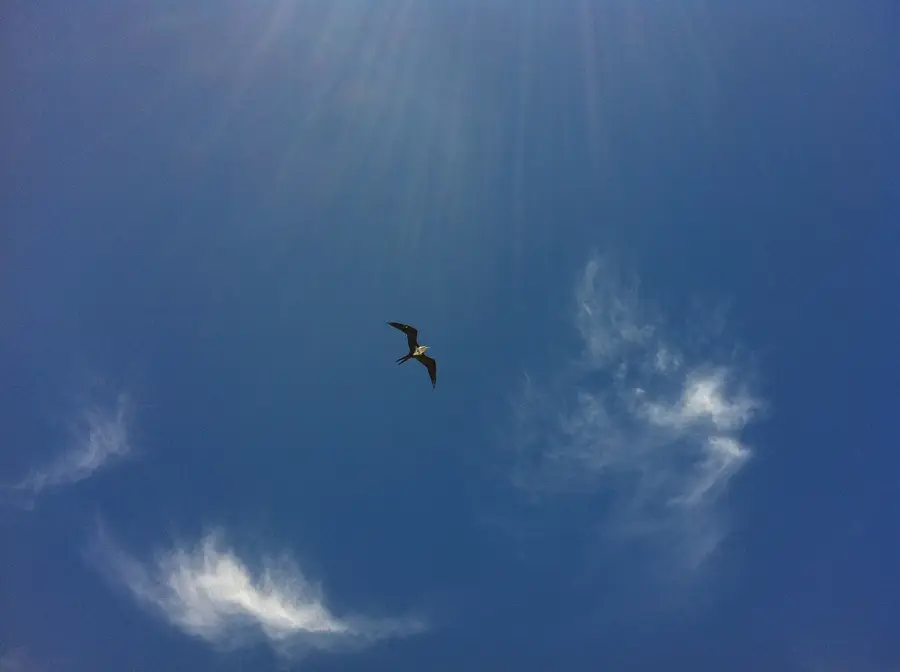
- Key nesting habitat for indigenous bird species
- Steepest section of the entire island topography
- Popular vantage point for viewing the eastern coastline
Explore nearby
Notable places around



Route planner — Car & Motorhome
Where do you start? We build the route here, with stops and country notes along the way.
© OpenStreetMap contributors · OpenRouteService
Sights in the town Anibare Escarpment (6)
Japanese WWII guns and bunker
Japanese guns and bunker from World War II in Anibare.
Buada Chapel
Christian chapel in Buada, Nauru, for prayers and gatherings.
Anabar Beach
Sandy beach in Anabar, Nauru, for swimming and relaxing.
Sights nearby
Frequently asked questions
What is special about the escarpment?
Are there viewpoints?
Is the terrain safe?
Is hiking allowed here?
What time is ideal for photos?
Anibare Escarpment: where is it located?
Anibare Escarpment: what is there to see?
Anibare Escarpment: when is the best time to visit?
Anibare Escarpment: why is it worth visiting?
Nearby cities



History & landmarks




Nature

More places