
Attractions in Nauru
The finest attractions in Nauru at a glance: castles, natural wonders, historic old towns and more. Each place links to a detailed page with map, tips and photos.
Culture & History
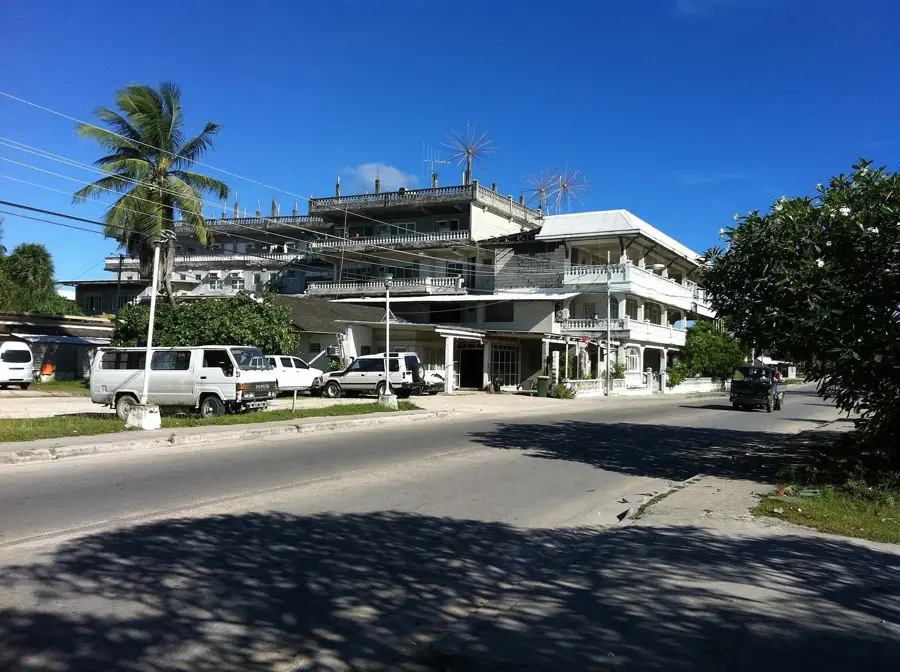
Aiwo Pinnacles
The Aiwo Pinnacles are impressive remnants of the limestone structure on the west of the island.
Learn more →
Fisheries Authority (NFMRA)
NFMRA manages the rich fishing grounds in Nauru's exclusive economic zone.
Learn more →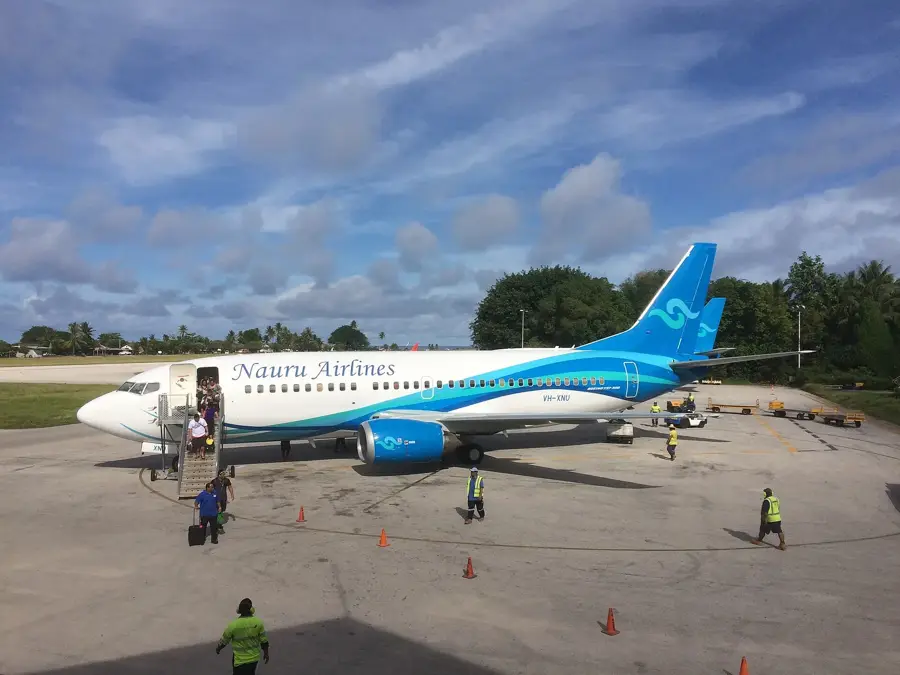
Moqua Caves
The Moqua Caves are a branching system of underground passages in coral limestone.
Learn more →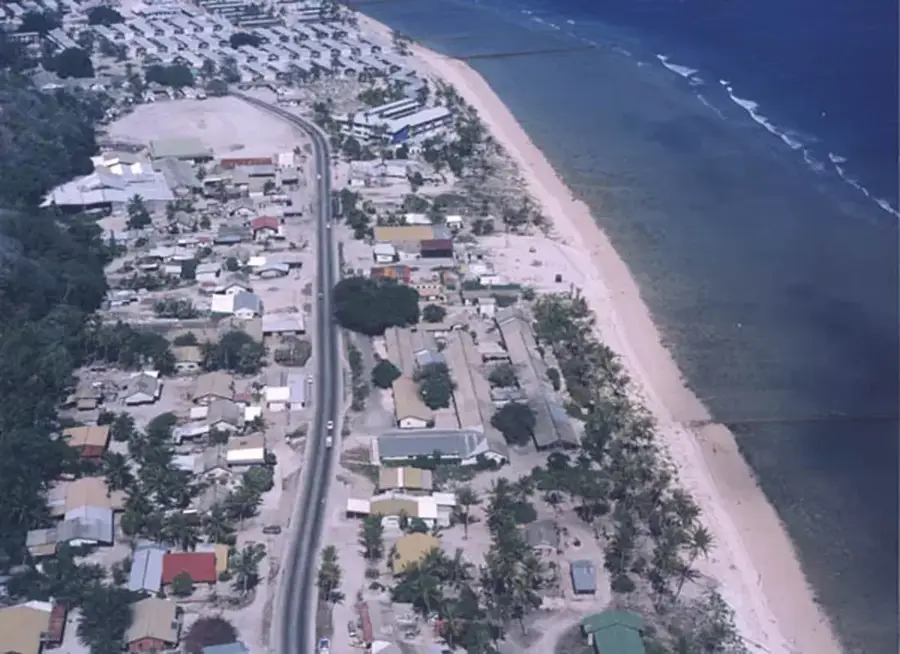
Eigigu Supermarket
The Eigigu Supermarket is the island's largest commercial center for consumer goods.
Learn more →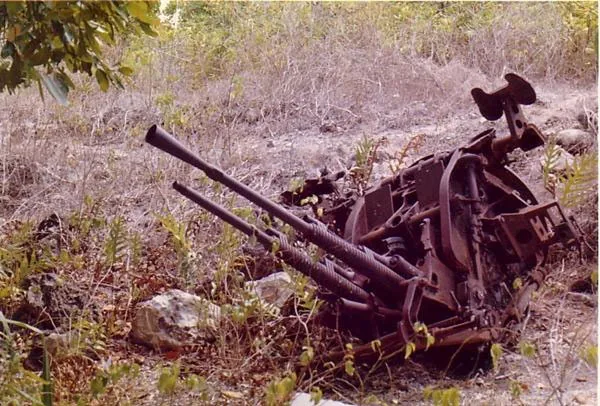
Command Ridge
Command Ridge is the highest point in Nauru at 65 meters elevation.
Learn more →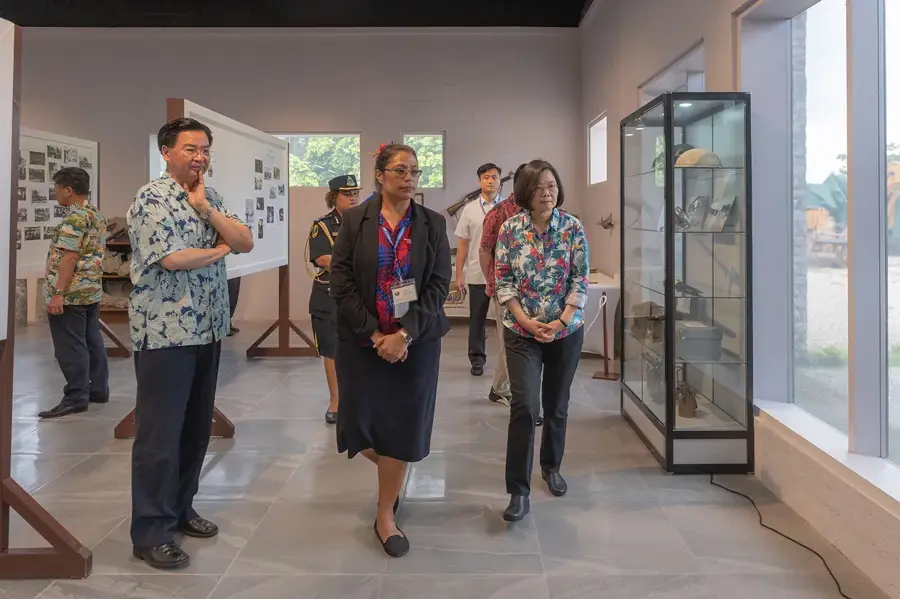
Parliament House of Nauru
The Parliament House in Yaren is the political heart of the island nation.
Learn more →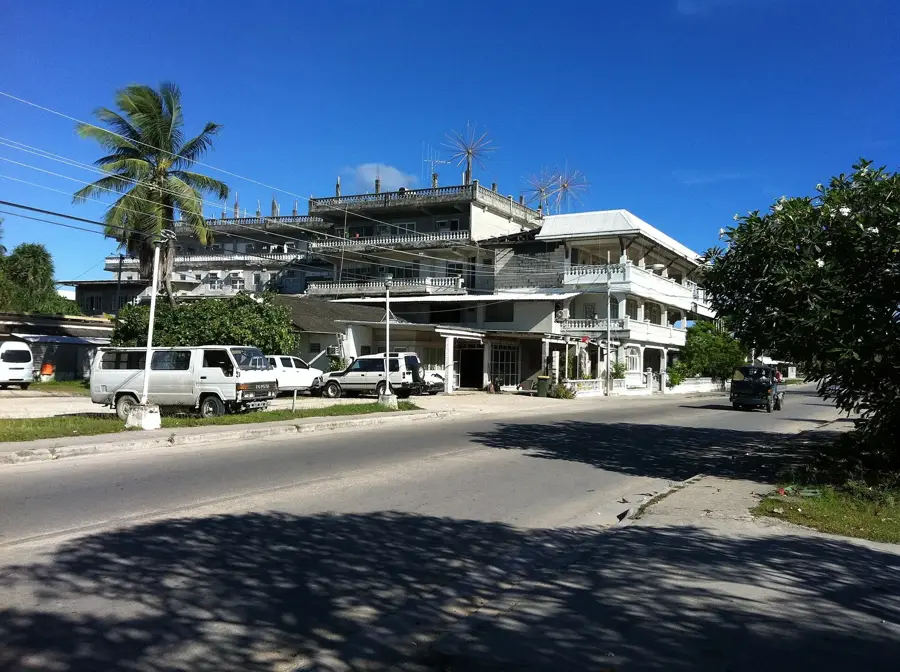
Aiwo Civic Centre
The civic centre in Aiwo is a central hub for administrative and social events.
Learn more →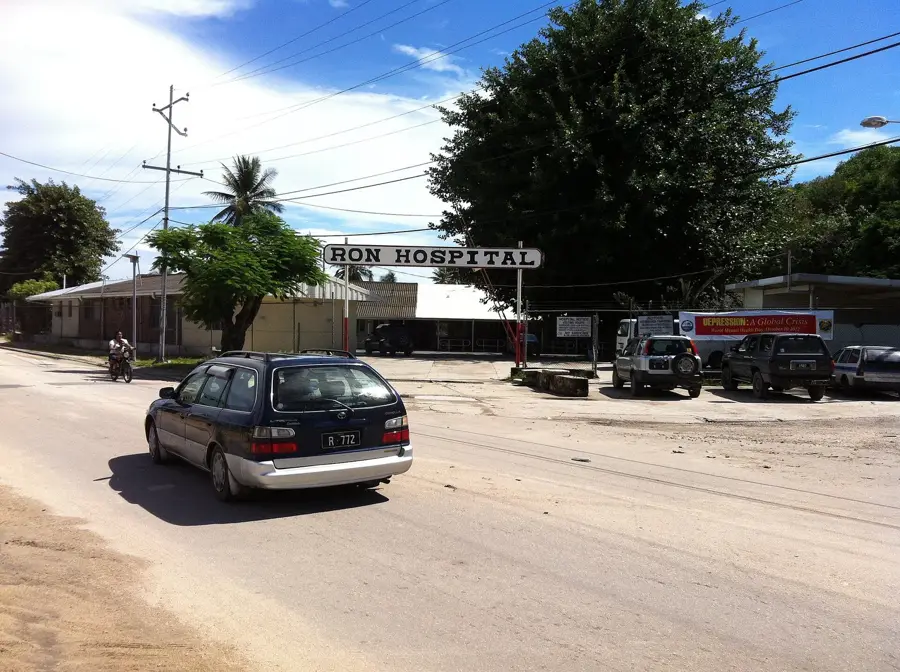
Central Pacific Bank
The Central Pacific Bank in Aiwo is Nauru's primary financial institution.
Learn more →
Menen Hotel
The Menen Hotel is the island's largest hotel and a key landmark in the east.
Learn more →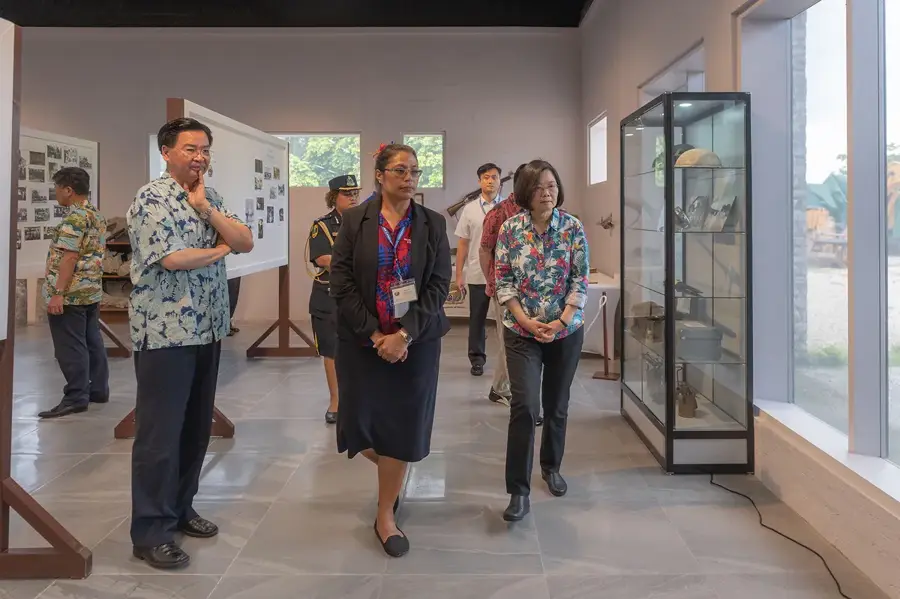
Yaren Police Station
The police station in Yaren is the headquarters for Nauru's police force.
Learn more →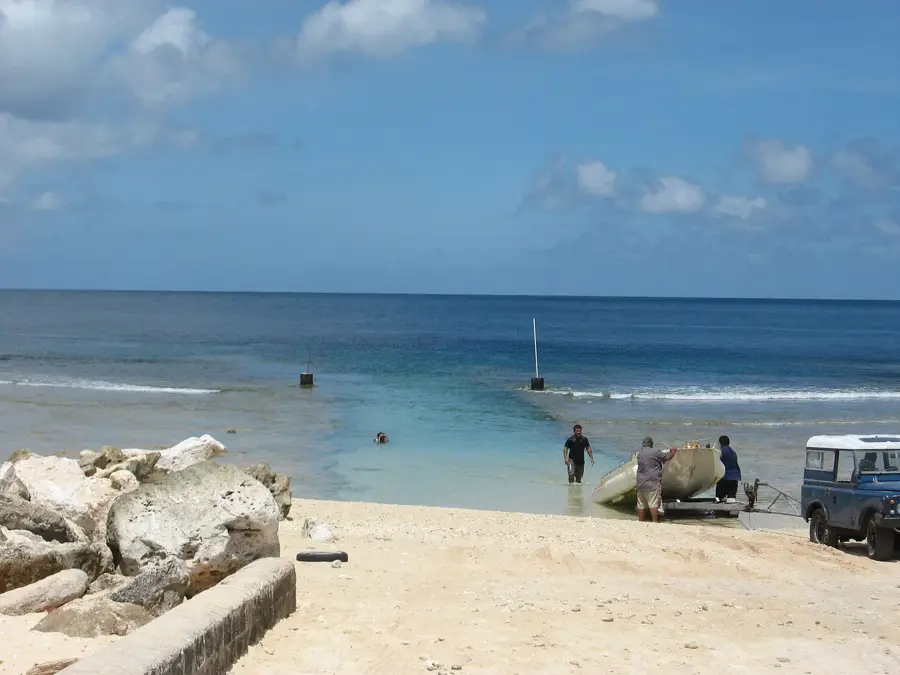
Yangor Cliffs
The Yangor Cliffs are rugged rock formations on the west coast.
Learn more →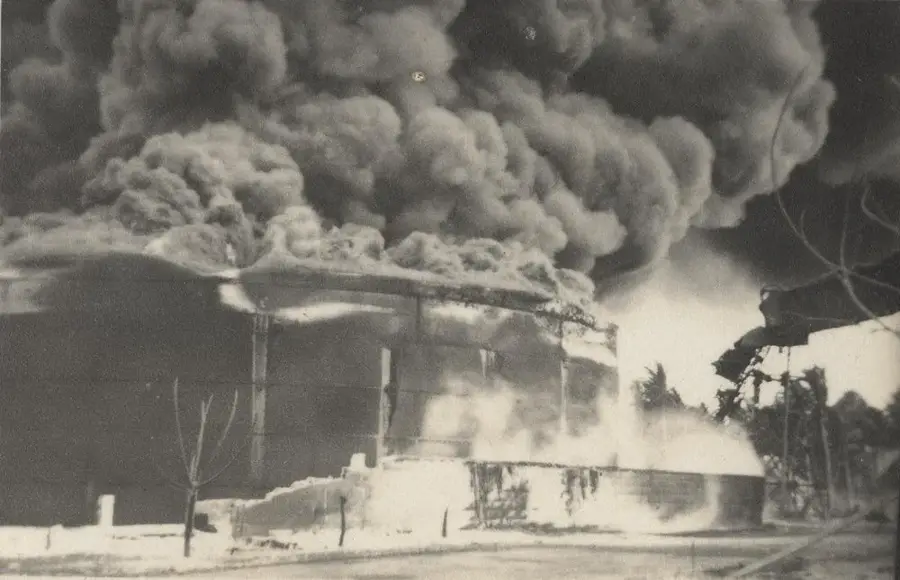
Phosphate Discovery Site
The location where vast phosphate deposits were identified around 1900, changing the course of Nauru's history forever.
Learn more →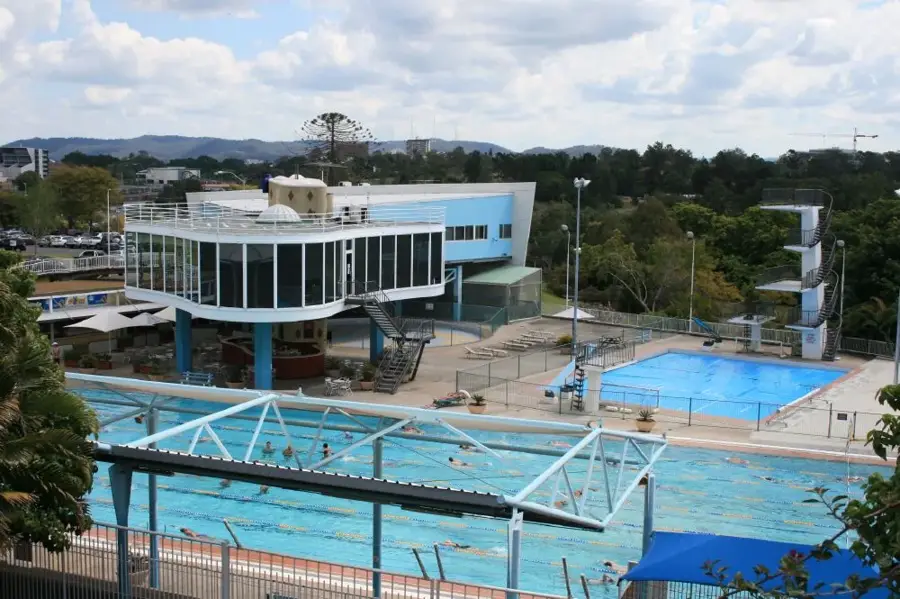
Centenary Complex
A complex of buildings built to celebrate the 100th anniversary of the discovery of phosphate, now housing government offices.
Learn more →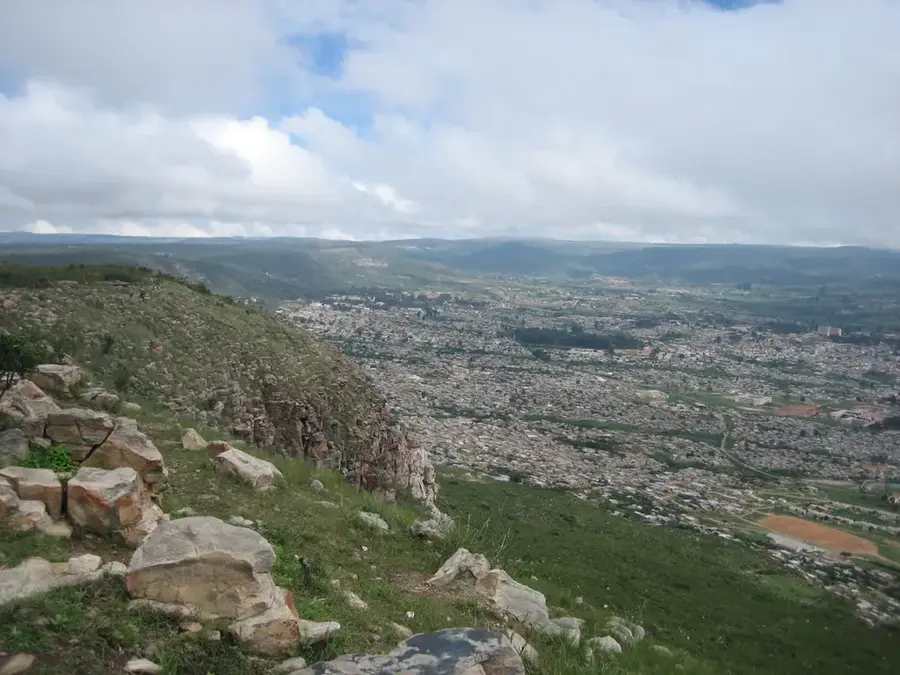
BPC Administration Building
The former headquarters of the British Phosphate Commissioners, who controlled mining for decades.
Learn more →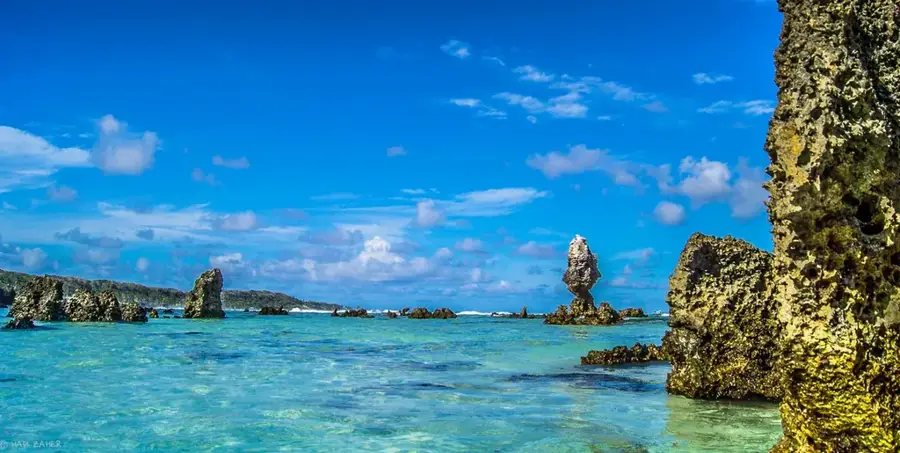
Anibare Escarpment
This steep escarpment marks the transition from the central plateau to Anibare Bay on the eastern coast.
Learn more →
Eastern Plateau Rim
The eastern rim of the plateau features steep cliffs overlooking the narrow coastal plain of Ijuw.
Learn more →
Meneng Terrace
The Meneng Terrace is a flat topographical step located between the high plateau and the southern coastline.
Learn more →
Japanese Prison Ruins
These ruins date back to the Japanese occupation during World War II.
Learn more →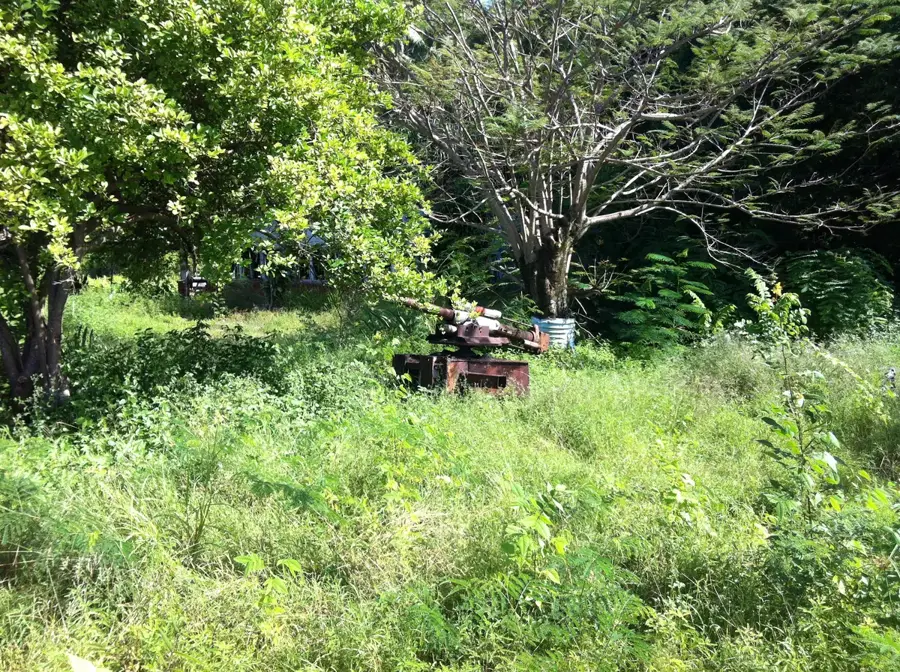
POW Memorial
A memorial dedicated to the memory of Nauruan civilians and foreign prisoners who suffered during the Japanese occupation.
Learn more →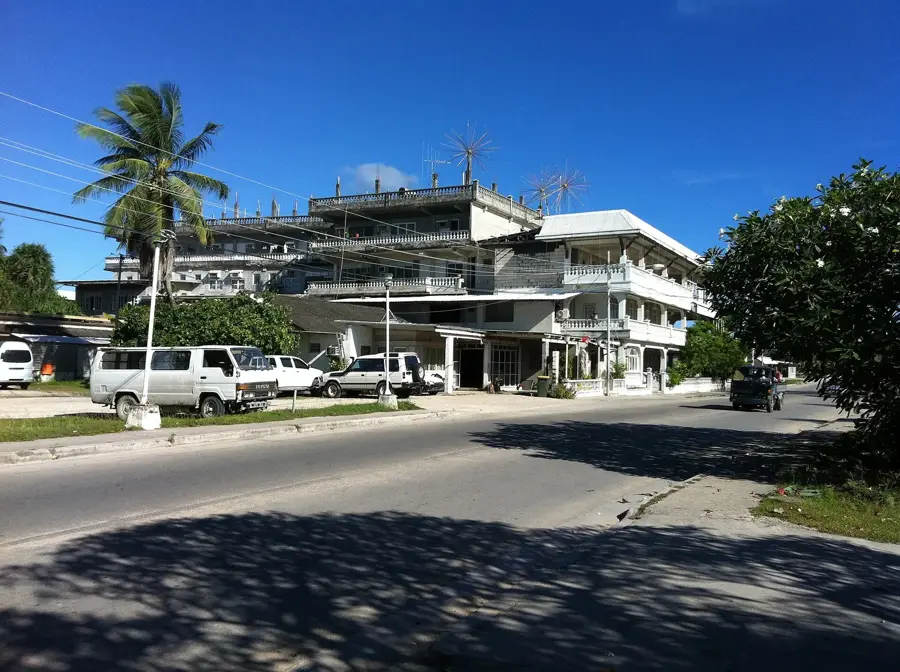
Aiwo Historic Church
One of the oldest parishes on the island, whose buildings reflect missionary activity and cultural change.
Learn more →Nature
Ijuw Coastline
The coastal stretch of Ijuw in the northeast is characterized by pristine reefs and rock formations.
Learn more →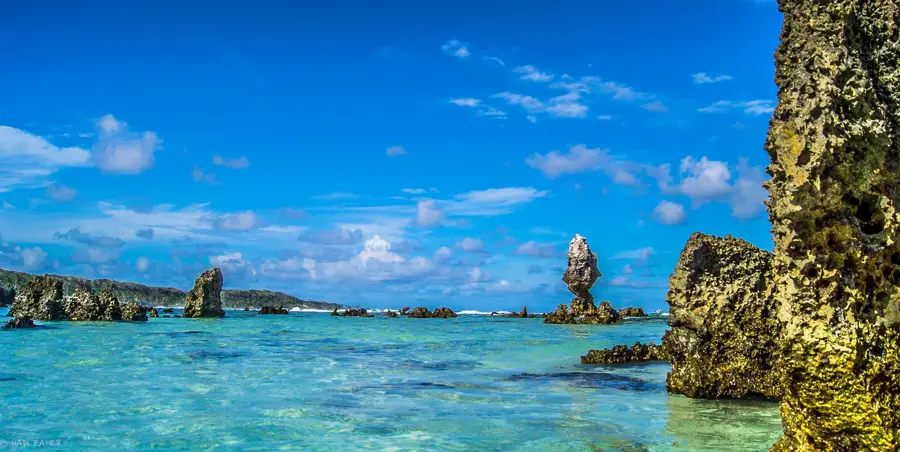
Anibare Bay
Anibare Bay is the largest and most prominent coastal stretch in Nauru, located on the east.
Learn more →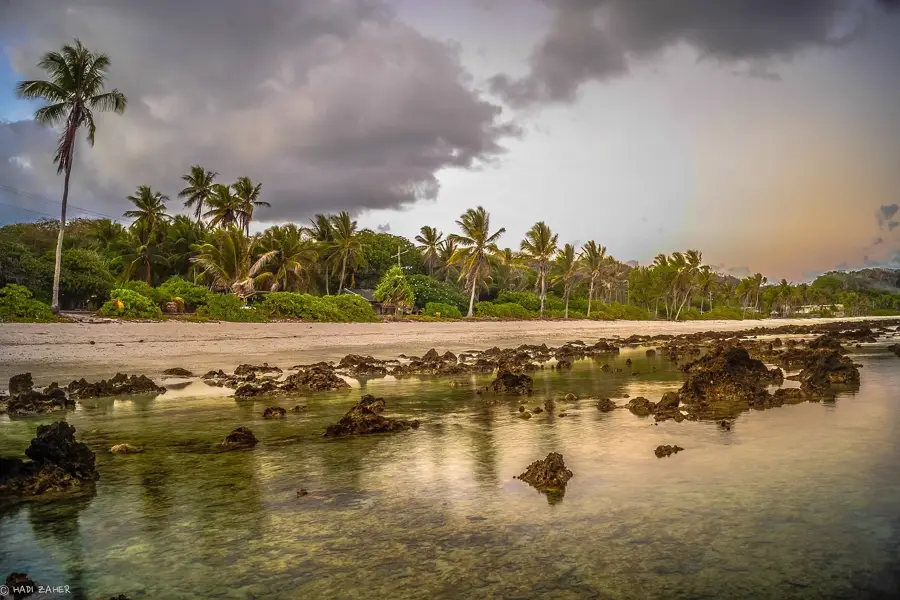
Meneng Beach
Meneng Beach in the southeast of the island is known for its clear water and fine coral sands.
Learn more →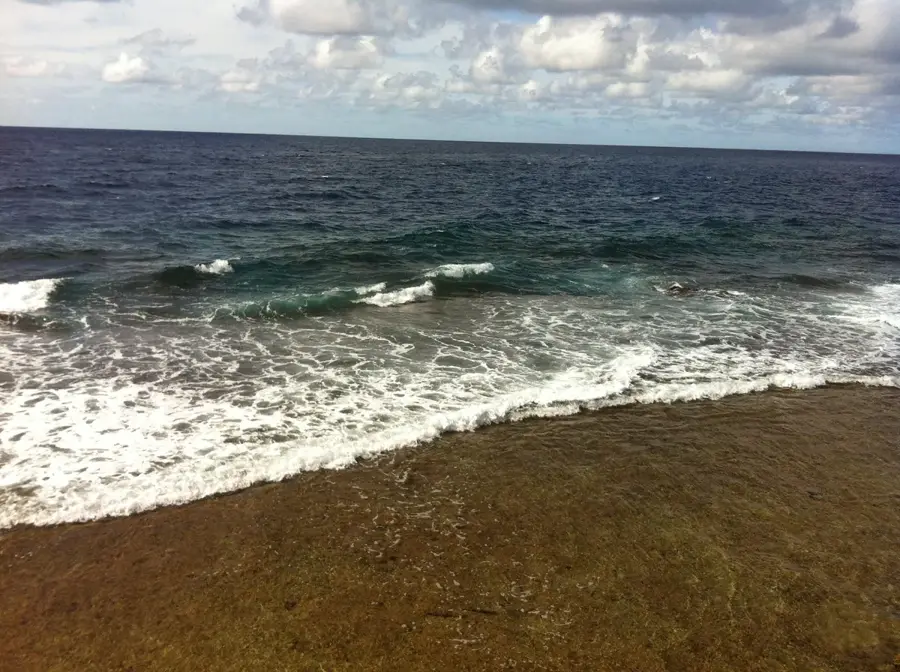
South Point Meneng
The South Point near Meneng is a prominent coastal point jutting out into the ocean.
Learn more →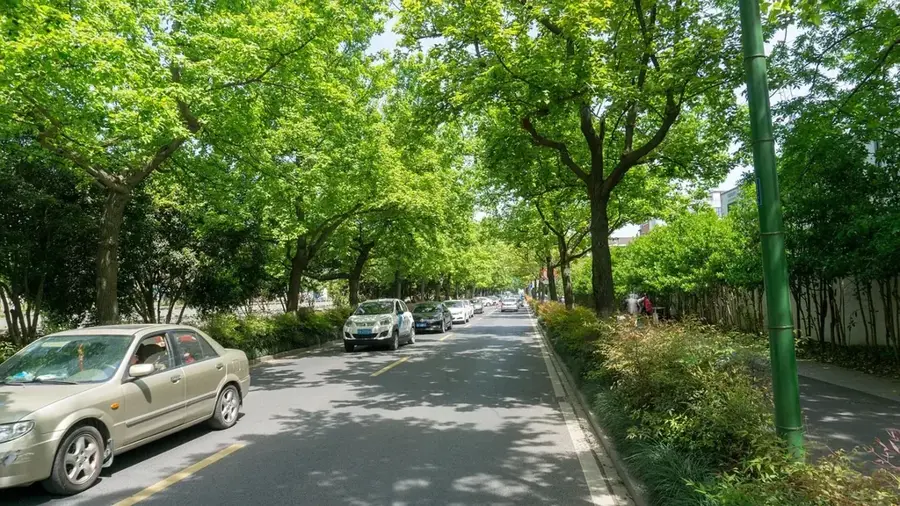
Yaren Greenbelt
The Yaren Greenbelt consists of maintained green spaces and avenues lined with tropical trees.
Learn more →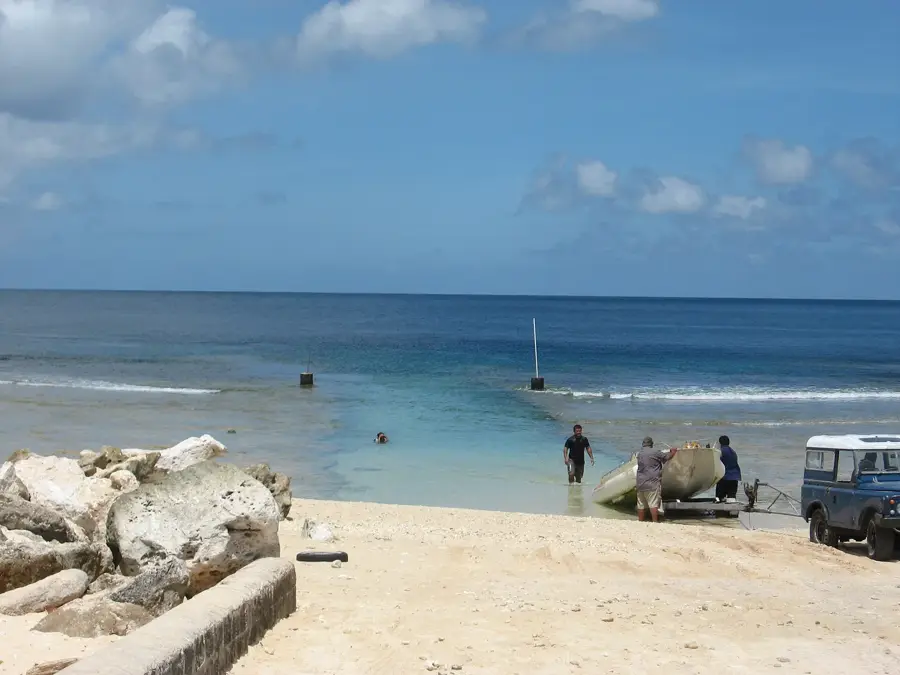
Boe Coastal Flora
The flora of Boe includes a variety of beach morning glories and low-lying coastal plants.
Learn more →
Anabar Lagoon
Anabar Lagoon is a small brackish water pool on the northeast coast.
Learn more →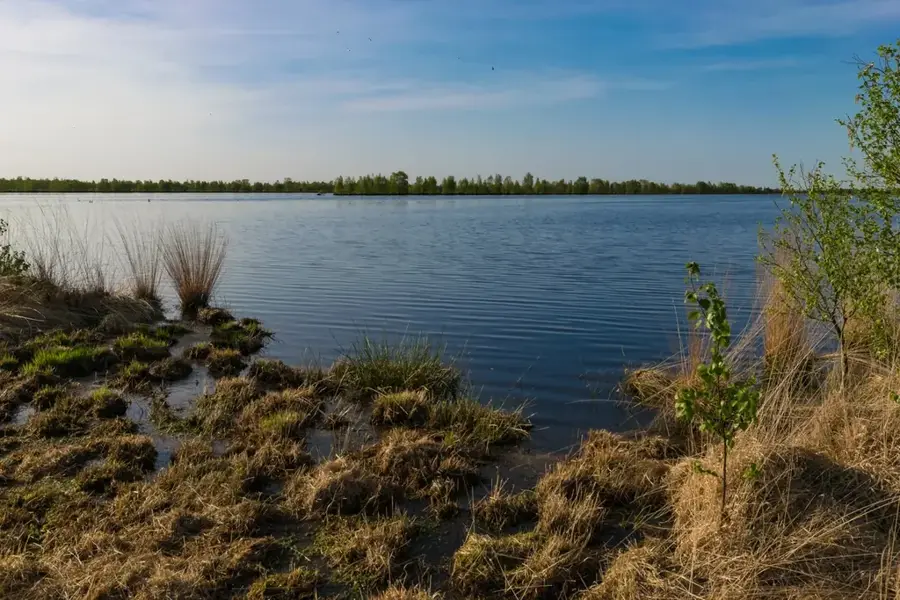
Conservation Nursery
The nursery serves the reforestation of areas damaged by mining.
Learn more →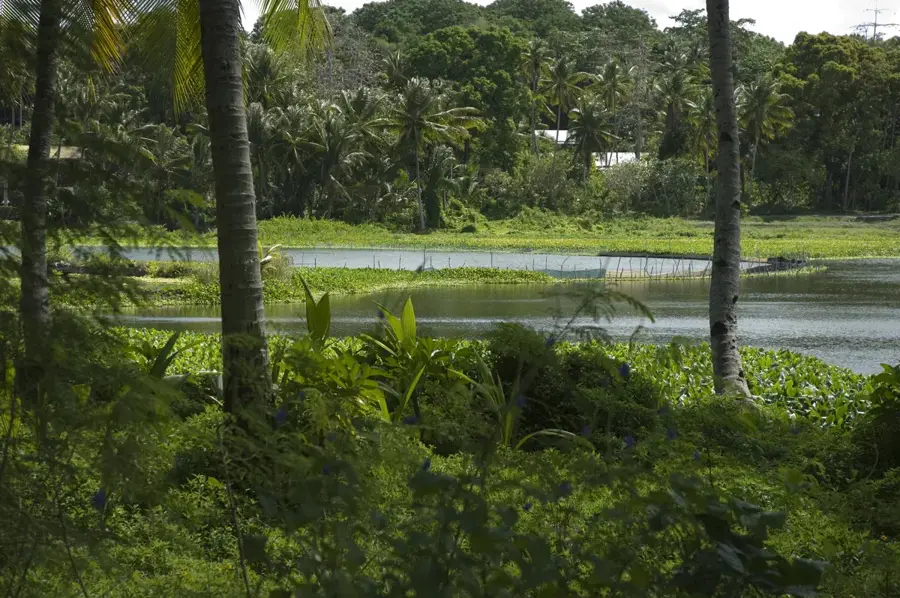
Buada District Gardens
The gardens in Buada District show a mix of ornamental and food plants.
Learn more →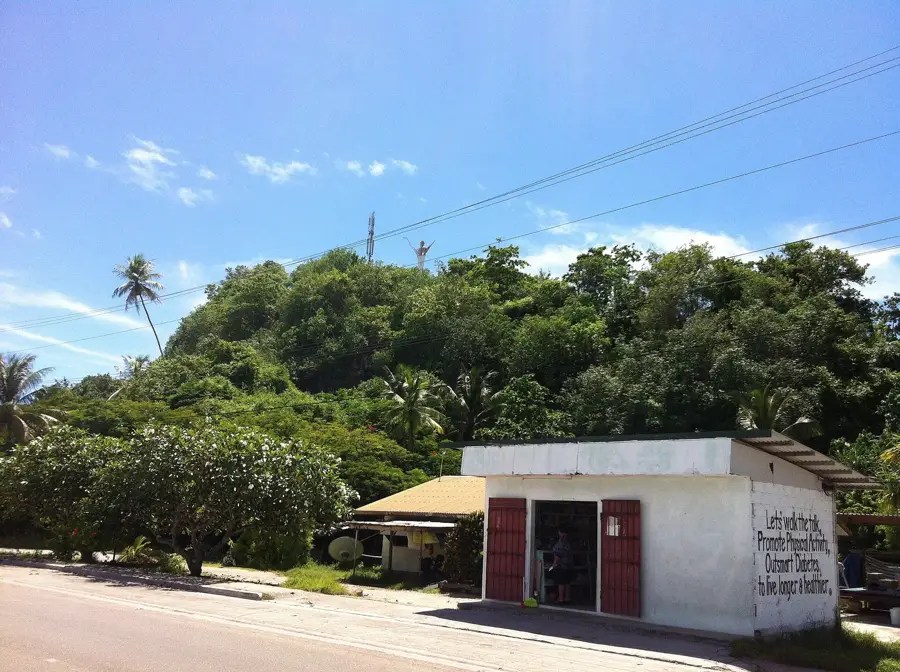
Ewa Reef
Ewa Reef on the north coast of Nauru is a biologically rich fringing reef.
Learn more →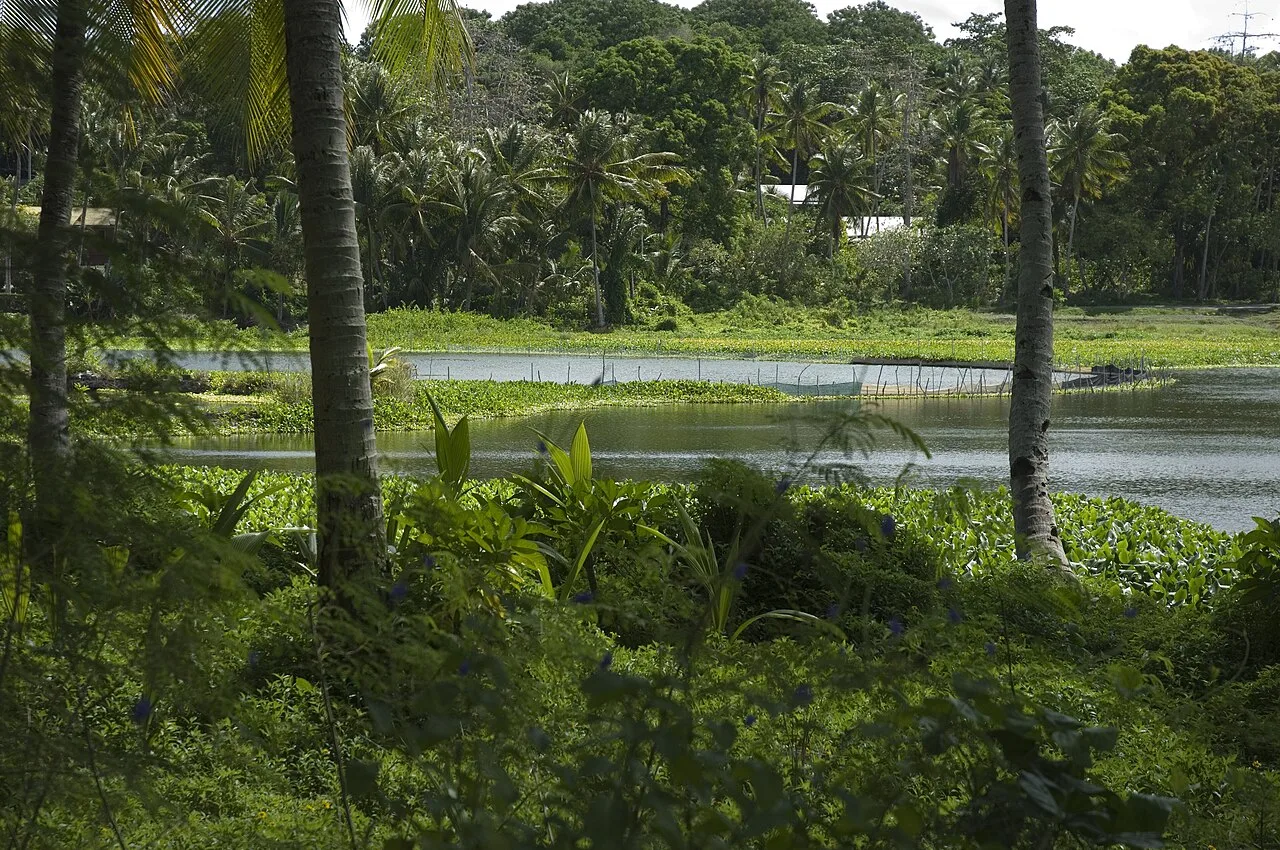
Aiwo Mangroves
Isolated mangrove patches can be found in protected zones along the Aiwo coast.
Learn more →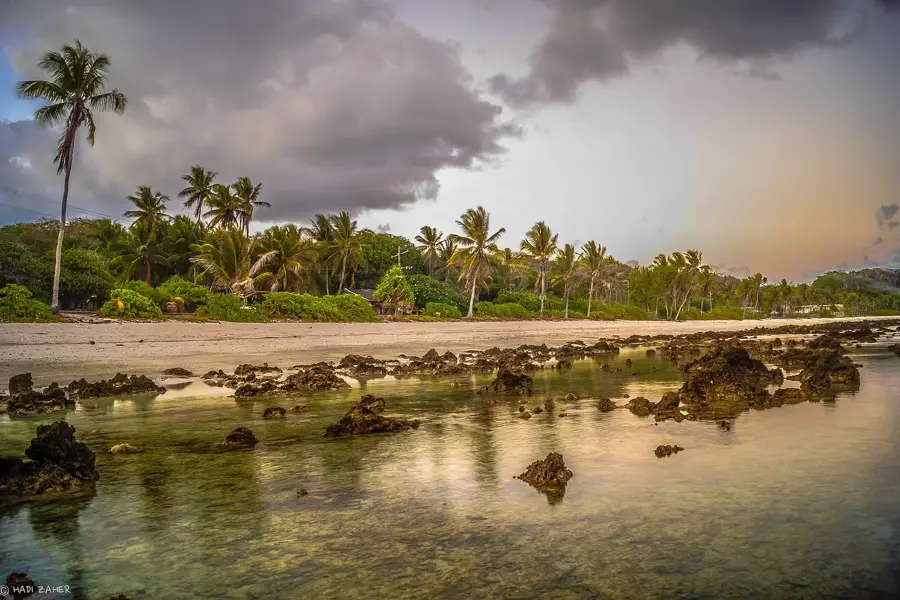
Meneng Pandanus Groves
In Meneng, extensive groves of the Pandanus tree can be found.
Learn more →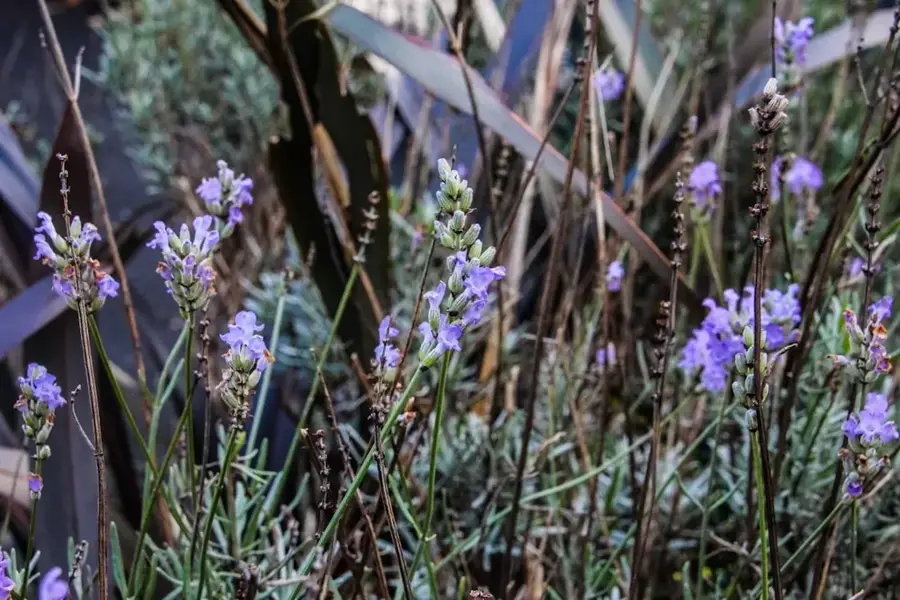
Nibok Shrubland
The coastal strips of Nibok are covered by Scaevola bushes and native shrubs.
Learn more →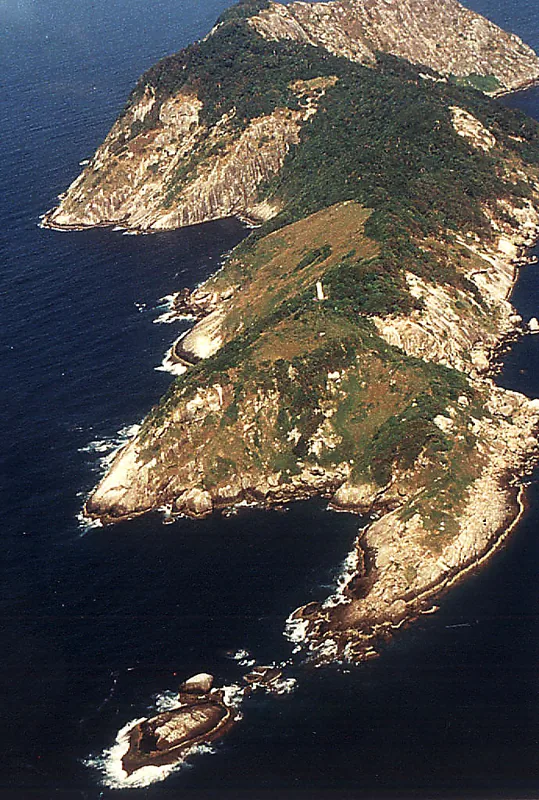
Western Slopes
The western slopes drop steeply from the Topside plateau toward the narrow coastal plain in the Aiwo district.
Learn more →
Northern Uplands
The northern uplands comprise the elevated areas of the plateau within the Ewa and Anetan districts.
Learn more →Cities & Architecture
More highlights
Nibok Palms
The Nibok Palm groves stretch along the northwestern coastal plain.
Learn more →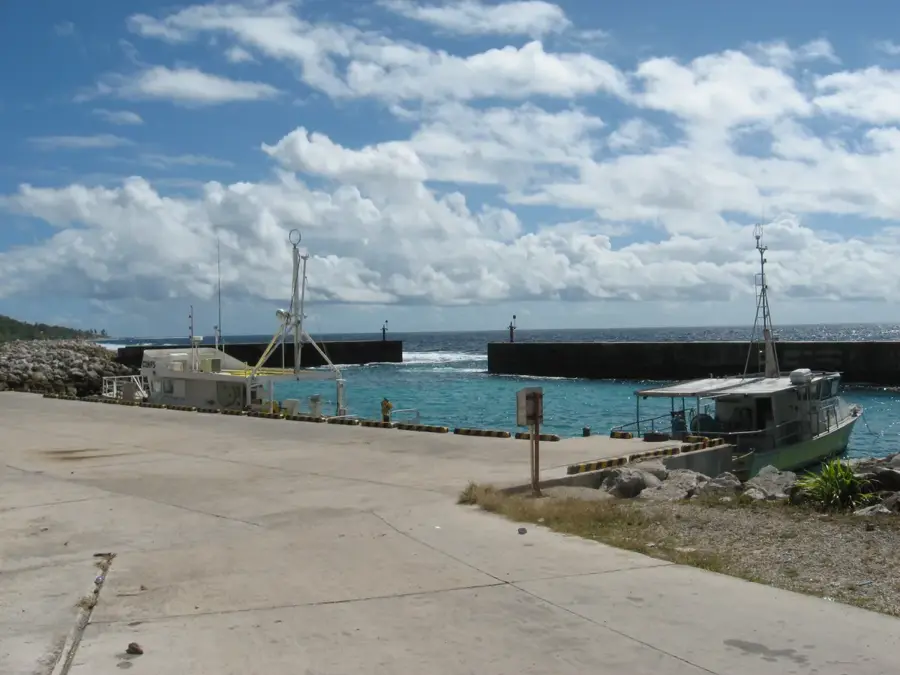
Anibare Forest
The Anibare Forest is a rare remnant of the original tropical rainforest on the limestone terraces.
Learn more →
Denigomodu Casuarinas
Groups of Casuarina trees, also known as ironwoods, grow along the Denigomodu coast.
Learn more →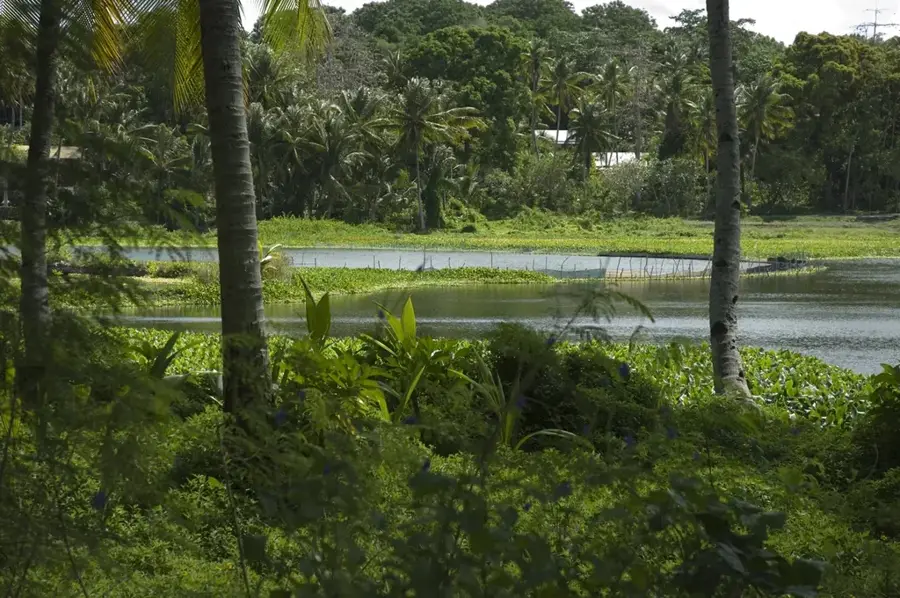
Buada Basin
The Buada Basin is a natural depression within the central plateau, containing the island's only inland lake.
Learn more →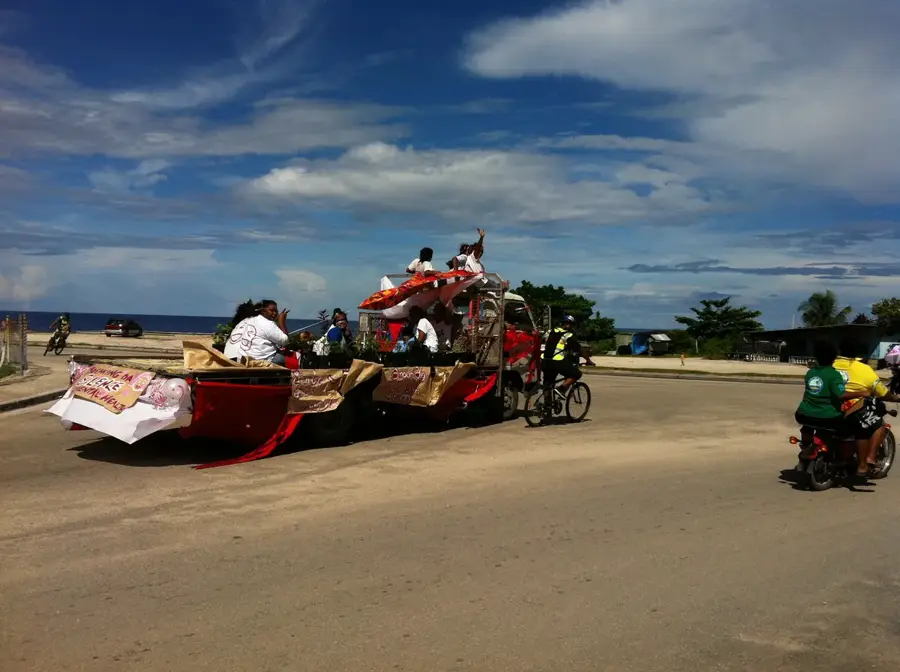
Interior Lowland
This lower-lying area in the island's interior is surrounded by the higher edges of the coral plateau.
Learn more →Frequently asked questions
What are the top attractions in Nauru?
Among the most popular are Ijuw Coastline, Aiwo Pinnacles, Fisheries Authority (NFMRA), Anibare Bay, Moqua Caves and many more – the full top 50 list is on this page.
When is the best time to visit Nauru?
May to October offers the most pleasant weather; July and August are warmest and busiest.