Plizio Visual Lab
Buada Historic Settlement
ℹ️Practical info — Buada Historic Settlement
▾
🌤 Weather — 5 days
📍 Nearby
Sights nearby
💡 Tips
- Respect the historical significance of the area; many plots have belonged to families for generations.
- A guided tour with a local is highly recommended to understand the agricultural history and traditional farming methods.
- Wear sturdy walking shoes to navigate the unpaved paths around the historical settlement areas.
- Photography of the historic sites is usually fine, but always ask permission before taking pictures of people's homes or gardens.
🍽 Food
A staple of the historic diet, sometimes prepared during local community events.
Hearty dishes reflecting the island's traditional culinary heritage.
Brought inland from the coast, a common practice preserved over time.
🛍 Shopping · 🧘 Quiet spots
Look for community centers where traditional skills are preserved and items are sold.
Sometimes local farmers sell surplus crops grown using traditional methods.
A serene environment where you can appreciate the island's traditional way of life.
Great for a quiet rest away from the coastal winds.
Water temperature…
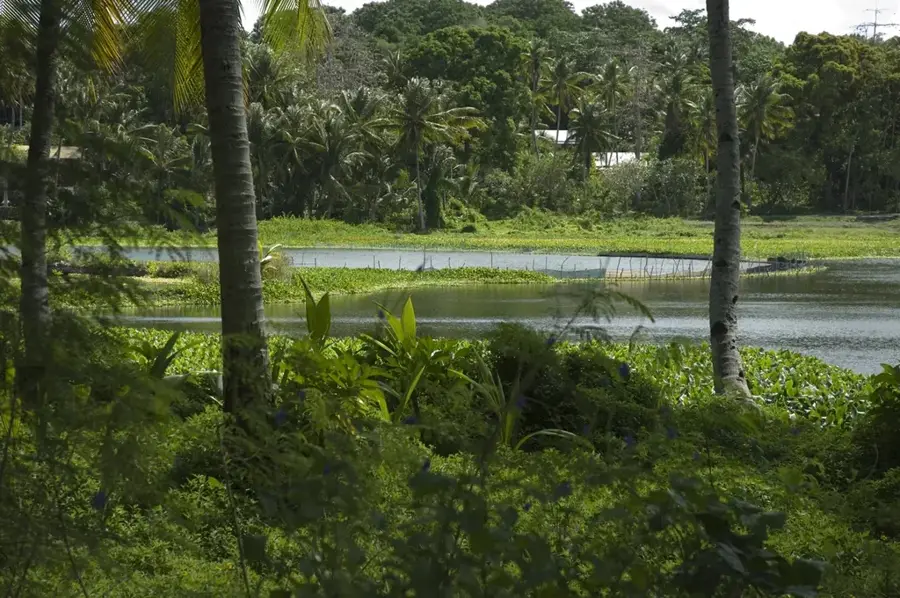
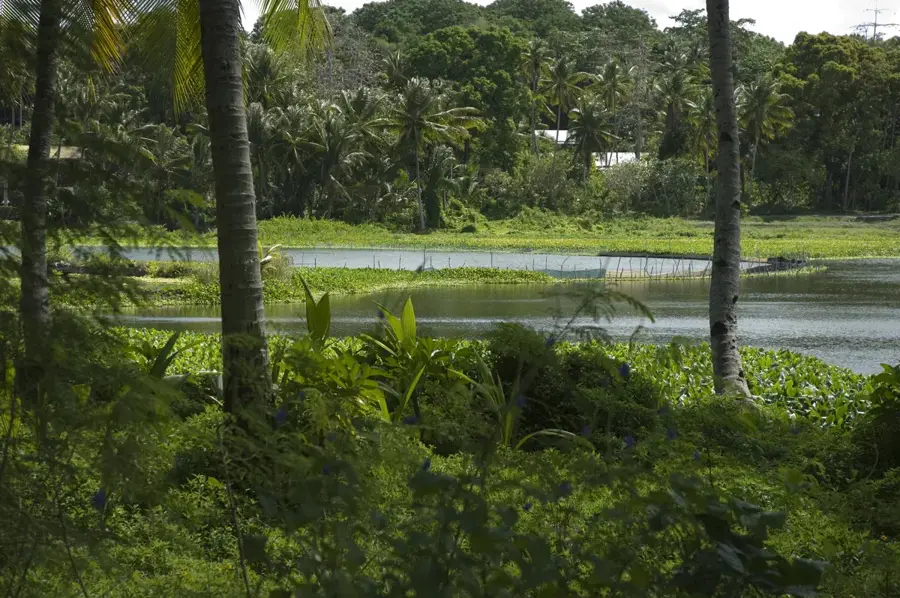
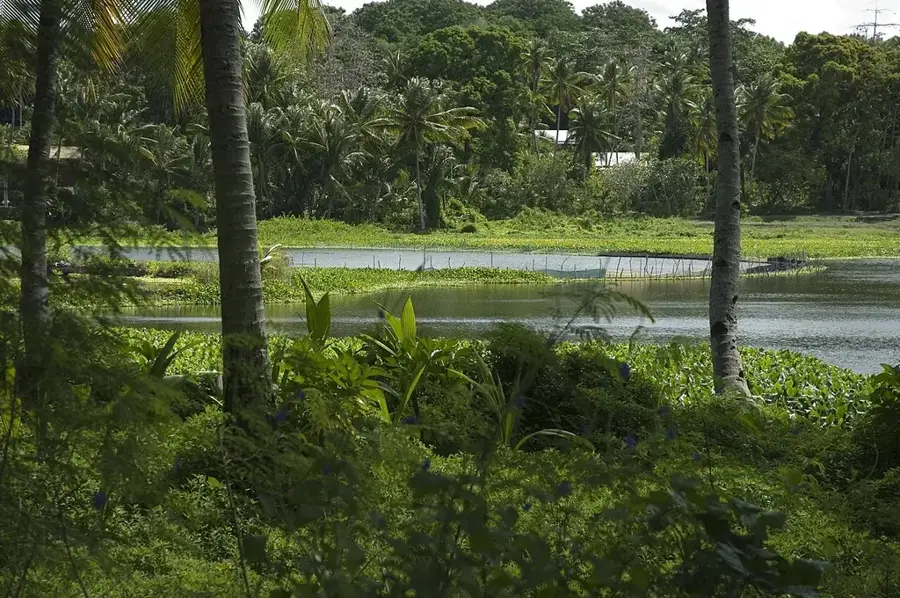
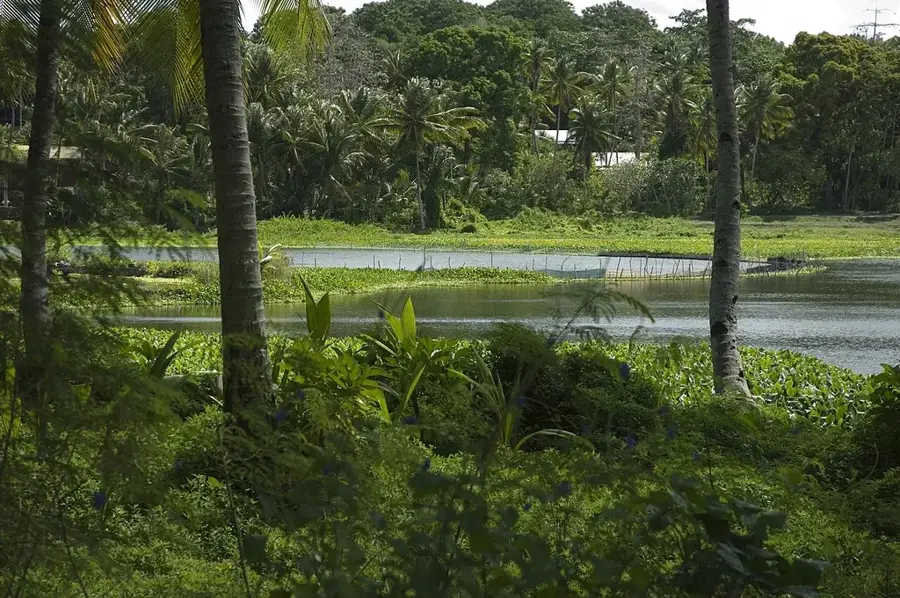
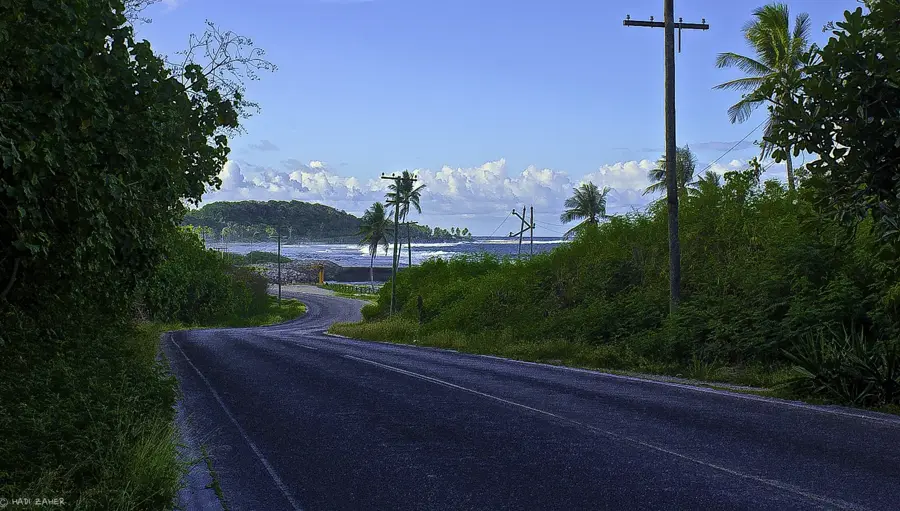
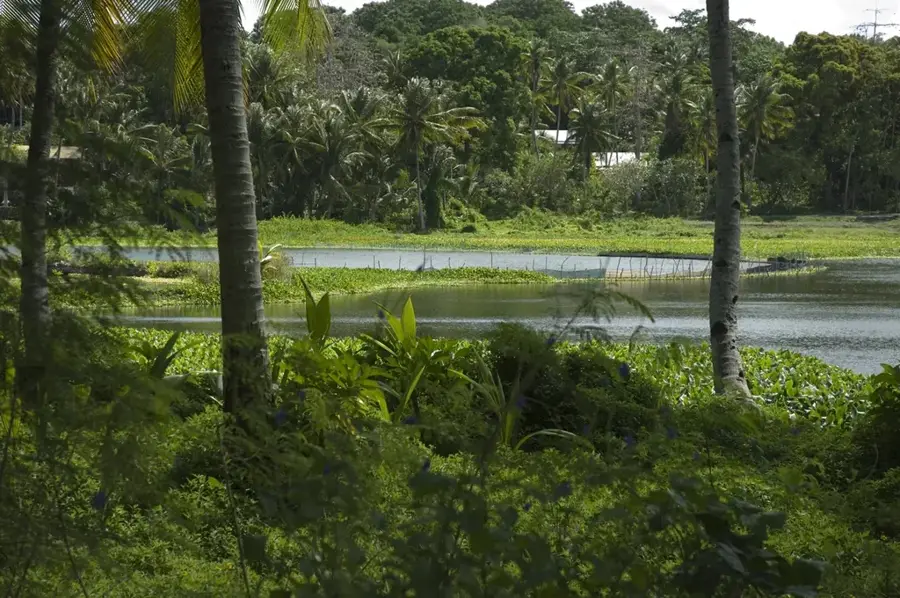
The Buada Historic Settlement is located in the fertile inland depression of Nauru, centered around the scenic Buada Lagoon, the island's only significant body of freshwater. While much of Nauru's landscape was drastically altered by decades of intensive phosphate mining, leaving behind a stark coral pinnacle terrain, the Buada area remained largely spared. This preservation has allowed it to maintain a lush, tropical environment where breadfruit trees, pandanus palms, and coconut groves flourish. Historically, this region has been the heart of Nauruan agriculture and is regarded as the oldest continuously inhabited part of the island. A unique local tradition involves the farming of Ibija (milkfish) within the lagoon’s brackish waters; villagers would catch juvenile fish at the coast and release them into the lagoon to be harvested later, ensuring a steady food supply. Today, Buada has a rare glimpse into the traditional lifestyle of the Nauruan people, characterized by small-scale farming and a serene atmosphere that stands in sharp contrast to the industrial heritage found elsewhere on the island.
- Location: Nauru
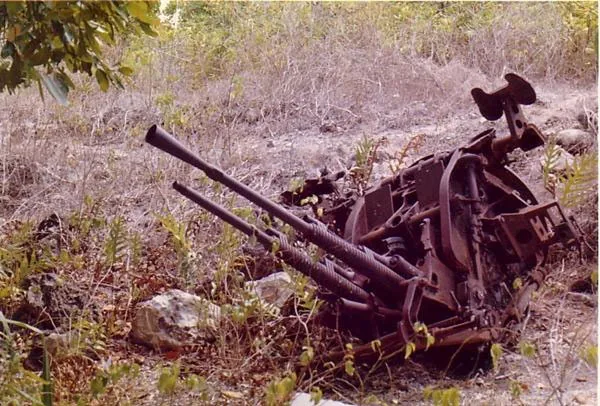
- Top sights: Japanese WWII Gun · Japanese WWII Prison · Lagoon viewpoint
- Nearby: Anetan (4 km)
- Population: ~747
Best time to visit & climate
The most pleasant time to visit is May, Jun, Sep.
| Jan | Feb | Mar | Apr | May | Jun | Jul | Aug | Sep | Oct | Nov | Dec | |
|---|---|---|---|---|---|---|---|---|---|---|---|---|
| Avg °C | 28 | 28 | 28 | 28 | 28 | 28 | 28 | 28 | 28 | 28 | 28 | 28 |
| Rain mm | 194 | 192 | 193 | 161 | 116 | 107 | 123 | 118 | 108 | 118 | 133 | 202 |
Geography
Facts
- Center of the Buada District
- Most fertile area on the island
- Traditional milkfish farming
- Only inland lagoon in Nauru
- Spared from direct mining
- Historic settlement core
Explore nearby
Notable places around


Route planner — Car & Motorhome
Where do you start? We build the route here, with stops and country notes along the way.
© OpenStreetMap contributors · OpenRouteService
Sights in the town Buada Historic Settlement (3)
Frequently asked questions
What is special about the Buada settlement?
How long does the tour take?
Is it developed for tourists?
Can one swim in the lagoon?
What is the best time of day?
Buada Historic Settlement: where is it located?
Buada Historic Settlement: what is there to see?
Buada Historic Settlement: when is the best time to visit?
Buada Historic Settlement: why is it worth visiting?
Nearby cities


History & landmarks

Nature
More places