Plizio Visual Lab
Shark Island
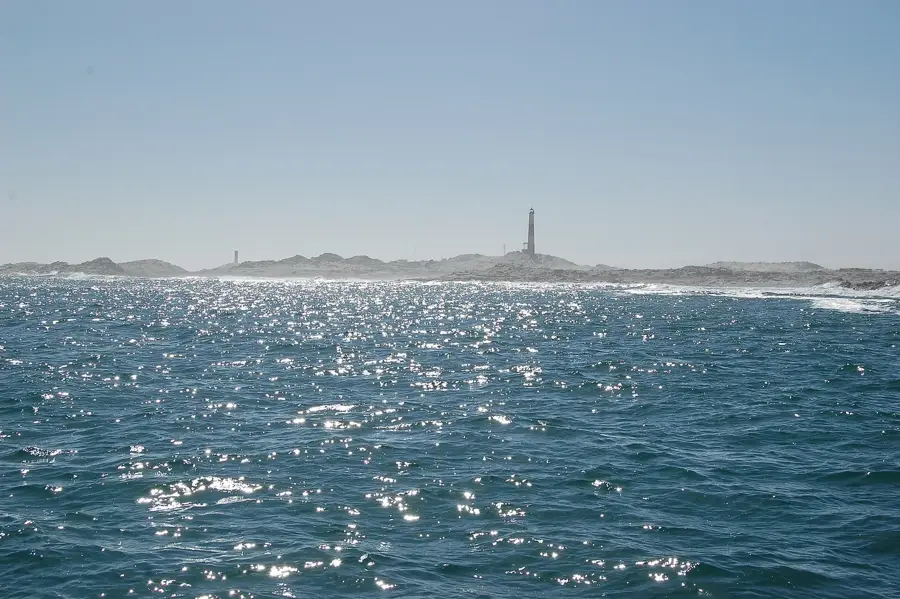
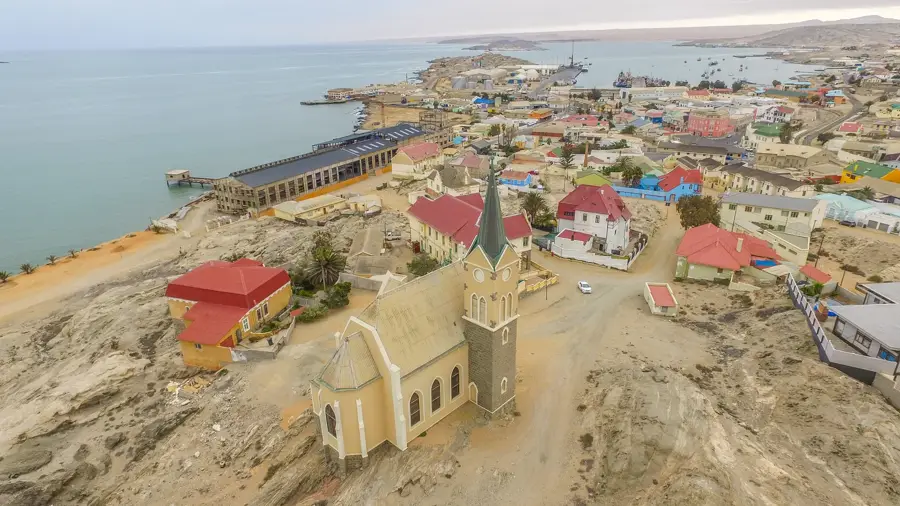
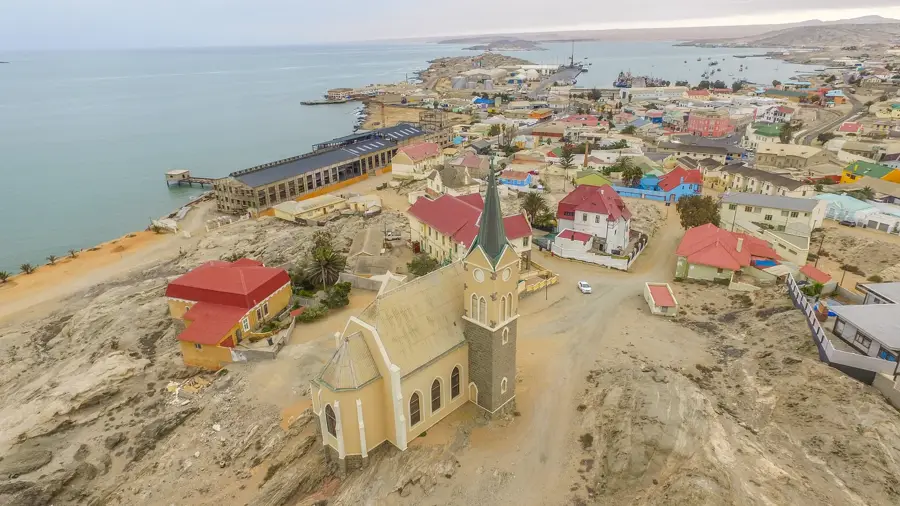
Shark Island near Lüderitz is today a peninsula and serves as a popular campsite, but it carries a dark historical burden as the site of Namibia's first concentration camp. Between 1905 and 1907, during the Herero and Nama uprising, thousands of people were interned here by the German colonial administration under extreme conditions. Prisoners were left defenseless against the harsh Atlantic climate, which, combined with forced labor, malnutrition, and disease, led to an extremely high mortality rate. Estimates suggest that between 1,000 and 3,000 people died on the island. In recent years, the site has gained significance as a memorial for the victims of the genocide, and several monuments have been erected in memory of the deceased. The island is now connected to the mainland of Lüderitz by a causeway and gives visitors a dramatic view of the ocean and the surrounding rocky coastline.
Best time to visit & climate
The most pleasant time to visit is Jan–Mar.
| Jan | Feb | Mar | Apr | May | Jun | Jul | Aug | Sep | Oct | Nov | Dec | |
|---|---|---|---|---|---|---|---|---|---|---|---|---|
| Avg °C | 19 | 19 | 18 | 18 | 17 | 15 | 15 | 14 | 15 | 16 | 17 | 18 |
| Rain mm | 3 | 4 | 4 | 9 | 5 | 4 | 4 | 5 | 3 | 3 | 3 | 3 |
📋 Practical info
Geography
Facts
- Camp operated between 1905 and 1907
- Estimated death toll between 1,000 and 3,000
- The island covers an area of about 40 hectares
- Currently connected to the mainland via a causeway
- Site of monuments for Nama leaders such as Cornelius Frederiks
- Served as an internment camp during German colonial rule
Explore nearby
Notable places around
Route planner — Car & Motorhome
Where do you start? We build the route here, with stops and country notes along the way.
© OpenStreetMap contributors · OpenRouteService
Sights in the town Shark Island (1)
Sights nearby
Frequently asked questions
What is Haifischinsel?
Can one camp there?
How is the weather?
What is nearby?
Is it good for families?
Shark Island: where is it located?
Shark Island: when is the best time to visit?
Shark Island: why is it worth visiting?

Nearby cities

History & landmarks
Nature
More places