Plizio Visual Lab
Skeleton Coast
Weather…
Water temperature…
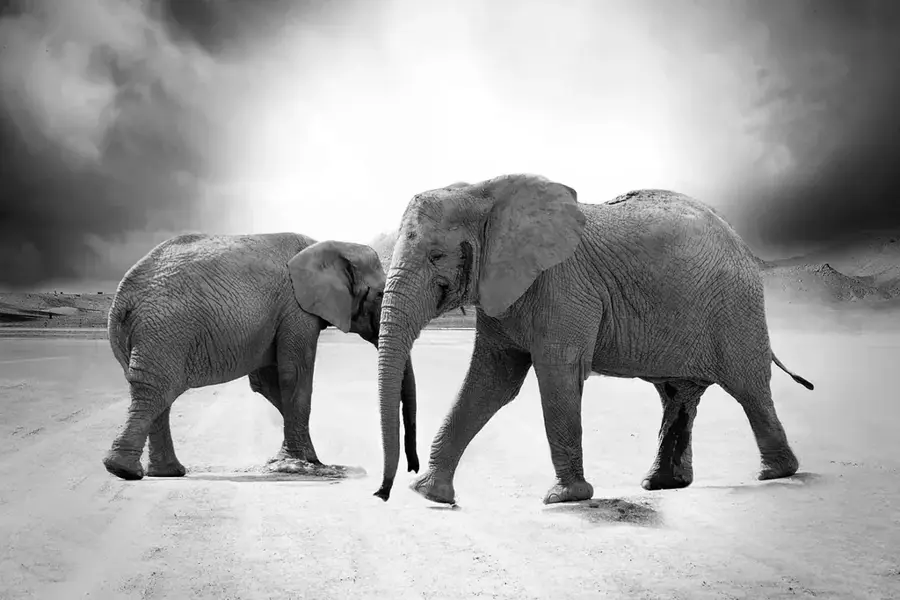
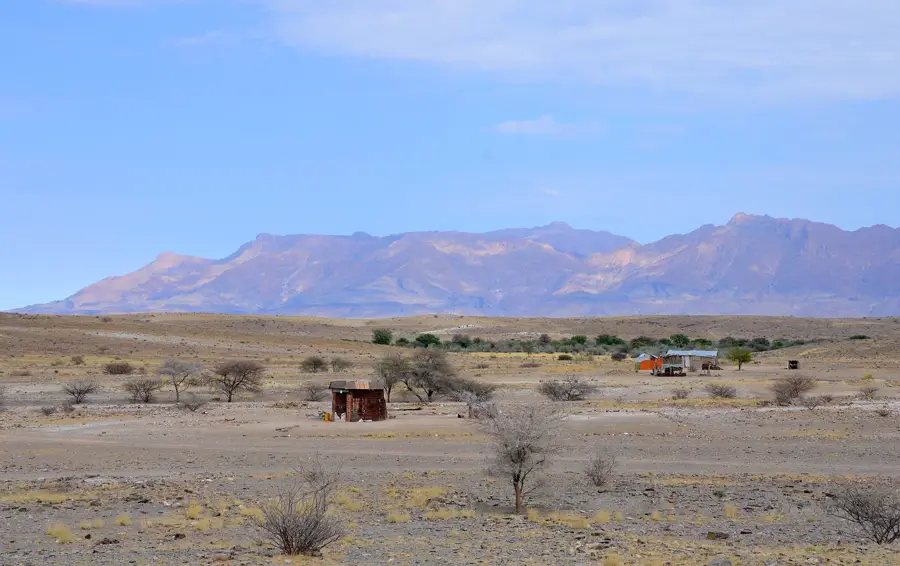
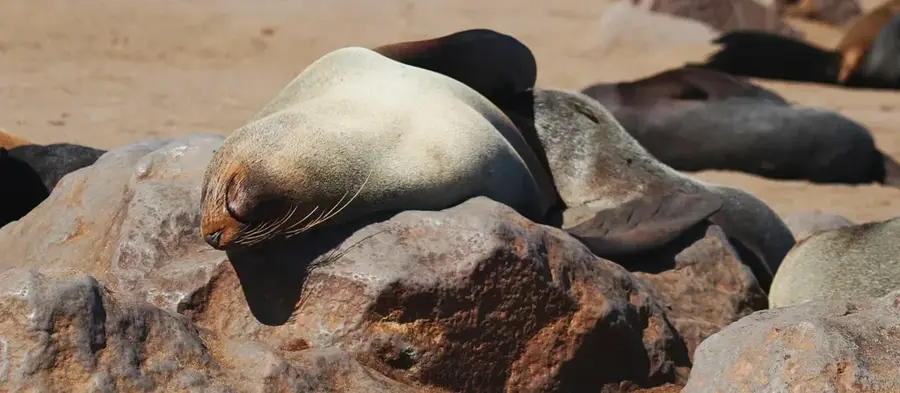
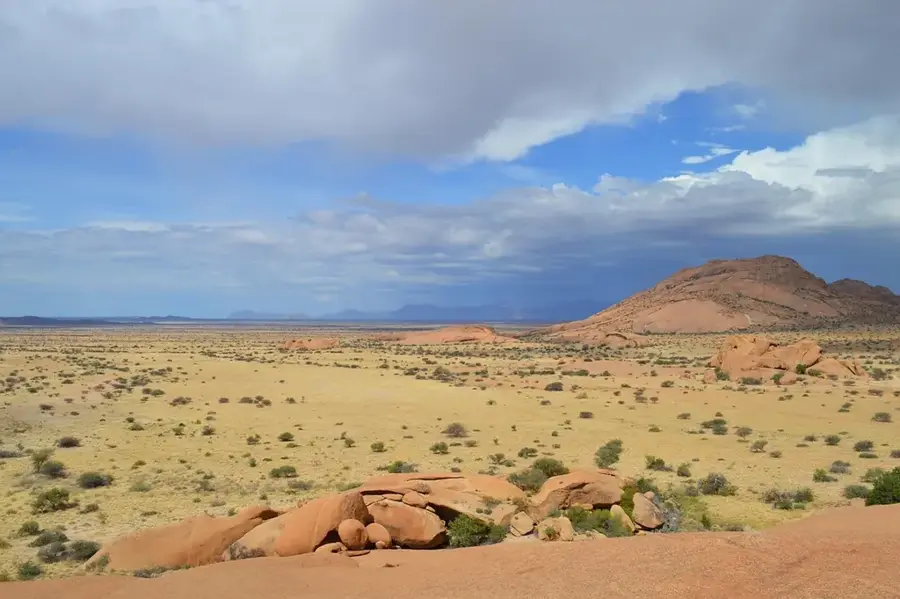
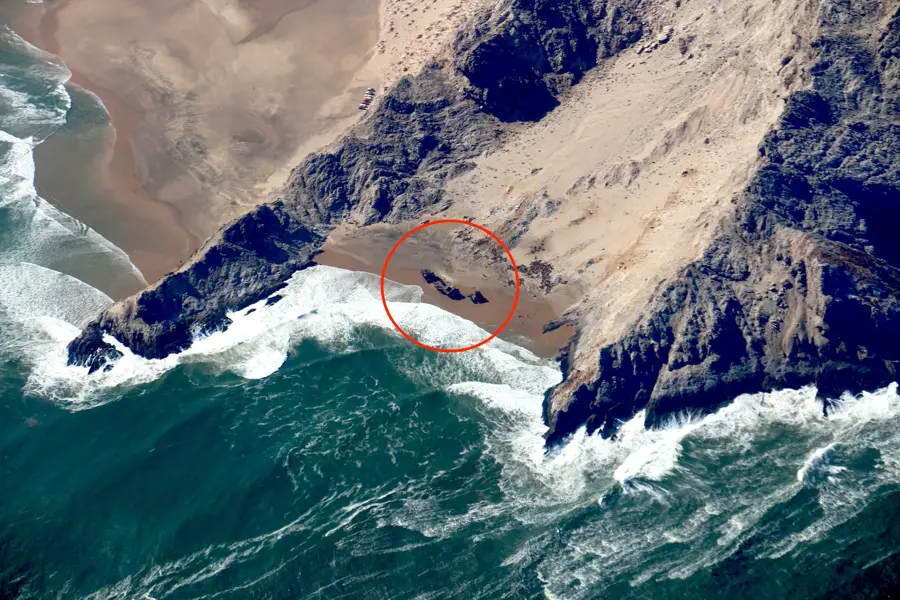
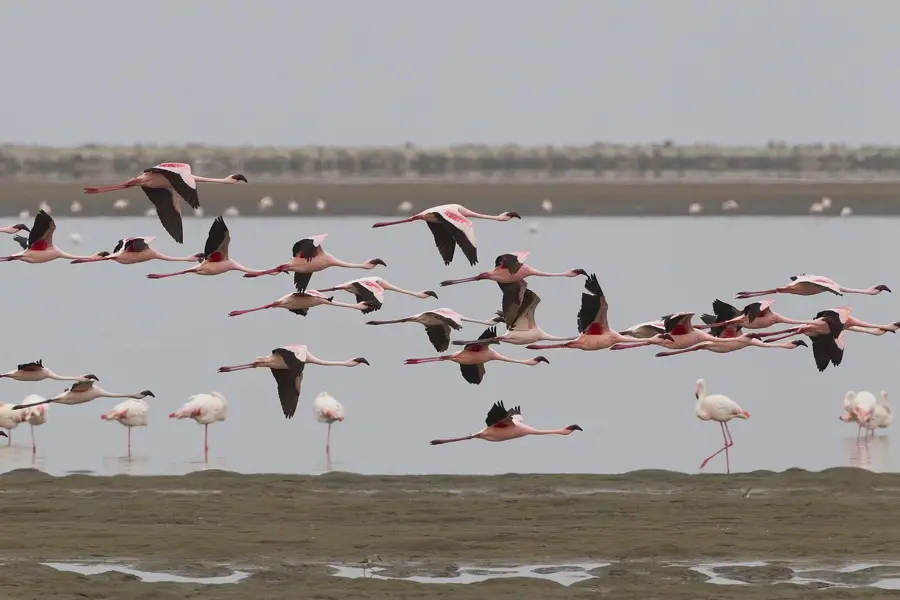
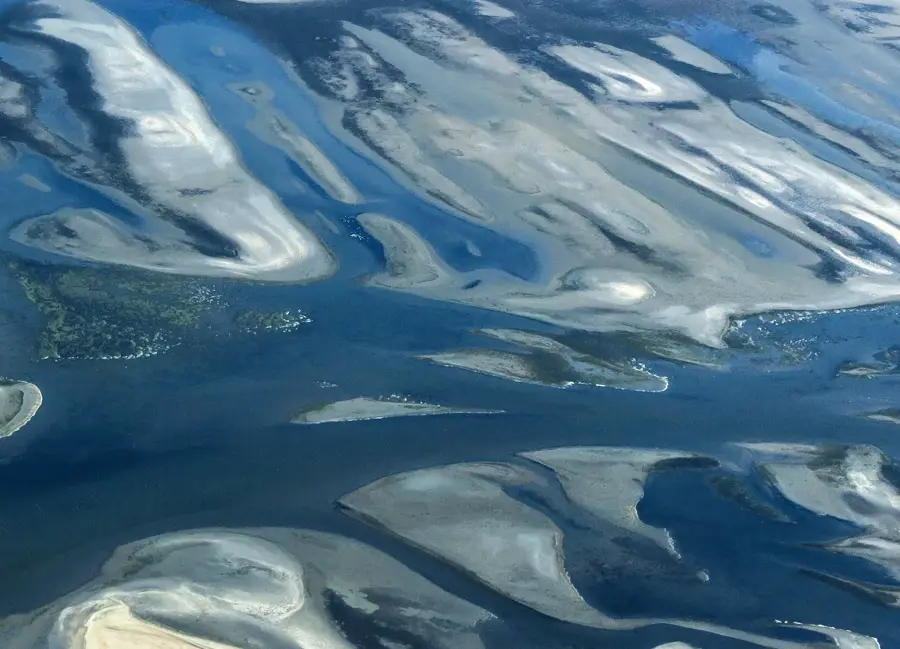
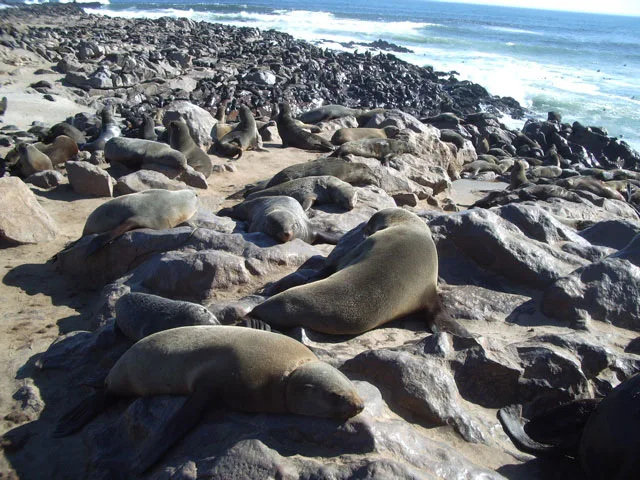
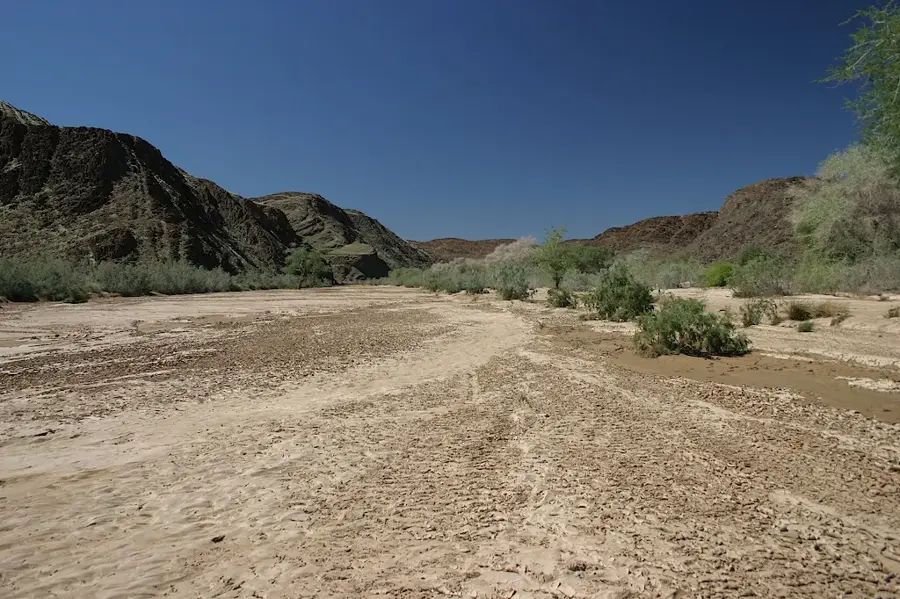
The Skeleton Coast is a 500-kilometer stretch of Namibia's northern Atlantic coastline, extending from the Ugab River to the Kunene River at the Angolan border. Its haunting name, coined by John Henry Marsh in 1944, refers to the bleached whale bones and hundreds of rusted shipwrecks that litter the desolate beaches. The area's geography is defined by the collision of the cold Benguela Current and the hot Namib Desert, which creates a thick, persistent fog that has historically doomed many sailors. For those shipwrecked, the vast, waterless dunes meant that survival was nearly impossible, leading Portuguese explorers to label the region 'The Gates of Hell.' Despite its hostile reputation, the coast supports a unique ecosystem, including desert-adapted lions and elephants that roam the ephemeral riverbeds. The Skeleton Coast National Park, established in 1971, protects over 16,000 square kilometers of pristine wilderness. Today, the park is famous for its massive Cape fur seal colonies and the eerie beauty of shipwrecks like the Dunedin Star and the Eduard Bohlen, the latter of which now sits hundreds of meters inland due to shifting sands.
- Location: Namibia
- Nearby: Skeleton Coast (78 km)
Best time to visit & climate
The most pleasant time to visit is Jun, Aug, Sep.
| Jan | Feb | Mar | Apr | May | Jun | Jul | Aug | Sep | Oct | Nov | Dec | |
|---|---|---|---|---|---|---|---|---|---|---|---|---|
| Avg °C | 24 | 24 | 25 | 25 | 23 | 20 | 20 | 20 | 22 | 23 | 24 | 24 |
| Rain mm | 34 | 61 | 56 | 21 | 1 | 1 | 0 | 0 | 1 | 2 | 10 | 16 |
📋 Practical info
Geography
Facts
- The coast stretches roughly 500 kilometers along the Atlantic Ocean.
- More than 1,000 shipwrecks have been recorded along this coastline.
- Skeleton Coast National Park was officially established in 1971.
- The fog provides the primary source of moisture for many desert organisms.
- It is one of the few places where desert lions hunt Cape fur seals.
- The 'Dunedin Star' wreck in 1942 led to a massive rescue operation.
Explore nearby
Notable places around


Route planner — Car & Motorhome
Where do you start? We build the route here, with stops and country notes along the way.
© OpenStreetMap contributors · OpenRouteService
Sights nearby
Frequently asked questions
Why is it called Skeleton Coast?
Am I allowed to go everywhere?
How is the climate?
Can I camp there?
Should I have a guide?
Skeleton Coast: where is it located?
Skeleton Coast: when is the best time to visit?
Skeleton Coast: why is it worth visiting?

Nearby cities
History & landmarks
Nature
More places